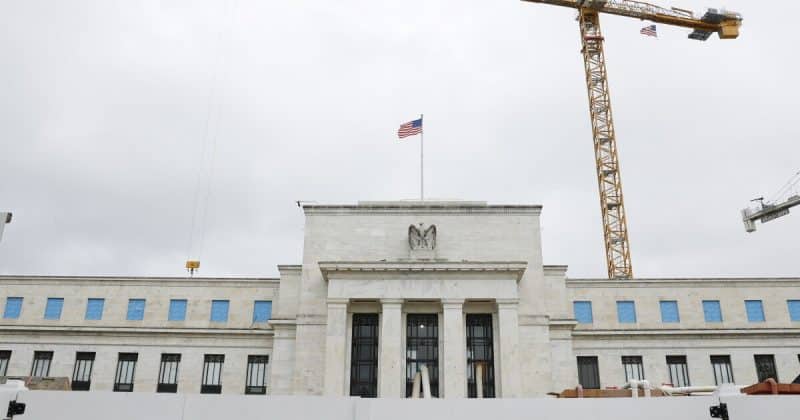
The US Federal Reserve (Fed) has launched one of the most comprehensive reviews of its monetary policy framework in decades, recognising that the world’s most influential central bank is operating in an economy that has changed fundamentally from the one for which its existing policy framework was designed.
Rapid advances in artificial intelligence (AI), persistent inflation, geopolitical tensions, fragmented global supply chains and increasingly volatile financial markets are challenging many of the assumptions that have guided monetary policy since the 2008 global financial crisis.
At the same time, the long-standing dominance of the US dollar as the world’s single reserve currency is facing more scrutiny than at any point in recent memory as countries seek greater diversification away from a system that leaves much of the global economy exposed to US policy decisions.
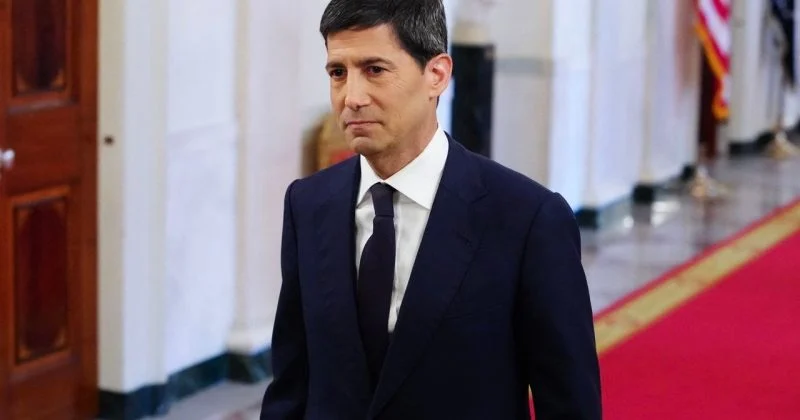
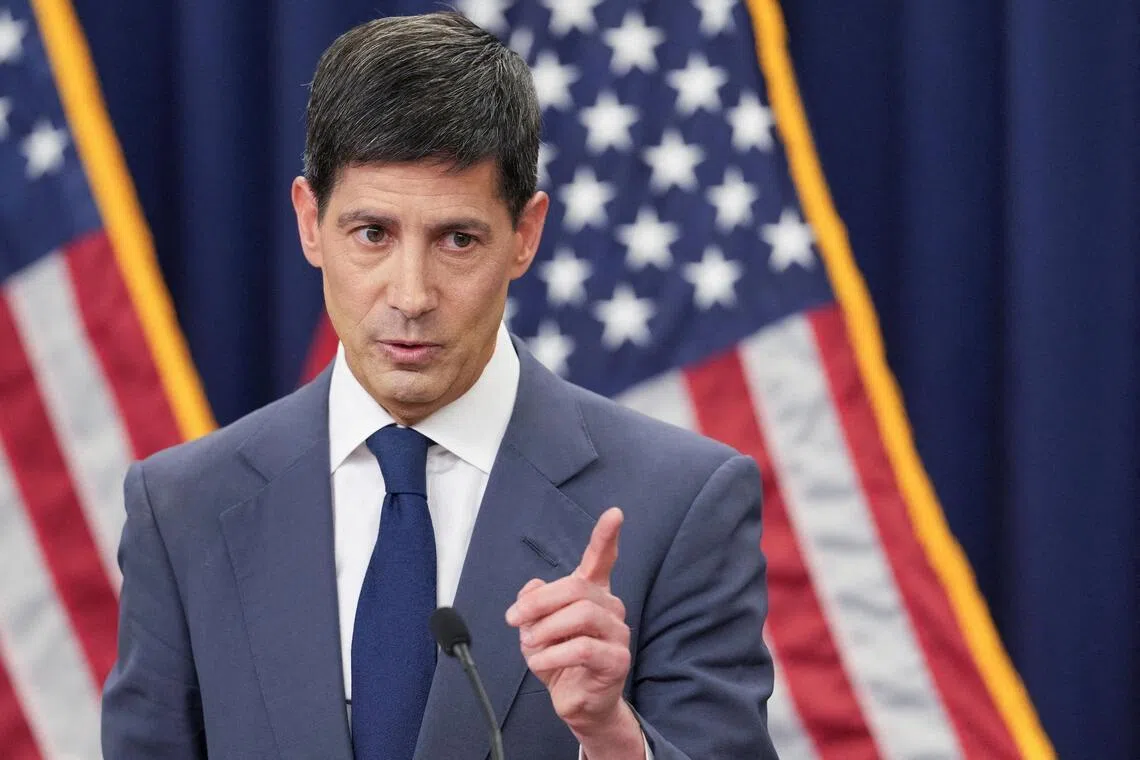
To prepare for this new environment, new Fed Chair Kevin Warsh has assembled five independent task forces comprising leading economists, former central bankers, business executives and technology experts to examine key aspects of its operations, including inflation, policy communications, labour markets, financial stability and the use of economic data. The review is intended to help the Fed adapt its policymaking framework to structural changes that are reshaping the global economy rather than merely responding to temporary economic fluctuations.