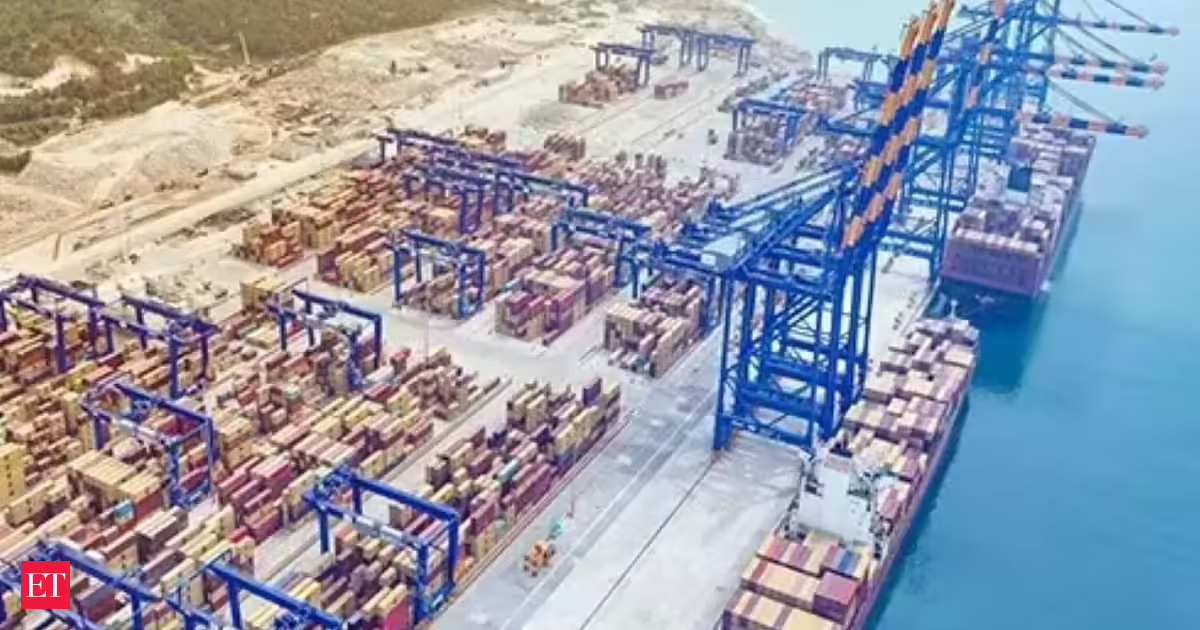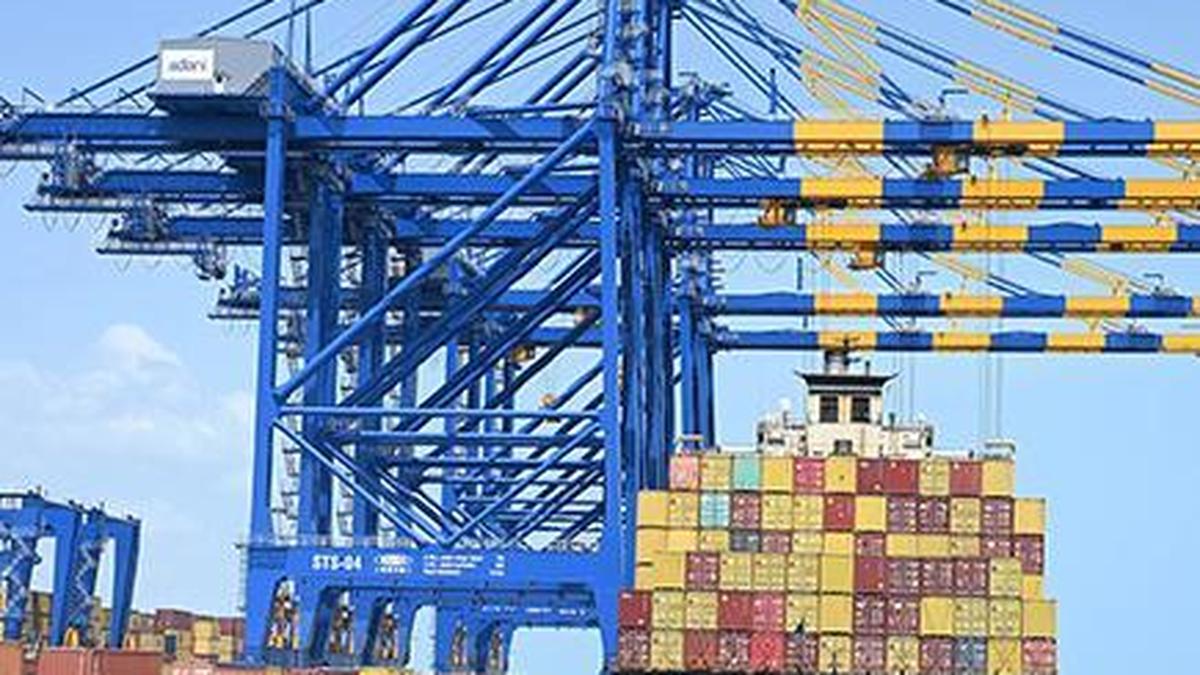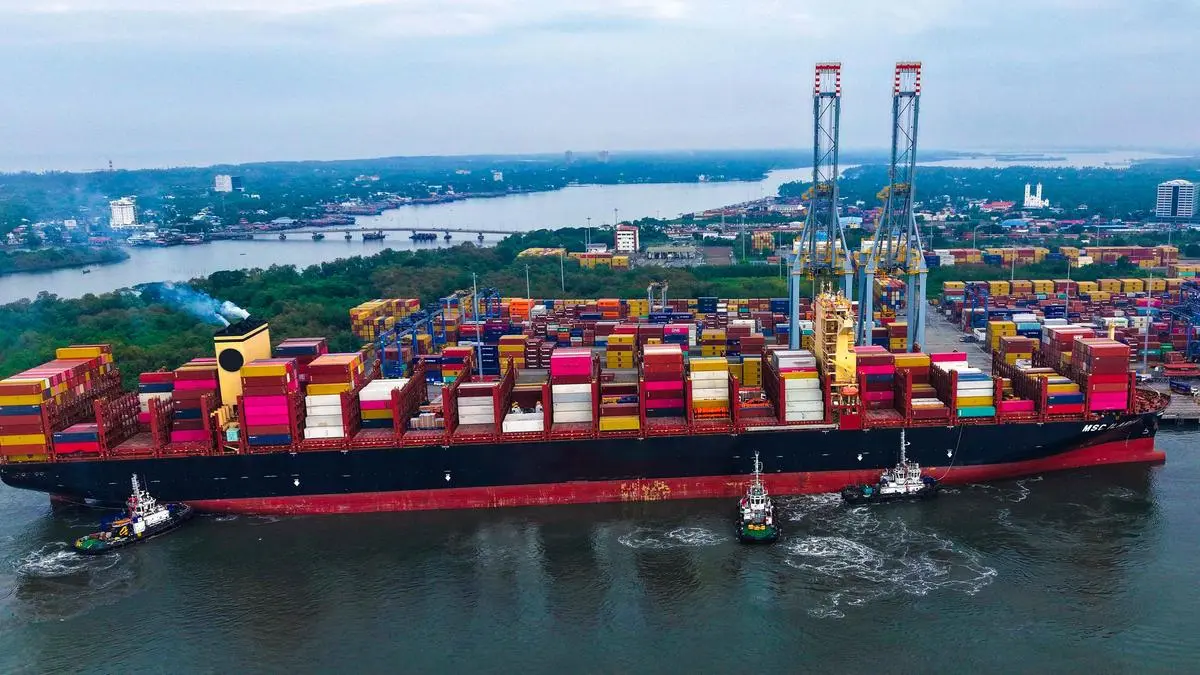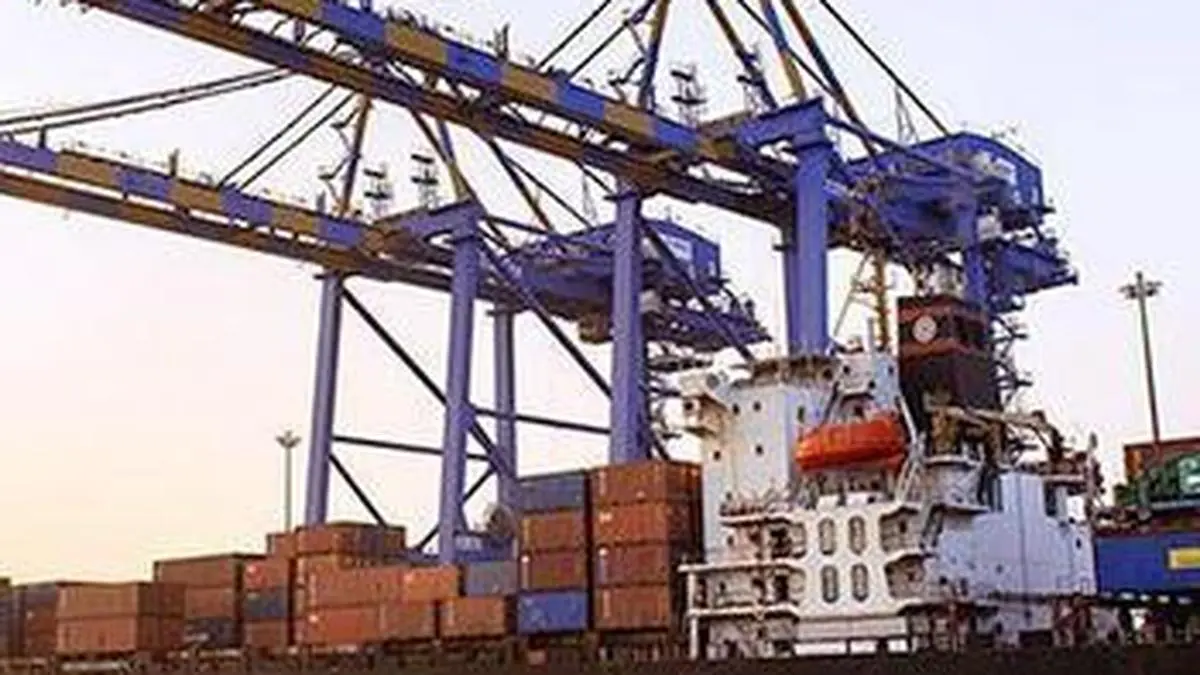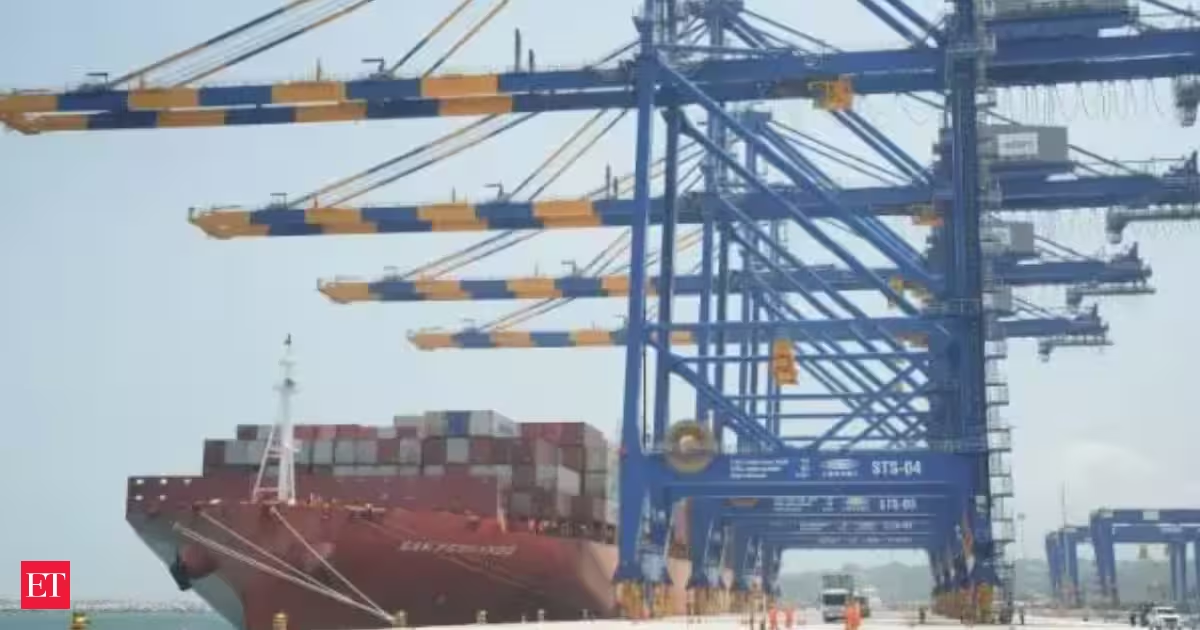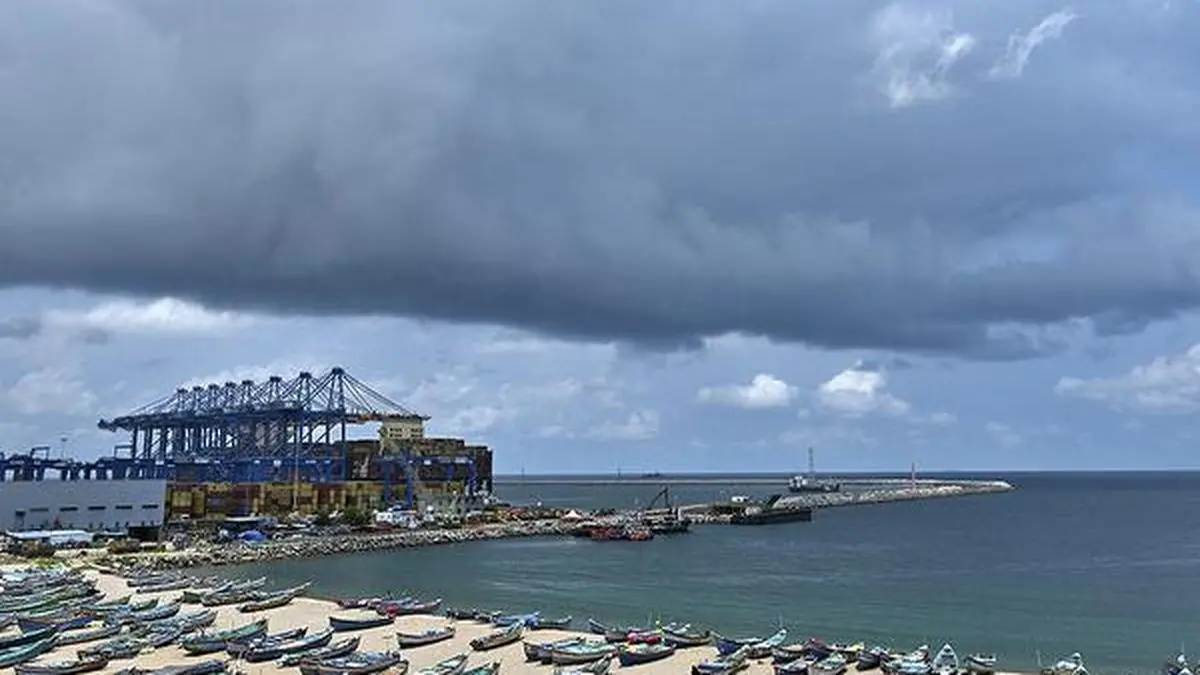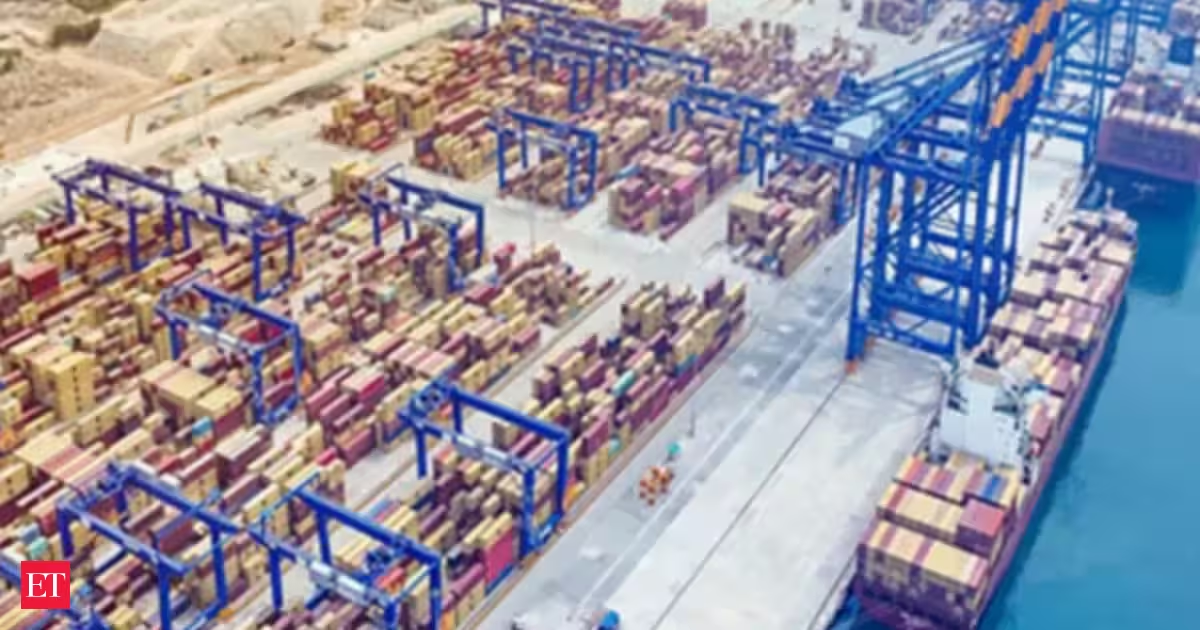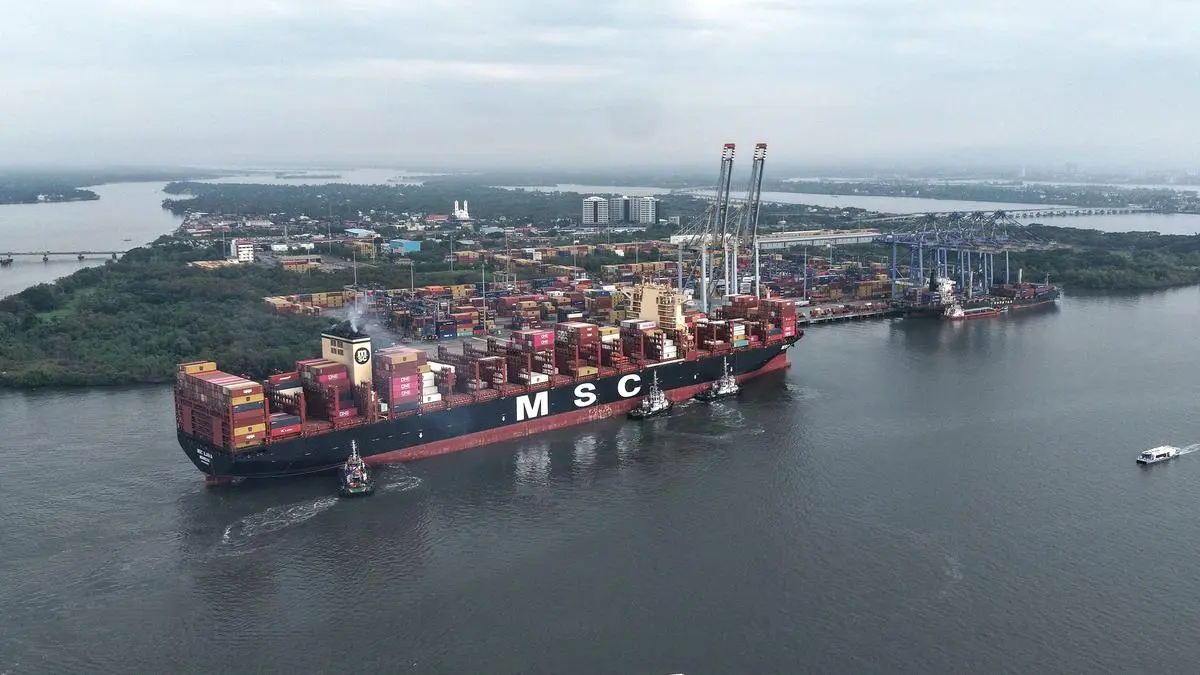
Cochin Port Authority (CoPA) is unfazed by the rapid rise of Vizhinjam Port as a transshipment hub and is instead focusing on expanding the International Container Transshipment Terminal (ICTT) at Vallarpadam to strengthen its position as a gateway terminal.M Angamuthu, Chairperson-in-charge of CoPA, said the port, together with DP World, is preparing an expansion plan to make the ICTT future-ready by deepening the channel draft and augmenting terminal infrastructure to tap the growing opportunities in container traffic, particularly transshipment.“The expansion plans are aimed at transforming ICTT into a vibrant gateway terminal and transshipment hub,” he said in an interaction.
M Angamuthu, Chairperson-in-charge, Cochin Port Authority
Angamuthu said he does not see Vizhinjam as a direct competitor to Cochin at present, noting that the two ports serve different markets.“Vizhinjam is primarily a transshipment terminal, whereas Cochin is essentially a gateway terminal, although it also handles a significant volume of transshipment cargo. ICTT has a much larger demand potential as it serves central Kerala, including Kochi, which has major commercial and industrial centres,” he said.However, he acknowledged that draft limitations remain a major challenge for the ICTT in attracting larger vessels as shipping lines increasingly deploy bigger ships to achieve economies of scale.While Vizhinjam has an 18-m draft, ICTT has 14.5 m. The terminal would need a draft of around 16 m to efficiently handle the next generation of container ships.CoPA and DP World have jointly proposed to deepen the draft to 16 m as part of the terminal’s expansion programme.Angamuthu highlighted Kochi’s strategic advantages, including its proximity to major international shipping routes and strong road, rail and inland waterway connectivity, which offer significant scope for developing integrated port-based industrial zones, logistics parks, and warehousing and value-added distribution facilities.The advantages position Cochin port as both a major container gateway and a transshipment hub, while complementing the rapid growth of India’s maritime sector, he said.Challenging factorsOn the flip side, the limited industrialisation in the hinterland poses a major challenge for the port due to the restricted growth in cargo. The rising operational cost, especially the high annual maintenance dredging cost, is another worrying issue, he said.The proximity of the Southern Naval Command imposes restrictions on crane heights and certain waterfront developments. Legacy labour issues, higher manpower costs and productivity constraints are some of the other factors affecting the service quality and overall competitiveness of the port.Angamuthu said Cochin port had the task of maintaining the channel, so the high annual dredging cost is a severe drain on its resources. The channel is extensively used by the Indian Navy, Coast Guard and Cochin Shipyard without any cost sharing. The port has raised the issue with the government, he said.To help rationalise the cost, Cochin port undertakes need-based dredging as the profile of the ships calling in at the port varies significantly in terms of draft.Rail linksAsked about the idling railway line to ICTT, he said the Container Corporation of India Ltd (Concor) had launched a rail service between Coimbatore and ICTT in 2016 but halted it after about 10 months due to viability issues. The rail service could not compete effectively with road transport on the short 190 km stretch between Coimbatore and Kochi.The GST rollout in July 2017, the consequent shutdown of inter-State checkposts, and significant improvements in road connectivity between Cochin and Coimbatore (NH-544) also favoured road service. Today, the rail service between Coimbatore and ICTT can be revitalised only through significant cost reduction.DP World is exploring the idea of establishing a rail service between Bengaluru and ICTT. The nearly 500 km distance augurs well for rail service vis-à-vis a road link, subject to demand potential.He said the Kerala government’s proposed Mission Samudra is in sync with the port’s development objectives under the Centre’s Sagarmala Programme, especially in terms of multimodal infrastructure connectivity, port-led industrialisation, green shipping and shipbuilding, and blue economy and tourism.The Cochin–Vizhinjam cluster has the potential to become a dual-hub model for South India, reducing dependency on foreign transshipment ports and offering more options to global shipping lines, he pointed out.He acknowledged that a few small shipping services that had earlier, in 2014-19, connected ICTT with the non-major ports of Kollam, Beypore and Azhikkal were irregular and were discontinued due to lack of viability.The redevelopment of Willingdon Island, he said, hinges on capitalising Kochi’s growing potential in heritage and cultural tourism, cruise tourism, leisure and coastal tourism, and medical and wellness tourism.Berth upgradationThe port plans to upgrade the Q7 berth into a dry cargo terminal, especially for steel. In addition, the Q6 berth and the boat train pier will remain fully mechanised cement terminals, apart from handling other dry cargo.The port sees a major growth opportunity in handling petroleum, oil, and lubricants (POL) cargo, alongside container handling and monetisation of land.Ongoing infrastructure initiatives include reconstruction of the Q3 and North Coal berths as POL terminals, the leasing of adjacent land for tank farms connecting to these berths, and the leasing of land at Puthuvypeen for handling POL products (other than LPG) through the Multi-User Liquid Terminal.Published on July 13, 2026