TUNE-UP. Aircraft engine shops must multiply as India’s fleet expands
| Photo Credit:
Dhiraj Singh
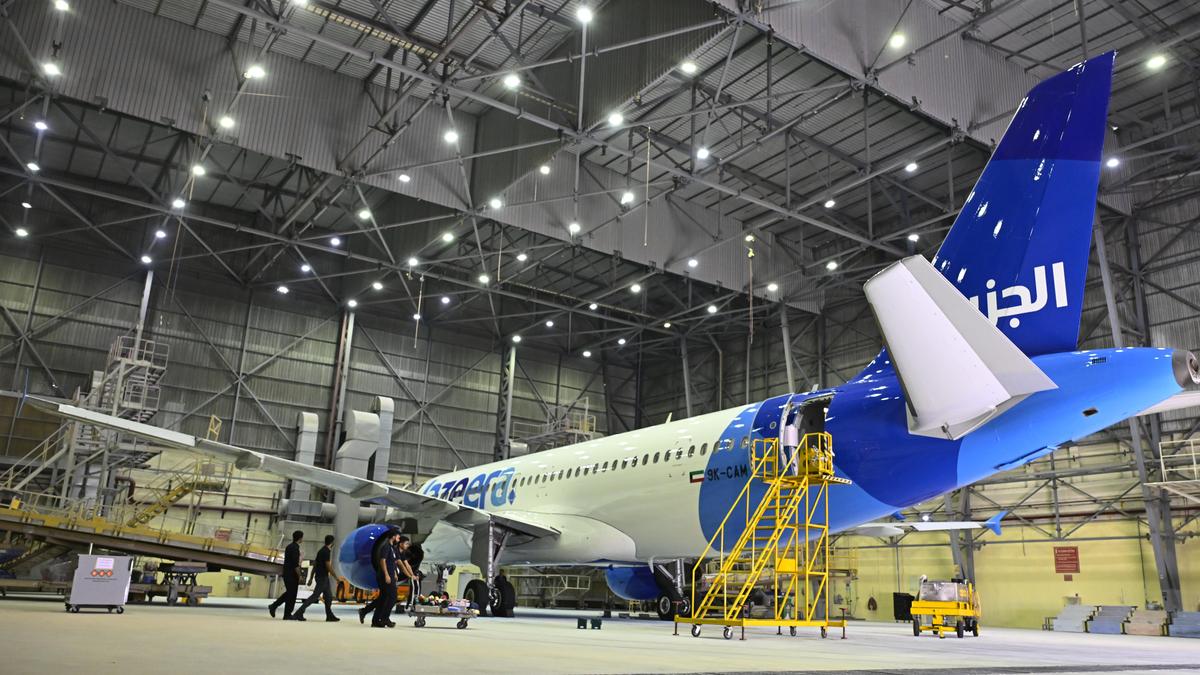
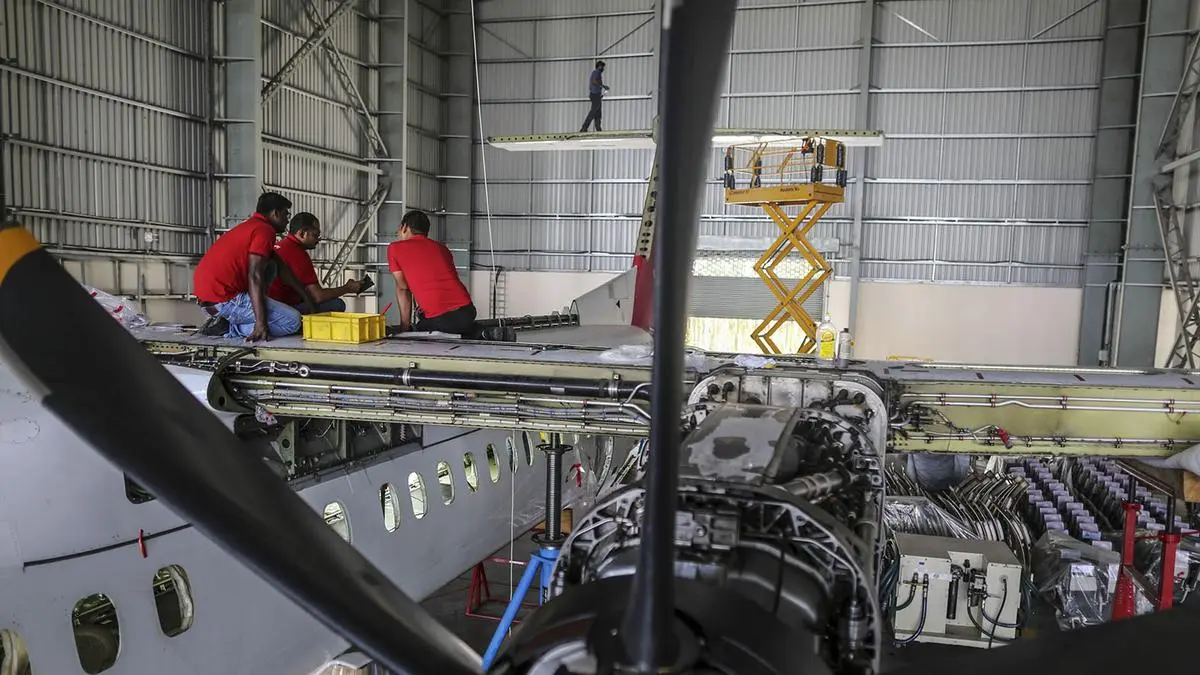
India is one of the fastest-growing aviation markets in the world, and the numbers tell a story of extraordinary scale. Indian carriers have collectively placed orders for over 1,500 new commercial aircraft. The carriers generated over 800 commercial engine shop visits in 2024. That number will approach 2,000 by 2030 as the narrow-body fleet powered by LEAP (leading-edge aviation propulsion) and GTF (geared turbofan) engines matures into its first heavy maintenance cycles, and could reach 4,000 annually by 2040 as the full order book enters service, according to Aviation Week’s AWIN MRO Forecast.Today, nearly 100 per cent of that work and revenue flows overseas. Indian engines travel abroad for overhauls. But the gap is not simply about engine shops. It is about the entire repair ecosystem behind each shop. In the world’s most mature MRO (maintenance, repair and operations) ecosystems, 80 per cent or more of engine component repairs, including airfoils, combustor liners, fuel nozzles and non-destructive testing (NDT), are resolved locally. In India, that figure is close to zero.Every specialised repair that cannot be done domestically entails transit time, logistics cost and foreign exchange outflow, even when the engine itself is being processed in an Indian shop. Solving this ecosystem problem is the most consequential opportunity in Indian aviation today.India needs an integrated industrial cluster, anchored by engine MRO joint ventures, because concentration creates compound value. When an engine shop, a blade coating facility, an NDT lab, a precision machining shop and an MRO training school occupy the same industrial zone, the effect is multiplicative, with faster turnaround, lower logistics cost, shared utilities and infrastructure, and a talent pool that deepens with every new entrant.The cluster strategy requires a deliberate sequencing of investment: First, anchor the zone with an engine shop partnered with an original equipment manufacturer (OEM), and then widen the web of OEM-licensed joint ventures, each targeting a specific layer of the component repair chain.Talent pipelineWorkforce constraint is a factor that no amount of capital can bypass. An engine overhaul shop runs on certified technicians with specific type of ratings, which are OEM-approved and built over years of supervised practice. India needs these at scale, through OEM-operated training schools, OEM-MRO partnerships with local polytechnics offering final immersion at engine shops, and reskilling engineers from adjacent industries like defence and automotive. The talent pipeline is also the retention pipeline: An engineer trained, type-rated, employed and competitively paid within India is far less likely to emigrate.Indian MRO facilities face duplicated approval costs and are structurally limited in their ability to service foreign-registered and leased aircraft. The lessor landscape adds a further challenge as nearly 80 per cent of India’s civil fleet is on sale-and-leaseback.An overdue bilateral agreement with the European Union Aviation Safety Agency would open India’s MRO facilities to the global maintenance market, not just the domestic one.India’s engine MRO demand is compounding faster than capacity can be built, yet the foundational ingredients for a world-class ecosystem are already in place. The fleet scale is here and growing faster than any comparable market, the engineering talent base is deep, and the policy direction is positive. French multinational aerospace corporation Safran’s LEAP facility in Hyderabad, alongside a co-located training facility, is the catalyst. Every OEM conversation and policy decision that follows should answer one question: Does it keep 80 per cent of engine repair value on Indian soil?