Unbridled trade is now a thing of the past because China plays a beggar thy neighbour game
| Photo Credit:
NiAk Stock
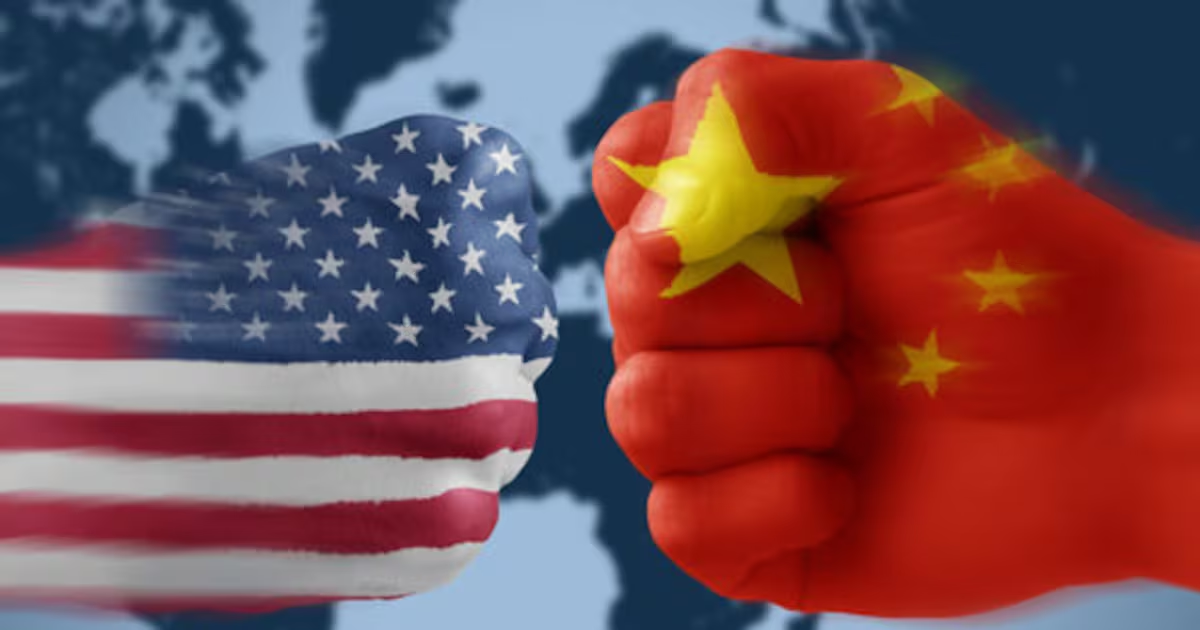
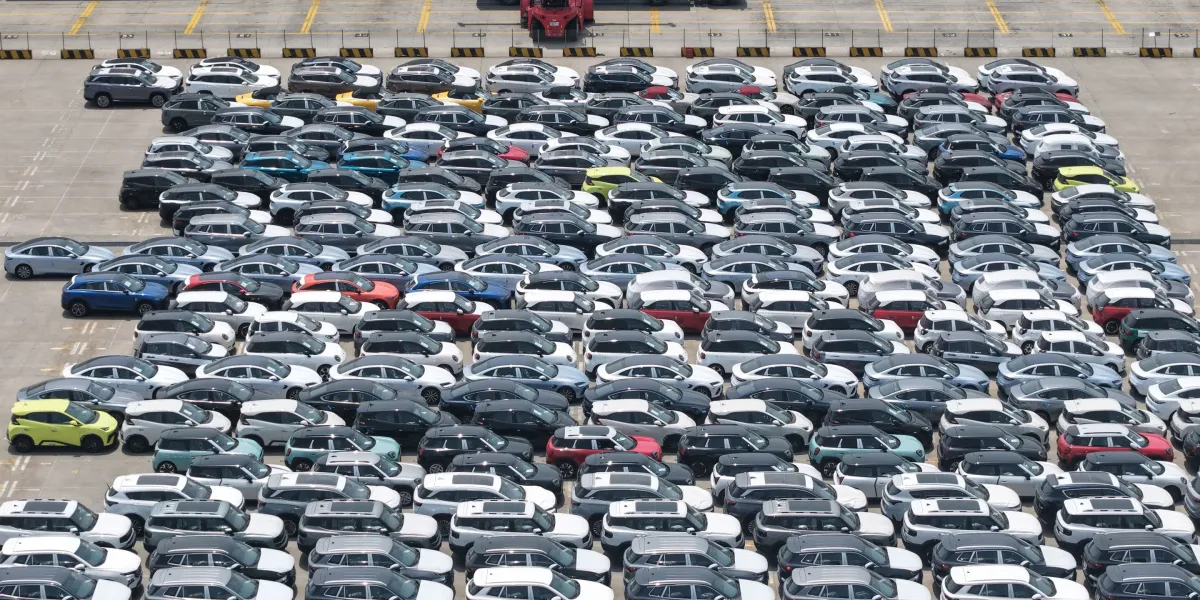
From 1950 to 2025 it was an article of faith that the more a country traded, the more prosperous it would become. And this was proved to be rightBut according to a recent IMF publication, that belief has now been severely dented. The article is by a former member of the White House Council of Economic Advisers who says “the world is now reevaluating the role of economic interconnectedness in global affairs, mindful that more interconnection means more dependencies that adversarial nations can leverage to get their way in other areas of international relations”.Other US officials have also said this. Unbridled trade is now a thing of the past because China plays a beggar thy neighbour game.In other words, it is trade versus national security now. The more you trade, the more at risk your national security is. Ergo, countries have to choose a trade-off between the two.But can they? Aren’t these trade-offs available only to large manufacturing economies whose domestic markets are also very large? So if you don’t have a large domestic market, you willy-nilly have to trade or provide financial services to the rest of the world, revenues from which offset the disadvantages of small market size.Of the global GDP of $126 trillion, the US is at $33 trillion, the EU is at $23 trillion and China is at $21 trillion. These three belong to the first category. Their domestic markets are large, as are their economic capabilities.Switzerland and Singapore belong to the second category — very small domestic market but massive suppliers of financial services globally.All other countries are neither here nor there. They have small domestic markets and/or their economies are not large. So they have to trade because they don’t have a choice.Or rather they do have the choice of trading amongst themselves, which leaves them worse off in a large variety of ways.The currency problemAnd that brings up another problem: in what currency do they settle their bills? At present the preferred currency is the dollar which, in terms of deterrence, has become the financial equivalent of a nuclear weapon.In a few decades some other currency may replace the dollar and will enjoy the same advantages and benefits.Thus if you are small either in market size or producing capacities, you are screwed. The country that supplies the reserve currency can deprive you of it. Ask Iran and Russia.And this raises another difficulty for them. How will they earn enough dollars if they increase the proportion of trade amongst themselves? Ever thought of that?This is not a new problem, however. Sixty years ago everyone had been ecstatic over the dollar alternative for smaller economies, the Special Drawing Rights. But that was a stillborn initiative.But while there’s no real alternative to the dollar yet, the US, which is the only producer of dollars, also has a circle to square: if it wants the dollar to remain the global reserve currency (so that it can threaten other countries), it must agree to run massive trade deficits. It can’t have trade surpluses and still be the provider of a global reserve currency.This is the precise problem that China faces today. It wants the renminbi to displace the dollar and still run trade surpluses. But as the Bengalis say, hobe na, dada. Either shut down your factories or forget about using finance as a tool of coercion.So what about India?India, the jolly old darling, is in a category by itself. It is a large country with a small market which isn’t supplied very much by a large industrial base. Nor does it allow the export of financial services by importing money the way Switzerland and Singapore do.But it needs the US for technology and China for goods. However, it’s very reluctant to open up the way China did from 1980 to 2015. We want our cake and eat it too.That reluctance would have mattered if the US and China cared, which they don’t. India’s small market makes it irrelevant. Even if India banned all trade with these two countries it would make no difference to them but we would be in serious trouble.This is the situation in which India is. It will not be the first time. We have always had a low level equilibrium of the sort that had prevailed, hold your breath, for around 1,500 years.Low growth, low profits, low wages, low rents, low inflation, low aspirations, everything low. This is what we seem to love.Published on July 13, 2026