As good as a desktop OS may be, at some point it has to feature accelerated 3D graphics. This has been a bit of a sticking point for Haiku OS, as none of the big names in GPU cards are likely to start putting out drivers for this OS any time soon. Fortunately there is the Linux open source driver code from Nvidia that can be used as a jumping-off point for a port, which is what [X512] and the community did over at the Haiku forums did over the course of more than a year.
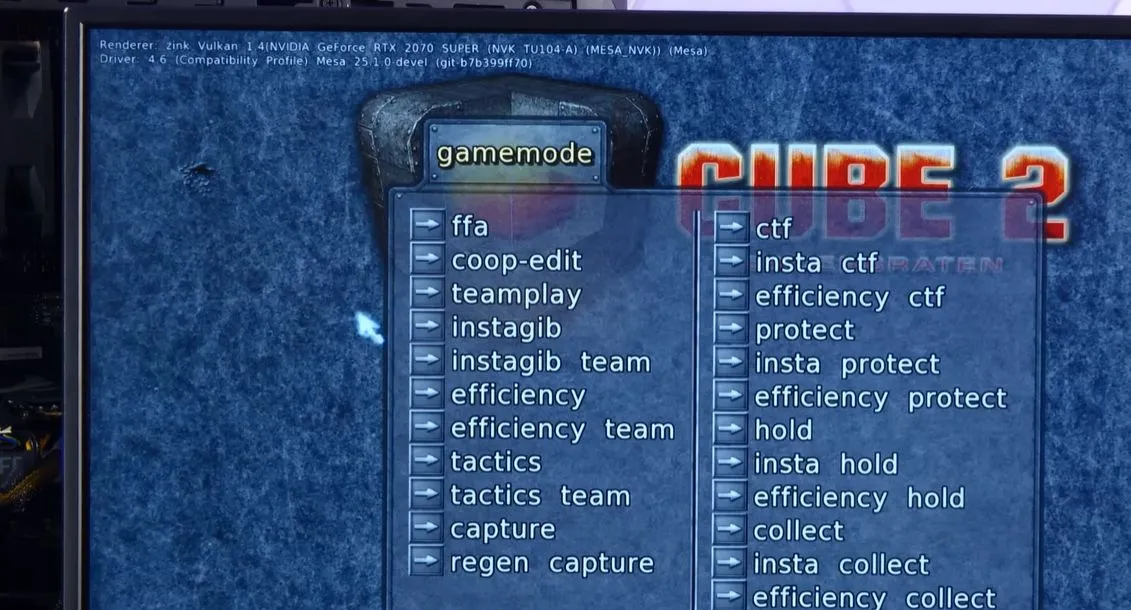
In a recent video [Action Retro] takes a poke at the fruits of these efforts, trying out the driver with an RTX2070 Super GPU. Of note is that this driver requires the GSP (GPU System Processor) controller that got added by Nvidia with the Turing series of GPUs, meaning that you need at least a GTX16 or RTX20 series card.
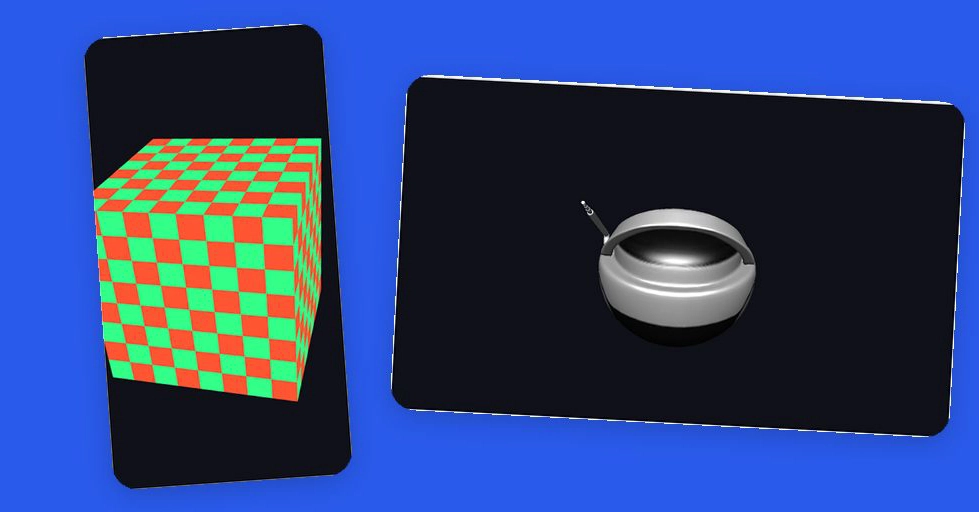
You can get an installation package from the GitHub repository, such as for the v0.0.2 pre-release that was created in January of 2026. In this pre-release state quite a few things are working, with the ability to play 3D games at a reasonable FPS being the biggest improvement over plain VESA mode. Features like CUDA are not available as they’re not in the open sourced section, of course.
In the [Action Retro] video the whole installation process is demonstrated, starting with a fresh nightly Haiku build. First the gaming performance in software-rendered VESA mode is demonstrated before the GPU driver is installed. This shows a marked improvement in performance, although Minecraft needs to be updated for the newest Mesa library that omits OSMesa, so that couldn’t be tested. Overall it shows that Haiku has made another massive leap forward in becoming a viable daily driver OS.