What doesn’t innovate almost certainly becomes irrelevant, and this holds true for the reality TV shows in India. The genre has two refreshing challengers to Bigg Boss, which has dominated the unscripted television space for 19 years now in a rather templatised fashion.
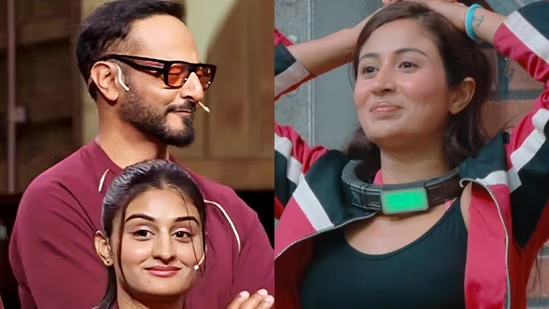
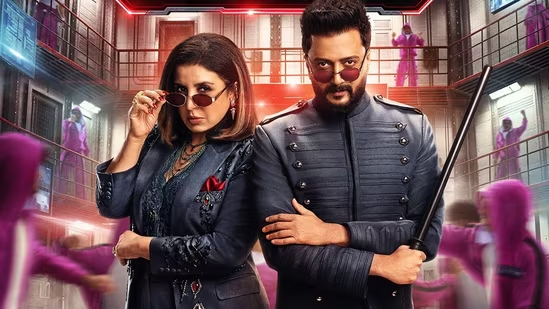
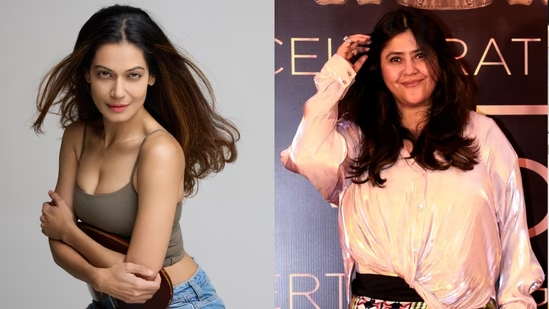
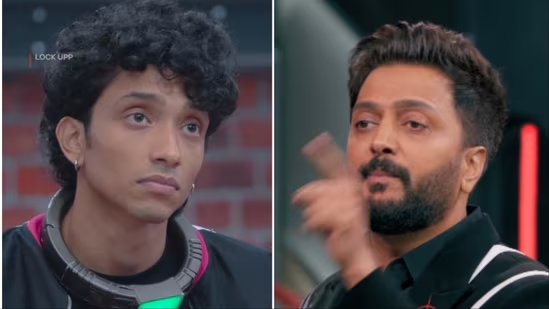
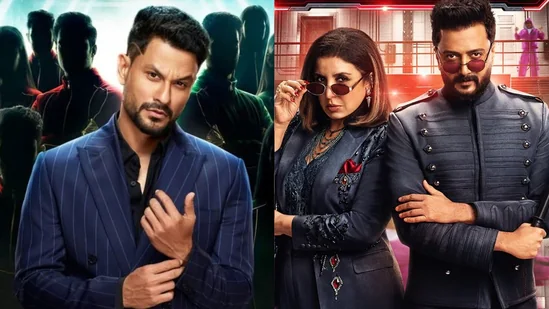
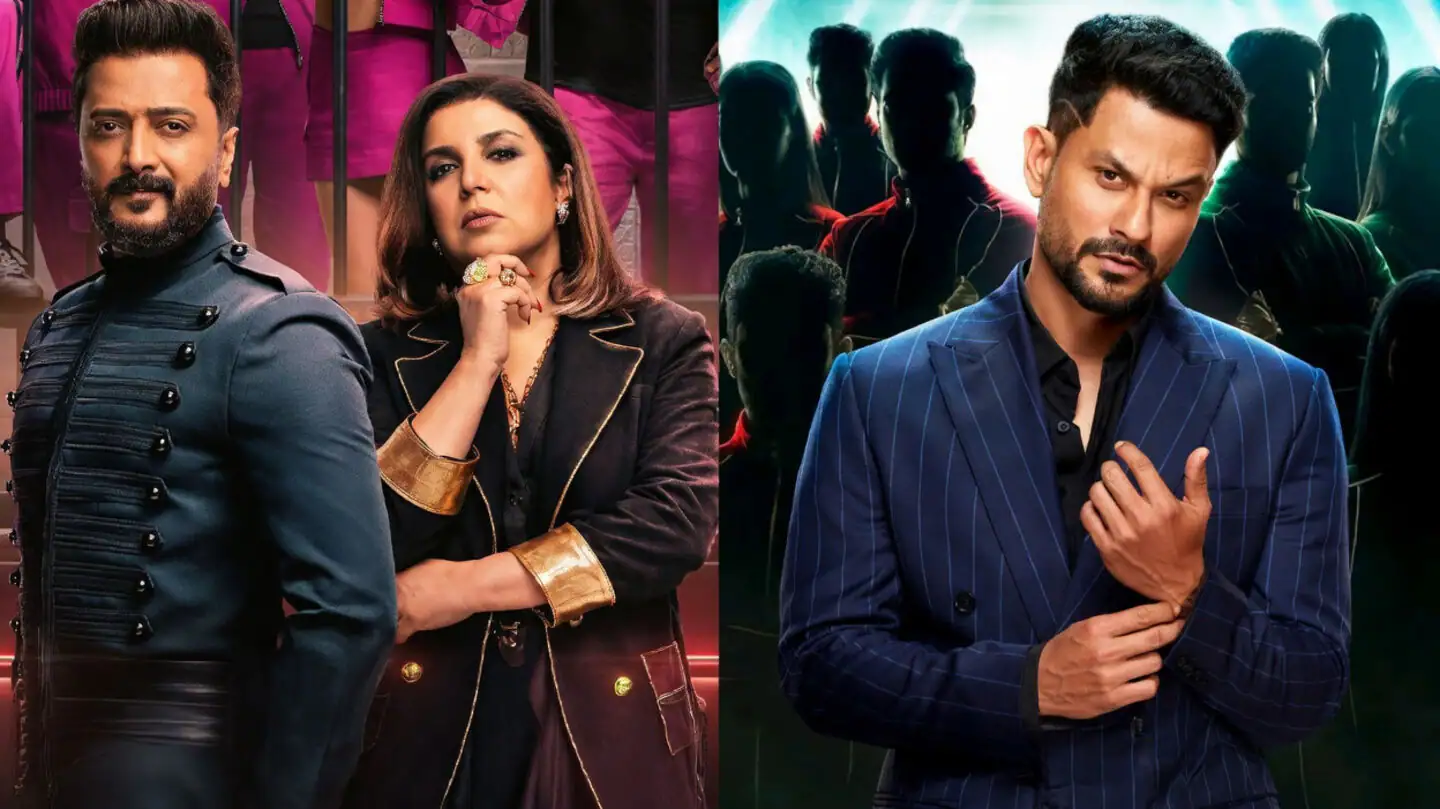
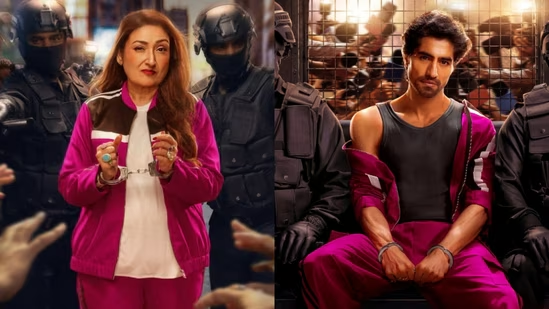
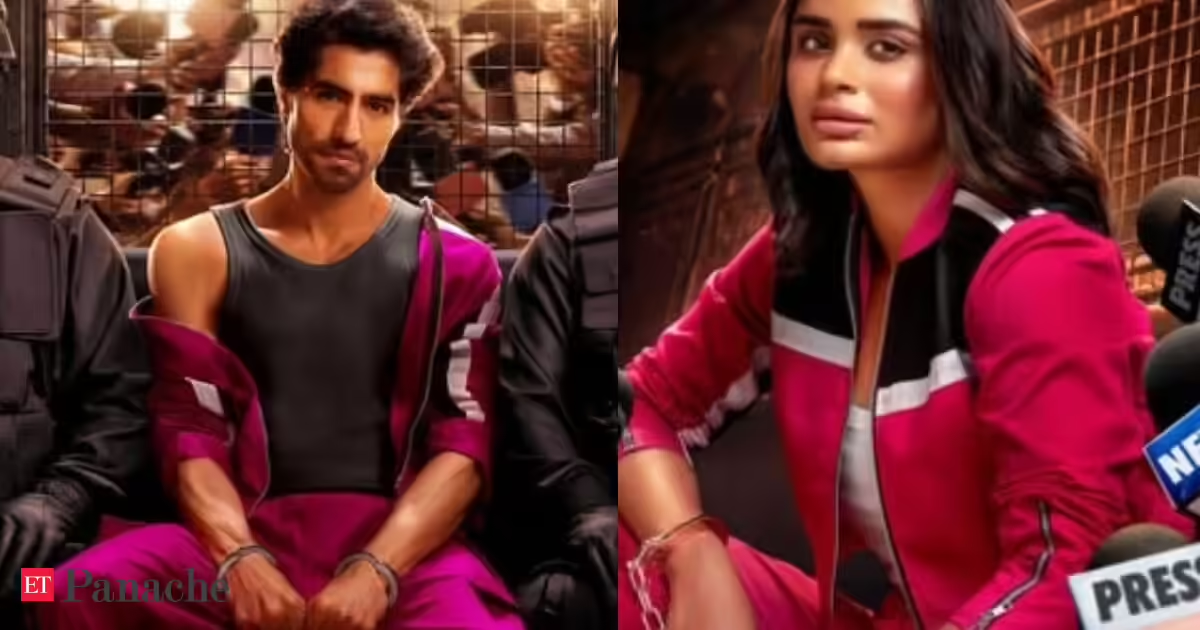
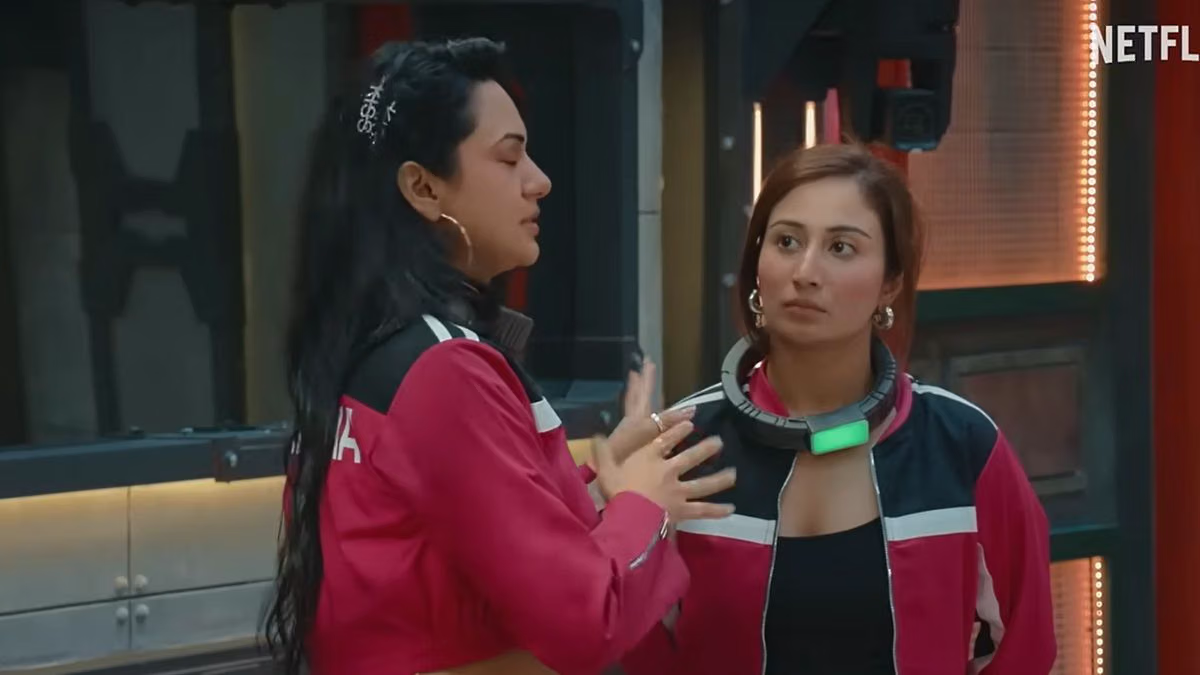
The first one is Lock Upp, hosted by actor Ritesh Deshmukh and filmmaker-choreographer and popular YouTuber Farah Khan. The second season of Ekta Kapoor’s reality show has come after four years in a fresh new avatar. And boy has it made headlines.Then there is Alliance, with Kunal Kemmu and ‘System’ debuting as hosts. Unlike the staccato voice in Bigg Boss, System is a lazily named computer screen that tells the contestants what to do.
Both Lock Upp and Alliance have ditched traditional TV channels and chosen the OTT space for release. Instead of dropping the episodes all at once, new episodes drop daily, keeping the audiences hungry for more.And though the new entrants have the fundamental requirements of a quintessential reality TV show—controversy-courting celebrities competing in a contest for survival—they have not shied away from experimenting. For the past many years, reality television in India has been feeding the same old formula to new faces year after year. It was starting to feel like white noise that plays in the background as we doomscroll. The last time Bigg Boss had a viral moment was 15 years ago, when Pooja Misrra’s behaviour was immortalised in a meme. And not only Bigg Boss, but other reality series such as Roadies and Splitsvilla have lost their loyal audience.Lock Upp and Alliance were needed to jolt the flagbearers of Indian reality TV to reinvent their shows and keep up with the times. These shows try out bold new themes, debate on current topics, and devise clever challenges to push contestants to their psychological, if not physical, limits.An interesting social experiment