July 12, 2026 / 12:36 PM EDT
/ CBS News
Add CBS News on Google
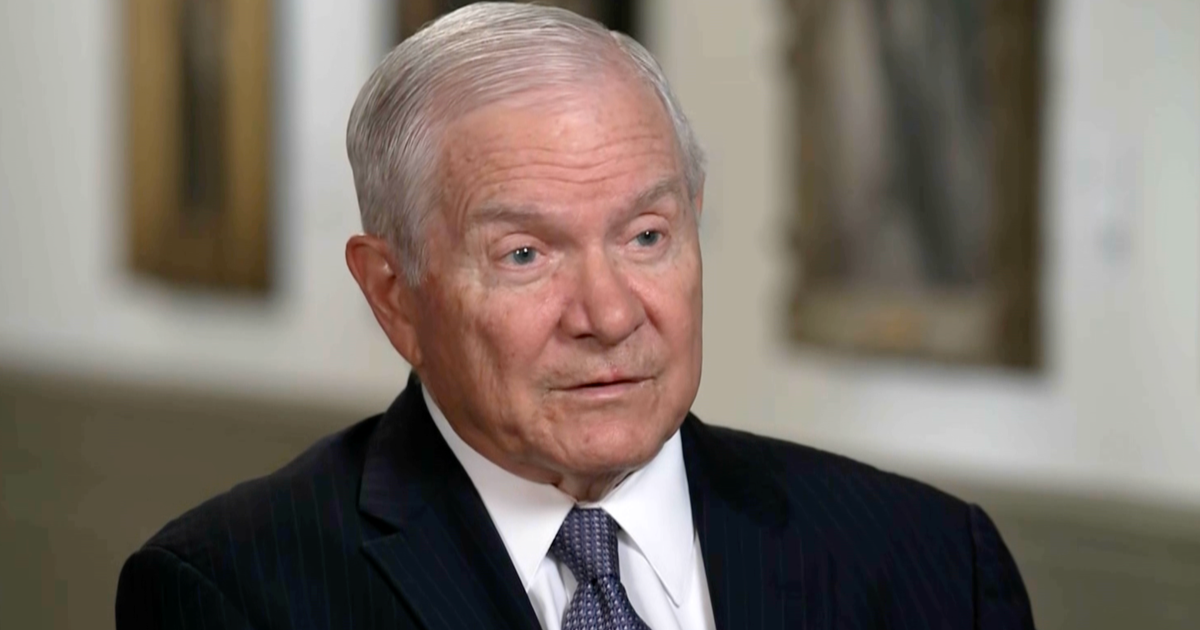
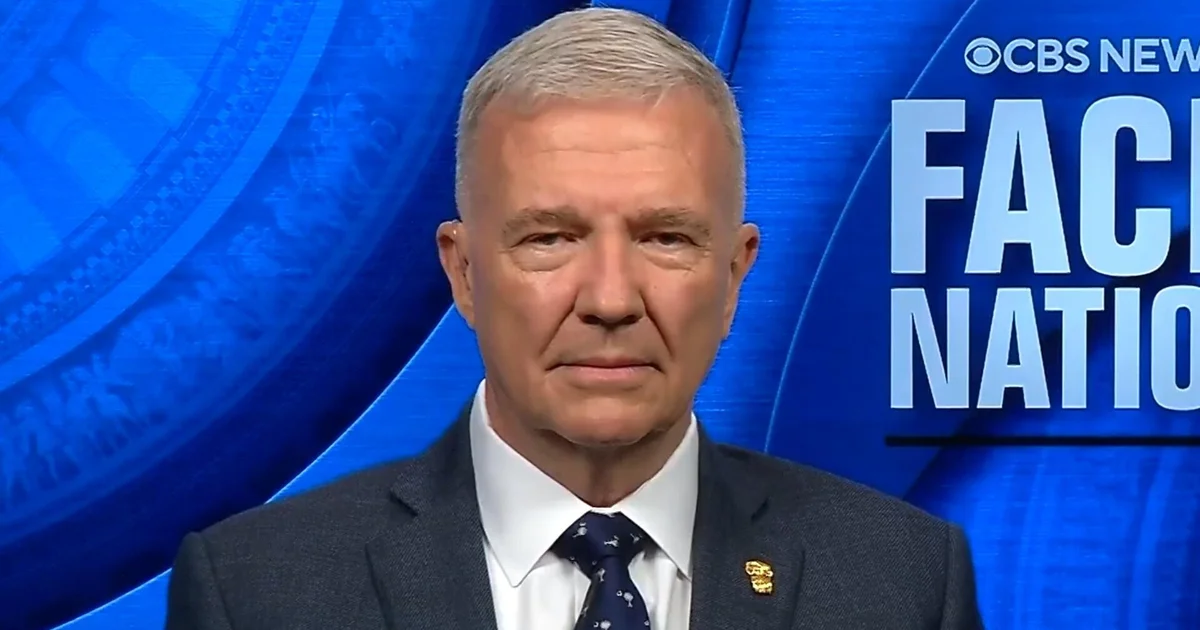
The following is the transcript of an interview with retired Gen. Frank McKenzie, former commander of U.S. Central Command and president of The Citadel, that aired on "Face the Nation with Margaret Brennan" on July 12, 2026.MARGARET BRENNAN: We go now to the former commander of the U.S. Central Command, retired General Frank McKenzie. General, welcome back. You know, I was just looking back at my last conversation on Face the Nation with Lindsey Graham, and the senator said, "If this deal fails, President Trump is going to take the Strait of Hormuz over by force. The U.S. will control the Strait of Hormuz." That was three weeks ago. How does the United States end up controlling the Strait of Hormuz?GENERAL FRANK MCKENZIE: Well, Margaret, we certainly have the capability to control the Strait of Hormuz if the president chooses to follow that course of action. Look, what he's been trying to do is get to a diplomatic and a political solution here, which I applaud, and I think we should all want to see as the final end state. Nonetheless, the fact of the matter is the Iranians generally only respond to military force and to extreme pressure. Look, we're not talking about regime change here. What we're talking about is modifying the- the views and actions of an extreme hardli- hardline regime, that is possible. We have the capability to do that. That capability is resident in the U.S. military should the president elect to employ it. That would include opening the Strait of Hormuz, maintaining the Strait of Hormuz open, and in fact, seizing Kharg Island, should we elect to do that. And I would just say, as an aside, that's something we should think about doing because possession of Iranian soil would be a significant factor in future negotiations with Iran. So all those options are on the table. I'm not sure where we're going to go with this, but I do know we have these capabilities.MARGARET BRENNAN: We have those capabilities, but the president has made clear he- he kind of just wants a- he wants a deal here. How do you explain to the layperson when the president says we control the Strait of Hormuz, but then CENTCOM says military forces are positioned to ensure freedom of navigation, which makes it sound it isn't exactly free-flowing traffic here?GEN. MCKENZIE: No, it's not right now because we have not deployed all the capabilities that we have to open the Strait. We certainly can do that. It would require putting warships up into narrow waters. Look, the U.S. Navy doesn't love to do that, but they're very good at it, and if necessary, they can do it, and they can do it well. You got to go back to the basic principle of Iranian statecraft, which is regime preservation. If you want to gain concessions from Iran, you have to directly pressure the regime, and you have to do so in a way that perhaps is existential to them. We have those capabilities should the president choose to go that way.MARGARET BRENNAN: Do those capabilities in- need to involve ground troops? And have you been at all surprised by the amount of pain that it appears the Iranian leadership is willing to take on here, while turning down all the financial incentives the Trump administration is offering them?GEN. MCKENZIE: Margaret, given the history of Iran- Iran and their negotiation posture- negotiating posture over many years, I'm not surprised at all by- by the current Iranian posture. A former CENTCOM commander once said, "You know, Iran has never met a war they could win or a negotiation they could lose." And that's very true. What Iran wants to do is extend negotiations in time, arguing about the size of the table, who's in the room, the font on the document, everything about- except the core issues. We need to recognize that, and we need to be prepared to pressure Iran to negotiate on the real germane issues. And by that, I mean opening the Strait of Hormuz, some movement on ballistic missiles, some movement on support for proxies. All those things are capable- we are capable of getting some form of movement on all those things. We just have to be willing to put pressure on Iran in order to achieve those goals.