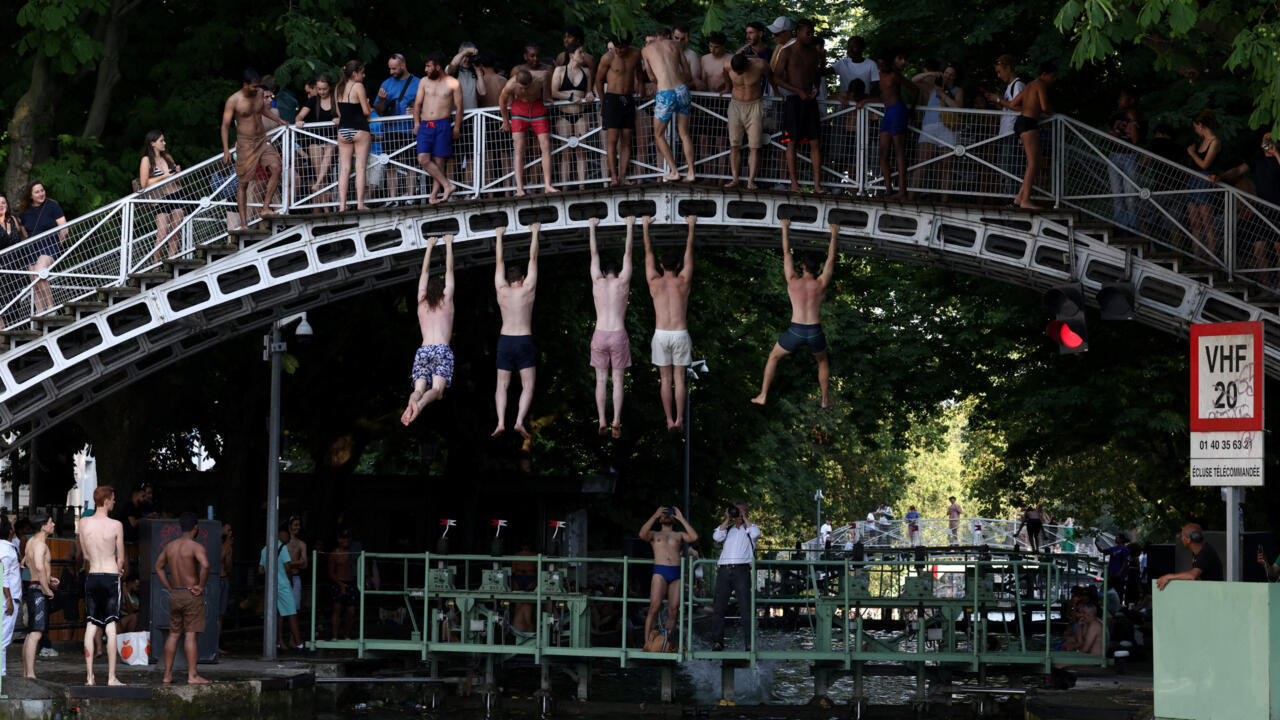
France's June heatwave saw temperatures in Paris hit 41C, the same average as Dubai. Experts now say that, in order to adapt to climate change, the country will have difficult choices to make when it comes to its famed lifestyle.
Issued on: 12/07/2026 - 17:52
4 min Reading time
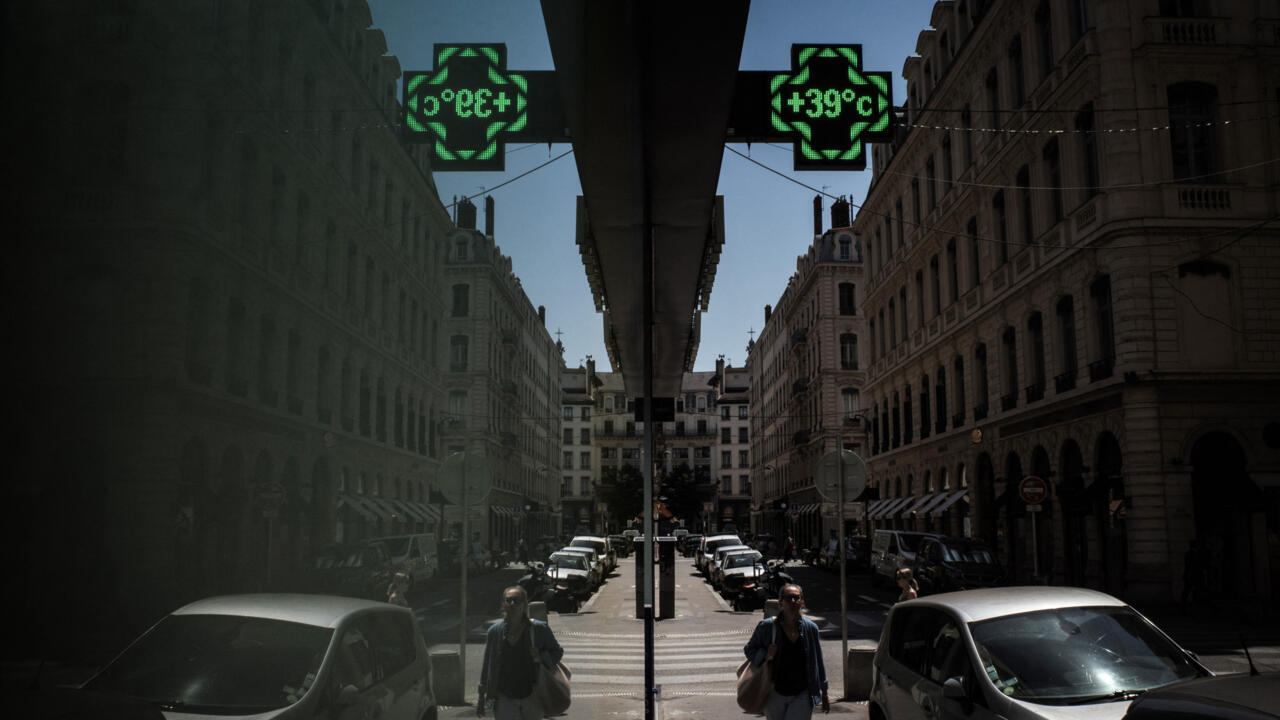
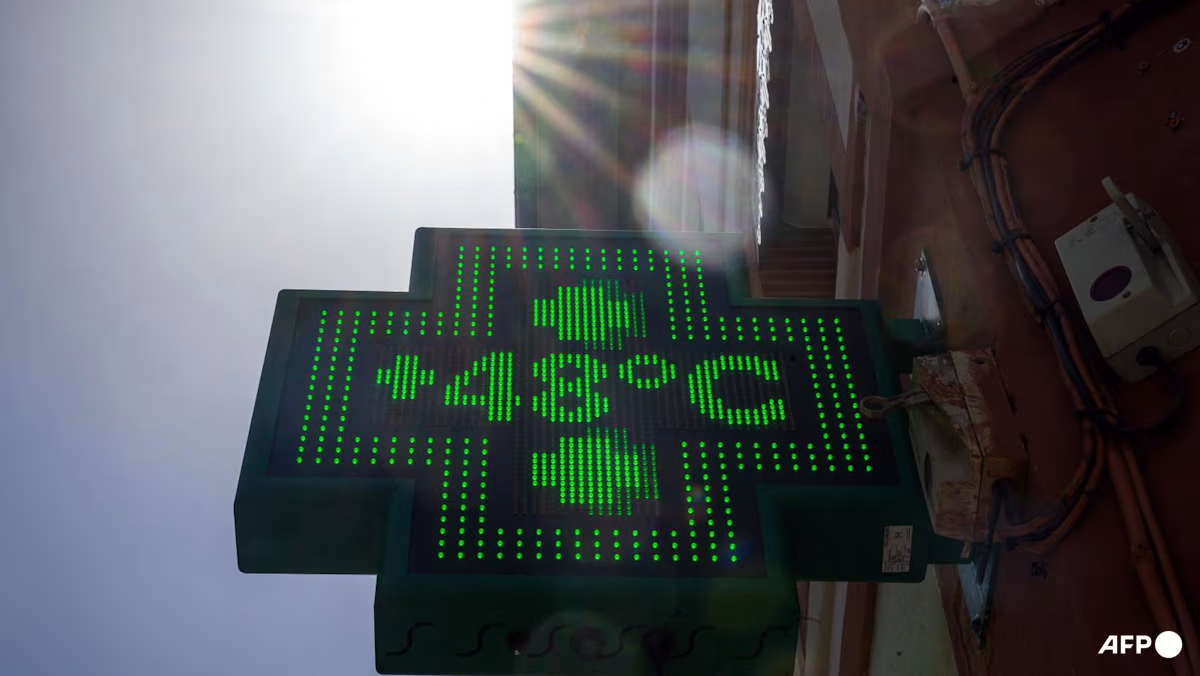
France's late June heatwave broke temperature records across the country. Paris reached 41C for the first time, while Bordeaux hit 43C – the same temperature as Baghdad. A record 72 of France's 96 mainland departments were placed on red alert. The previous record was 20 departments at once. "Everybody last week in France was hot and that's very new," says Antoine Poincaré, a climate risk expert and head of the Apave Climate School. "When there's a flood, it may be a huge event, but it maybe only impacts the north of France and 80 percent don't see the impact. [Now] everybody gets it at the same time." France's health authority estimates that more than 2,000 additional heat-related deaths were registered from 22 to 29 June, the majority over the age of 65. France reports sharp rise in deaths after record June heatwave 'We have to politicise climate change' "Paris last year was the average temperature of Montpellier [in the south of France] in the 1980s," Poincaré said. "So the climate has slipped by around 600km in 40 years. And it's still accelerating." New infrastructure in France is now built following sub-Mediterranean standards, he says, highlighting that air conditioning on trains follows the technical constraints used in southern Morocco in the 2000s. Climatologist Christophe Cassou said the extreme temperatures were not a surprise to scientists, even if they had reached record levels. "The question is not whether we will reach 50 degrees," Cassou told French public television. "It's when." Rather than treating extreme heat as unavoidable, he said, France needs to accept responsibility. "We have to politicise climate change." Poincaré agrees there's a political element to France's current predicament. "We are in this situation because we weren't able to make drastic cuts to our CO2 emissions, so we need to act on the causes," he says. He added that France must also recognise that "we are not all impacted in the same way by heatwaves" – noting that those most affected are people on low incomes, with poorly insulated homes and those who work outdoors. "That idea is very important because we talk a lot about natural catastrophes, but the consequences of those catastrophes are not at all natural. They reach the most vulnerable, and we need to protect them." Listen to Antoine Poincaré on the Spotlight on France podcast: