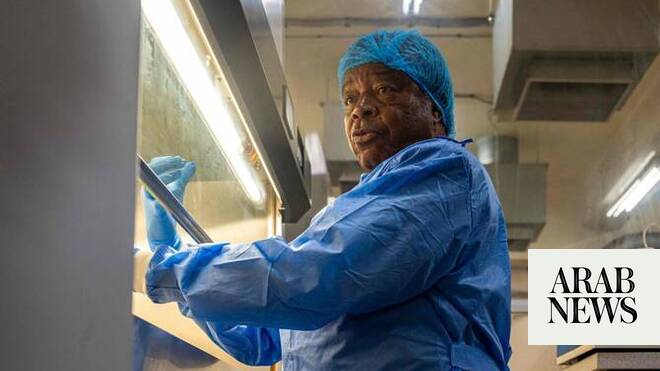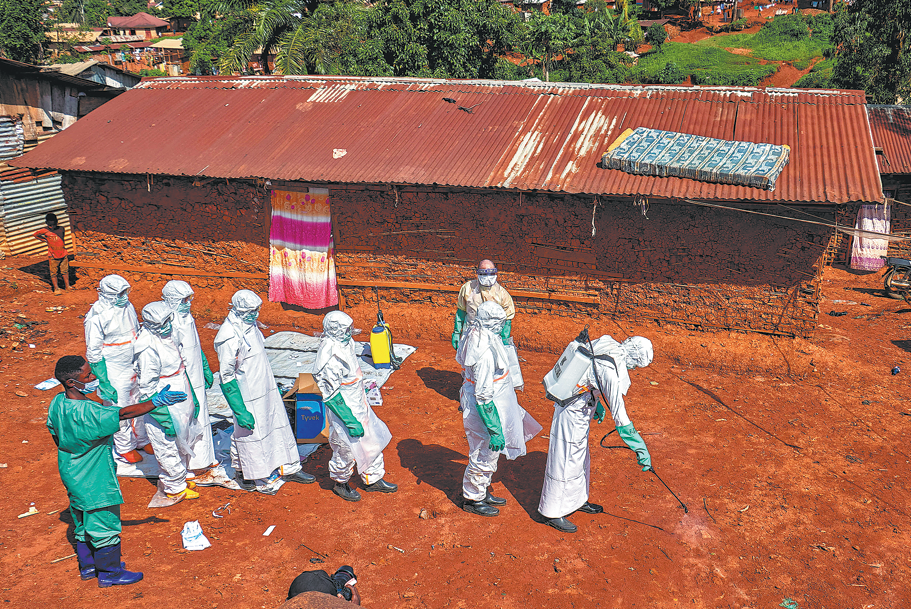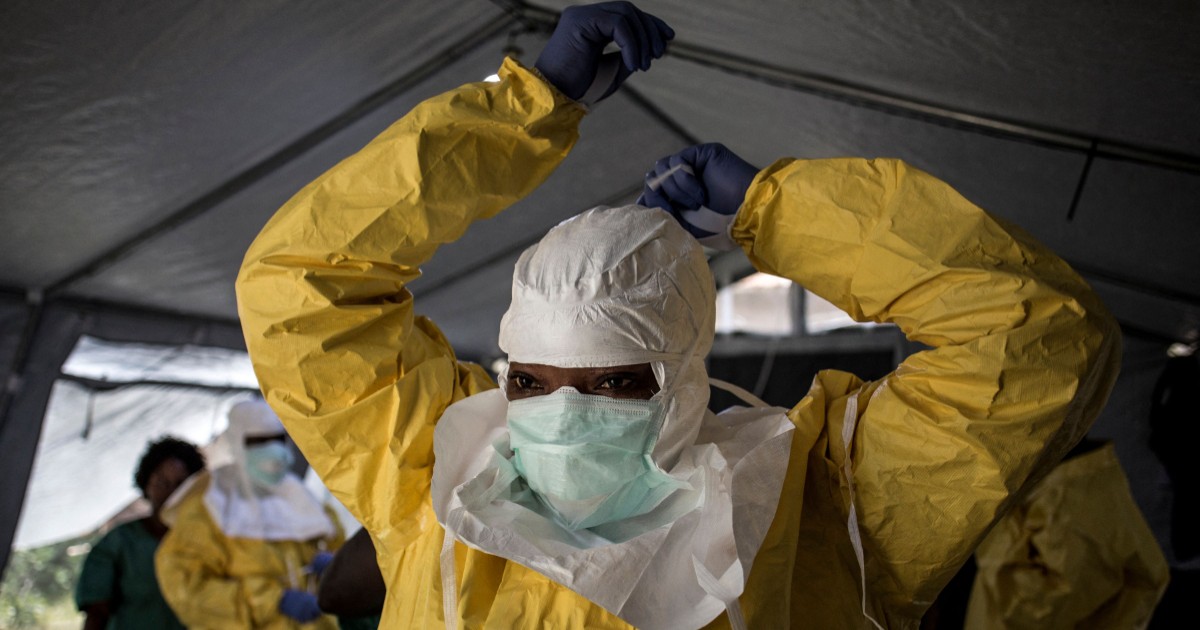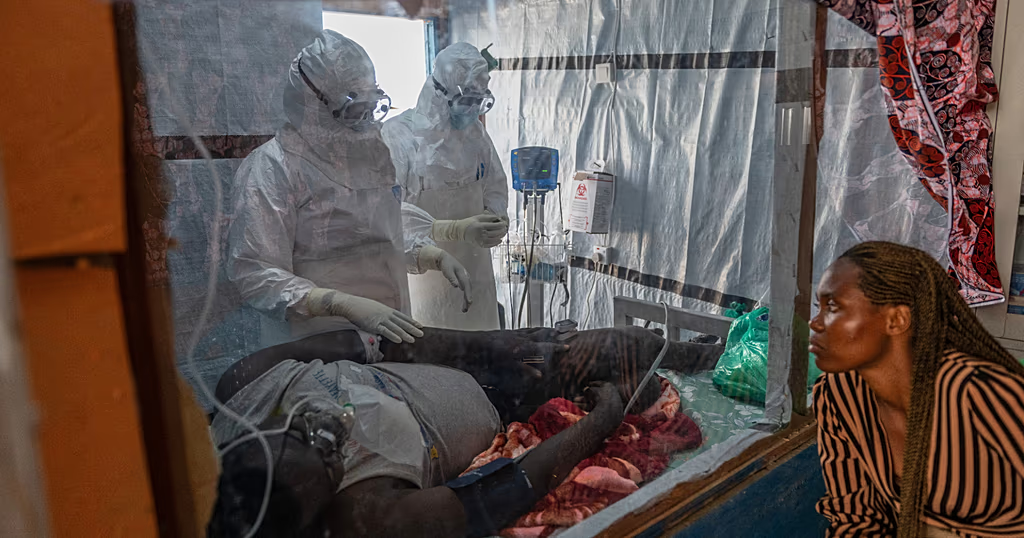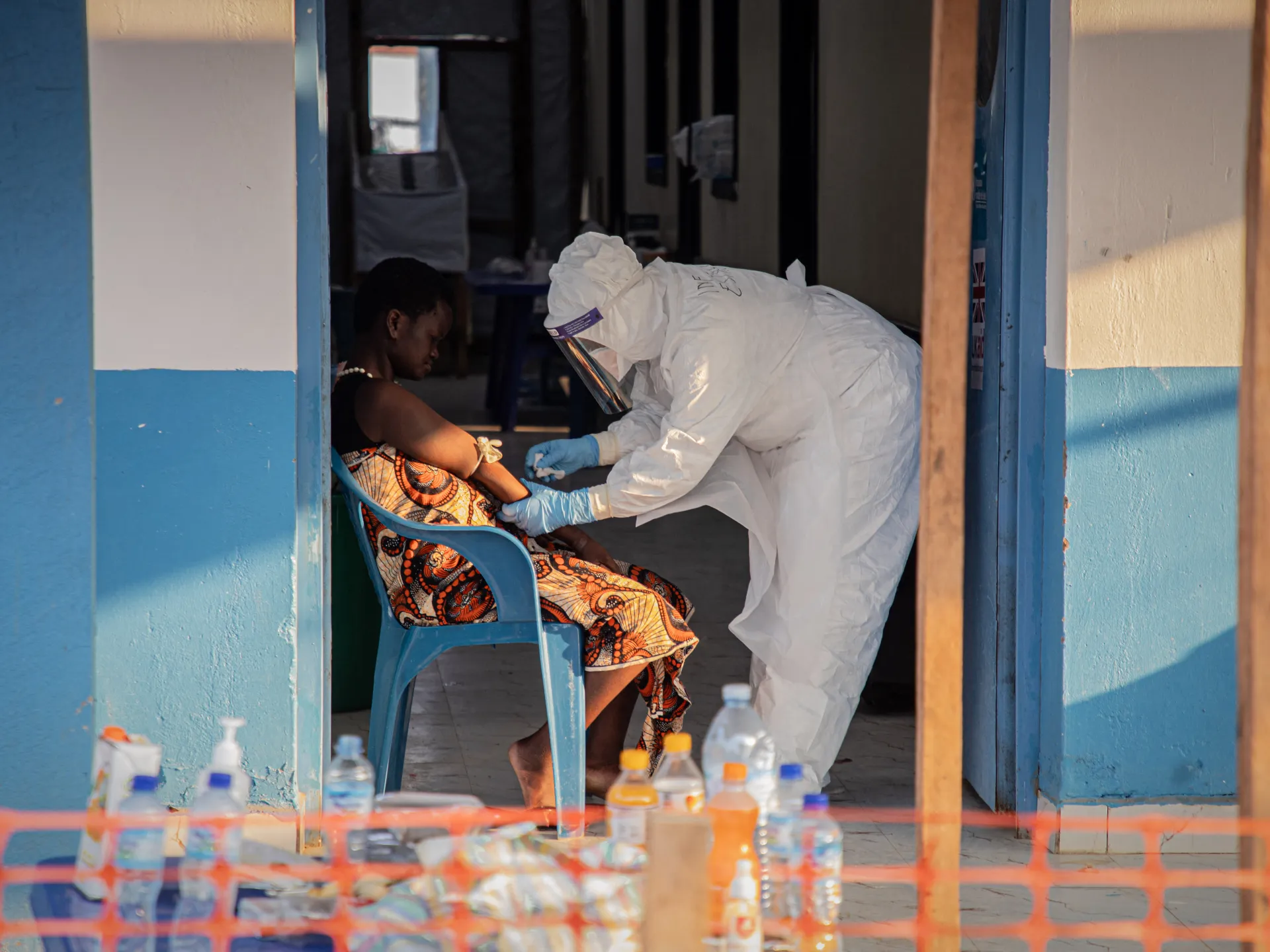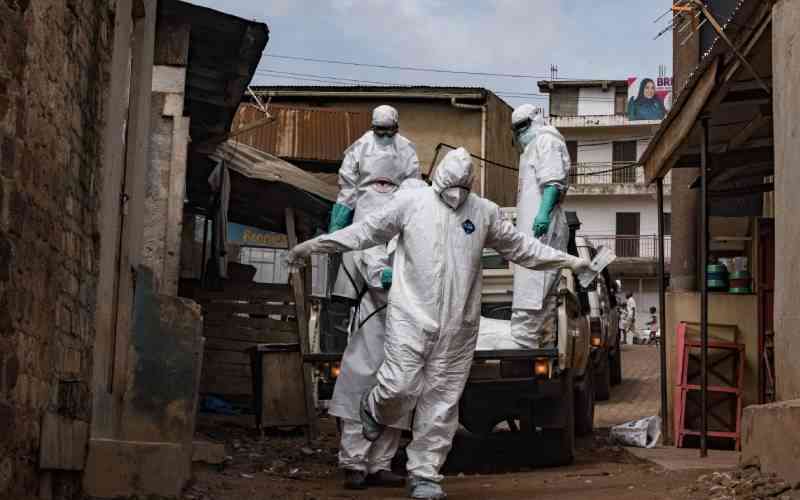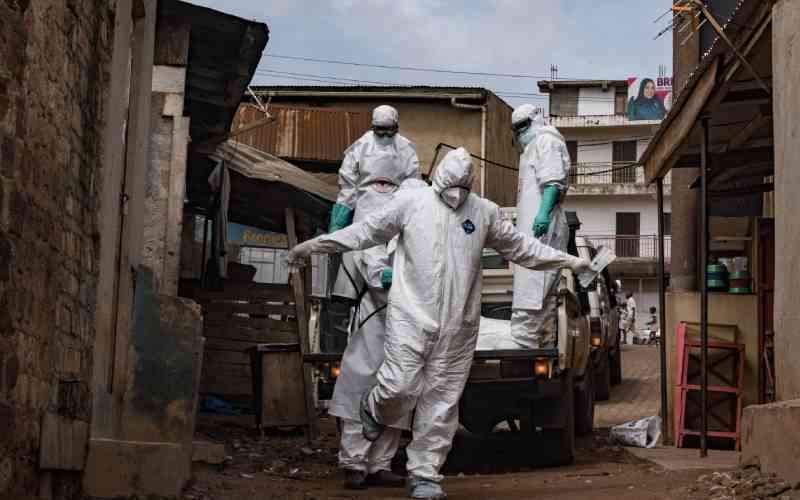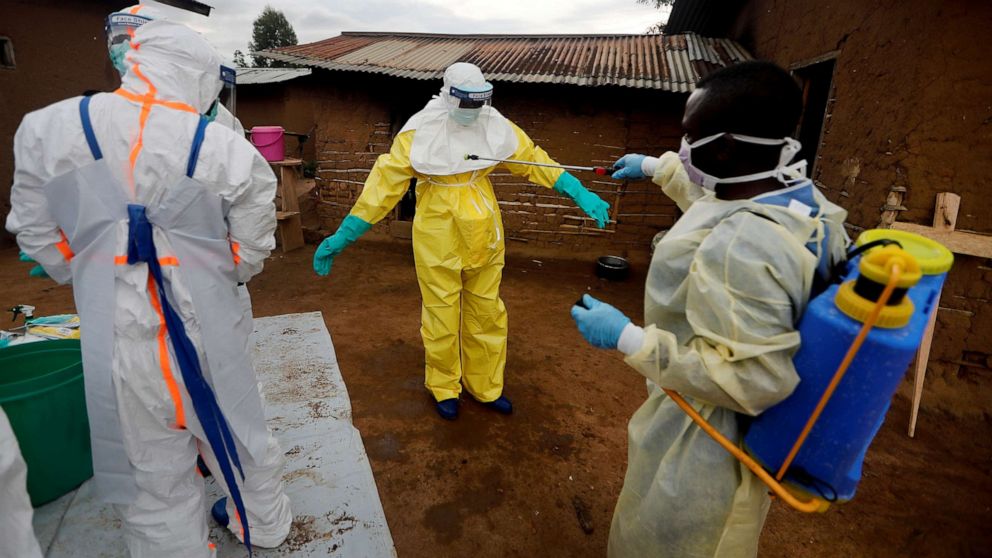
The Bundibugyo Ebola outbreak in the Democratic Republic of the Congo (DRC) and Uganda presents an urgent public health and development challenge for the Great Lakes region. Although smaller so far than the 2014-2016 West Africa Ebola epidemic, history shows how quickly localised outbreaks can escalate when containment is delayed, and health systems are strained.
The immediate policy priority is containment. Failure to control transmission would not only increase mortality but also impose high economic costs through reduced productivity, heightened fiscal burdens and disruptions to trade, investment and development.
As of 7 July, the DRC had reported 1 759 confirmed cases and 600 confirmed Ebolarelated deaths, while Uganda reported 20 confirmed cases and two deaths.
Mortality figures should be interpreted cautiously due to possible under-reporting in remote areas.
No confirmed cases have been reported in neighbouring Rwanda or Burundi. Both countries have, nevertheless, heightened surveillance and preparedness given the extended connections with eastern DRC, especially through the Goma-Rubavu border crossing.