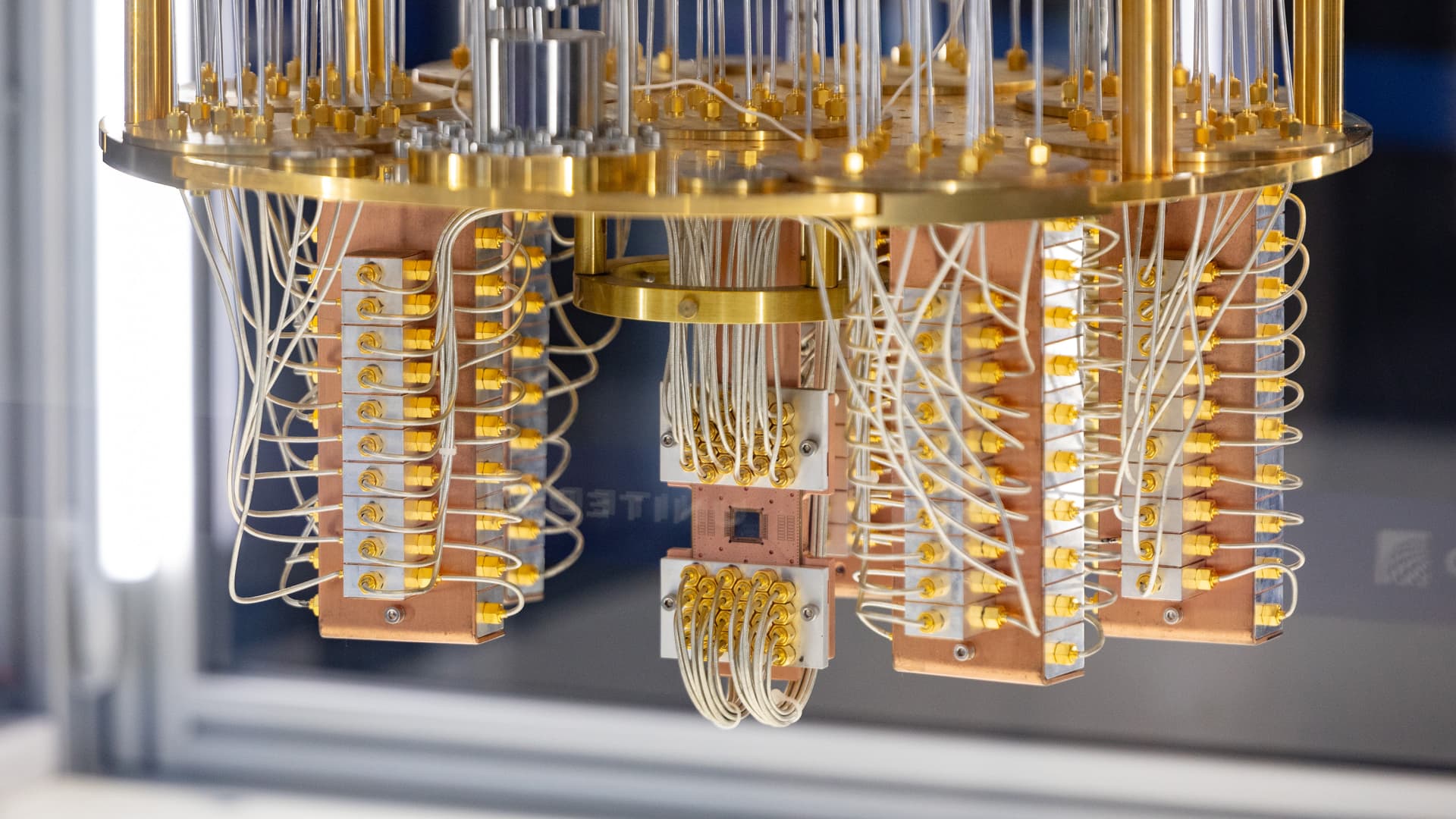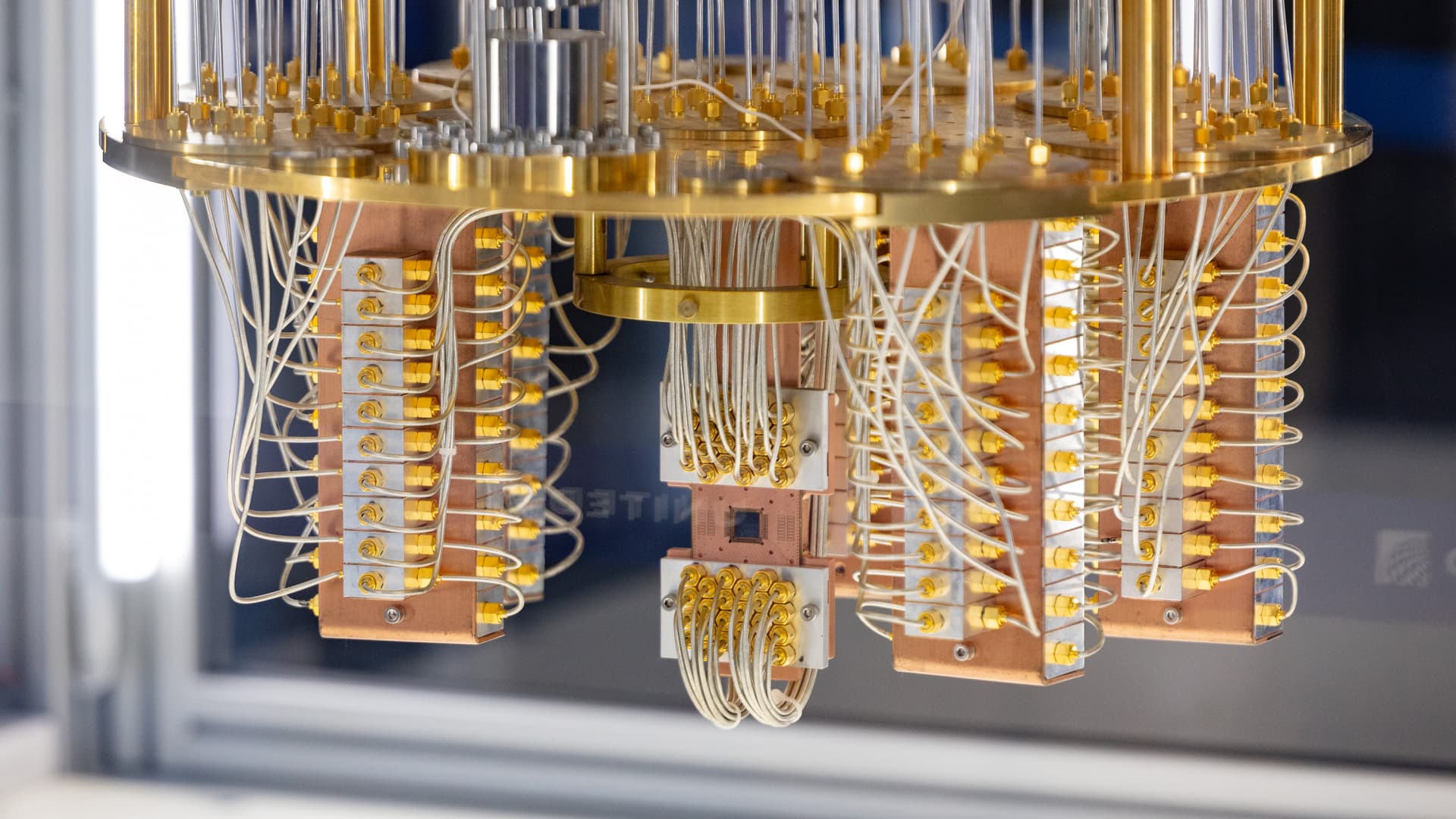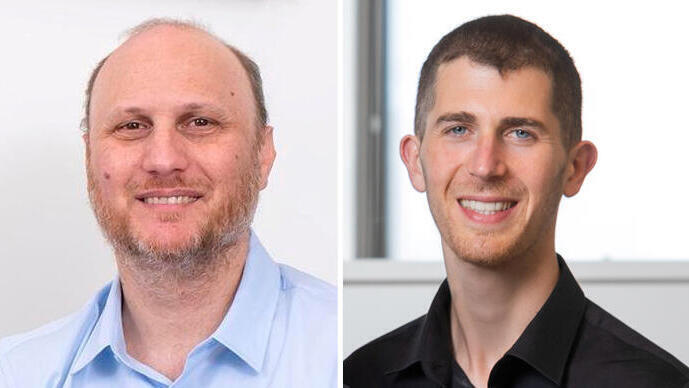
The Israeli companies are negotiating advanced SPAC mergers as investors pour money into quantum computing, with Quantum Art potentially becoming the country’s first publicly traded quantum firm by the end of 2026Sophie Shulman, Calcalist|Two Israeli quantum-computing companies, Quantum Art and Classiq, are in advanced negotiations to go public on Wall Street through mergers with special purpose acquisition companies, according to information obtained by Calcalist.The central issue in the talks is valuation, with each company expected to seek a value of between $2 billion and $5 billion. Both companies declined to comment.Tal David of Quantum Art and Nir Minerbi of Classiq (Photos: Eyal Toueg, Rami Levy)Industry sources estimate that about 30 SPACs, publicly traded shell companies created to merge with private businesses, are currently looking for quantum-computing targets. Among them is an Israeli SPAC led by entrepreneurs Tom Livne and Eyal Waldman, which recently raised $172 million.Quantum Art, which is developing a full quantum computer based on trapped-ion technology, is believed to be further along in the process. Classiq, meanwhile, has developed a quantum software platform that could become the equivalent of Microsoft Windows for quantum computers, but is still considering another private funding round before going public in an effort to reach Wall Street at a higher valuation.Both companies are already working with investment banks, and a decision is expected within weeks. Quantum Art could become the first Israeli quantum-computing company traded on Wall Street, possibly before the end of 2026.Quantum Art was founded in 2022 and employs about 60 people at its offices in Ness Ziona. Its founders are Dr. Tal David, former head of Israel’s national quantum-computing program and a longtime defense-industry executive; Prof. Roee Ozeri, a vice president at the Weizmann Institute of Science whose research formed the basis for the company; and Dr. Amit Ben-Kish, who completed his doctorate under 2012 Nobel Prize-winning physicist Prof. David Wineland.The company raised $140 million in April, bringing its total funding to about $200 million. Its prominent Israeli shareholders include venture-capital firms Entrée Capital, QBeat, Vertex, StageOne, Disruptive and Amiti Ventures, as well as insurer Harel.Quantum Art is seeking to capitalize on investor enthusiasm for trapped-ion technology, the architecture underlying its quantum computer. Two major companies using similar technology, IonQ and Quantinuum, are valued at about $20 billion each.Quantum Art is not expecting a valuation at that level because it has yet to generate significant revenue, but it hopes to benefit from the favorable market momentum surrounding the technology.Classiq was founded in 2020 by Nir Minerbi and Amir Naveh, graduates of the Israeli military’s elite Talpiot program, together with Dr. Yehuda Naveh, Amir’s father and a former senior member of IBM’s quantum-computing development team.The company develops an operating platform for quantum computers, a field with relatively few competitors. That position could allow Classiq to become an industry standard as quantum hardware becomes more widely adopted.Classiq raised $30 million at the end of 2025, bringing its total funding to about $200 million. Its investors include AMD, Qualcomm, quantum-computing company IonQ and Japan’s SoftBank.The company already works with Nvidia, Microsoft and Amazon Web Services. Its customers include Comcast, BMW, Rolls-Royce, Citi, Toshiba and SoftBank, and its annual revenue is estimated at several tens of millions of dollars.Classiq employs about 100 people, roughly 75 of them in Israel.SPAC mergers have become one of the most prominent trends in quantum computing over the past year. Five startups have gone public through such transactions since the beginning of 2026, while another five are in advanced merger processes.The combined value of the companies that have already listed stands at about $70 billion. Most were valued at between $1 billion and $3 billion, excluding IonQ and Quantinuum.The trend reflects the enormous capital requirements of quantum development. Israel is considered one of the world’s leading quantum technology centers, but it has yet to translate that technological standing into a significant public-market success.Israeli quantum startups have raised money primarily from private venture-capital funds. However, with a major industry breakthrough expected between 2027 and 2029, private capital alone may no longer be sufficient. Becoming public could allow companies to raise much larger sums more quickly.A SPAC merger can inject between $200 million and $300 million into a company almost immediately, providing a major advantage in the costly race to develop commercially viable quantum computers.Israel currently has about 20 quantum companies out of roughly 270 worldwide. Most local startups are based on research developed at the Weizmann Institute, the Technion and other Israeli universities.About $800 million has been invested in Israeli quantum companies to date. In 2025 alone, Quantum Art, Quantum Source and Classiq raised a combined $500 million. Market sources also believe Quantum Machines is currently conducting another major funding round.Israel ranks fifth worldwide in total investment in quantum companies and seventh in innovation and ecosystem strength. It also leads in the share of quantum startups among newly established technology companies, with one quantum company for every 300 startups, compared with one for every 2,000 in the United States.Despite the negative reputation SPACs developed after the 2021 market bubble, they have become the preferred route to Wall Street for quantum companies. Regulatory and market changes have since sought to make the structure less speculative, but for many quantum startups it remains one of the few realistic ways to enter the public markets.Most quantum companies still generate little meaningful revenue, and their valuations are based largely on projections of future growth that may never materialize.Quantum stocks often trade at revenue multiples above 100. Rigetti, one of the first quantum companies to list through a SPAC, is valued at about $7 billion despite annual revenue of only around $7 million.That gap illustrates both the immense expectations surrounding quantum computing and the significant risk for investors betting that the technology will mature into a commercially transformative industry.
Israeli quantum startups Quantum Art, Classiq in talks for Wall Street listings at up to $5B each
The Israeli companies are negotiating advanced SPAC mergers as investors pour money into quantum computing, with Quantum Art potentially becoming the country’s first publicly traded quantum firm by the end of 2026
964 words~4 min read