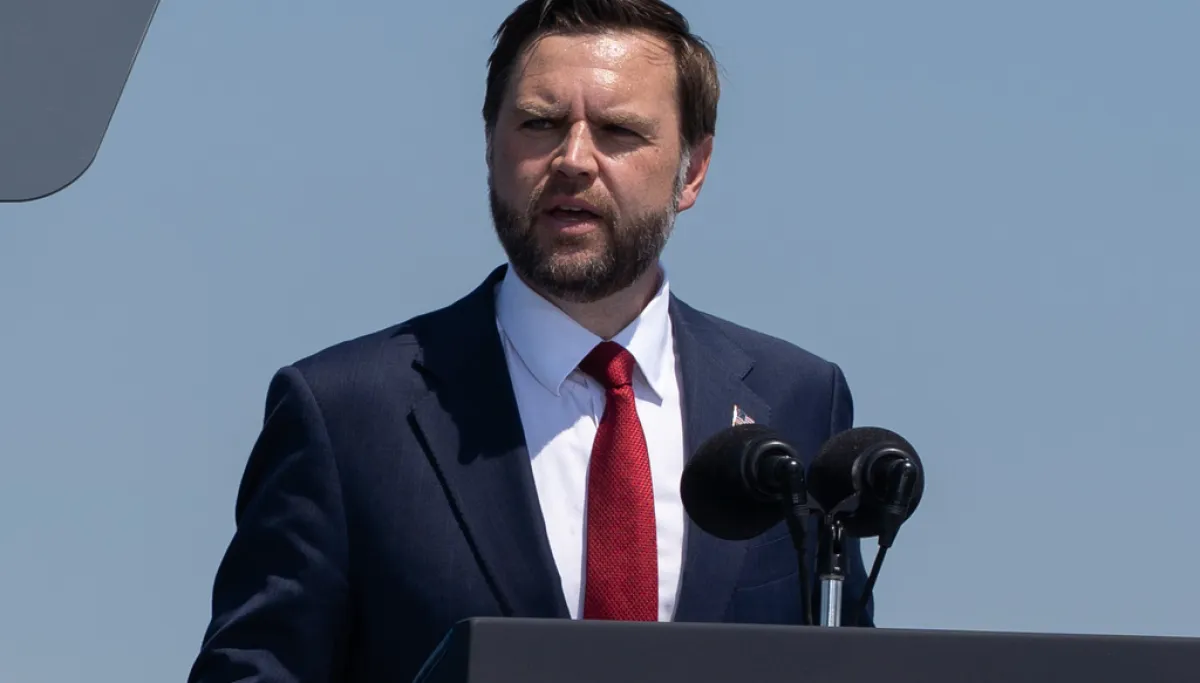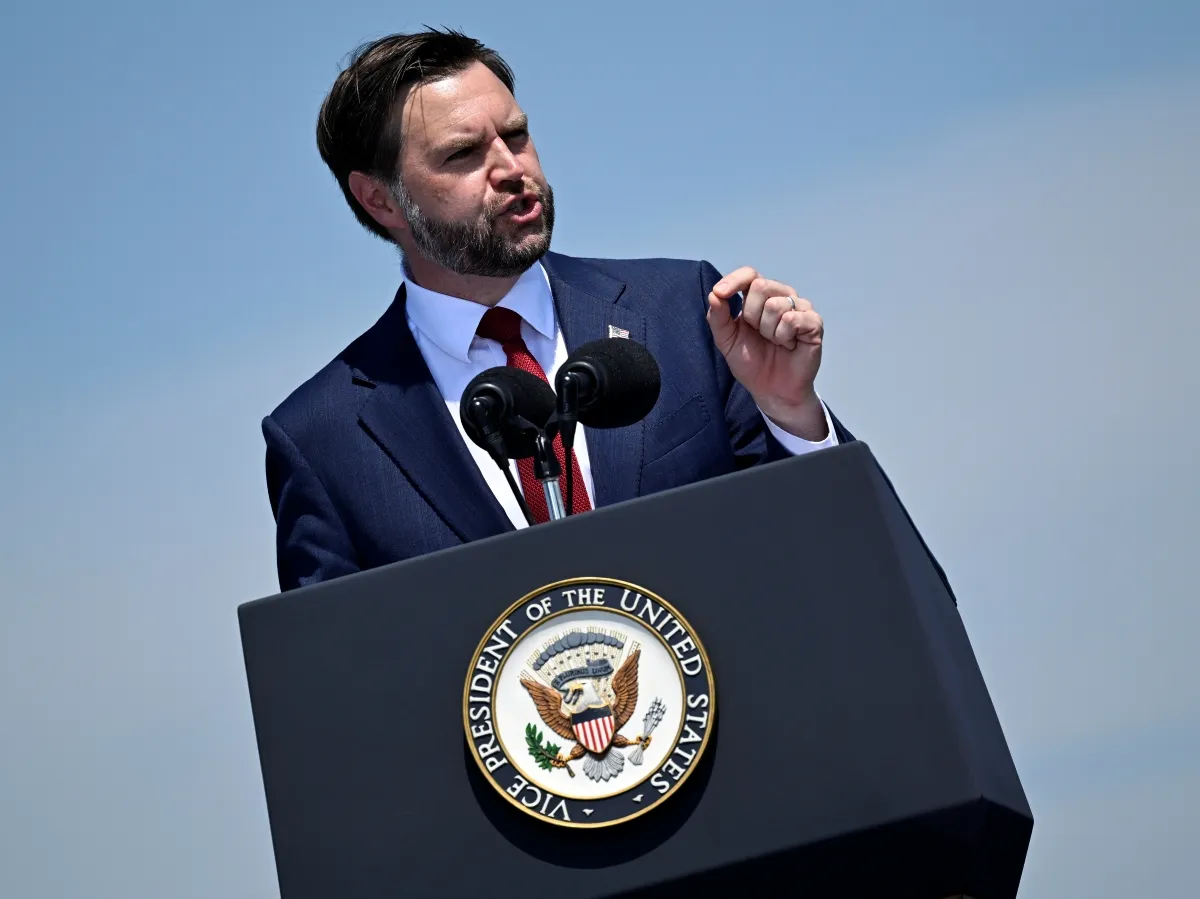
Skip to Content Subscribe Our Offers My Account Manage My Subscriptions FAQ Newsletters Canada Canadian True Crime Canadian Politics Health World Israel & Middle East Financial Post NP Comment Longreads Puzzmo Diversions Comics NP News Quiz New York Times Crossword Horoscopes Life Eating & Drinking Style Sponsored Play for Ontario Travel Travel Canada Travel USA Travel International Cruises Travel Essentials Culture Books Celebrity Movies Music Theatre Television Business Essentials Advice Lives Told Tails Told Shopping Buy Canadian Home Living Outdoor Living Kitchen & Dining Tech Style & Beauty Personal Care Entertainment & Hobbies Gift Guide Travel Guide Amazon Prime Day Deals Savings National Post Store More Sports Hockey Baseball Basketball Football Soccer Golf Tennis Driving Vehicle Research Reviews News Gear Guide Obituaries Place an Obituary Place an In Memoriam Classifieds Place an Ad Celebrations Working Business Ads Archives Healthing Epaper Manage Print Subscription Profile Settings My Subscriptions Saved Articles My Offers Newsletters Customer Service FAQ Newsletters Canada World Financial Post NP Comment Longreads Puzzmo Diversions Life Shopping Epaper Manage Print Subscription HomeNP CommentJ.D. Tuccille: Republicans join Democrats in the backward fight against economic freedomJD Vance is the latest politician to turn his back on what made America great in the first placeLast updated 37 minutes ago You can save this article by registering for free here. Or sign-in if you have an account.Vice President JD Vance delivers remarks during an International Naval Review aboard the USS Kearsarge in New York Harbor on July 04, 2026 in New York City. Photo by Vincent Alban/Getty ImagesTo the extent he’s known to the American public, Nobel Prize-winning economist Milton Friedman is remembered for advocating economic freedom and for the bestselling book Free to Choose that he co-authored with his wife, Rose, as well as the companion TV series. Republican Vice-President JD Vance, though, remembers Friedman as a proponent of bad ideas — an opinion he shares with former Democratic president Joe Biden. Free markets, individual liberty and the prosperity they bring are no longer popular in either of the country’s major political parties.Enjoy the latest local, national and international news.Exclusive articles by Conrad Black, Barbara Kay and others. Plus, special edition NP Platformed and First Reading newsletters and virtual events.Unlimited online access to National Post.National Post ePaper, an electronic replica of the print edition to view on any device, share and comment on.Daily puzzles including the New York Times Crossword.Support local journalism.Enjoy the latest local, national and international news.Exclusive articles by Conrad Black, Barbara Kay and others. Plus, special edition NP Platformed and First Reading newsletters and virtual events.Unlimited online access to National Post.National Post ePaper, an electronic replica of the print edition to view on any device, share and comment on.Daily puzzles including the New York Times Crossword.Support local journalism.Create an account or sign in to continue with your reading experience.Access articles from across Canada with one account.Share your thoughts and join the conversation in the comments.Enjoy additional articles per month.Get email updates from your favourite authors.Create an account or sign in to continue with your reading experience.Access articles from across Canada with one accountShare your thoughts and join the conversation in the commentsEnjoy additional articles per monthGet email updates from your favourite authorsSign In or Create an AccountorIn a June 30 interview with The Daily Wire’s Michael Knowles, Vance addressed the ongoing transformation in GOP economic thinking. He claimed that nobody protested when President Donald Trump talked of seizing equity in AI companies. That’s not true — free-market advocates have indeed criticized Trump’s language and conduct on that matter as well as his other policies. But it is fair to say that fewer and fewer such voices are found in the Republican Party.This newsletter from NP Comment tackles the topics you care about. (Subscriber-exclusive edition on Fridays)By signing up you consent to receive the above newsletter from Postmedia Network Inc.We encountered an issue signing you up. Please try again“American economic policy on the right is now much more Alexander Hamilton than it is Milton Friedman. I think that’s obviously a good thing. You might disagree, but that’s just a normative statement,” Vance told Knowles. Calling this an “American developmentalist” approach under which government manipulates the economy as a tool, Vance insisted, “I do think that fundamentally that Hamiltonian tradition is going to be what we see on the American right and will dominate American conservative economic thinking for the future.”“In hindsight, part of why Milton Friedman’s ideas made more sense in the 1980s is because they were being advocated in a country that still had a very rich and powerful institutional Christianity. Being laissez-faire in a world where there are Christian guardrails on everything is a much different proposition than being laissez-faire in a world where globalized liberalism has become the sort of status quo of American elites.”Friedman, it should be noted, was Jewish and supported freedom of all sorts for everybody regardless of their religious beliefs. He once told a PBS interviewer that “The only way that has ever been discovered to have a lot of people co-operate together voluntarily is through the free market, and that’s why it’s so essential to preserving individual freedom.” He emphasized his belief that “in order to maintain freedom, you had to have free markets, and that free markets would work best if you had political freedom.”Friedman added that “free markets would undermine political centralization and political control.”But centralization and control are very much things that Vance favours when he laughs about the government seizing equity in companies and the need for “Christian guardrails” on economic freedom. Of course, as a self-identified “post-liberal,” Vance rejects not just the modern political left, but also the core values of classical liberalism including individualism, free markets and personal liberty that once formed the foundation of American conservatism.The modern Republican Party is no longer the GOP of former president Ronald Reagan, who warned that the nine most terrifying words in the English language were “I’m from the government, and I’m here to help.”In his rejection of free markets and Milton Friedman as relics of the past, Vance isn’t alone. Friedman was a favourite target of Biden during his presidency.“Milton Friedman isn’t running the show anymore,” Biden told Politico’s Michael Grunwald on the campaign trail in 2020, as he voiced hope that COVID-19 would erode support for free markets and skepticism of government intervention.“When did Milton Friedman die and become king?” Biden weirdly asked reporters the previous year.For the record, Friedman died in 2006. Not only did he never aspire to monarchical power, he opposed overpowerful governments of any sort and successfully worked to end military conscription.Then again, Biden, like Vance, is a fan of compulsion so long as it forces people in a direction he chooses.Few people expected Biden to be an advocate of economic freedom. According to a 2025 Gallup poll, 66 per cent of Democrats viewed socialism favourably, while support in the party for free-market capitalism slipped to 42 per cent. That same poll found positive views of socialism among Republicans at only 14 per cent, compared to the 74 per cent with favourable opinions of capitalism. But what do partisans mean by these terms?Once overwhelmingly supportive of free trade, Republicans have shifted to embrace Trump’s tariffs and the attempt they represent at government management of economic activity. As early as 2016, more Republicans than Democrats endorsed the sentiment in YouGov polling that “The free market has been sorting (the economy) out and America’s been losing.”Democrats’ happy new relationships with socialism and totalitarian–curious figures on the far left like Darializa Avila Chevalier and Graham Platner make it clear what they mean by their growing enthusiasm. If they were nominally more pro-market than Republicans a decade ago, that’s very much no longer the case.Interestingly, if Vance were serious about describing his preferred economic philosophy as “Hamiltonian,” that might not be so bad. While a big-government type relative to many of his 18th-century contemporaries among the founders, Alexander Hamilton was closer to Friedman than to any scheme of economic central management. He was a protectionist, but not a complete authoritarian.“In matters of industry, human enterprize ought, doubtless, to be left free in the main, not fettered by too much regulation; but practical politicians know that it may be beneficially stimulated by prudent aids and encouragements on the part of the Government,” Hamilton wrote in 1801.That’s not Friedman, let alone laissez-faire. But nor is it the guided economy with “Christian guardrails” favoured by Vance. We’d be better off with real Hamiltonian economics than with what the VP wants. Unfortunately, Republicans and Democrats alike are enamoured with centrally managed economic activity. And they both reject the legacy of Milton Friedman, who favoured political and economic liberty. Brace yourself for whatever they inflict on us next.National Post Join the Conversation This website uses cookies to personalize your content (including ads), and allows us to analyze our traffic. Read more about cookies here. By continuing to use our site, you agree to our Terms of Use and Privacy Policy.
J.D. Tuccille: Republicans join Democrats in the backward fight against economic freedom
JD Vance is the latest politician to turn his back on what made America great in the first place
1,497 words~7 min read