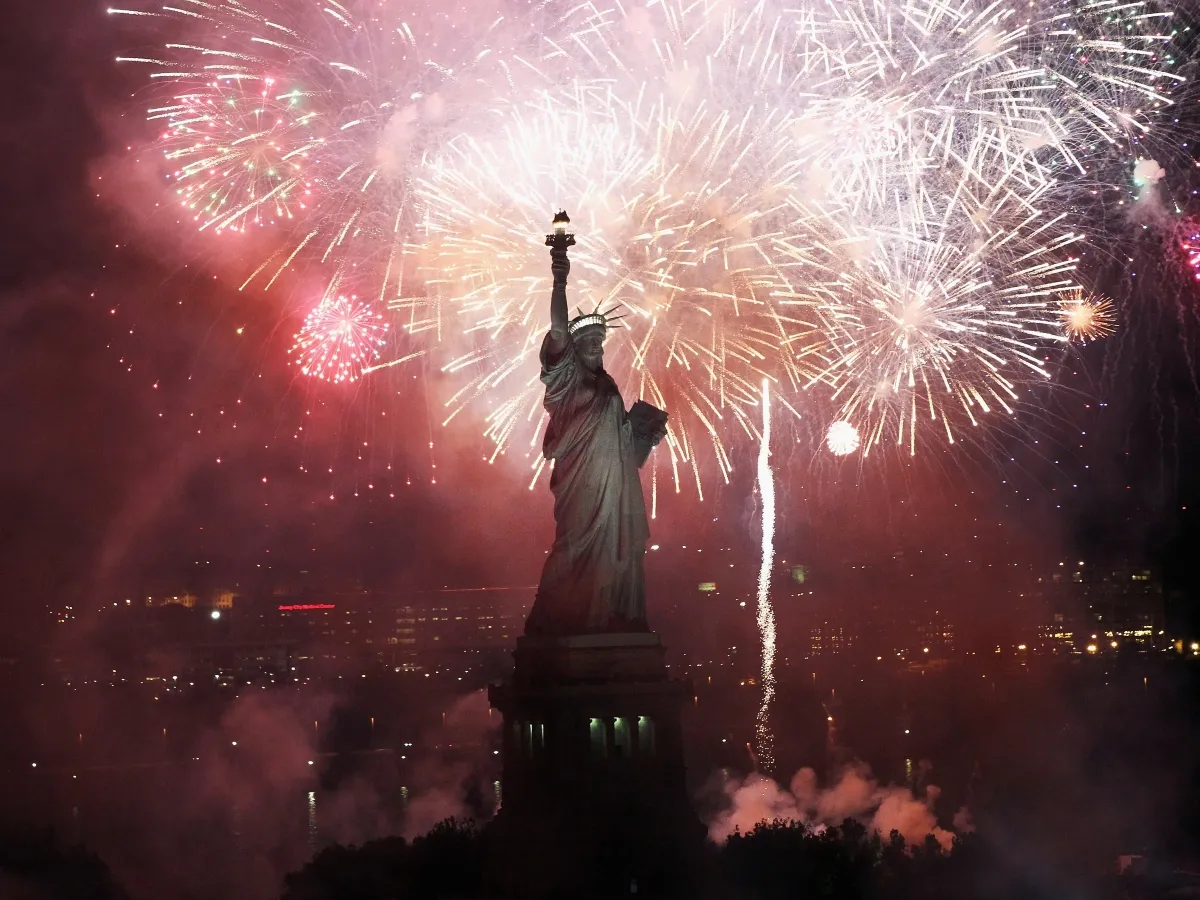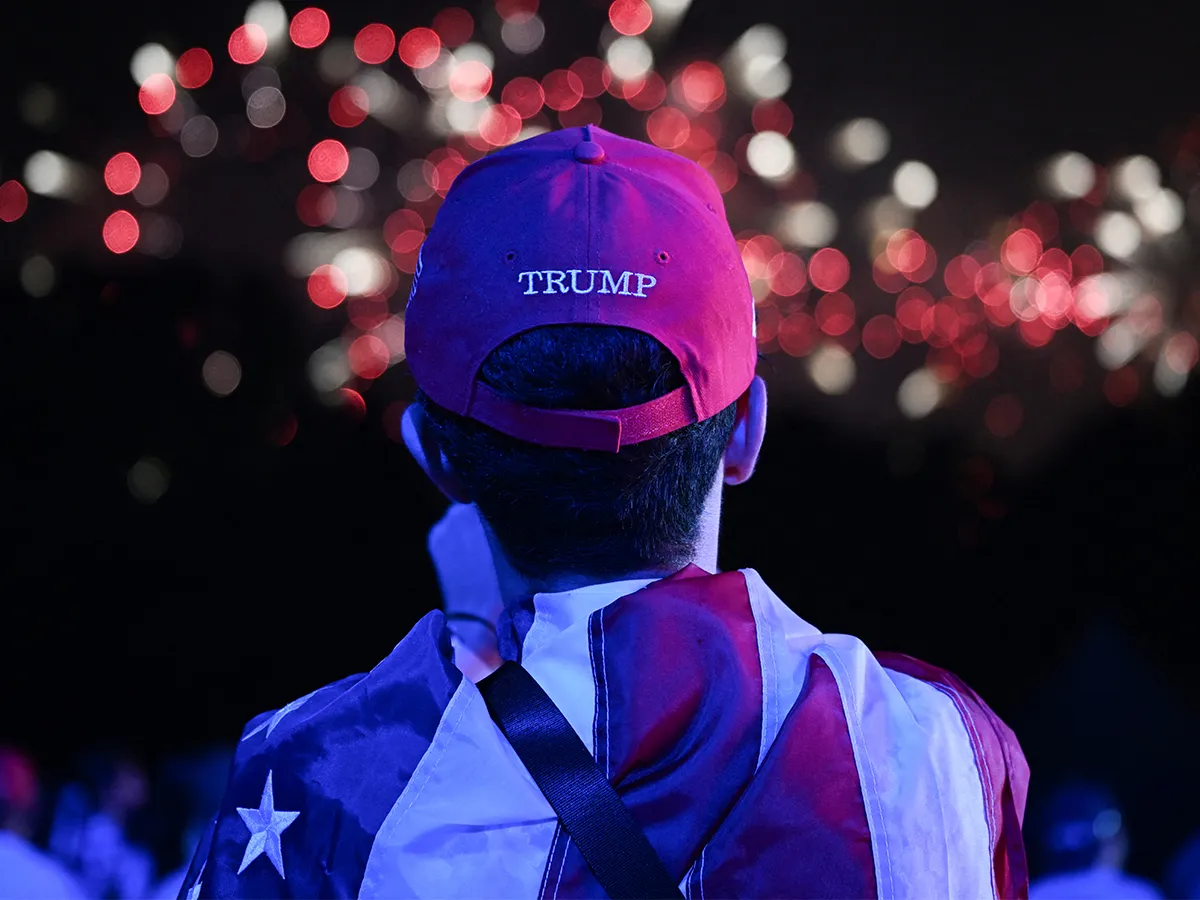
Skip to Content Subscribe Our Offers My Account Manage My Subscriptions FAQ Newsletters Canada Canadian True Crime Canadian Politics Health World Israel & Middle East Financial Post NP Comment Longreads Puzzmo Diversions Comics NP News Quiz New York Times Crossword Horoscopes Life Eating & Drinking Style Sponsored Play for Ontario Travel Travel Canada Travel USA Travel International Cruises Travel Essentials Culture Books Celebrity Movies Music Theatre Television Business Essentials Advice Lives Told Tails Told Shopping Buy Canadian Home Living Outdoor Living Kitchen & Dining Tech Style & Beauty Personal Care Entertainment & Hobbies Gift Guide Travel Guide Amazon Prime Day Deals Savings National Post Store More Sports Hockey Baseball Basketball Football Soccer Golf Tennis Driving Vehicle Research Reviews News Gear Guide Obituaries Place an Obituary Place an In Memoriam Classifieds Place an Ad Celebrations Working Business Ads Archives Healthing Epaper Manage Print Subscription Profile Settings My Subscriptions Saved Articles My Offers Newsletters Customer Service FAQ Newsletters Canada World Financial Post NP Comment Longreads Puzzmo Diversions Life Shopping Epaper Manage Print Subscription HomeNP CommentRaymond J. de Souza: Where was America 250's celebratory spectacle?As American anniversary events and the World Cup have demonstrated, bigger, louder and longer does not mean more upliftingLast updated 23 minutes ago You can save this article by registering for free here. Or sign-in if you have an account.A young Trump supporter watches a fireworks display during the America 250 celebration on the National Mall in Washington, D.C., in the early morning hours of July 5, 2026. Fr. Raymond de Souza writes that the semiquincentennial events were underwhelming, and the World Cup, while exciting, also lacked spectacle. Photo by Alex WROBLEWSKI / AFP via Getty ImagesCanadians could well have told our American friends that their semiquincentennial would be underwhelming, if not a flop.Enjoy the latest local, national and international news.Exclusive articles by Conrad Black, Barbara Kay and others. Plus, special edition NP Platformed and First Reading newsletters and virtual events.Unlimited online access to National Post.National Post ePaper, an electronic replica of the print edition to view on any device, share and comment on.Daily puzzles including the New York Times Crossword.Support local journalism.Enjoy the latest local, national and international news.Exclusive articles by Conrad Black, Barbara Kay and others. Plus, special edition NP Platformed and First Reading newsletters and virtual events.Unlimited online access to National Post.National Post ePaper, an electronic replica of the print edition to view on any device, share and comment on.Daily puzzles including the New York Times Crossword.Support local journalism.Create an account or sign in to continue with your reading experience.Access articles from across Canada with one account.Share your thoughts and join the conversation in the comments.Enjoy additional articles per month.Get email updates from your favourite authors.Create an account or sign in to continue with your reading experience.Access articles from across Canada with one accountShare your thoughts and join the conversation in the commentsEnjoy additional articles per monthGet email updates from your favourite authorsSign In or Create an AccountorAt our sesquicentennial back in 2017, we discovered our lost sense of celebratory spectacle. With the political left trumpeting the entire Canadian project to be a criminal enterprise, if not genocidal, and the political right promoting the idea that the left had irreparably broken the country, the fonts of patriotic fervour were running dry. Canada 150 came and went with rather less than the occasion deserved, especially compared to the centennial in 1967, when Expo ’67 in Montreal marked a months-long festival of Canadian achievement and confidence in the future. It was a long way down over 50 years.The Americans did something similar at their Centennial Exposition, a world’s fair in Philadelphia in 1876. It showcased American technological progress, including the typewriter, sewing machine, a 1,400-horsepower steam engine and the telephone of Scots-Canadian-American Alexander Graham Bell.This newsletter from NP Comment tackles the topics you care about. (Subscriber-exclusive edition on Fridays)By signing up you consent to receive the above newsletter from Postmedia Network Inc.We encountered an issue signing you up. Please try againThe French caught the same spirit for the centennial of the French Revolution in 1889, constructing the Eiffel Tower. Three years earlier they had sent the Statue of Liberty to New York, a gift for the 1876 centennial, though installed in 1886.The American bicentennial in 1976 — at a time of economic crisis, political disgrace and the dishonour of Vietnam — was a rousing commemoration with tall ships in New York harbour, Queen Elizabeth II bringing a new bell to Philadelphia, and Rocky Balboa going the distance against Apollo Creed on the big screen. The “bicentennial minutes” on CBS knitted together towns and cities across the land, all of which had their own local festivals.America 250 instead featured the president imagining himself on Mount Rushmore, and a third-rate state fair on the Washington Mall featuring fourth-rate singers, adjacent to an algae-blooming, paint-peeling, dodgy-contracting pool that does reflect something of America’s moment. It is a long way down over 50 years.At the bicentennial of the French Revolution in 1989, a grand concert at the Place de la Concorde concluded with the incomparable soprano Jessye Norman singing La Marseillaise in an immense tricolore gown that seemed to billow out over the broad avenues of Paris. That was a spectacle.A year later at the World Cup in Italy, there was the inspired decision to use Puccini’s Nessun Dorma — no one sleeps! — as the BBC title sequence for its coverage. Operatic tenors for football? It was pure cultural genius, as the closing verses, sung by Luciano Pavarotti, soared: all’alba vincerò! At dawn, I shall win!Plácido Domingo and José Carreras joined Pavarotti at the ancient ruins of the Baths of Caracalla, on the eve of the World Cup final, for the first “Three Tenors” concert, a performance that had greater impact than the World Cup itself. It was a spectacle in the Eternal City, where public spectacles have been offered for millennia, for good and ill.Pavarotti would sing publicly for the last time to conclude the opening ceremonies of the Turin Olympics in 2006, marrying opera and sport again. He would die the following year, his final Nessun Dorma closing with the world’s largest curtain drawing down upon him, fireworks to follow.Nessun Dorma made a return at American 250. Sung by “the presidential tenor,” Christopher Macchio, who does not play La Scala, but does gigs at Mar-a-Lago.“No one sleeps until we hear our president!” exhorted Macchio to the waning crowd, worn out by scorching sun, security exigencies and evacuations due to thunderstorms.Puccini wrote, and Pavarotti sang, of love for a princess, of mystery, of pursuit, of persistence, of hope, of triumph at dawn. Macchio on the Mall sang of a president’s pedestrian speech. It is a long way down.At the World Cup 2026, the play has been exciting, but there has been no effort for a uniting, universal spectacle. The closest thing was planetary schadenfreude when the American team embarrassed itself at the hands of Belgium after the president intruded only to distract and diminish.Does it matter? The ancient Romans made us suspicious of public spectacle, the resort to bread and circuses when otherwise the common good was suffering. Spectacle can be put to wicked purposes, as totalitarian regimes have learned only too well.But the abuse ought not prevent proper use. Forty years ago, the centennial of the Statue of Liberty was marked by its restoration, a nighttime speech by the president, and fireworks — the largest to that point in American history — launched from 30 barges in New York harbour. It was celebratory spectacle, as Americans, Canadians, French and Italians knew how to do.There were 40 times more fireworks at America 250 than back in 1986, but bigger and louder and longer does not mean more uplifting.Losing our capacity for celebratory spectacle runs down our reserves of unity, harmony, common pride and co-operation. Those are not easily restored. Celebration gives way to anxious worry. A lively expectation of the dawn becomes just a sleepless night.National Post Join the Conversation This website uses cookies to personalize your content (including ads), and allows us to analyze our traffic. Read more about cookies here. By continuing to use our site, you agree to our Terms of Use and Privacy Policy.
Raymond J. de Souza: Where was America 250's celebratory spectacle?
As American anniversary events and the World Cup have demonstrated, bigger, louder and longer does not mean more uplifting
1,368 words~6 min read