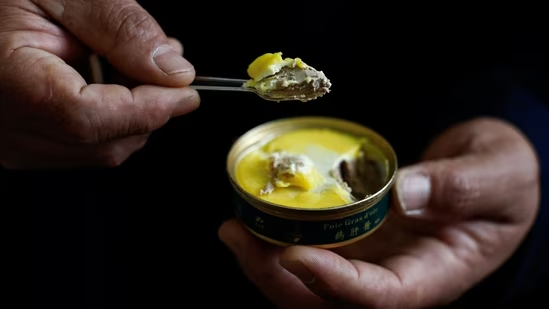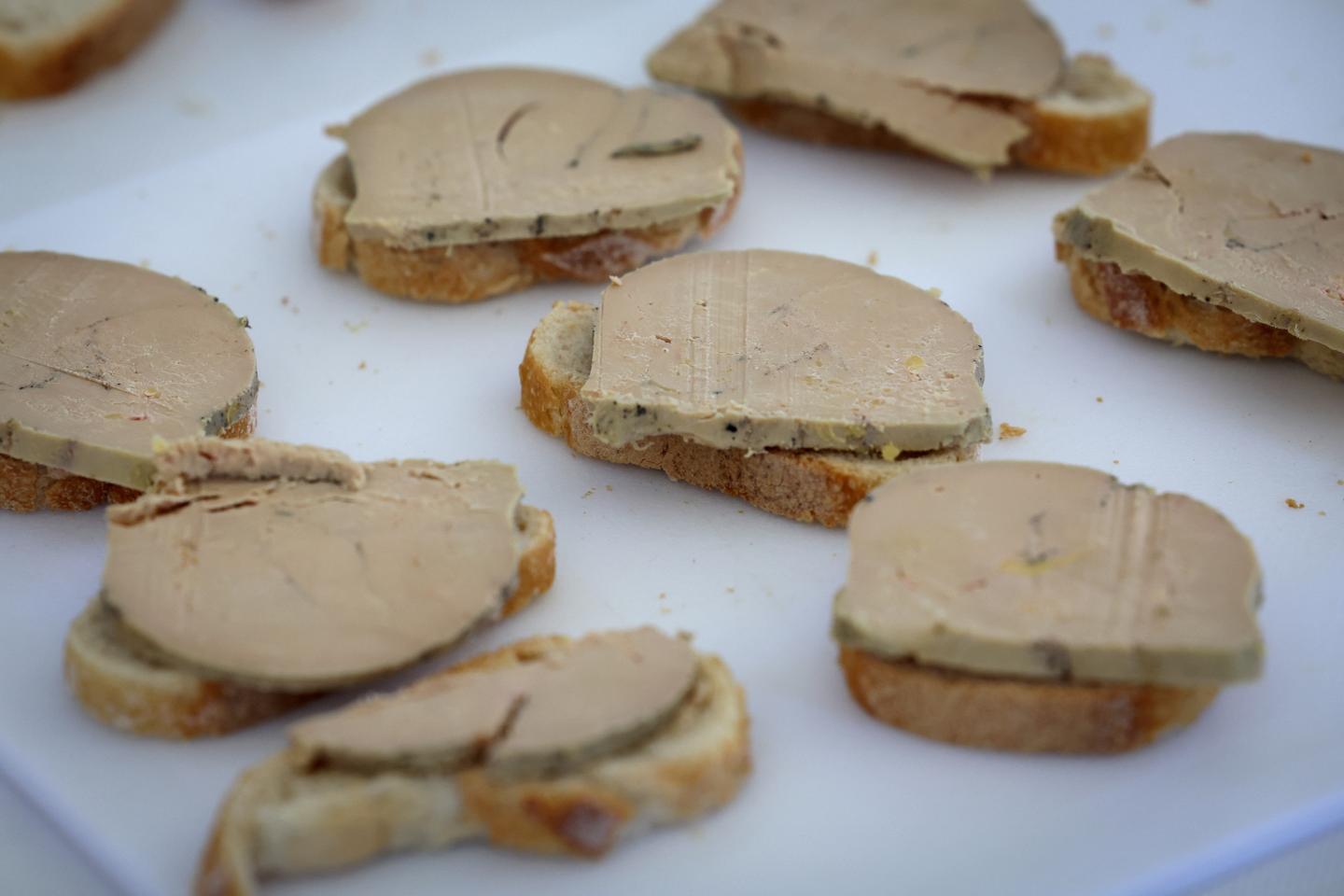
China has risen rapidly to become the world's second-largest producer of foie gras, but French producers say they are not yet worried about losing their long-held dominance of one of the country's best-known delicacies.
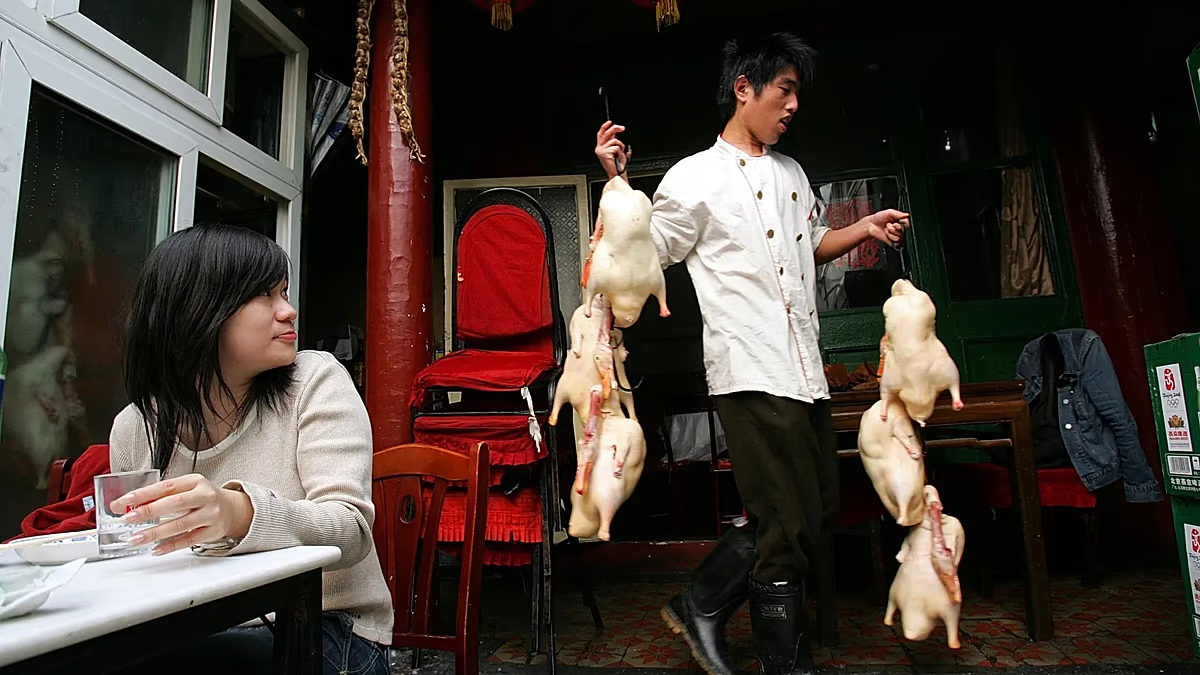
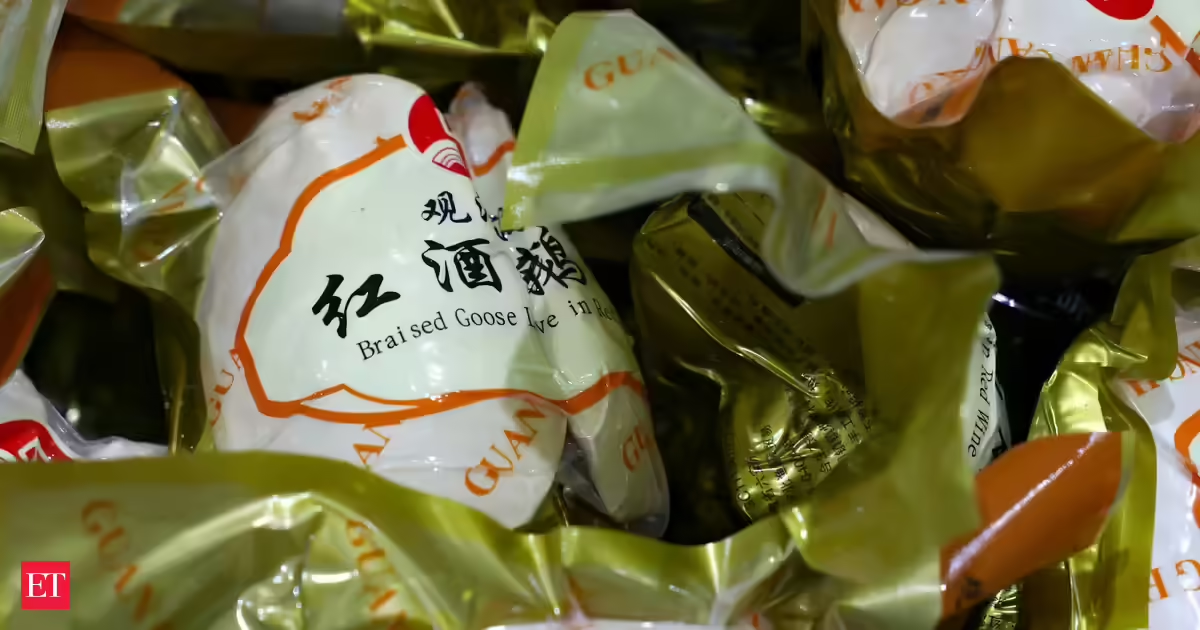
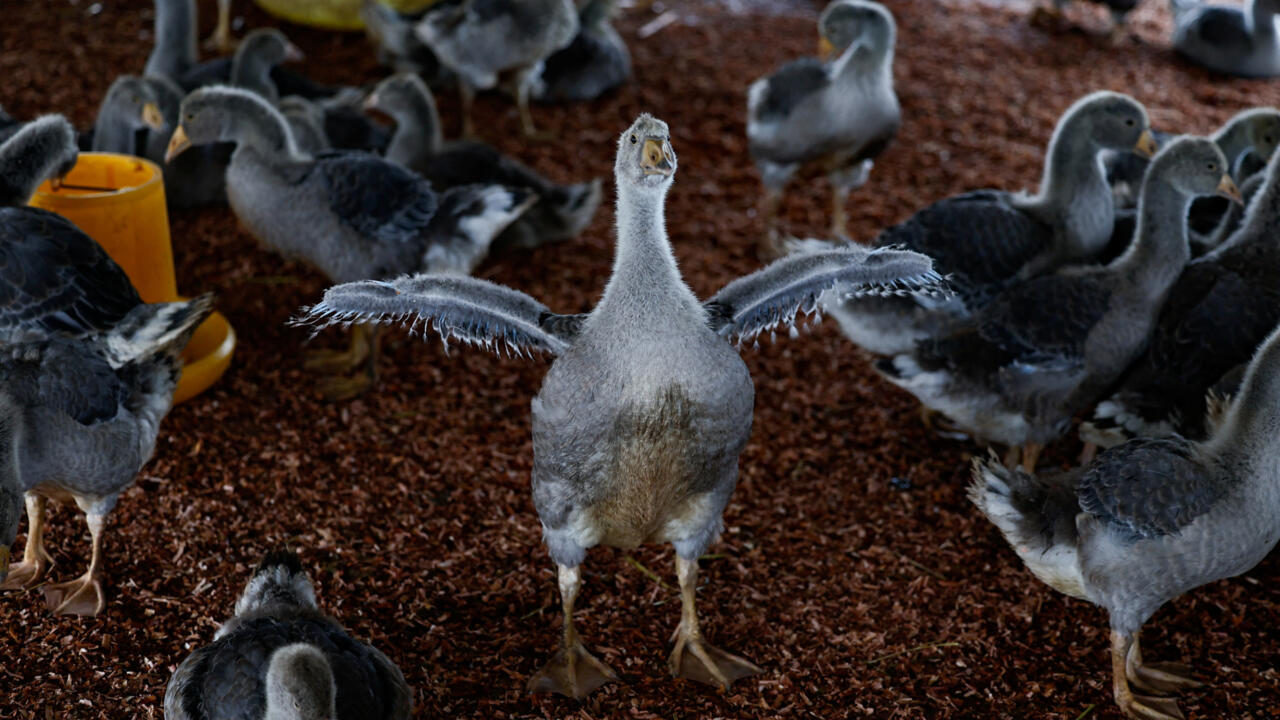
"At the moment, we are not worried that China is going to topple France as the world's leading foie gras producer," said Fabien Chevalier, chairman of the French foie gras industry group CIFOG. Chevalier told RFI he was nevertheless surprised by the speed of China's expansion over the last two years. "We think the Chinese produced around 12,000 tonnes of foie gras in 2024 and it increased in 2025. Knowing that the French production was around 15,000 tonnes in 2025, the Chinese output is quite significant," he said. A mix of government subsidies and large-scale farming has helped fuel that growth. But China's foie gras industry has developed very differently from France's, from the birds it raises to the products it sells. Foie gras alternatives on the rise in France for those fed up with force-feeding Different products Unlike producers in France and the rest of Europe, who mostly use ducks, Chinese producers mainly breed geese. "That's really surprising because it is much more difficult to make foie gras from geese than from ducks," Chevalier told RFI. Chinese producers mostly use Landes geese, native to southwestern France, which were introduced to Linqu county in 1988. The birds have adapted well to the local climate, which shares the same latitude as the Landes. Most Chinese foie gras is produced for the domestic market of more than a billion potential consumers, with very little exported.