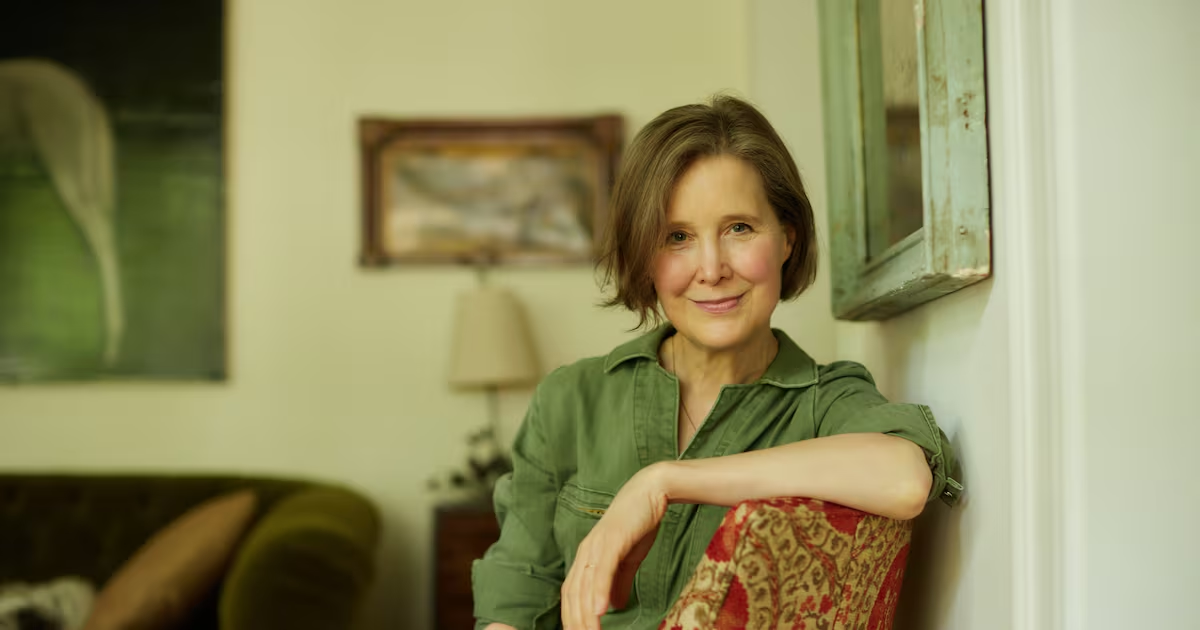
Few contemporary writers are as adept as Ann Patchett at opening a novel. Her first chapters are alluring invitations, intriguing introductions. Bel Canto (2001) starts with a bang: In an unnamed South American country, a grand party is thrown in honor of the president of an electronics company, but after a renowned soprano has finished bewitching the guests, a group of terrorists gatecrash and take everyone hostage. And The Dutch House (2019) begins with a mystery: Danny Conroy harks back to his childhood family home in small-town Pennsylvania, and the day his father introduced him and his sister Maeve to Andrea, the new woman in his life. The chapter concludes with Patchett fast-forwarding through the years and showing Danny and Maeve outside that home, looking in at Andrea and her daughters. What reversal of fortune has led to their banishment — and Andrea becoming queen of the castle?
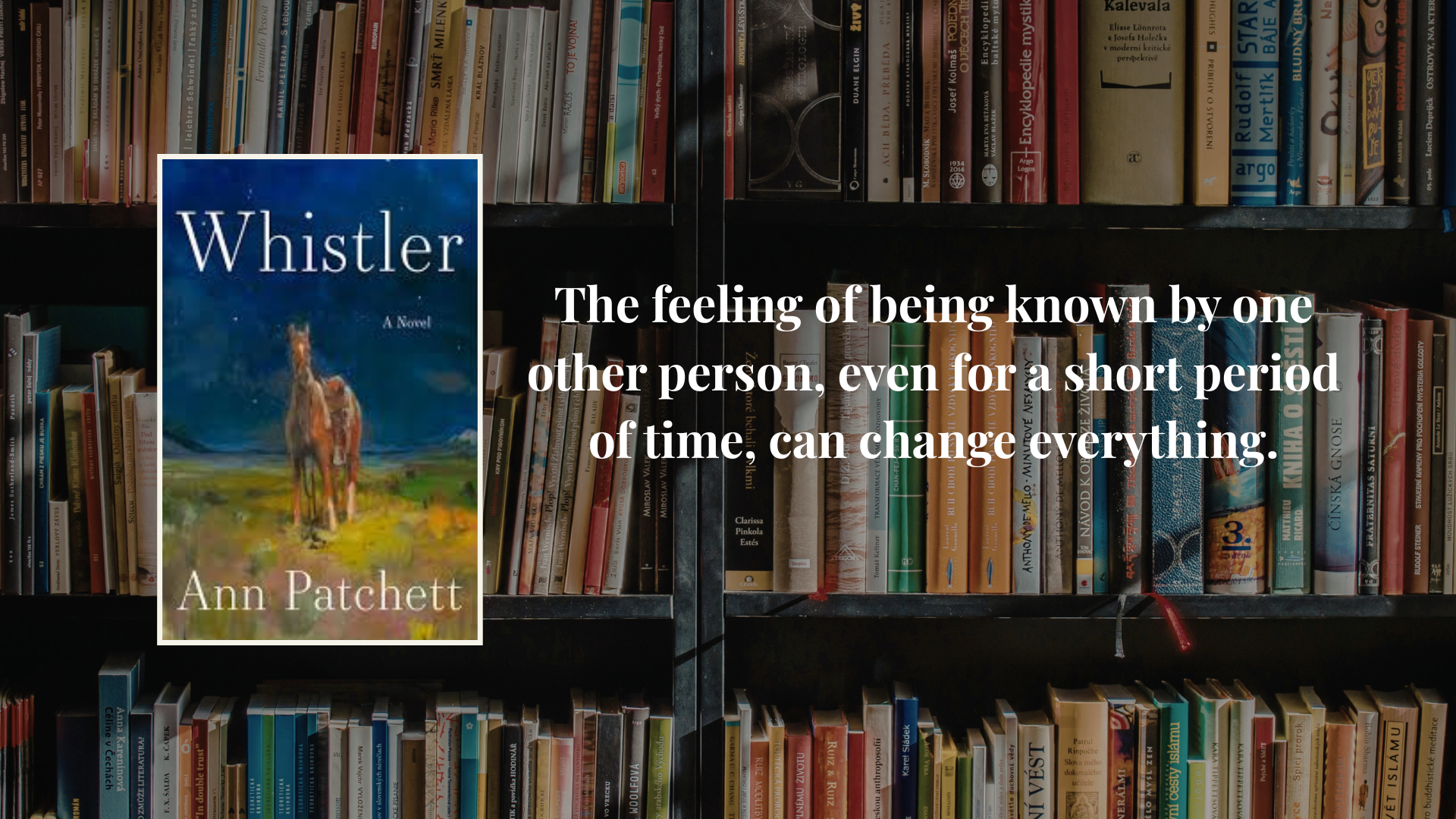
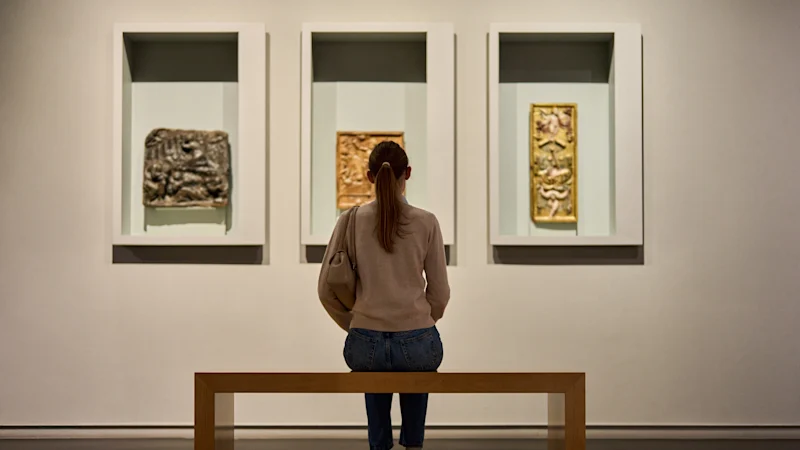
Patchett’s new novel — her 10th — entices us in with a blast from the past. Daphne Fuller, a 53-year-old English teacher, visits the Metropolitan Museum of Art in New York with her husband, Jonathan. He notices that an older man has been following them. Instead of finding cause for alarm, he makes light of it, reminding her that “old guys can’t get enough of you” and asking if she has a jealous lover. Daphne is curious but at the same time reluctant to confront the stranger. After Jonathan approaches him, she is stunned to learn that the man is not a stranger but rather Eddie Triplett, the former stepfather she hasn’t seen for 44 years. “I stepped into an open crack in time,” Daphne informs us, “and fell backwards.”The pair catches up, which gives Patchett the opportunity to outline both present situations and backstories. We learn that Daphne’s father, Buddy Zabriskie, abandoned her, her younger sister, Leda, and their mother, Abigail, for a life at sea. Then Abigail, a publicist, and Eddie, an editor, forged a closer connection at work and eventually got married. “Eddie didn’t get much of a run,” Daphne tells Jonathan. “A year, possibly two years start to finish. Leda and I were crazy about him, but when he was gone, he was gone.” Abigail married again and had two sons with her current husband, Lucas Ekker, an author who also happens to be, in Eddie’s opinion, “a pontificating bore of a man.” Daphne reveals that when this “third candidate for fatherhood” arrived on the scene, it marked not so much a new beginning but a closed chapter. “I couldn’t say exactly where childhood ends, but dealing with your pregnant mother at the age of thirteen was as good a place as any to wrap it up.” Patchett brings her opening section to a close by tantalizing us with the bare bones of a pivotal event. When Daphne was nine, she and Eddie were involved in a car accident. Almost immediately after it, Abigail filed for divorce, and in doing so, cut Eddie out of Daphne’s life. Daphne has never spoken at length about the accident, not even to Jonathan — “Deep dives into childhood trauma sort of ruins it everyone” — but after reuniting with Eddie, she finds herself finally opening up to her sister, a clinical psychologist.