(Image credit: Future)
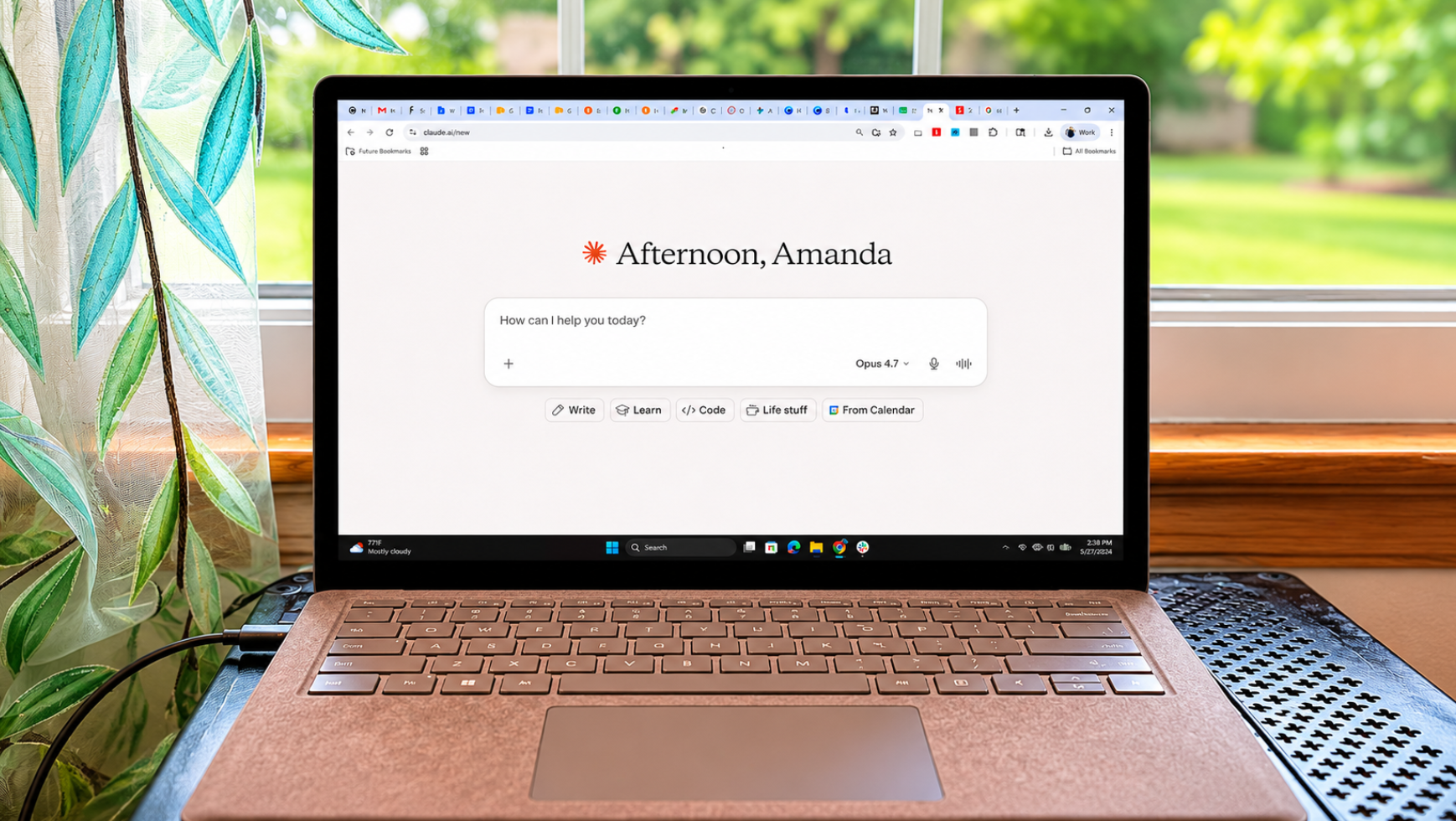
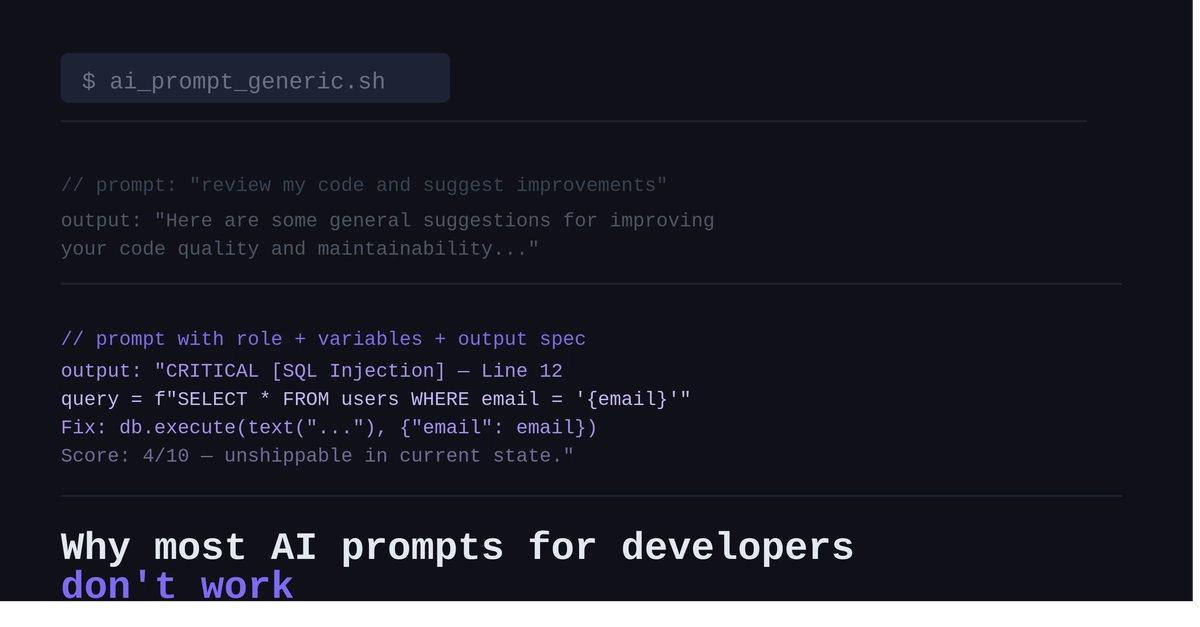
Remember the ‘caveman prompt’? It was popular a few years ago. You'd type "talk like a caveman and keep it short," and suddenly ChatGPT would stop adding fluff to every response. It actually gave you an answer, and the prompt even kept it from responding with a follow up question.That was the whole point back when models weren’t smart enough to trim the response alone. You'd ask one question that deserved a sentence or two in response, but you'd get paragraphs instead. When ChatGPT first launched, every response came with the same generic, puffed-up polish. The caveman hack cut through it, which is why many of us used it daily. Now, three years later, I barely use it, because the problem it solved no longer exists.The newer models actually understand plain English. They don't need to be tricked into being useful. So I wondered if the old caveman trick still deserved a spot in my toolkit.I ran three tests. Here's what happened.Test 1: Explaining something complicatedI asked ChatGPT: Why do airplanes stay in the air?The first answer read like a textbook. Accurate, thorough, and about twice as long as it needed to be.Then I asked for the caveman version when meant I prompted: Talk like a caveman and keep it short.The answer: Air push wing. Wing go up. Plane stay sky.Get instant access to breaking news, the hottest reviews, great deals and helpful tips.Not bad, honestly. Six words and you get the gist. No one's confused about what's happening. But then I tried something different:You're explaining this to a curious 12-year-old. Use everyday language, include one simple analogy, and keep it under 120 words.That answer was a lot better.It made sense. I could picture it. It compared a wing to holding your hand out of a car window, angled up, the air pushes it higher. It was actually interesting to read."Air push wing" gets the idea across, mostly. But it doesn't explain anything. A good answer does both, stays short and makes you understand.Test 2: Writing an email