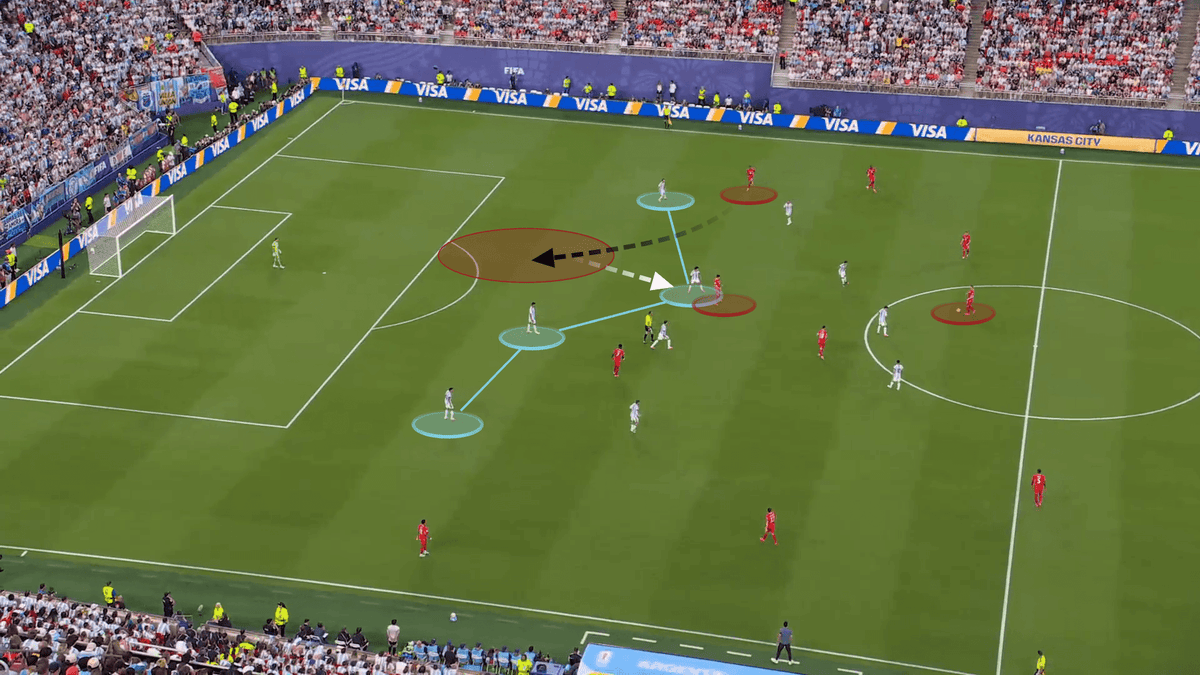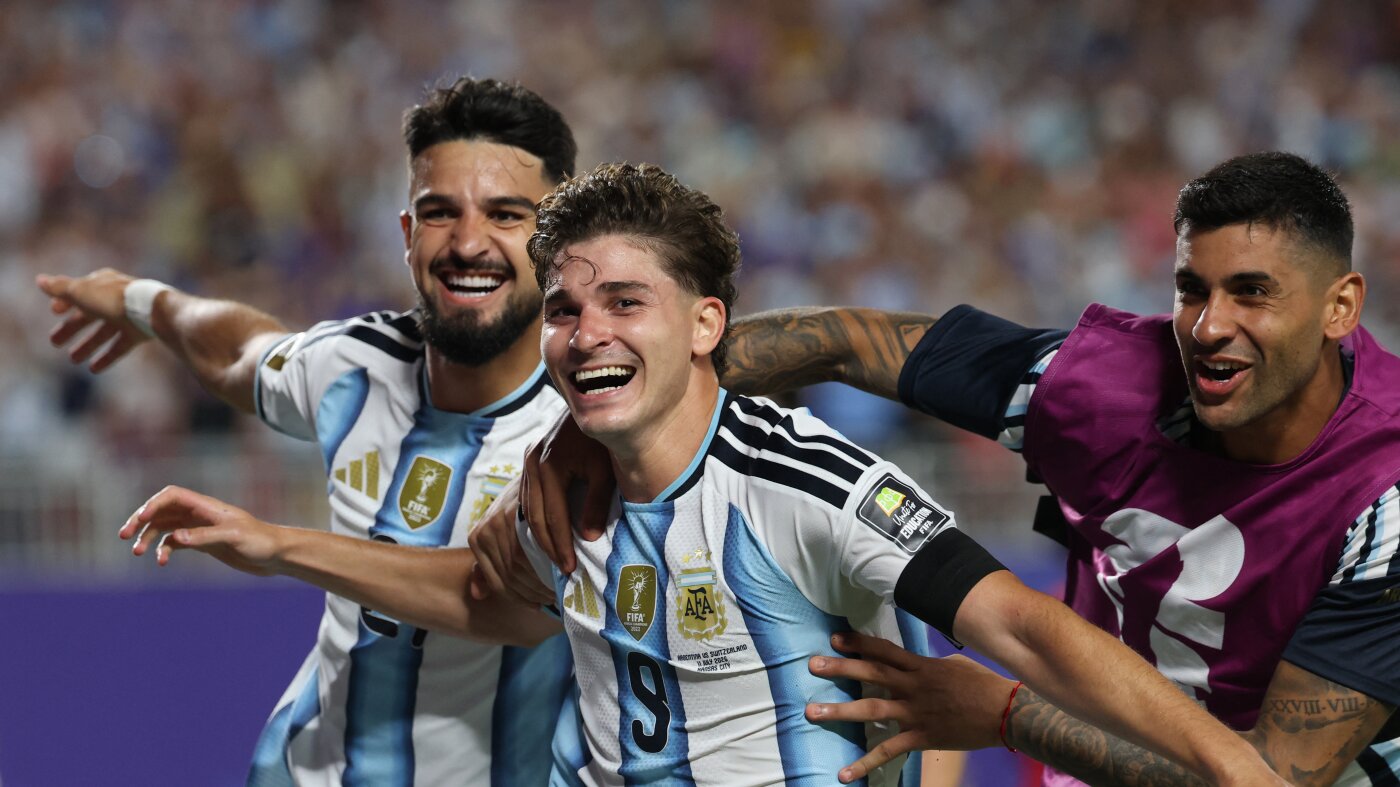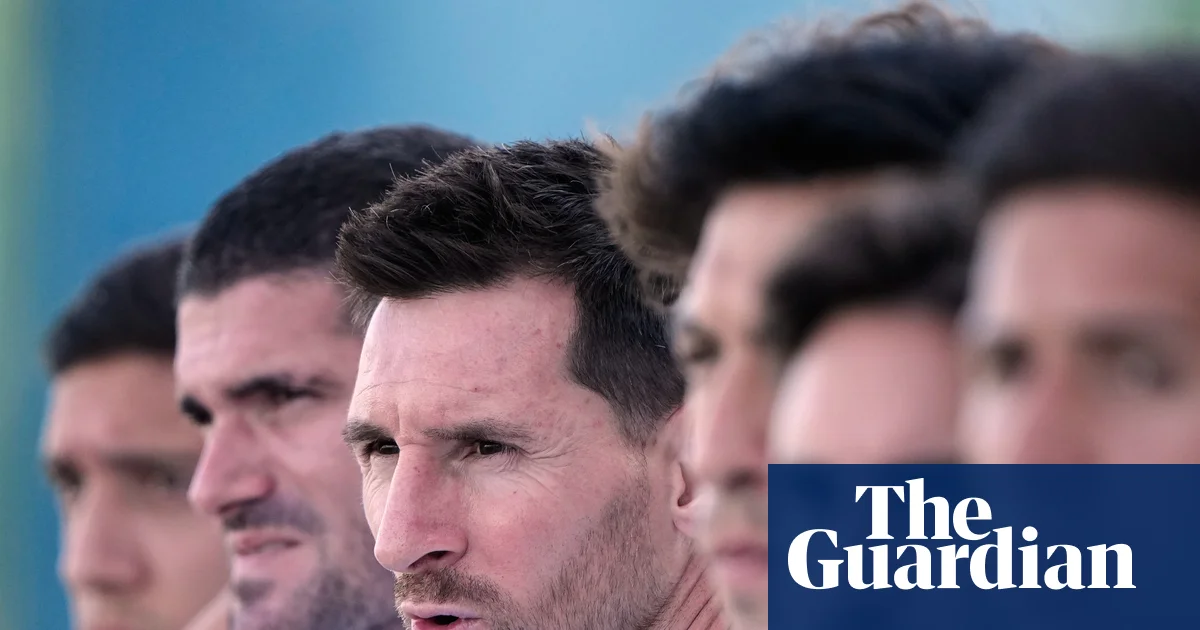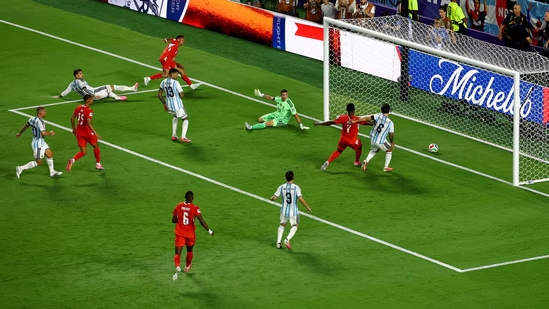
Argentina are through to another World Cup semifinal. That much is certain. Yet almost everything about how they got there should worry Lionel Scaloni.Switzerland's Dan Ndoye scores their first goal past Argentina's Emiliano Martinez (REUTERS)Three knockout games. Three occasions on which Argentina were pushed to the brink. Two went into extra time. In all three, the defending champions stared elimination in the face before finding a way out. The most striking part? They have reached the semifinals without facing a top-10 side. That makes the recurring defensive alarms impossible to ignore.It began against Cape Verde in the Round of 32. The tournament debutants came within minutes of taking the defending champions to penalties after Sidny Lopes Cabral curled a stunning right-footed strike into the top corner before celebrating wildly in the stands at Hard Rock Stadium. Argentina survived only because Diney Borges diverted the ball into his own net in the 111th minute.Then came the astonishing collapse against Egypt. Argentina trailed 2-0 with barely 15 minutes remaining. The World Cup seemed ready to bid farewell to Lionel Messi, just as it already had to Neymar, Cristiano Ronaldo and Luka Modric. But amid the VAR chaos, Argentina seized on Egypt's emotional collapse, scoring three times in the final 13 minutes to produce one of the greatest comebacks in World Cup knockout history.ALSO READ: Forget just Lionel Messi and Kylian Mbappe: Jude Bellingham has forced his way into the Golden Ball raceSwitzerland followed on Saturday in Kansas City. Playing their first World Cup quarterfinal since 1954, the Swiss dominated long spells of the second half and deservedly levelled through Dan Ndoye. Only Julian Alvarez's moment of brilliance in the 112th minute, after Breel Embolo's controversial sending-off tilted the game in Argentina's favour, finally settled the contest.Does Argentina's defensive frailty make them vulnerable?The pattern across all three knockout matches is impossible to ignore.Argentina's back line has looked increasingly vulnerable whenever opponents commit runners beyond the ball. Against Switzerland, Ndoye repeatedly found space behind the defence before eventually equalising, while Rodrigo De Paul was caught ball-watching instead of tracking Ricardo Rodriguez's run. Against Egypt, quick transitions repeatedly exposed the space left behind Argentina's advancing full-backs. Even Cape Verde, despite possessing fewer technical resources, consistently created dangerous counter-attacking situations.Argentina kept clean sheets against Algeria and Austria during the group stage and conceded only once against Jordan. Since the knockout rounds began, however, they have shipped six goals in three matches."We don't like conceding goals, and we definitely need to be a little more focused," Lisandro Martinez admitted after the win over Egypt. "With better concentration, we can avoid those goals. It's better that it happens now so we stay grounded and can correct those mistakes."Yet little changed against Switzerland. If anything, the quarterfinal highlighted another worrying trend. Rather than pressing home their early lead, Argentina gradually retreated after halftime, allowing Switzerland to dominate possession, territory and chances until the red card swung momentum back their way. It is hardly the profile of a team marching confidently towards back-to-back World Cup titles.Increasingly, it feels like a team surviving on moments of brilliance. Fortunately for Argentina, they still possess Lionel Messi.The captain has directly influenced goal after goal throughout the tournament. His corner for Alexis Mac Allister against Switzerland was his 10th World Cup assist — remarkably, each one setting up a different teammate. Yet even Messi has begun to show signs of fatigue after three physically draining knockout matches, two of which stretched into extra time. For the first time all tournament, he failed to score.That, perhaps, was the encouraging sign for Argentina.Alvarez produced arguably the goal of the tournament before Lautaro Martínez sealed the victory, proving others can shoulder the burden. But it also revealed another reality: Argentina are increasingly relying on individual brilliance from whoever steps up on the night, rather than consistently controlling matches. Against stronger opposition, that may not always be enough.How can England hurt Argentina?For the first time this World Cup, Argentina will face a top-10 nation. They also meet England for the first time in 21 years.Naturally, every England-Argentina meeting at the World Cup evokes memories of Diego Maradona's masterpiece in 1986. The meetings in 1998 and 2002 were equally gripping. This time, however, England arrive with genuine tactical reasons for optimism.Switzerland exposed exactly where Argentina remain vulnerable. Their willingness to attack directly, commit runners beyond the defence and exploit spaces between the lines repeatedly unsettled Scaloni's side. England possess even greater firepower.Thomas Tuchel's team demonstrated against Mexico and Norway that they thrive in transition. Jude Bellingham's brace against Mexico came through precisely the sort of quick, vertical combinations that troubled Argentina throughout the knockout rounds. Harry Kane's intelligent movement, Bukayo Saka's pace and Anthony Gordon's direct running are precisely the profiles that have repeatedly caused Argentina problems.England, of course, have hardly looked flawless themselves. They needed extra time to overcome Norway and played much of the Mexico match with ten men. Both semifinalists have relied on individual quality rather than sustained control.History warns against writing off Messi and Argentina. They have repeatedly escaped impossible situations throughout this tournament.But if England can exploit the space behind Argentina's defence, just as Cape Verde, Egypt and Switzerland all managed, Wednesday's semifinal may ultimately be decided not by which side possesses the greater superstar, but by which defence cracks first.On current evidence, England have every reason to believe that could be Argentina's.
Cracks in Argentina's armour? Why England have reason to believe they can stop Messi's World Cup dream in its tracks
Increasingly, it feels like a team surviving on moments of brilliance. Fortunately for Argentina, they still possess Lionel Messi. | Football News
899 words~4 min read