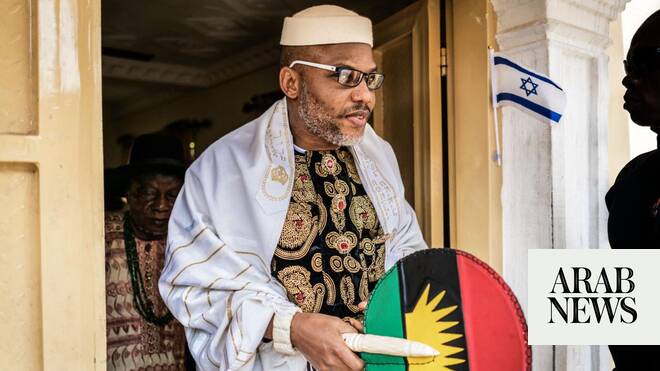
The conviction of Nnamdi Kanu, leader of the Indigenous People of Biafra (IPOB), has not brought an end to the constitutional and legal debate surrounding one of Nigeria’s most consequential criminal proceedings in recent history. Although the Federal High Court found Kanu guilty on terrorism-related charges, legal scholars and policy analysts continue to examine broader questions concerning due process, jurisdiction, the rule of law, and Nigeria’s obligations under domestic and international law.
Among those contributing to the discussion is Nigerian Merchant Navy Officer and Research Journalist, Mujahid Al-Ibenu, who maintains that the legal significance of the case extends beyond the conviction itself.
“Every constitutional democracy is ultimately judged not merely by the verdicts delivered in its courts, but by the fairness, consistency, and legality of the processes that produce those verdicts,” Al-Ibenu said.
According to Al-Ibenu, the conclusion of criminal proceedings does not necessarily conclude legitimate legal discourse. He argues that constitutional democracies encourage continued scholarly examination of judicial decisions, particularly where questions of procedural fairness, jurisdiction, and fundamental rights have attracted sustained domestic and international attention.