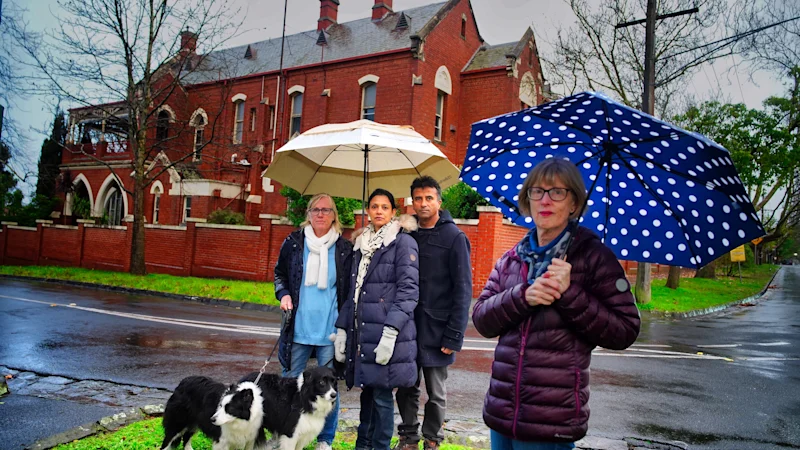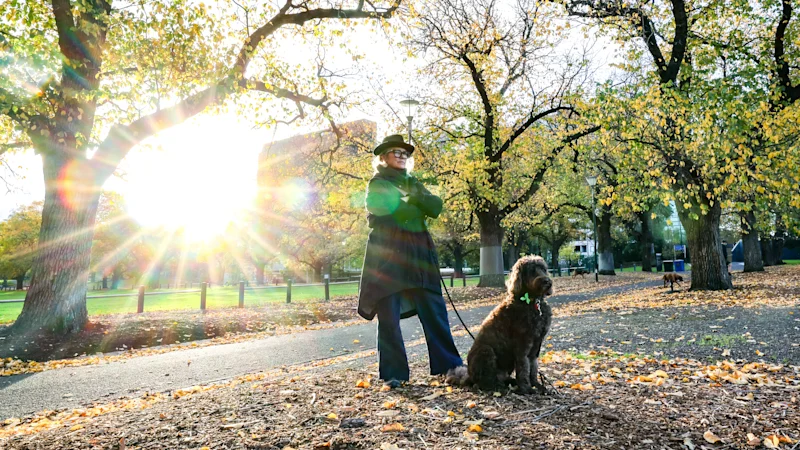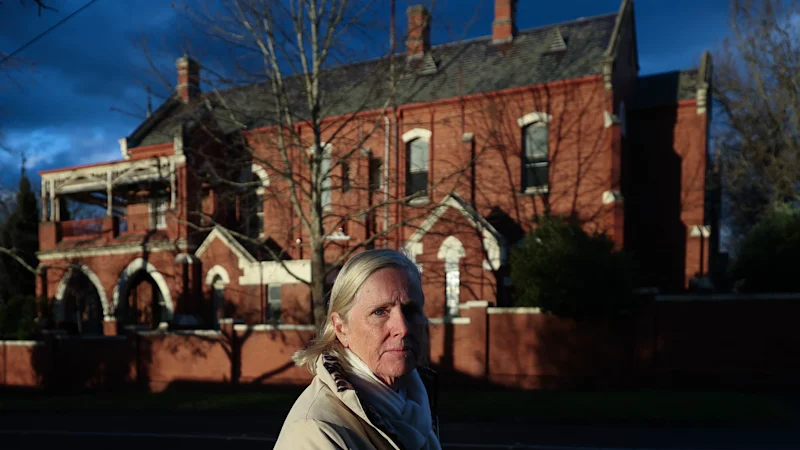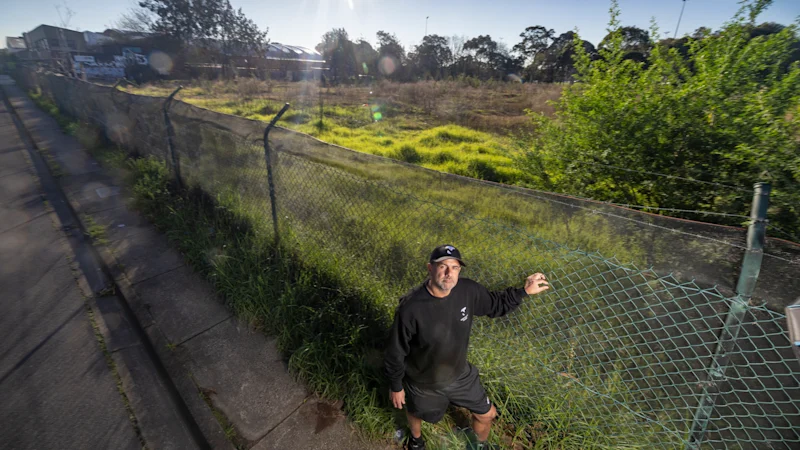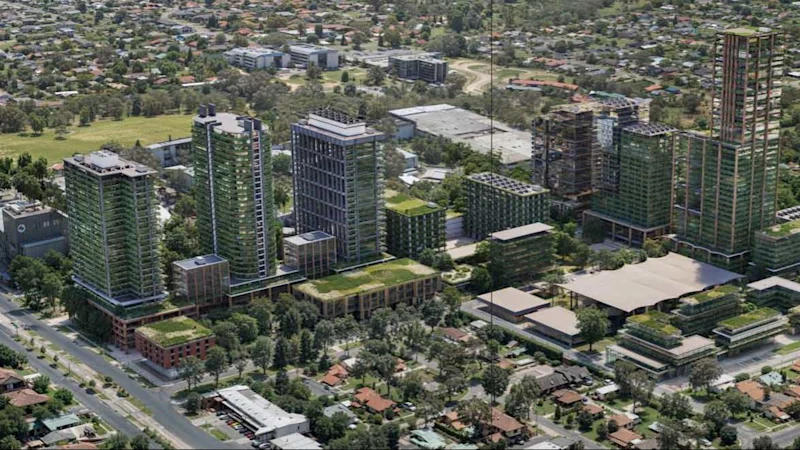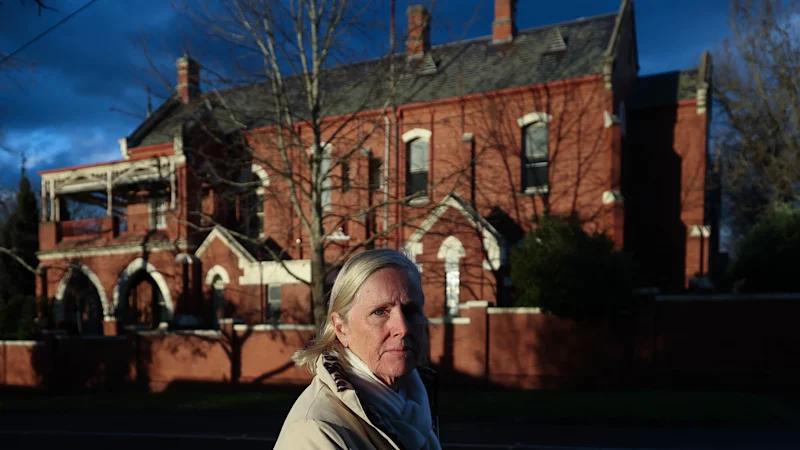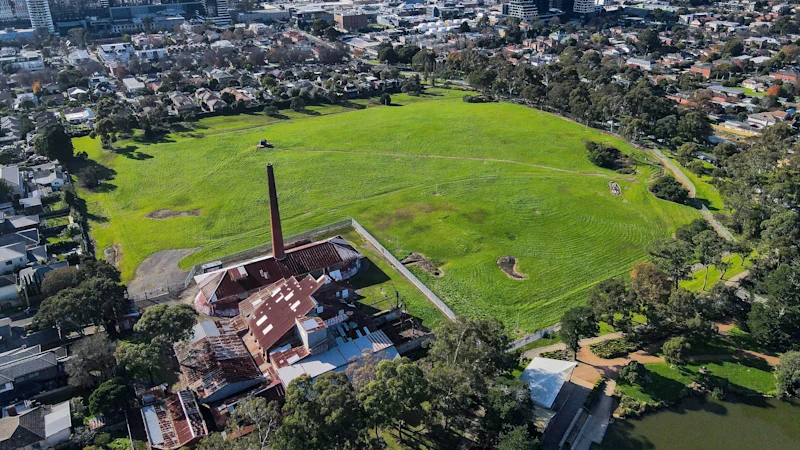
July 12, 2026 — 1:30pmViewed from above, Box Hill Brickworks is a lush oasis surrounded by towers and suburban sprawl. From the ground, however, tall wire fencing and anti-trespass signs dominate the view.The former quarry and landfill is off-limits to the public and has been at a standstill for three decades, but could be home to development up to 10 storeys tall under the race to create more housing near Suburban Rail Loop (SRL) train stations.The old brickworks site in Box Hill.Eddie JimThe privately owned land is equivalent to about 3.5 MCGs in size, and Planning Panels Victoria has recommended 95 per cent be zoned for development, while reserving the rest as open space.While Planning Minister Sonya Kilkenny is yet to decide the site’s fate, residents and Whitehorse Council are railing against the proposal and fighting for it to be designated parkland, similar to the former quarry land at Northcote’s All Nations Park and Darebin Parklands.Box Hill Brickworks Parkland Association Vincent Menilli said he does not oppose “progress” like the SRL, but argued the area is in desperate need of more community spaces as the suburb’s population booms.“It’s almost like giving a child an ice cream cake and saying it’s there, but you can’t have it,” he said, pointing to the fenced-off green grass. “It’s what saves Box Hill.”Surrey Park, which neighbours the Brickworks, is already home to multiple sporting clubs and a swimming pool, but the limited space gets so busy that more passive space is needed, the association’s secretary Greg Buchanan said. “We’re not opposed to some housing, but we’ve always thought a significant part of this land should be green open space for the community because the Suburban Rail Loop in their planning are forecasting that Box Hill will double in size within the next 15 to 20 years,” he said.The exact cost of the site and remediation works is unknown. The Whitehorse Council has committed to buying the land and carrying out safety works if the site ever goes up for sale, with its Public Open Space Reserve sitting at $72 million.Whitehorse Mayor Kirstin Langford said the Brickworks is one of the last significant undeveloped spaces in the municipality. While construction nearby on other approved developments up to 50 storeys tall has stalled, cranes will return to the suburb.“If we don’t save this space now, it will be gone. And once it’s gone, it’s gone forever,” she said. “[It’s] an opportunity to have a Central Park or a Hyde Park.”Part of the Box Hill Gardens will shut for eight years during station construction works, with two new parks created equivalent to 0.6 hectares (1.48 acres) total.Monash University Senior Lecturer in Urban Planning and design Liz Walker said it previously made financial sense to turn former quarries into tips and then parks, but for the past decade, it’s been more lucrative to remediate the land for development due to demand for housing.Landfill shifts as it decomposes, Walker explained, and said that while it’s not such an issue for parkland, greater work is needed for housing sites as contaminated soil commonly needs to be replaced, which is expensive.“The economics have changed so much that we’re now losing this opportunity to get passive open space through this kind of life cycle of landfills,” she said.In its advisory report released in February, Planning Panels Victoria’s recommendation to zone 95 per cent of the site for development came after consultation hearings in mid-2025, with no specific developments or layout locked in.Architect Craig Yelland, a development feasibly expert for the owner Phileo Australia, gave evidence to the panel that under previous plans and rules, the site would make a $145 million loss, or 21.8 per cent of the project’s cost.Phileo argued to the panel that one way to address this issue was through higher floor area ratios, which are measures that dictate building density, and that raising them would effectively allow them to build higher or occupy more of the block.Residents living near the Box Hill Brickworks site want the area to have more passive open spaceEddie JimAfter the evidence, developers met with the Suburban Rail Loop Authority and negotiated an agreement that could allow them to build more homes and open space, which was submitted to the panel.Any specific development plans would go through a separate approvals process, with the proposed ratio of housing to commercial space unknown. Plans must adhere to other controls like overshadowing rules and heritage protections on the Brickworks building.YIMBY Melbourne organiser Jonathan O’Brien said while greater development on the Brickworks site would be a trade-off against open space, there was a great social benefit in building more housing.“You’re within walking distance from Box Hill railway station. They’re going to get the SRL there; there’s going to be a great number of people able to benefit if they’re allowed to live there,” he said.An SRL spokesperson said they understood parkland and open space were important to the community and Whitehorse City Council previously rezoned the Brickworks site for housing.“The Suburban Rail Loop will slash travel times, cut congestion, and help busy families – while connecting people to Monash and Deakin by rail for the first time,” they said.It’s not uncommon for former quarries to become parks or housing; however, turning former landfills into housing can be controversial.For years, Monash Council has pushed back against turning the former Talbot quarry and landfill site into housing, while a push to rezone a former Heatherton tip under consideration has faced opposition from Kingston Council. A section of Cranbourne Golf Course just over one kilometre from landfill faced community opposition but has since gained approval to become housing.Phileo Australia was contacted for comment.Start the day with a summary of the day’s most important and interesting stories, analysis and insights. Sign up for our Morning Edition newsletter.From our partners
‘Central Park of Box Hill’: How a brickworks site is dividing a community and developers
As the Suburban Rail Loop is poised to bring a population boom to Melbourne’s outer suburbs, green space is becoming a hot commodity dividing locals and planners.
967 words~4 min read