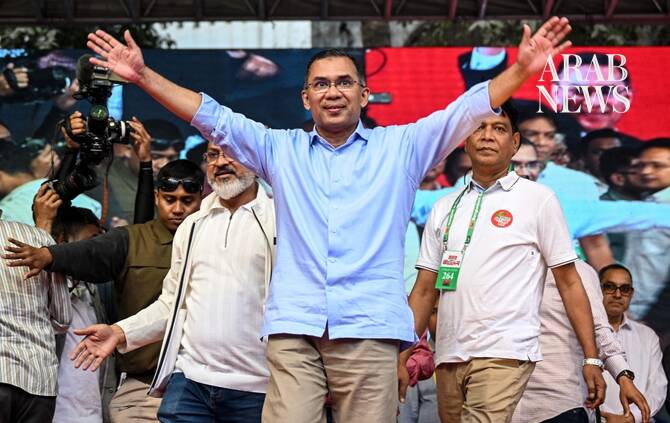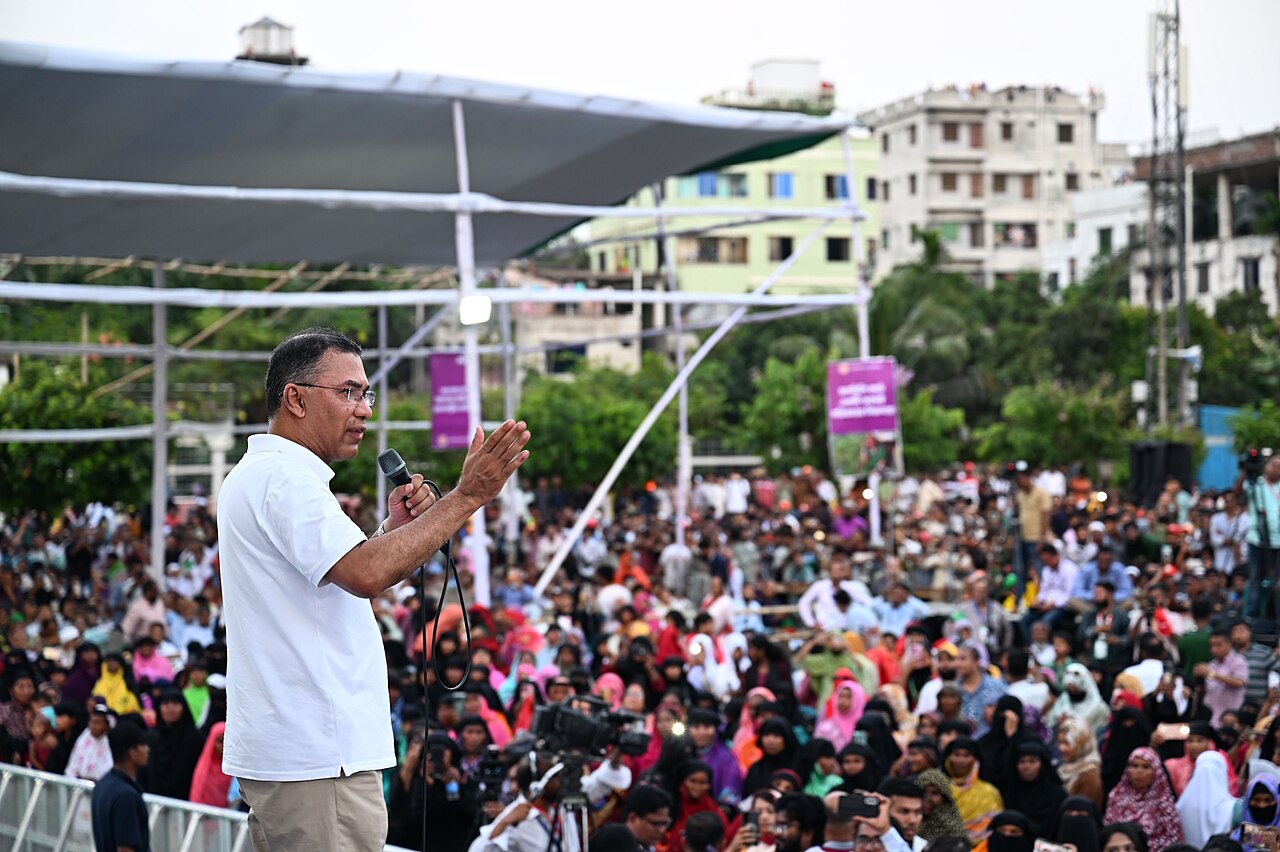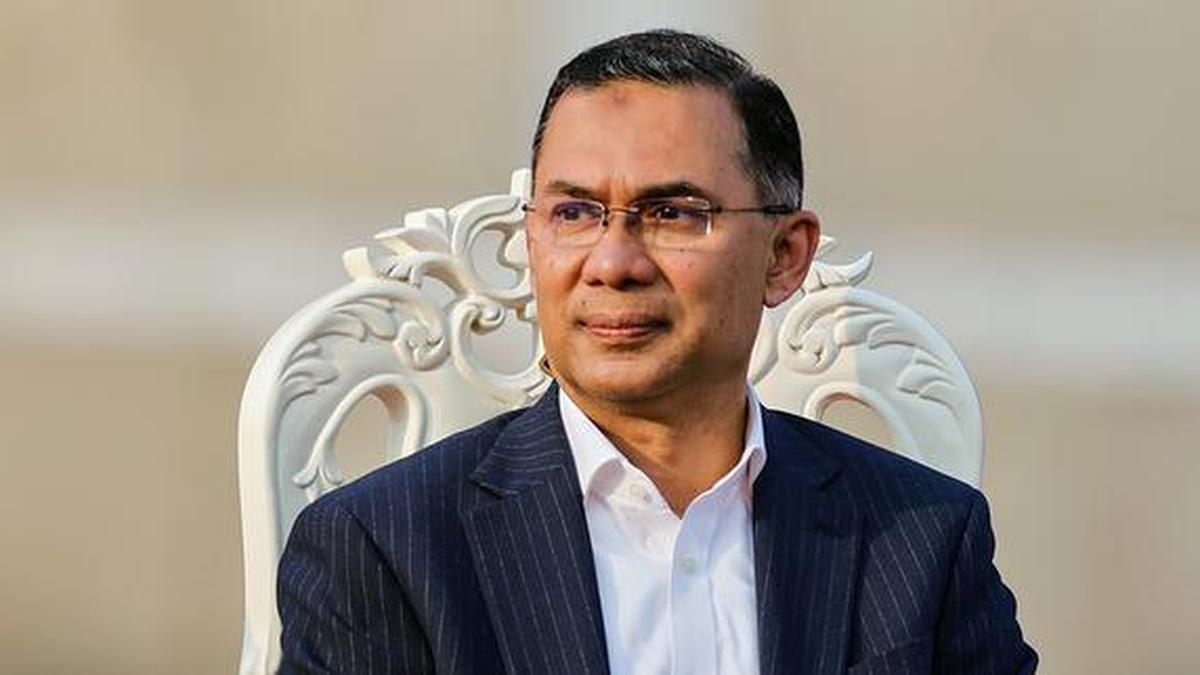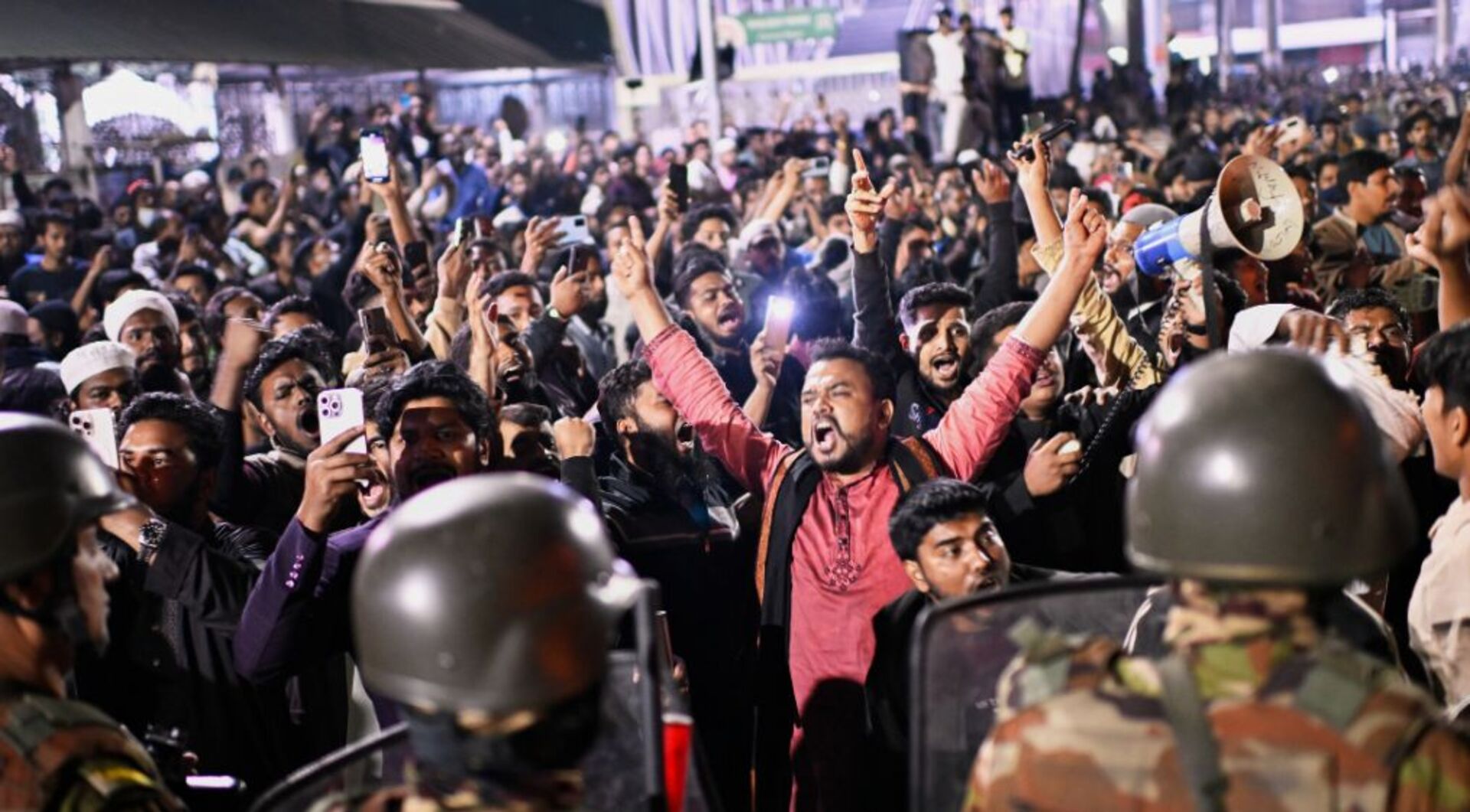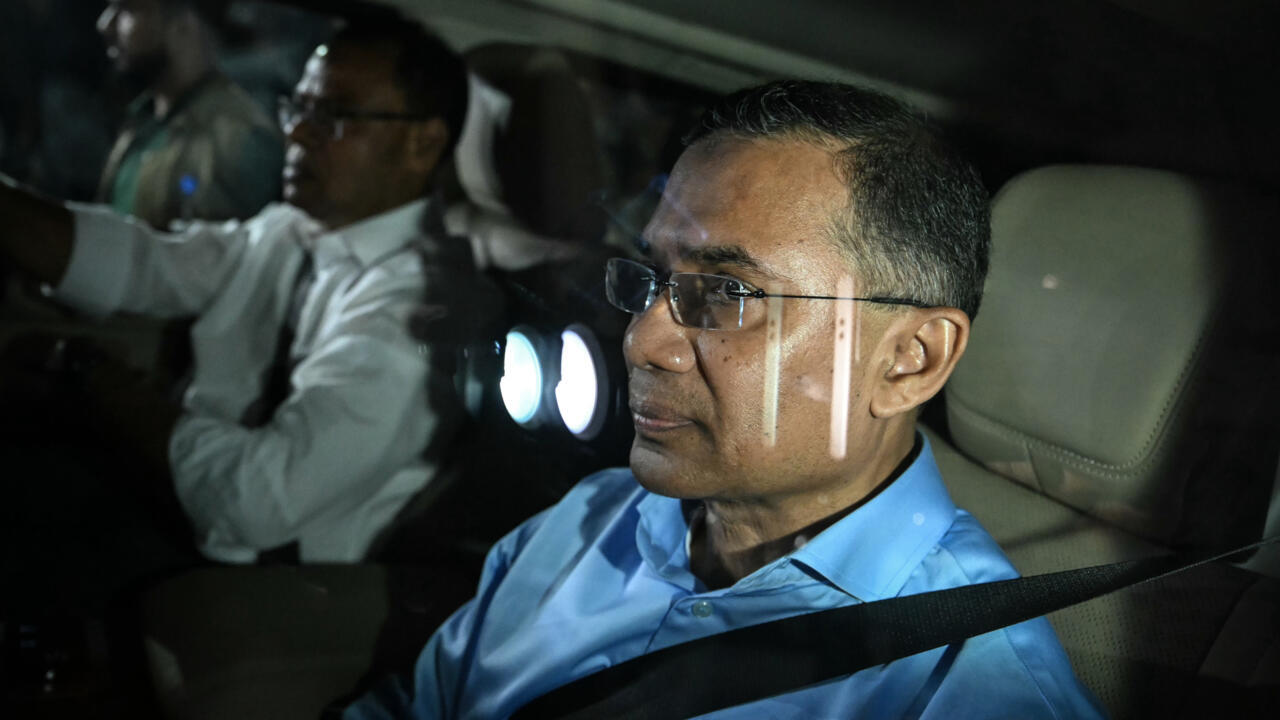
Rahman, who leads the Bangladesh Nationalist Party (BNP), pledged during February's elections to end the state-backed violence that marked Sheikh Hasina's rule before her ouster in the 2024 revolution.Rights groups say political rivalries, weak law enforcement and a culture of impunity are driving continued violence after the elections brought Bangladesh's first elected government to power since the uprising.Prominent rights organisation Ain o Salish Kendra (ASK) recorded at least 66 politically related killings, along with 61 deaths in police custody, 11 extrajudicial killings and other alleged human rights abuses over the last six months."Deaths in jail and police custody appear to be rising," ASK senior official Abu Ahmed Faijul Kabir told AFP.The government disputes that.It insists the situation is improving and argues that the increase in reported killings reflects historic cases because surviving relatives only now feel secure enough to report them to police."After the current government assumed office, we are in a historically improved position on most indicators," Home Minister Salahuddin Ahmed told parliament in late June.'Bury the truth'Others tell a different story. In June, 17-year-old Mohammed Suman joined a rally held by Hasina's Awami League. The rally was banned -- Hasina is a convicted fugitive hiding in neighbouring India and facing a death sentence in absentia -- and Suman vanished.
Political violence shadows Bangladesh's new government
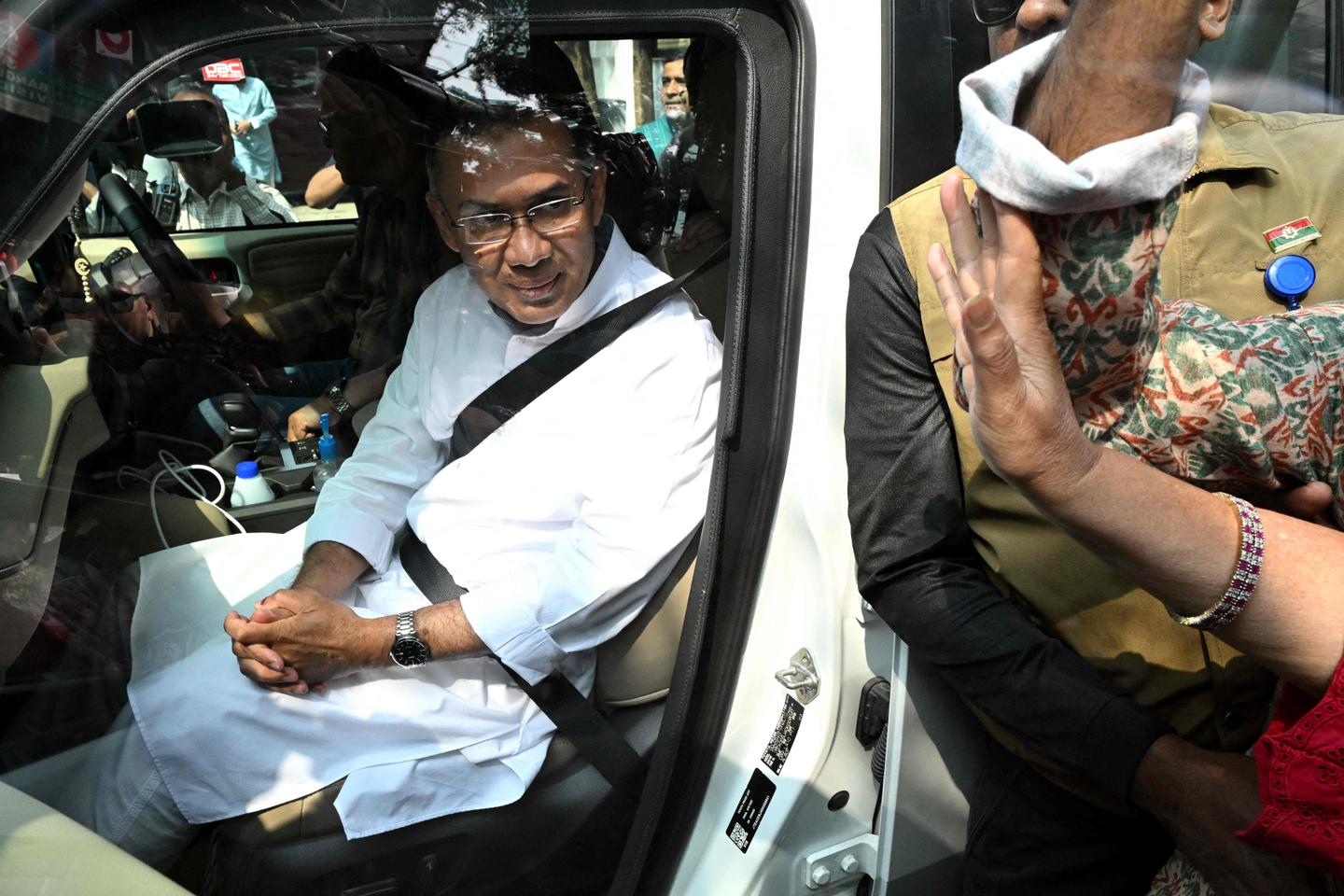
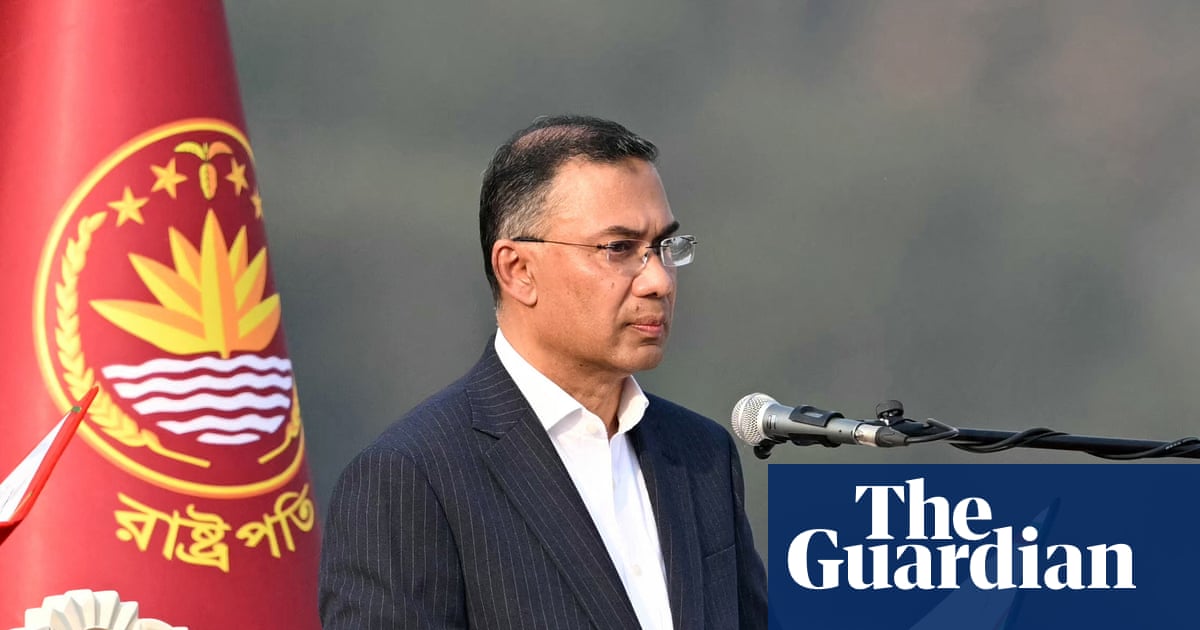
Bangladesh's new government won power promising to end political violence, but six months after Prime Minister Tarique Rahman took office, the killings continue.
756 words~3 min read