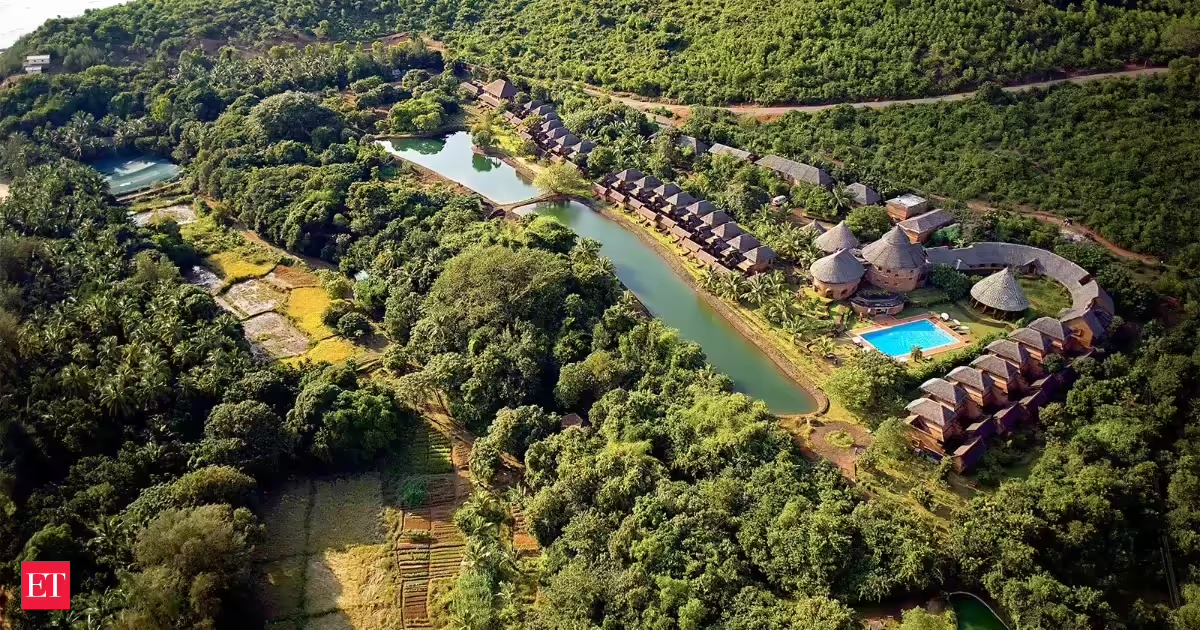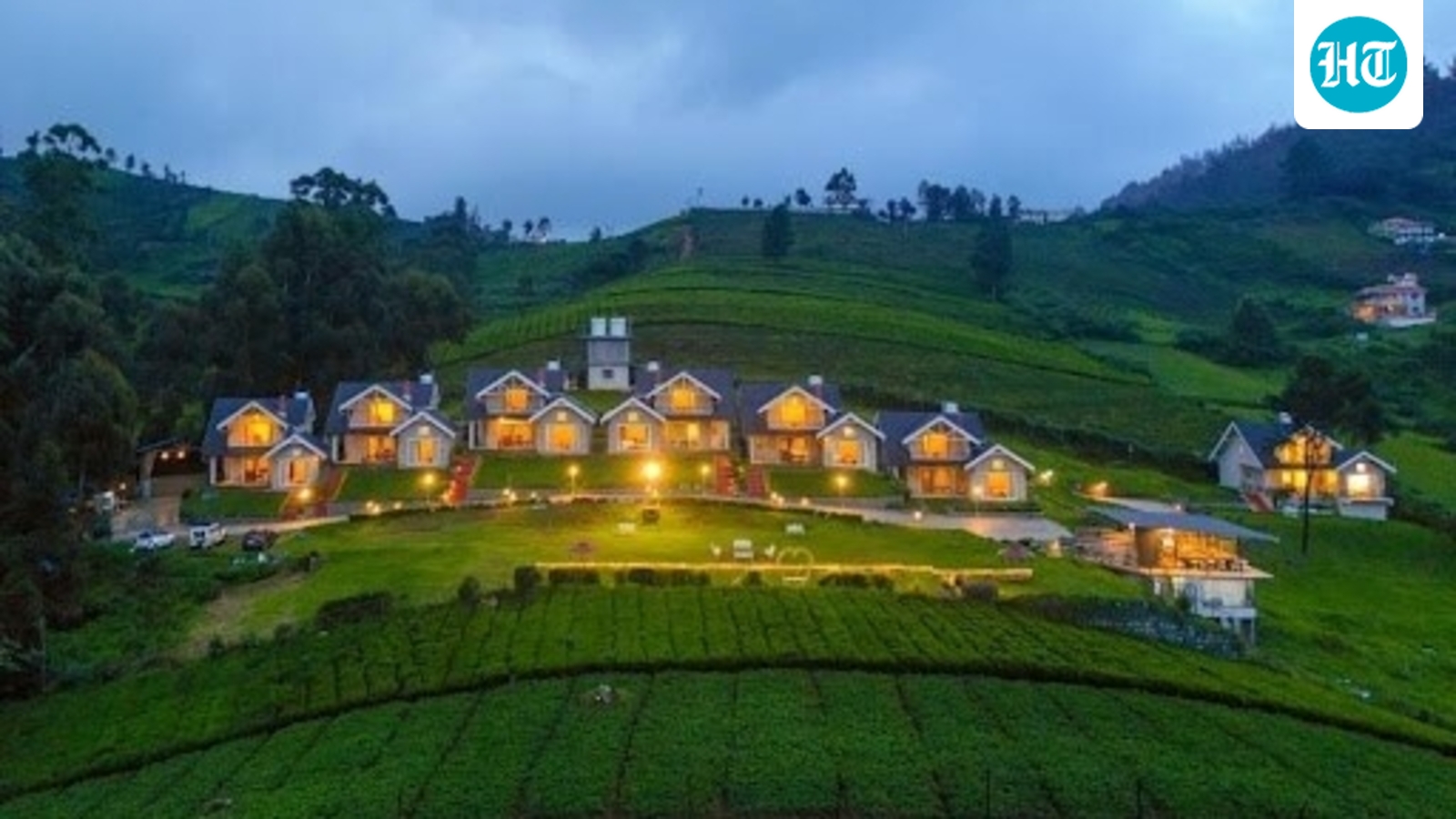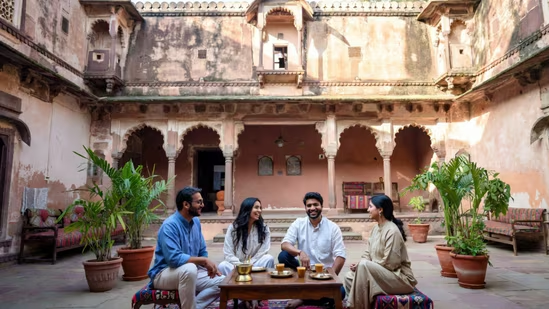
As global tourism continues to rebound, travelers are rethinking how, where and why they travel.Heritage homestays in Kerala, mountain homes in Spiti Valley and locally run guesthouses across the country are attracting travelers. (AI Generated/ GROK)Luxury hotels are no longer the default choice for many US-based Non-Resident Indians (NRIs) returning to India. Solo travelers and NRIs returning to India to visit home have also shown growing interest in wellness, cultural immersion and offbeat destinations.Heritage homestays in Kerala, mountain homes in Spiti Valley and locally run guesthouses across the country are attracting travelers seeking meaningful experiences rather than lavish amenities.This change is especially visible among diaspora travelers. Many NRIs already visit India to reconnect with family. Now, they are extending those trips to explore regions beyond major cities to seek connection with themselves.Also read: Update for UAE travellers: Indian Embassy launches free direct booking portalWhy heritage homestays are replacing luxury resorts1. Heritage = Authentic cultural experiencesHomestays allow visitors to experience regional traditions firsthand. Guests often share home-cooked meals, learn local customs and participate in village life.The authentic cultural experience of true Ayurvedic practices of Kerala, immersive nature stays of Rishikesh and the serene Ganga Aarti of Varanasi cannot be fully part of your journey at a conventional luxury resort.2. Slow travel is becoming the preferred styleInstead of rushing through multiple destinations in a single trip, many travelers are choosing to spend several days, or even weeks, in one place. A slower pace allows them to experience local traditions, connect with communities and enjoy each destination without the pressure of ticking off attractions.Mountain getaways have become especially appealing for those seeking a break from constant notifications and busy schedules.Destinations such as Kasol, Manali, Jibhi, Kheerganga, Solang Valley and Spiti Valley are attracting travelers looking to combine adventure with moments of peace, reflection and scenic beauty, making slow travel as much about mental rejuvenation as exploration.3. Food has become part of the journeyRegional cuisine is increasingly influencing travel choices. Staying with local families gives visitors access to traditional recipes and ingredients that are rarely available in commercial hotels.The taste of Rogan Josh of Kashmir is only available when it's made by the local chef of the homestay travelers choose as their spot.Read more: Indian influencer Sharanya Iyer's Afghanistan travel video goes viral. Who is she?4. Wellness is driving travel decisions in IndiaWellness tourism remains one of the fastest-growing segments in global travel. India is a hub for the work obsessed individuals to come get away in the serene and calm world of meditation, healing and some time away from social responsibilities.Kerala's Ayurveda retreats, yoga centers and nature-based stays appeal to travelers looking for physical and mental rejuvenation.5. Sustainability over overspending and capitalismTravelers increasingly want their holidays to benefit local communities instead of large hotel chains.Many homestays use locally sourced food, employ nearby residents and promote environmentally responsible tourism. Guided eco-tours to view the Bengal White Tigers in their natural habitat in Sunderbans increase opportunities for community-led conservation activities.
Why US-based NRIs are swapping luxury resorts for heritage homestays in India
Travelers are increasingly choosing personalized experiences over packed itineraries. Sustainable tourism, wellness escapes and "coolcations" is on the rise.
495 words~2 min read