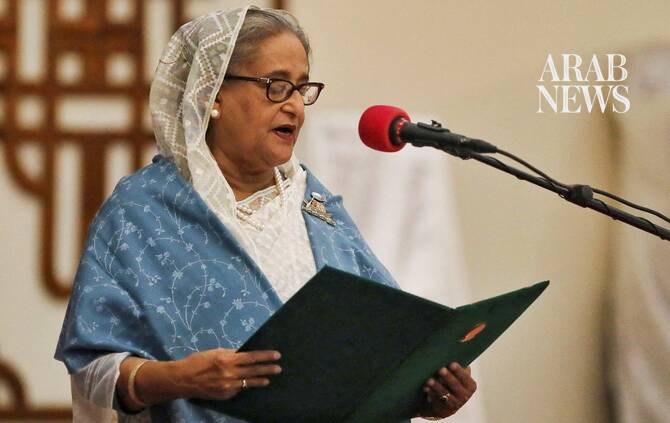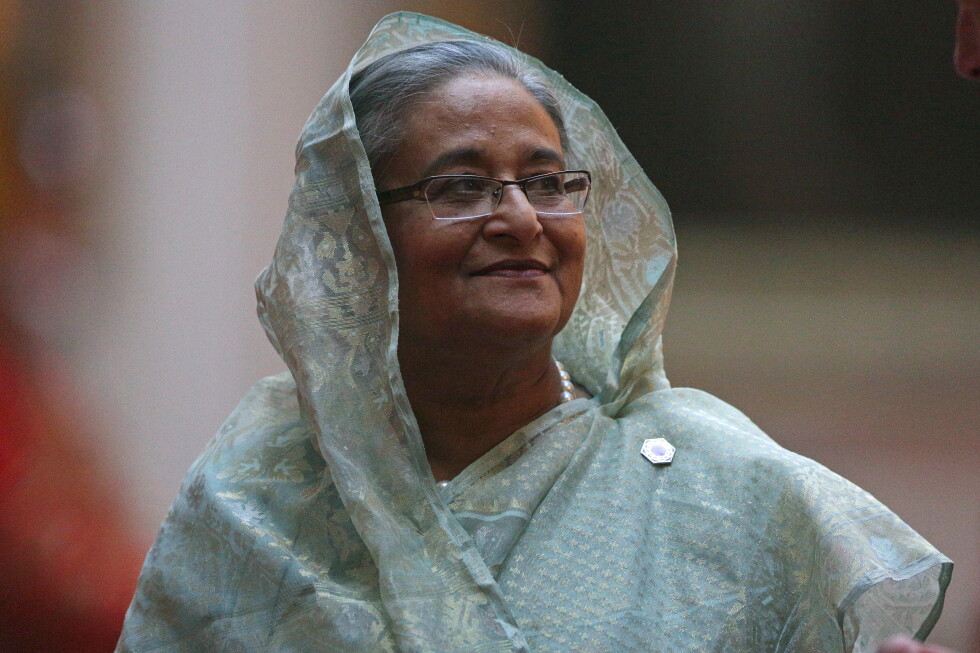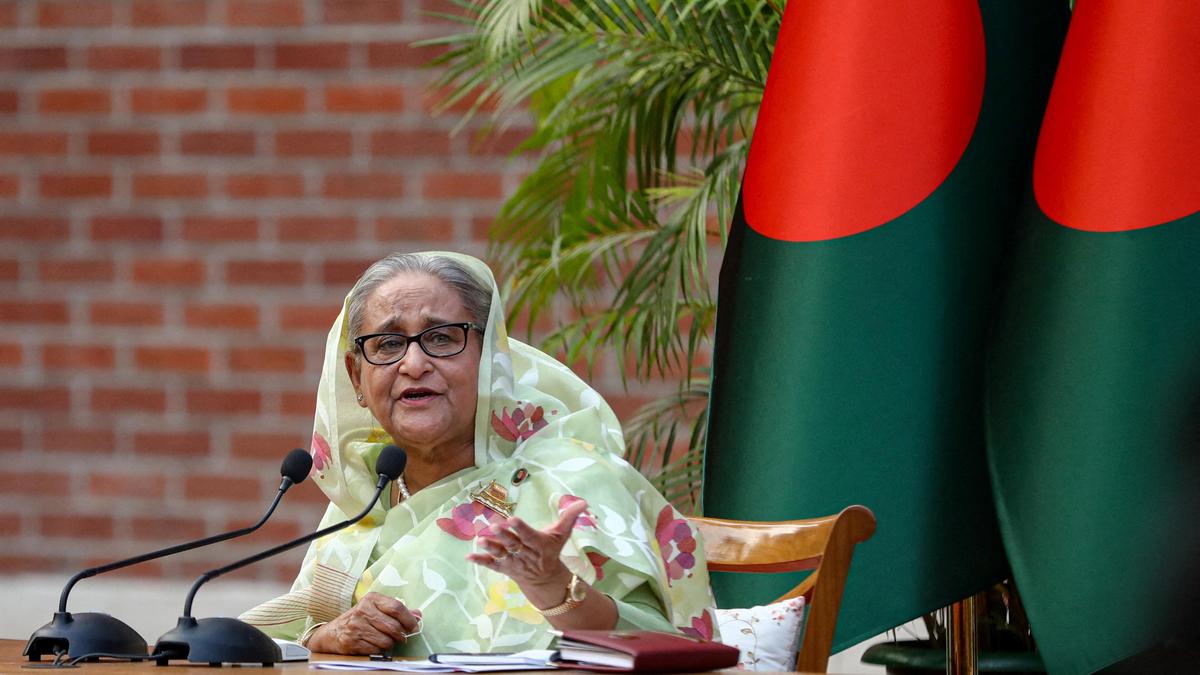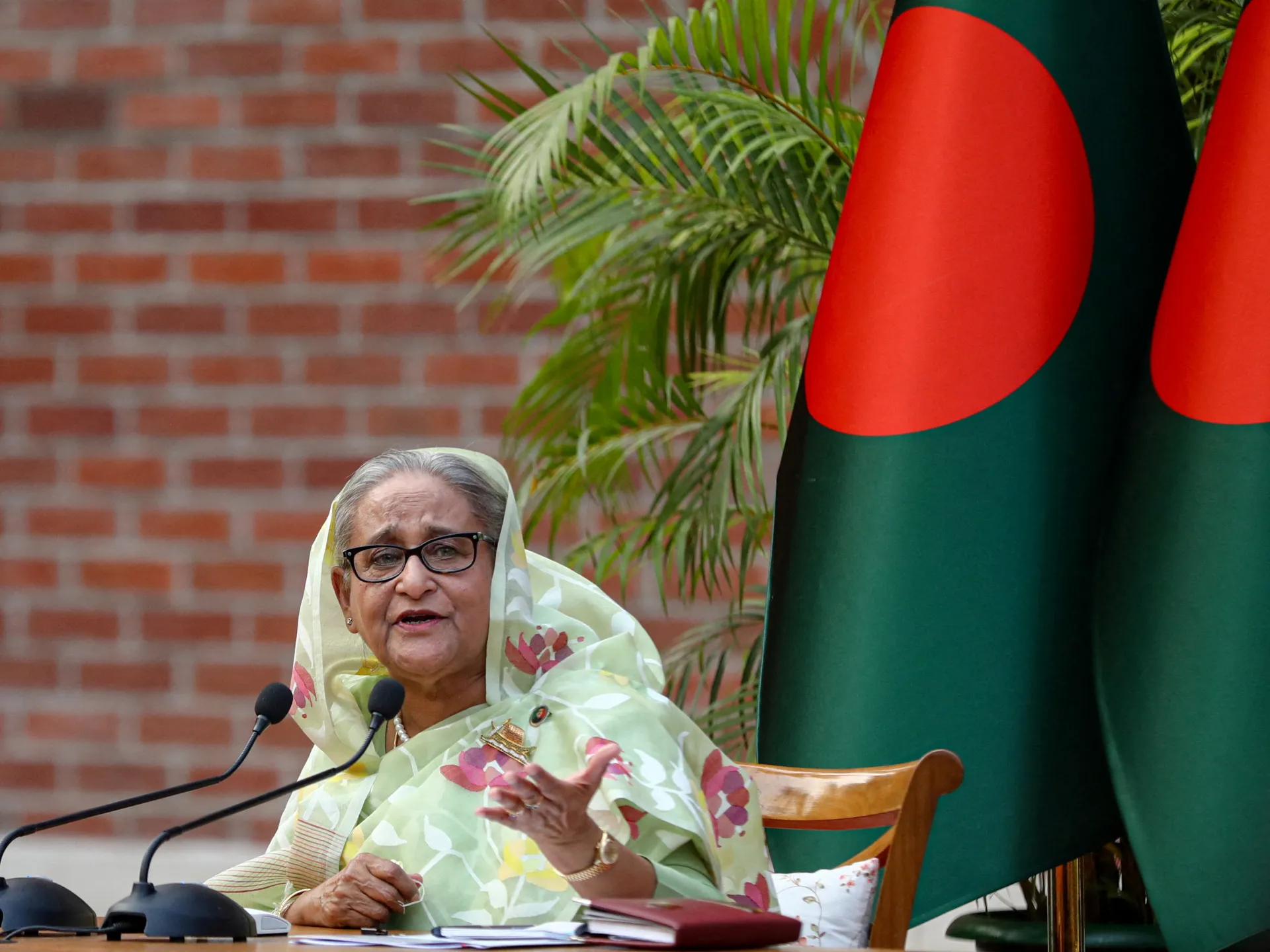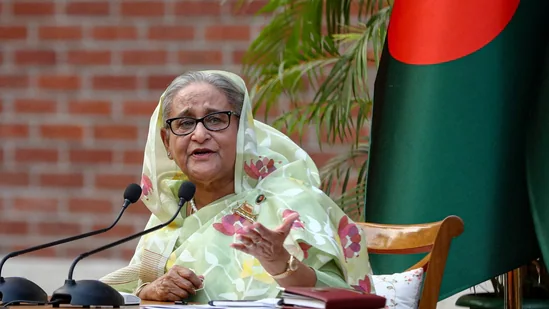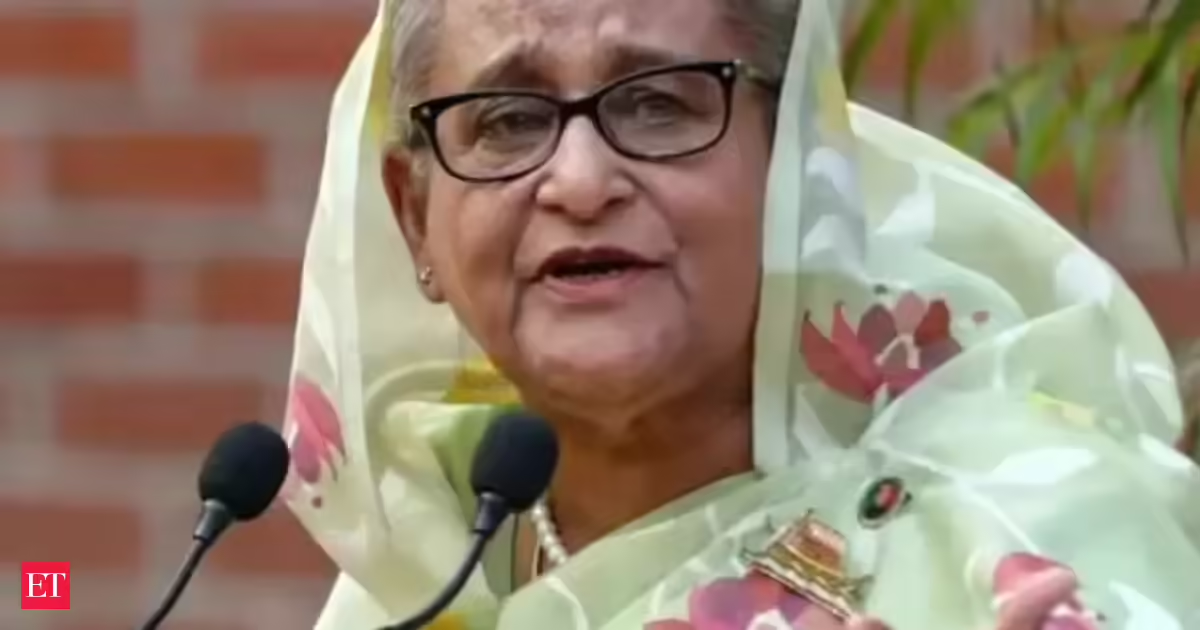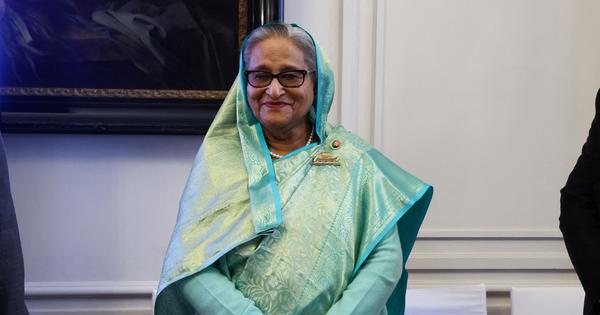
Sheikh Hasina, the ousted prime minister of Bangladesh, has said that she will return home around December and surrender despite the death sentence handed down against her while she has been living in exile in India.In a telephone interview with Reuters published on Friday, the 78-year-old said she would return alongside senior Awami League leaders to challenge what she called the unlawful dissolution of her party.“They may arrest me on my return, they may even kill me,” she said. “Still, I have to go. If death comes, I want it to come on my own soil.” She also called the courts that sentenced them “farcical”.Hasina has been saying for months now that she will return to Bangladesh.In an interview with NDTV on June 28, she said she would be back this year. Five days earlier, in an opinion article for The Print, she wrote that she would return to restore democracy, the rule of law and the spirit of the Liberation War. In late May, Times of Bangladesh reported that party activists had already been mobilised ahead of her return.The Reuters interview, however, was different in two important ways.For the first time, Hasina gave a specific timeframe, saying she would return “around December”. She also spoke directly to an international news agency over the phone – that too for nearly an hour as the report suggests – instead of issuing a written statement or a recorded message.That alone made the interview major news in Bangladesh. Many local media outlets reported it prominently despite a December 2024 court order banning the publication of Hasina’s speeches. The government later reminded newspapers, television channels and online platforms to comply with that order.Nevertheless, the interview dominated the country’s political discussion throughout Friday – a public holiday. However, very few people appear convinced that Hasina will actually return this year.— Bangladesh Awami League (@albd1971) June 28, 2026
What Sheikh Hasina’s pledge to return home around December could mean for Bangladesh – and India
The ousted leader has made it harder for New Delhi to keep avoiding a more definite answer about her future in India, where she lives in exile.
1,128 words~5 min read