See more Daily Mail on Google - save us as a Preferred SourceBy MARTI STELLING, HEALTH REPORTER Published: 01:08 BST, 12 July 2026 | Updated: 01:46 BST, 12 July 2026
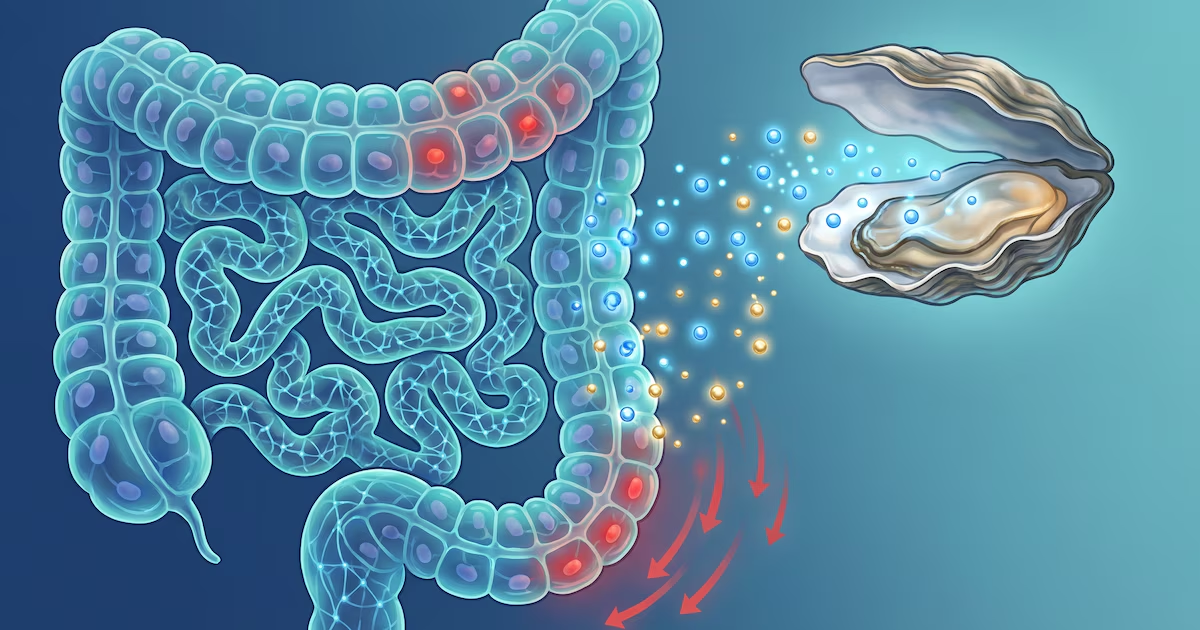
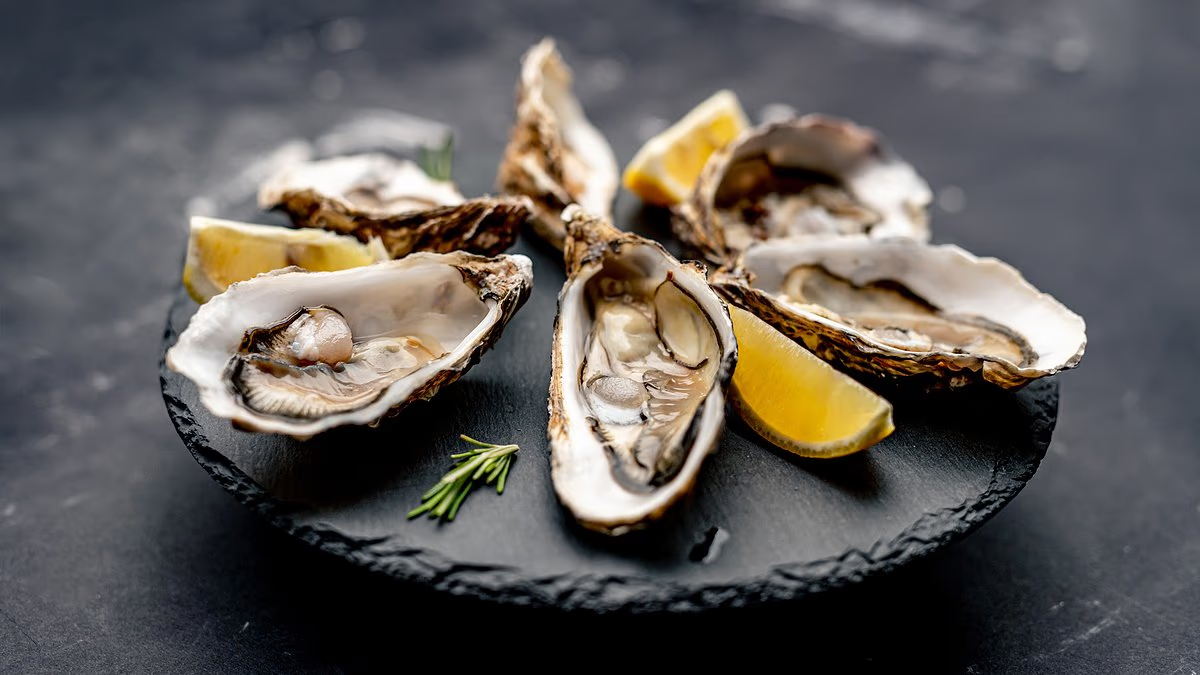
Eating oysters may reduce the risk of cancer, a study suggests.Researchers at the University of Ferrara in Italy found that an extract made from native Pacific oysters can cut inflammation in intestinal cells.Chronic inflammation is a factor in many diseases, including cancer, type 2 diabetes, cardiovascular disease and inflammatory bowel disease.It can often be caused by changes in the permeability of the intestinal barrier, known as ‘leaky gut’, which allow bacteria and toxins from the intestines to enter the bloodstream.Some experts have argued that gut inflammation may, in part, be responsible for the rising number of bowel cancer cases in the under-50s.Previous research has shown that seafood is a source of lean protein and rich in omega-3 fatty acids, as well as high levels of vitamin B12, iron and selenium, which can help lower the risk of heart disease.Some studies have also pointed to the libido-boosting properties of oysters, as their high zinc content supports testosterone production and reproductive health. Eating oysters may reduce the risk of cancer, according to a new studyThe study, presented at the Society for Experimental Biology conference held in Florence, Italy, used dried Pacific oyster meat, which is made by sun-drying or gently dehydrating fresh oyster meat.The researchers produced an extract from the dried meat and tested it on intestinal cells, and found that it effectively lowered inflammation in them.‘This is, to our knowledge, the first time oyster tissue has been shown to exert anti-inflammatory effects on intestinal cells,’ said Giulia Trinchera, a PhD student in molecular physiology at the University of Ferrara. Ms Trinchera emphasised that while the results were promising, further experiments and trials were needed to confirm the effects, establish safe dosages and identify exactly which bioactive components are responsible for the anti-inflammatory activity.In the UK roughly 30 million oysters are consumed per year. The vast majority eaten are non-native Pacific oysters, farmed in places such as Essex and Scotland, while genuine native oysters make up only a tiny fraction of the market.