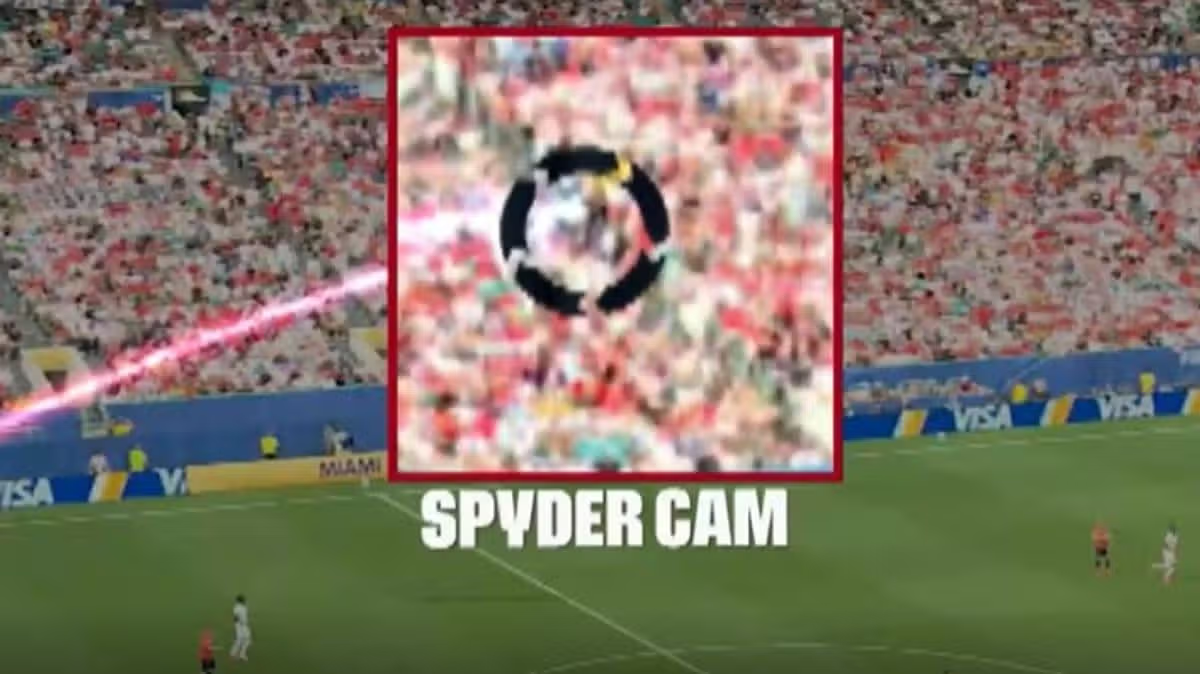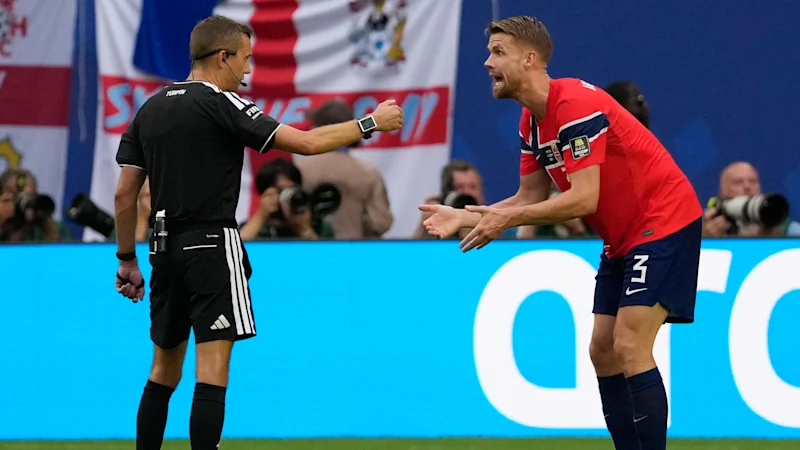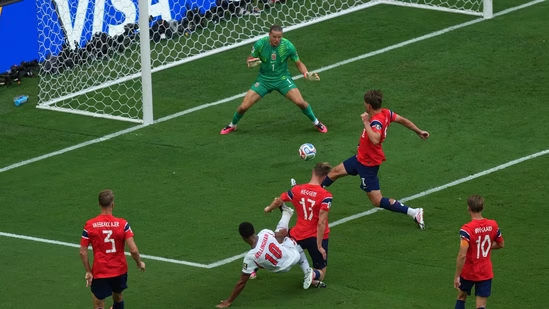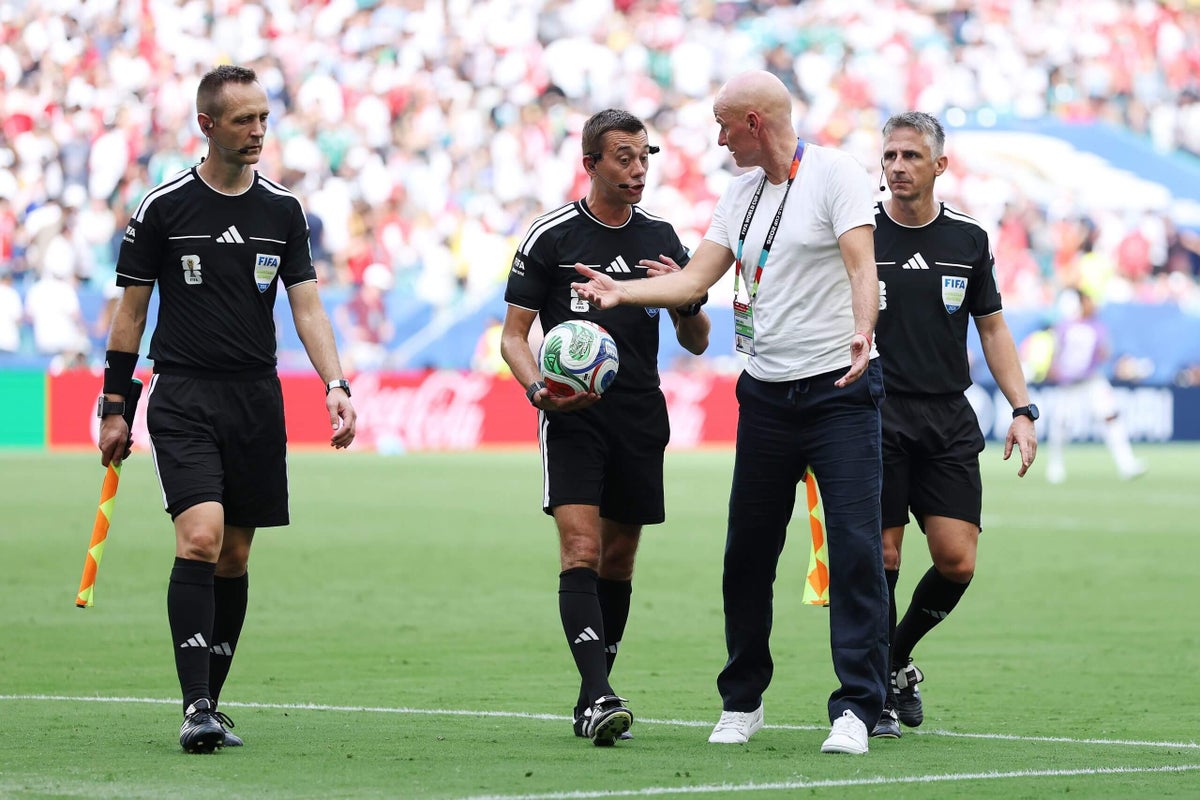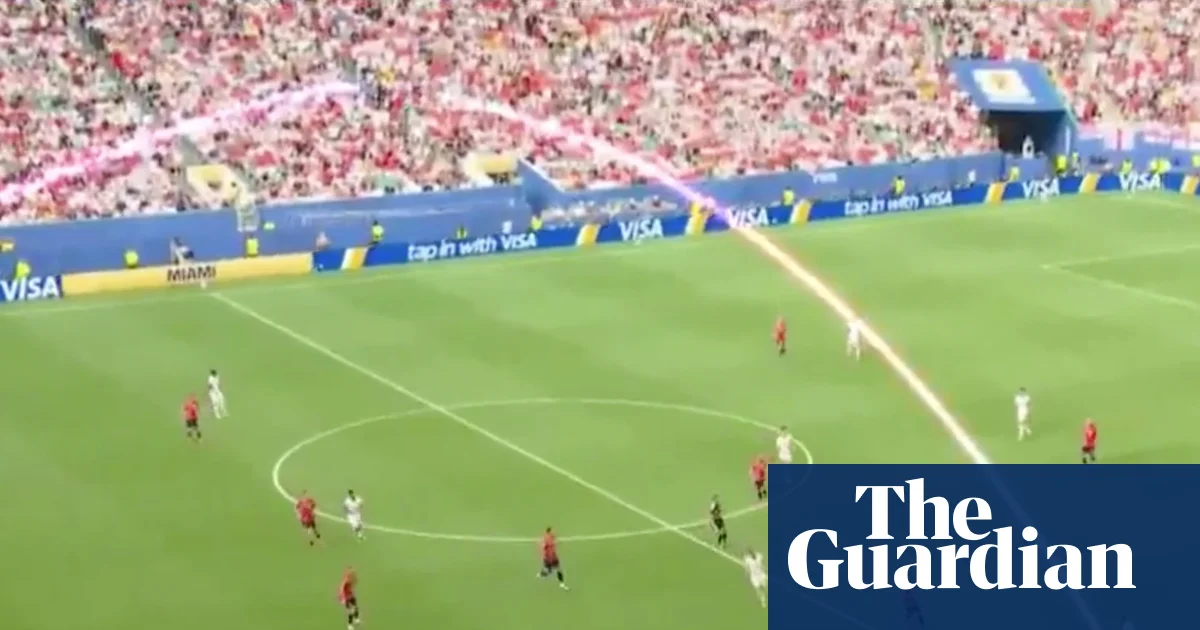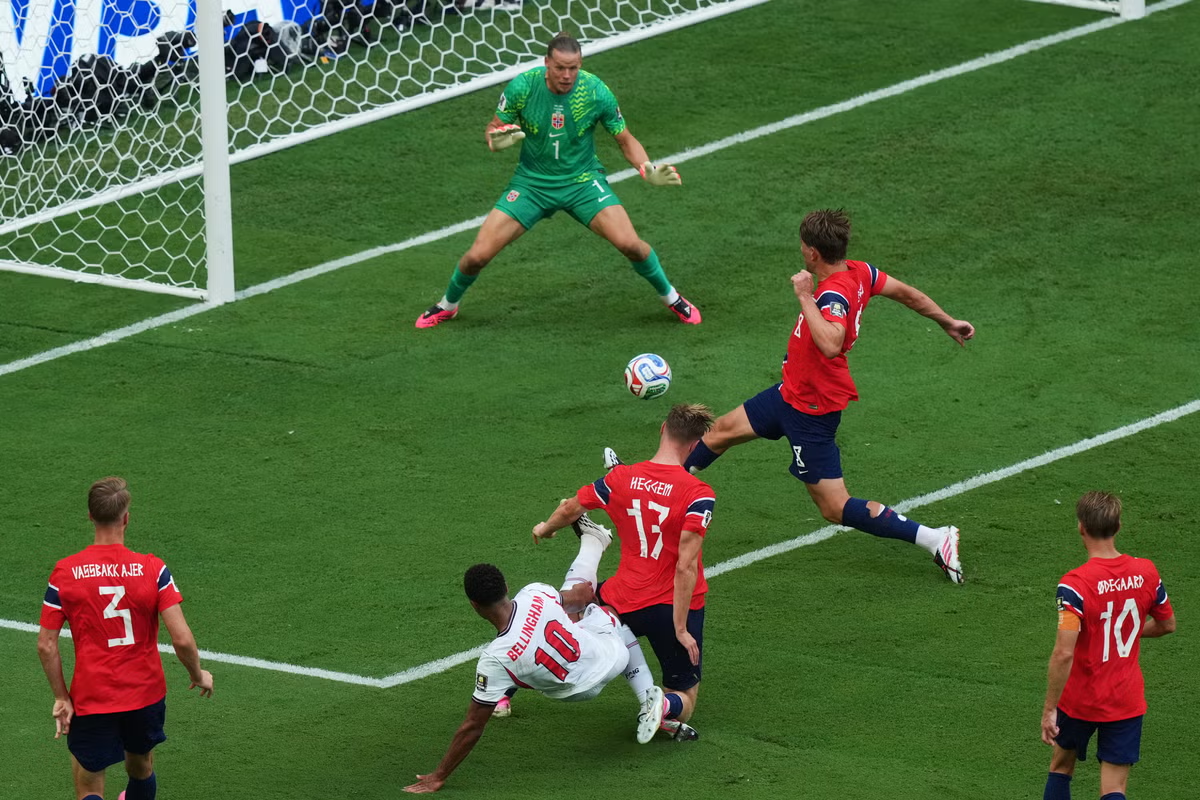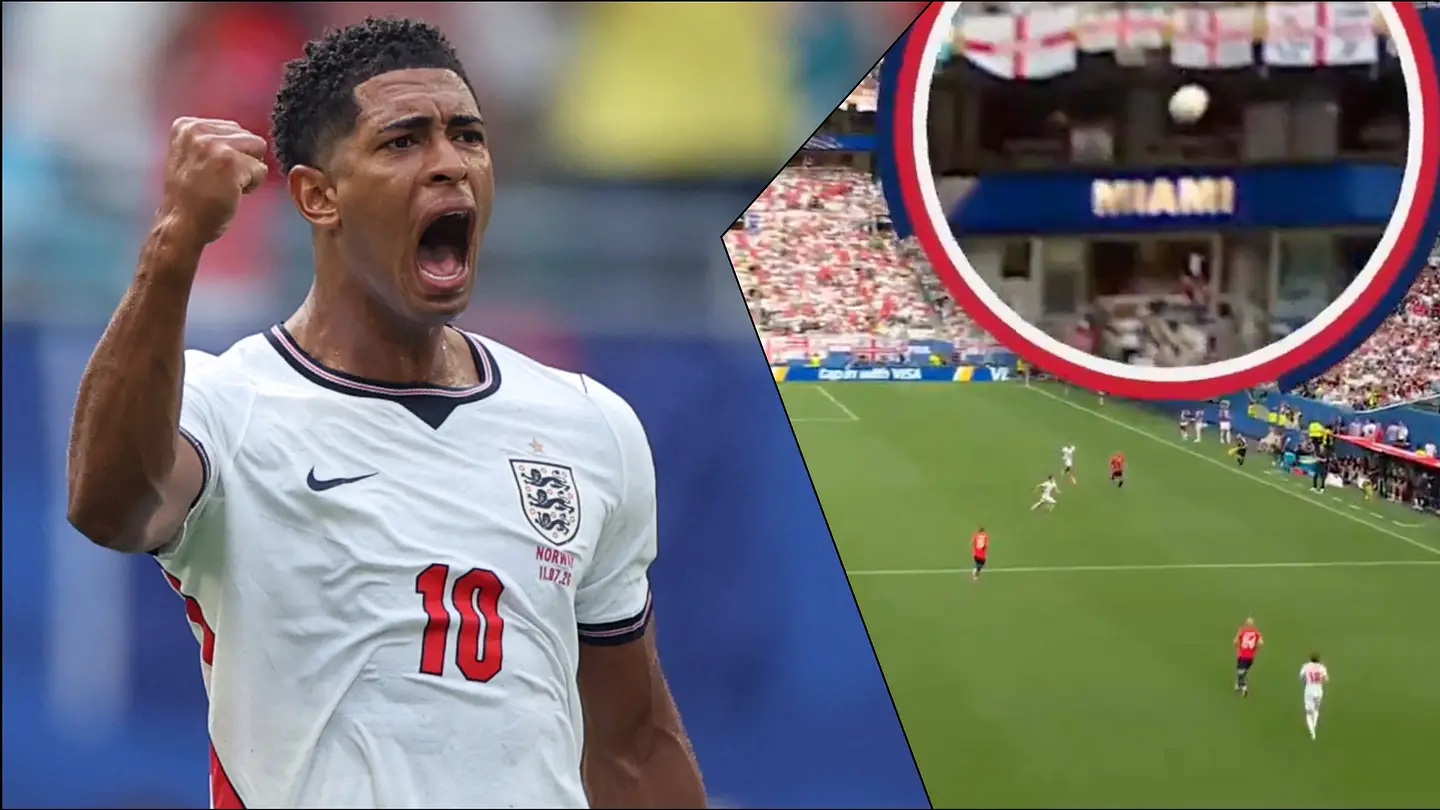
Harry Kane and England unconvincingly cried foul play in the buildup for Norway’s opener in Saturday’s World Cup quarterfinal but it was the Scandinavians who felt even more hard done by in the first half.There was nothing wrong with Jude Bellingham’s brilliant individual burst, collecting Anthony Gordon’s low ball across the edge of the box, skipping past Torbjørn Heggem before picking out the bottom corner.However, the controversy began with Ørjan Nyland’s goal kick a matter of seconds earlier. The long pass punted forward dropped surprisingly short, allowing Elliot Anderson to pick up possession and set the passage of play in motion which ended with Bellingham’s goal. Nyland and Norway manager Ståle Solbakken vociferously insisted to the officials that the ball hit the wire of the spidercam suspended above the pitch.On the play that led to England's equalizer, the ball hit the FIFA sky cam before the goal. pic.twitter.com/QZgYSVcSpK— FOX Sports (@FOXSports) July 11, 2026Spidercam is not considered a part of the pitch. The ball can hit the posts, crossbars and corner flags and still be considered “in play” but this extra camera equipment is not. Hitting spidercam is akin to the ball striking the referee: the play should have been called back and England’s equalizer would have been swiftly chalked off.Every goal is reviewed by VAR who now have access to a sensor inside the ball to detect a touch. This technology was used to disallow a dramatic equalizer for Croatia against Portugal in the round of 32 and rode to England’s rescue.FIFA Explain Why Bellingham’s Equalizer Was Allowed to StandBefore England’s goal in minute 45+2 against Norway, the sensor in the Connected Ball showed no peak in the 'heartbeat of the ball' when in the air, and therefore no evidence that the ball touched the overhead wire and changed the movement of the ball. pic.twitter.com/gYf9ukfveT— FIFA Media (@fifamedia) July 11, 2026During the bonkers match, FIFA released footage showing the sensor in the ball did not spike between Nyland’s kick and Anderson’s first contact. As the governing body made a point of spelling out: “Therefore no evidence that the ball touched the overhead wire and changed the movement of the ball.”Has the Ball Ever Hit a Camera Before?There are so many soccer games which are played with the benefit of a spidercam that this was bound to have happened before, but it is, of course, exceedingly rare. One recent example came during Canada’s Concacaf Gold Cup group stage clash with El Salvador last summer.Unlike the subtle incident in England’s knockout tie with Norway, few could miss the contact betweent he camera and the ball, with debris flying from the sky after a lofty clearance connected. As Norway may no doubt point out, the referee halted play on that ocassion. READ THE LATEST WORLD CUP NEWS, ANALYSIS AND INSIGHT FROM SI FCAdd us as a preferred source on GoogleFollow
Why Jude Bellingham’s Equalizer for England vs. Norway Caused So Much Controversy
Advanced technology helped England out against Norway in the World Cup quarterfinal.
478 words~2 min read