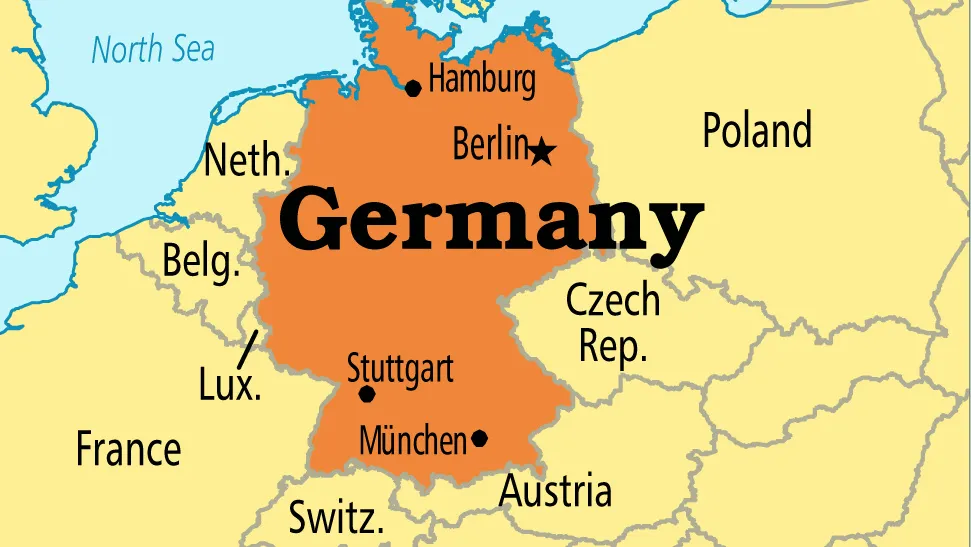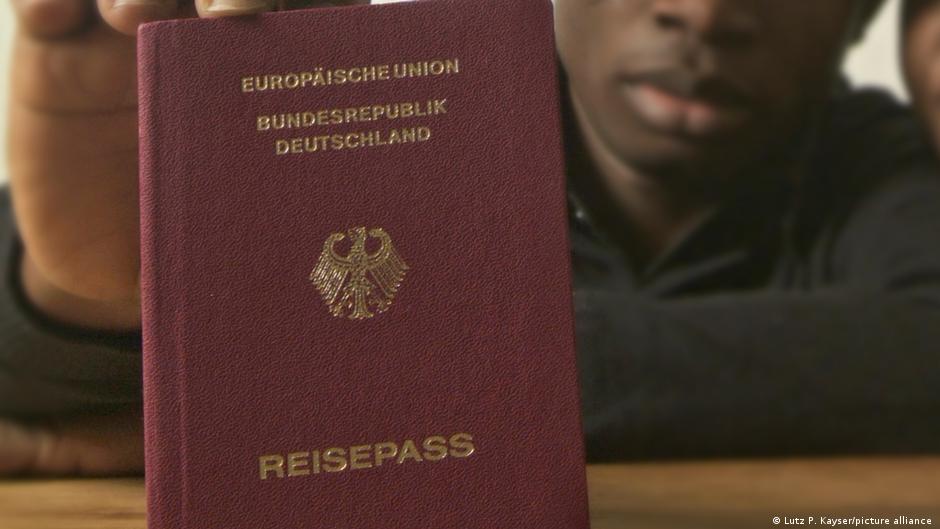
UPDATEFull list of visa-free entry to citizens of 62 countries in 2026: Yours included?Last updated: July 12, 2026 | 02:522 MIN READTravelers from 62 countries may visit Germany visa-free for short-term stays but must comply with the 90-day limit within any 180-day period. Gulf News / FileGermany will continue allowing citizens from 62 countries outside the European Union and Schengen Area to enter without a visa for short stays of up to 90 days in 2026, according to the German Federal Foreign Office.The policy, outlined in the government's official visa requirements list, permits eligible travelers to visit Germany for tourism, business meetings, or family visits for up to 90 days within a 180-day period. The exemption does not authorise employment.Get updated faster and for FREE: Download the Gulf News app now - simply click here.Among the countries included are several of Germany's closest economic and diplomatic partners, including the United States, the United Kingdom, Canada, Australia, Japan, South Korea, New Zealand and Israel.Citizens of a smaller group of visa-exempt countries may also enter Germany without a visa and apply for certain residence permits after arrival, subject to German immigration rules.Countries eligible for visa-free entry to Germany in 2026:AlbaniaAndorraAntigua and BarbudaArgentinaAustraliaBahamasBarbadosBosnia and HerzegovinaBrazilBruneiCanadaChileColombiaCosta RicaDominicaEl SalvadorGeorgiaGrenadaGuatemalaHondurasHong KongIsraelJapanKiribatiKosovoMacaoMalaysiaMarshall IslandsMauritiusMexicoMicronesiaMoldovaMonacoMontenegroNew ZealandNorth MacedoniaNicaraguaPalauPanamaParaguayPeruSaint Kitts and NevisSaint LuciaSaint Vincent and the GrenadinesSamoaSan MarinoSerbiaSeychellesSingaporeSolomon IslandsSouth KoreaTaiwanTimor-LesteTongaTrinidad and TobagoTuvaluUkraineUnited Arab EmiratesUnited StatesUruguayVatican CityVenezuelaShort-term staysTravelers from these countries may visit Germany visa-free for short-term stays but must comply with the 90-day limit within any 180-day period. Those intending to work or remain longer generally need the appropriate visa or residence authorisation.This above list was also confirmed by Ole Aldag, a German bar-admitted attorney specialising in citizenship by descent and German nationality law and is licensed to represent before German authorities including the Federal Office of Administration. Also In This PackageNOTE: Germany follows the standardised EU visa liberalisation framework. Travelers, however, should check with relevant authorities for latest updates and factor in extended wait times due to expanded border controls. The launch of the European Travel Information and Authorisation System (ETIAS) has been postponed to April 2027 because the system cannot operate independently; it is entirely dependent on the completion of the European Union's new automated border Entry/Exit System (EES), European media including the Financial Times, reported. Delays and challenges with the EES have consequently pushed back the ETIAS rollout timeline.According to the updated timeline from the European Union, ETIAS will undergo an optional transitional period starting in late October 2026 before becoming mandatory in April 2027. ERRATUM: Vanuatu passport holders are currently no longer allowed visa-free entry to Germany. The European Union fully suspended its visa-waiver agreement with Vanuatu on February 4, 2023 (after partial suspension adopted on March 4, 2022), according to the Council of the EU. All Vanuatu citizens must apply for a Schengen Visa (Type C) to enter Germany and the rest of the Schengen Area. Because Vanuatu has not been exempt from the visa requirement, travelers cannot use the ETIAS system and must instead follow the standard consular process. The error is regretted.Get Updates on Topics You ChooseUp Next
Germany's 2026 visa-free list is out: 62 countries outside Schengen/EU can enter without a visa — check if yours is included
Planning a trip to Germany in 2026? Travelers from 62 countries outside the EU and Schengen can enter visa-free for up to 90 days.
514 words~2 min read