Story audio is generated using AI
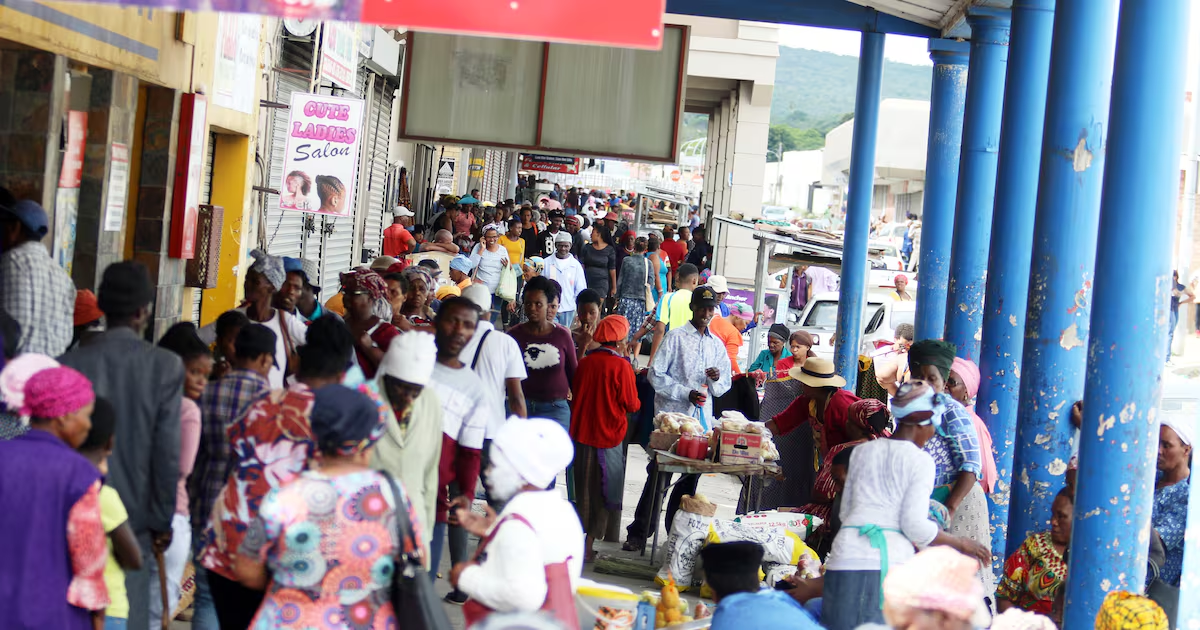
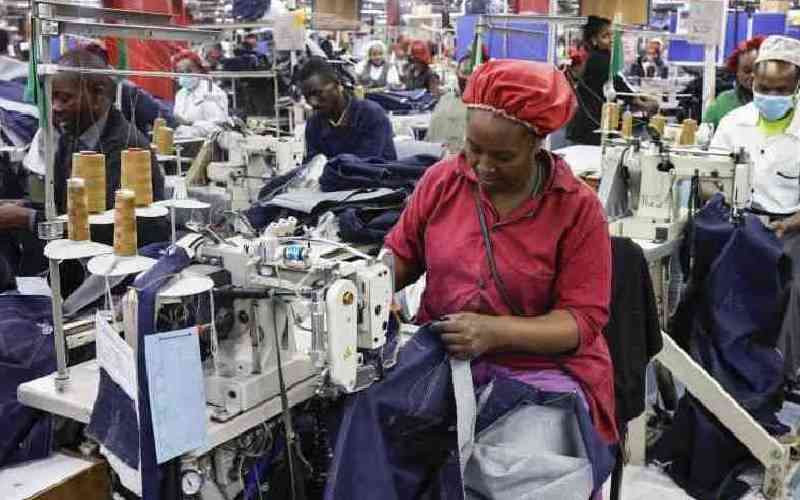
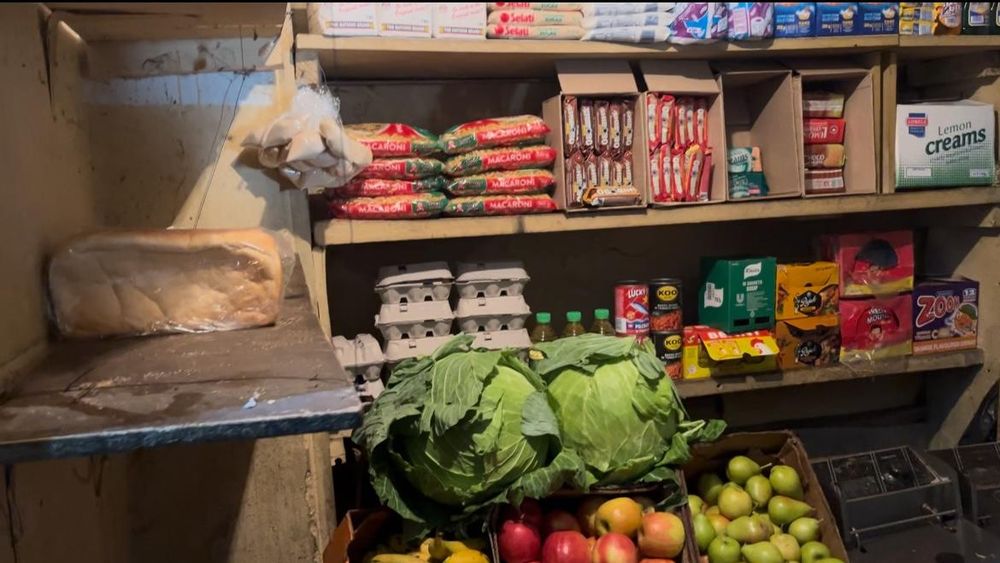
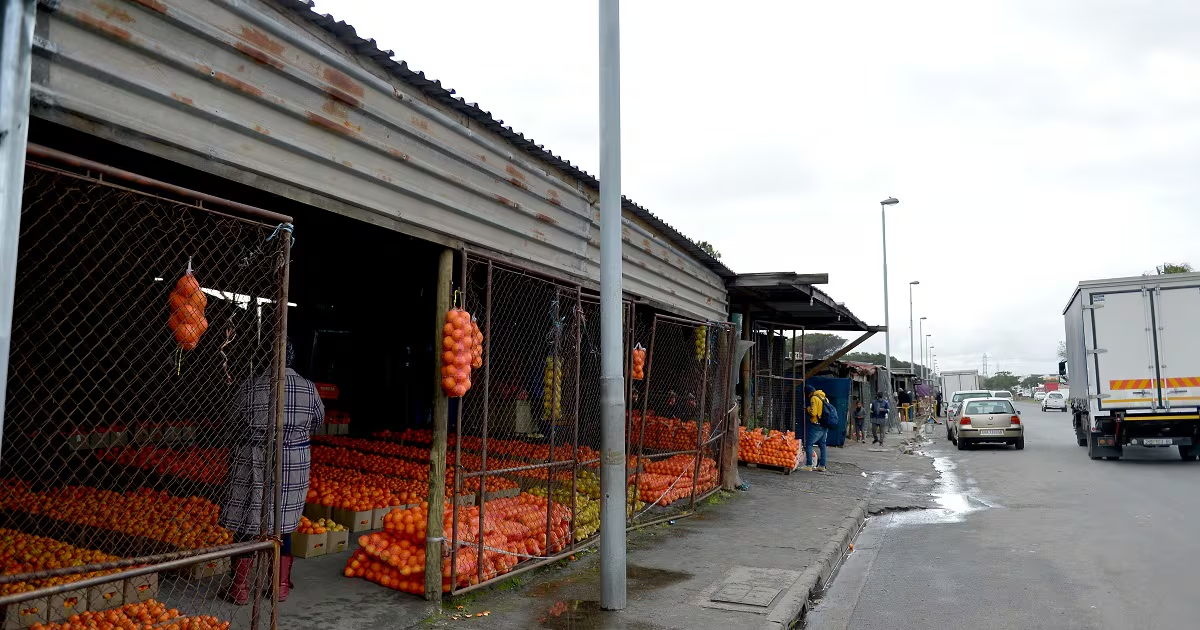
South Africa can no longer afford to treat the informal economy as a side issue. As this sector has grown, so too have the consequences of leaving it under-regulated, under-supported, and too often outside the reach of policy and finance. According to StatsSA, the informal sector is the country’s second-largest employer, accounting for just over 21% of total jobs. The sector also generates about R1-trillion annually, equivalent to more than 11% of GDP.The truth is that the sector receives less support than it deserves. Yet, it remains one of the country’s most important sources of income, work and local economic activity, especially in communities where formal employment has all but collapsed.In townships, rural villages, and peri-urban settlements across the country, informal traders and micro-enterprises are not merely eking out an existence. They are sustaining households, creating work and keeping communities alive in an economy that continues to fail millions.The real tragedy is that this sector has remained largely unsupported by a regulatory and financial system that still does not fully recognise its potential. That is a missed opportunity of historic proportions.If micro-entrepreneurs had meaningful access to banking facilities, tailored credit and non-financial support such as mentoring, bookkeeping assistance and business training, South Africa could unleash a wave of enterprise growth that would transform livelihoods at scale.This could be a lifeline for micro-enterprises that operate outside formal payroll systems and lack conventional collateralFor many informal businesses, the biggest constraint is not ambition. Access to affordable finance would allow traders to expand their stock, buy equipment, improve infrastructure or move from subsistence to sustainability. A spaza shop cannot grow without inventory. A street food vendor cannot scale without better equipment. A sewing business cannot take on more orders without a sewing machine, working space or raw materials. In short, the sector is hamstrung not by lack of effort but by lack of support.This is where non-bank lenders play a catalytic role.Unlike traditional banking institutions, non-bank lenders are often better positioned to design products that reflect the realities of informal businesses. They can offer smaller loans, faster turnaround times, more flexible repayment structures and a more nuanced understanding of cash-flow-based lending. The microfinancier must adopt a long-term, development-minded lens rather than a purely short-term profitability mindset. Just as importantly, clients cannot be treated as ready-made borrowers. They need to be nurtured through mentoring, business support and gradual financial literacy before the sector can be scaled responsibly. This could be a lifeline for micro-enterprises that operate outside formal payroll systems and lack conventional collateral.But finance alone is not enough. One of the greatest mistakes in discussions about small business development is the assumption that money by itself solves the problem. It does not. Many micro-enterprises fail not because they lack a loan, but because they don’t have the knowledge and support to use that loan effectively. This is why mentoring, business coaching and basic compliance support matter just as much as credit.A good example can be found in Vyeboom in Vuwani, about 170km north of Polokwane in Limpopo, where the local economy is sustained by informal enterprises such as spaza shops and roadside stalls. There, the story of Phumudzo Mulaudzi, a single mother of three, offers a compelling glimpse of what is possible when the right support reaches the right person.Like many women in the informal sector, Mulaudzi did not begin with a formal business plan, a registered company or access to a bank manager. She began with a vision, determination and a small injection of capital from the WDB Trust. Her journey is instructive. She started by selling atchaar, then expanded into the popular kota, known locally as thevu, a meal that reflects both local demand and entrepreneurial instinct.The next frontier of inclusion will not come only from traditional banks. It will come from the institutions willing to meet micro-entrepreneurs where they are, understand how they operate and support their transition into more secure and productive enterprisesHer first unsecured microfinance loan of R3,000 was repaid within 16 weeks. She then received R5,000 to expand further and later R20,000 to buy the equipment she needed to grow her eatery. What looks like a modest sequence of transactions is, in reality, a powerful economic story: a small amount of capital, responsibly deployed, can shift a household from survival to stability and from stability to growth.With just under 900 clients and a 97% repayment rate, the story becomes even more compelling when multiplied across thousands, or even millions, of traders and micro-entrepreneurs. The impact could be significant, especially with the support of government entities such as the Small Enterprise Development & Finance Agency and Limpopo Economic Development Agency, which provide free financial literacy and business management training.The next frontier of inclusion will not come only from traditional banks. It will come from the institutions willing to meet micro-entrepreneurs where they are, understand how they operate and support their transition into more secure and productive enterprises.But for that to happen, the rules must be right. Regulation must enable innovation while protecting consumers. Lending frameworks must reflect the realities of informal businesses.This is why microfinance deserves more serious consideration.Microfinance has long been viewed from two extremes: either hailed as a miracle of development finance or dismissed as exploitative debt. The truth is more complex. When designed properly, microfinance can help households manage income, support micro-enterprises and build credit histories that lead to better financial products. It can also help borrowers move away from the informal and often predatory world of loan sharks.The future of inclusion will not be shaped by one sector alone. It will be built on a financial ecosystem where banks, microfinance institutions, fintechs and regulated non-bank lenders work together in their strongest areas — under rules that protect consumers, encourage innovation and widen access responsibly.If South Africa gets this right, non-bank lenders will do more than fill a gap. They will help close it.Lekhula is microfinance programme manager at WDB Trust.