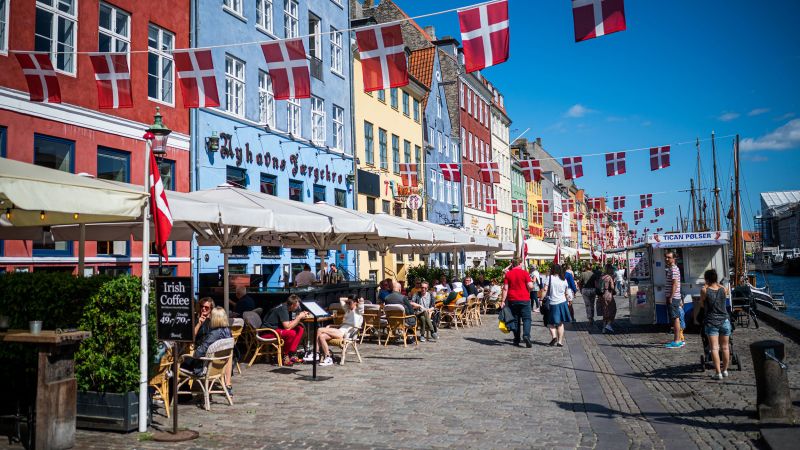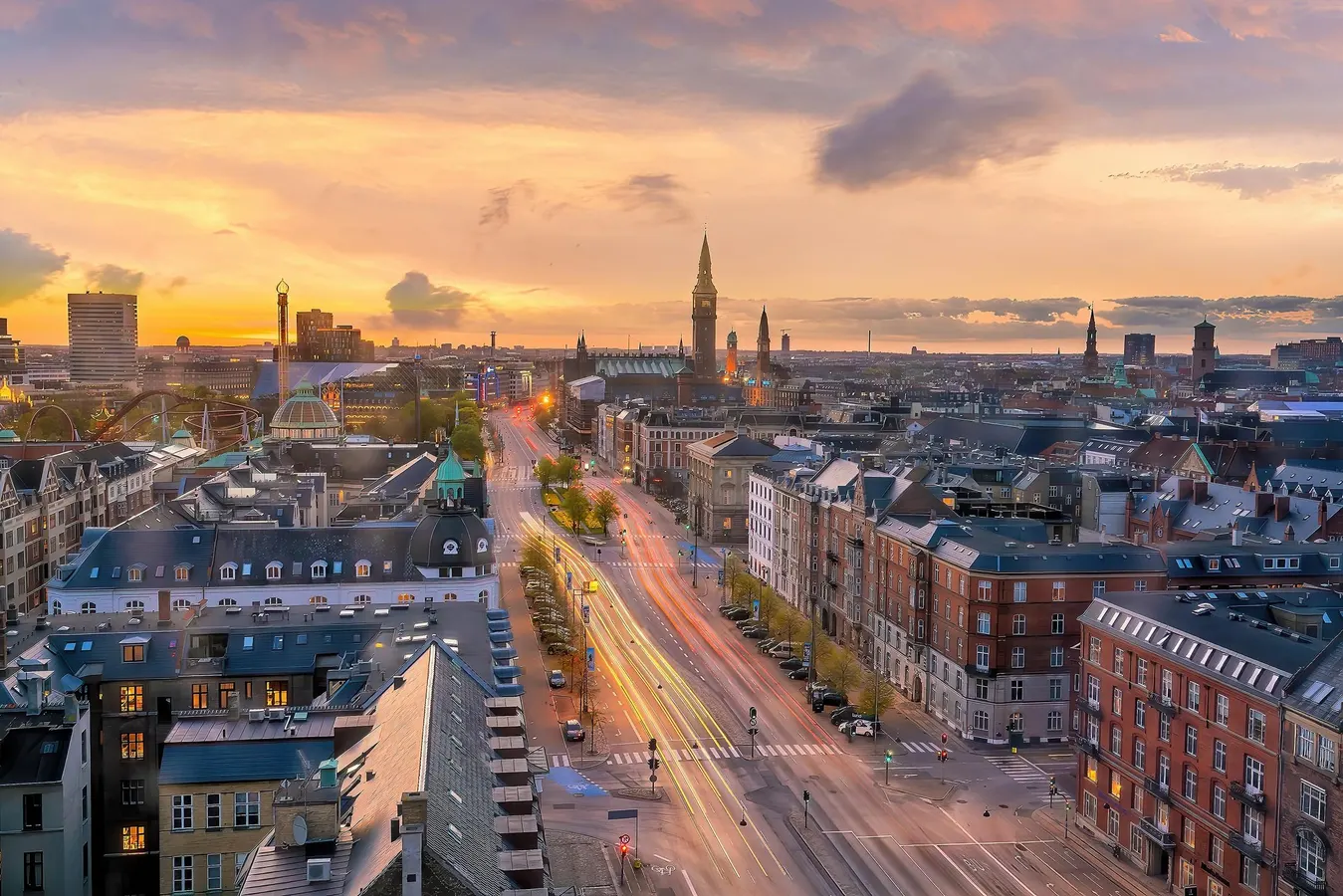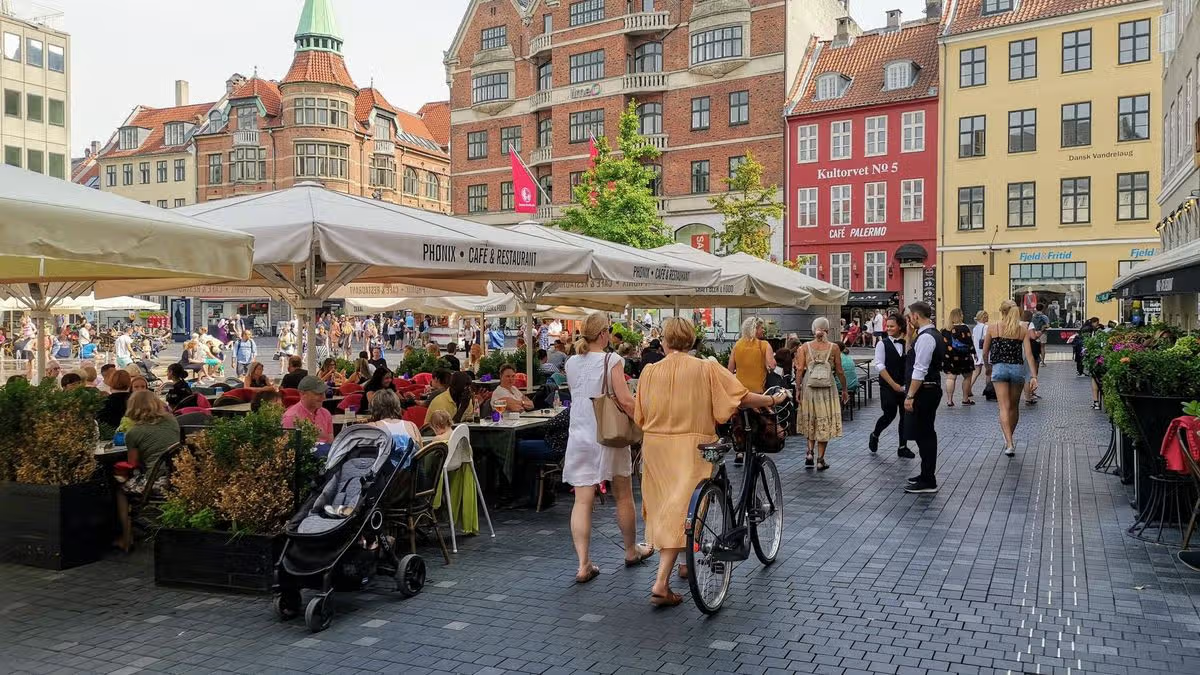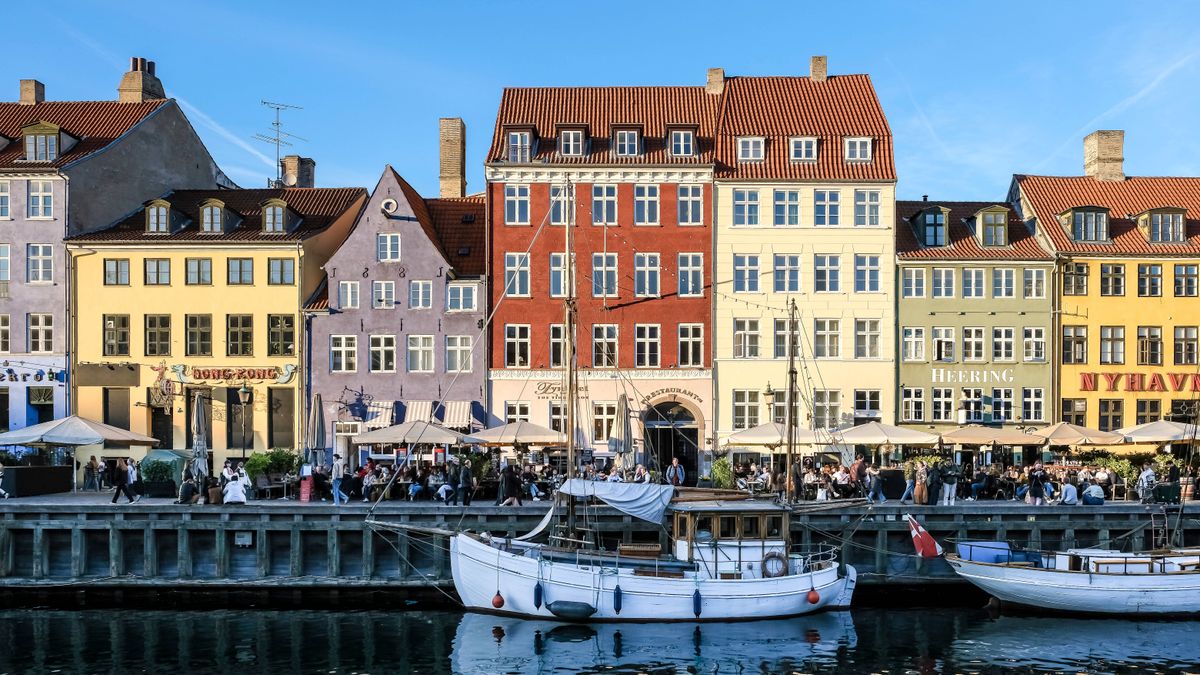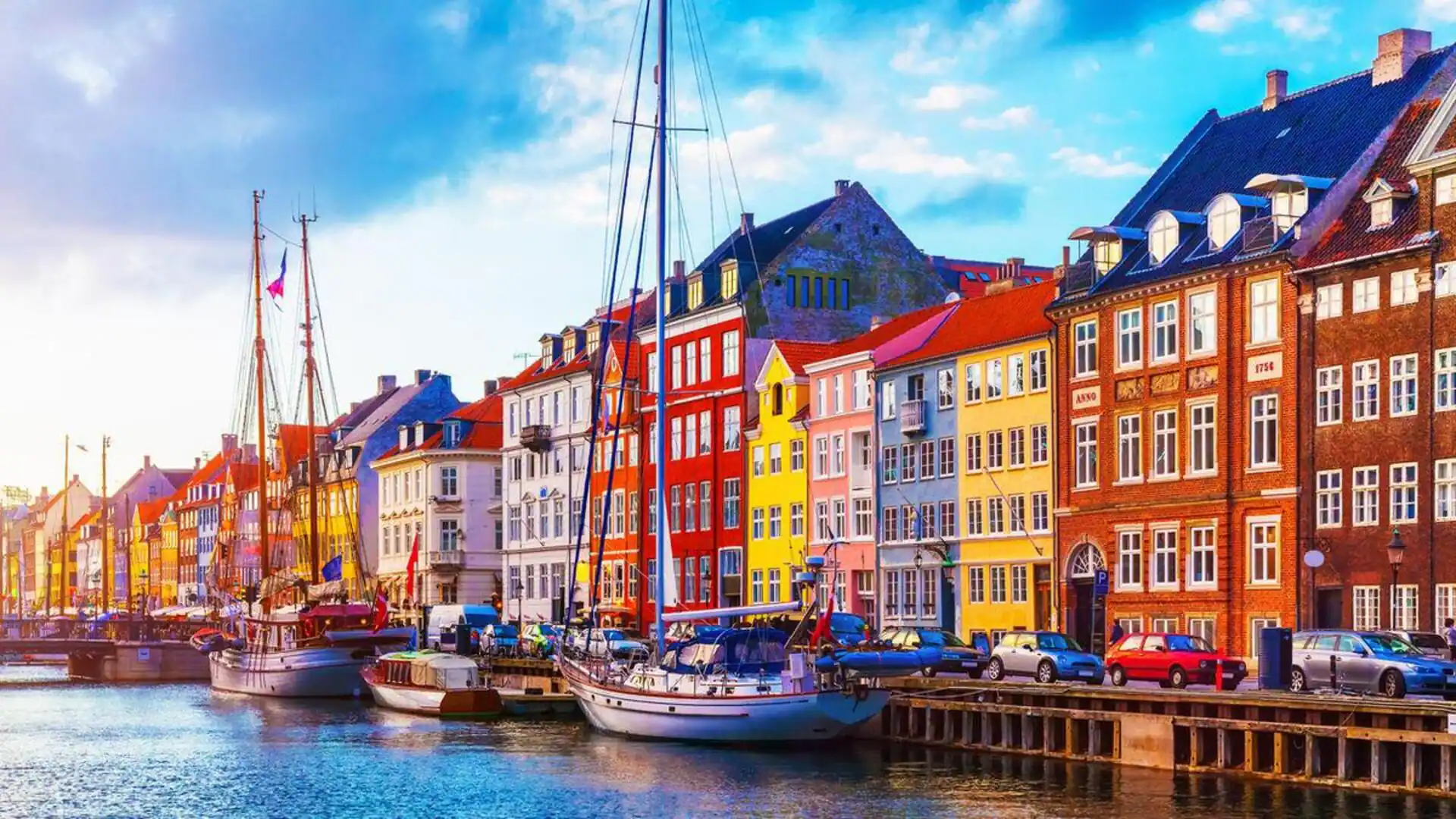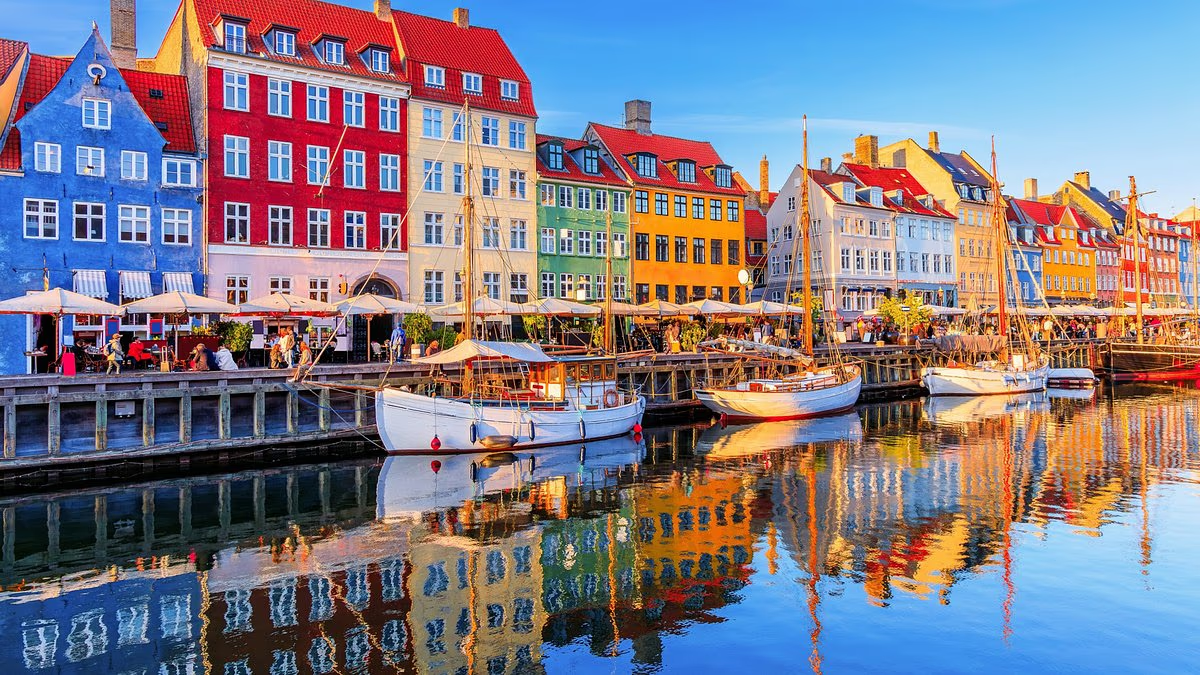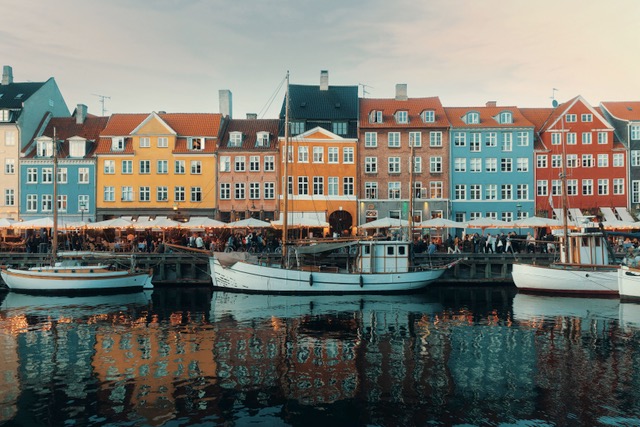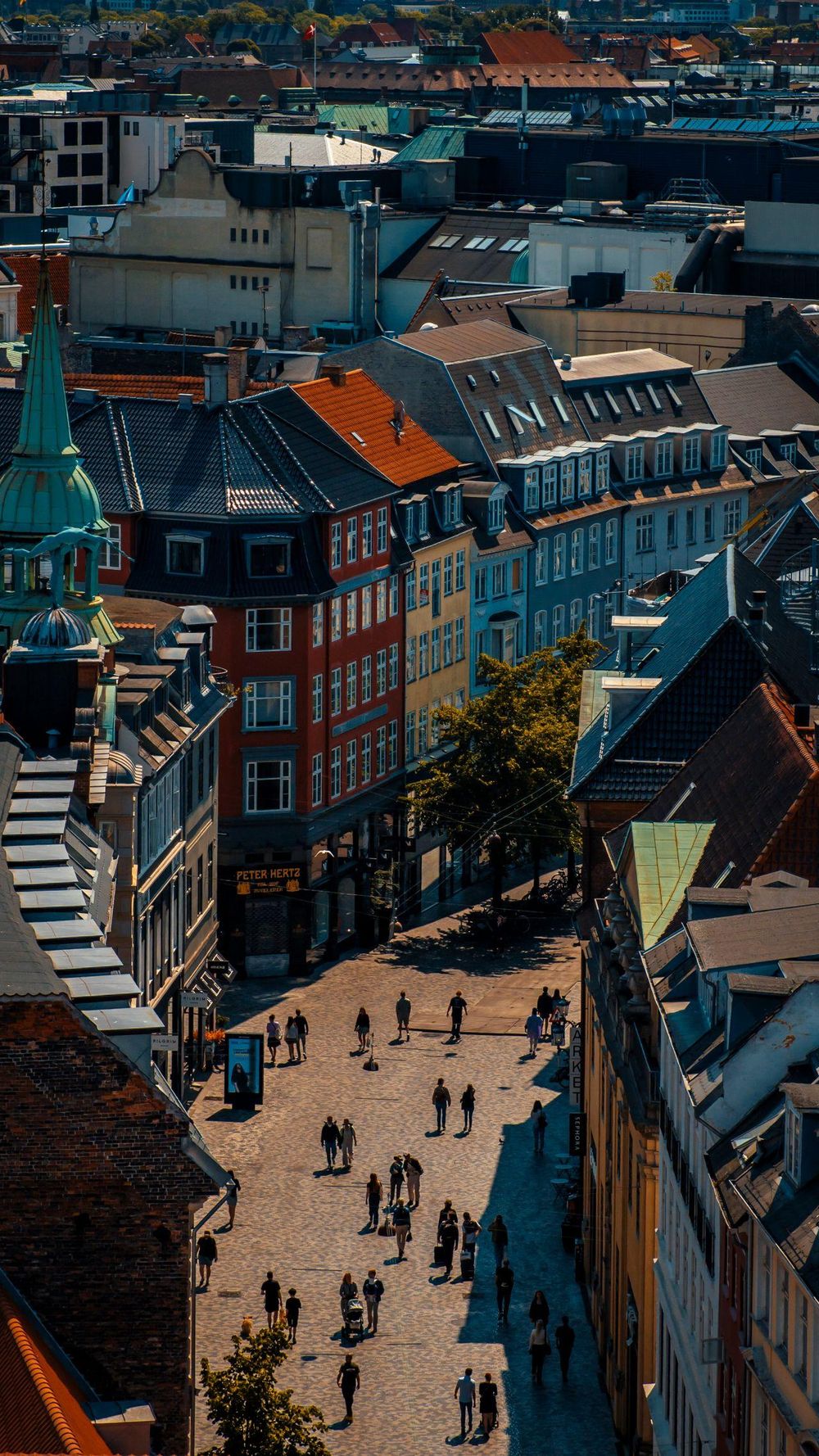
The questions roll in unaided after Athens ranked 88th among 173 cities on the Economist Intelligence Unit’s Global Liveability Index for 2026. No one was surprised that Copenhagen, Vienna and Melbourne clinched the top spots, respectively, for offering the best quality of life in the world, based on factors like education, stability, healthcare, infrastructure, culture and the natural environment.
Even if you’ve never been to these cities, it’s easy to imagine why they’re at the top. Nor were we surprised to read that the factors keeping Athens so low in the rankings include poor infrastructure (traffic congestion and dated transportation systems), an unstable environment stemming from frequent strikes and protest rallies, as well as street crime, and pressure on the public health system. Two main questions need answering. First, what are the capital’s municipal authorities and the state doing to address these issues on their respective ends?
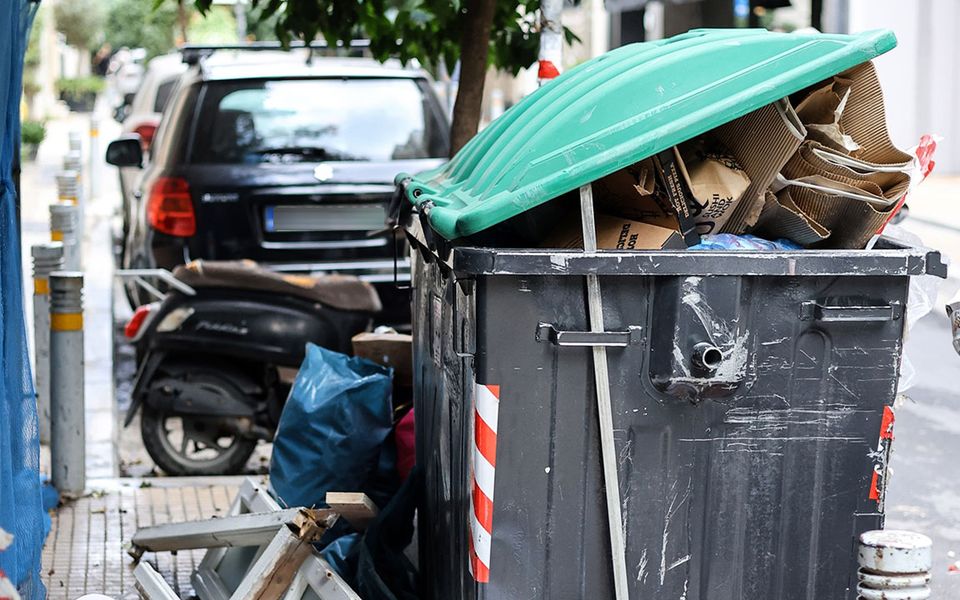
One answer, hot off the presses as it were, came from the mayor of Athens, who heralded the arrival of “smart sanitation” in a social media post where he crowed about the installation of meters and sensors on garbage trucks and bins. Hundreds of battered, filthy, dilapidated garbage bins scattered across Athens’ neighborhoods tell a rather different story. Two and a half years have passed since he was elected, Mayor Haris Doukas reminds us in a video highlighting his administration’s accomplishments. It’s a pity he hadn’t produced it sooner; it might have factored into The Economist’s assessment. This is virtual reality versus an increasingly unlivable daily reality. This is not a gap between rhetoric and reality; it is an act of invention: Athens recast as the Copenhagen of the South.