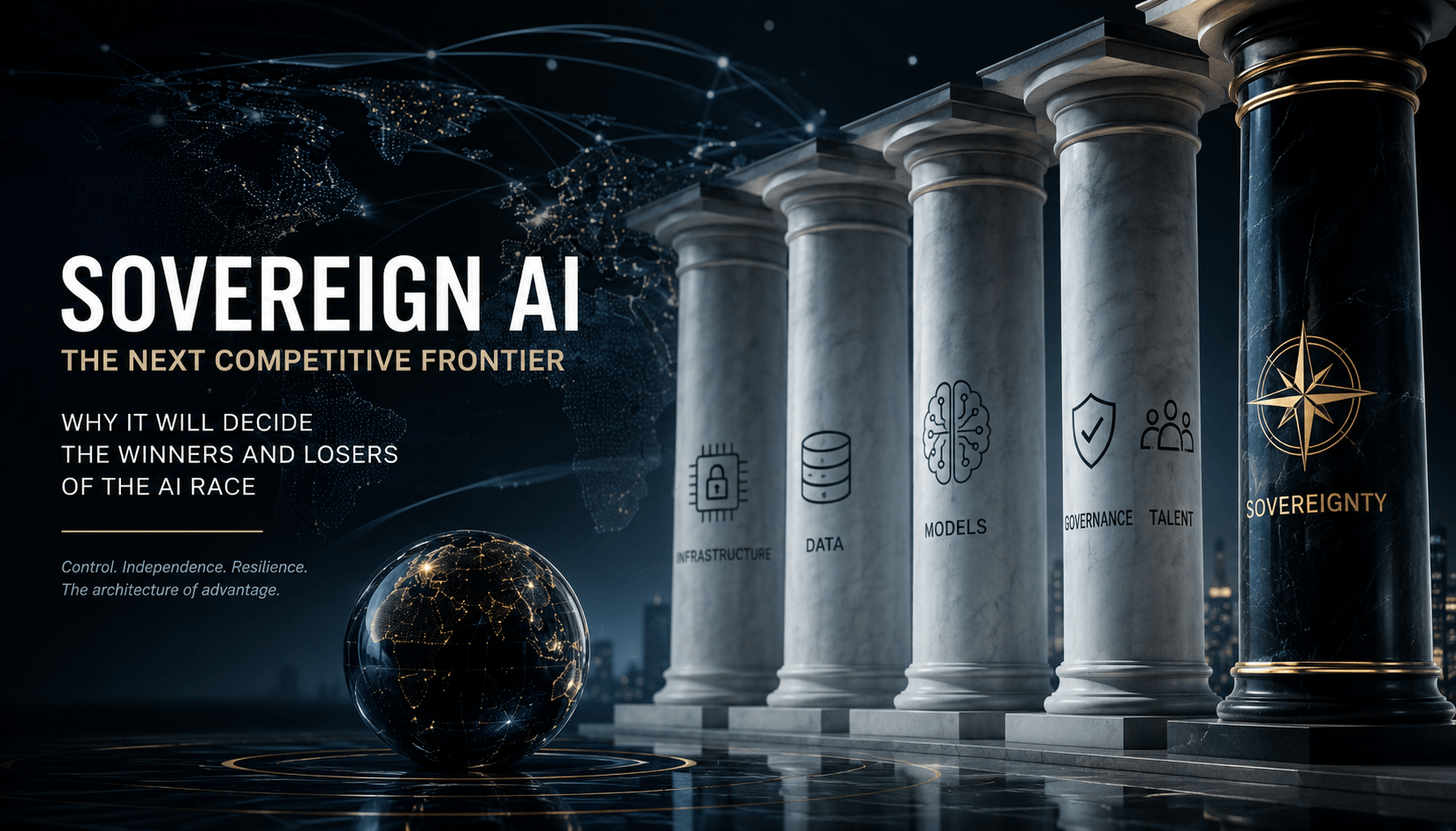
What Is sovereign AI — and why it will decide the winners and losers of the AI race
On the four dimensions of real sovereignty, the fifth dimension every chief financial officer is learning about the hard way, and why open source isn’t a preference — it’s the architecture.
About this series: This is the first piece in a new SiliconANGLE editorial series on sovereign artificial intelligence — covering the definition, the geopolitical stakes, the investment landscape and the architecture of sovereignty in practice. Next: the six-layer sovereign AI architecture stack. Expect segments, interviews, awards and a running market map of the territory as it forms. We’re calling balls and strikes while others are still recycling stale thought leadership from Gartner. (Shots fired.)
Something is wrong with the way the industry is talking about sovereign AI. Not slightly wrong. Not grammatically wrong. Structurally wrong.
The term has landed in board decks, vendor marketing and government procurement documents — and in almost every case, it means something far narrower than what’s at stake. Sovereign AI has become a synonym for data residency. For picking the right Amazon Web Services region. For a geographic configuration that provides legal comfort (think GDPR) without addressing any of the underlying dynamics that create the actual exposure.