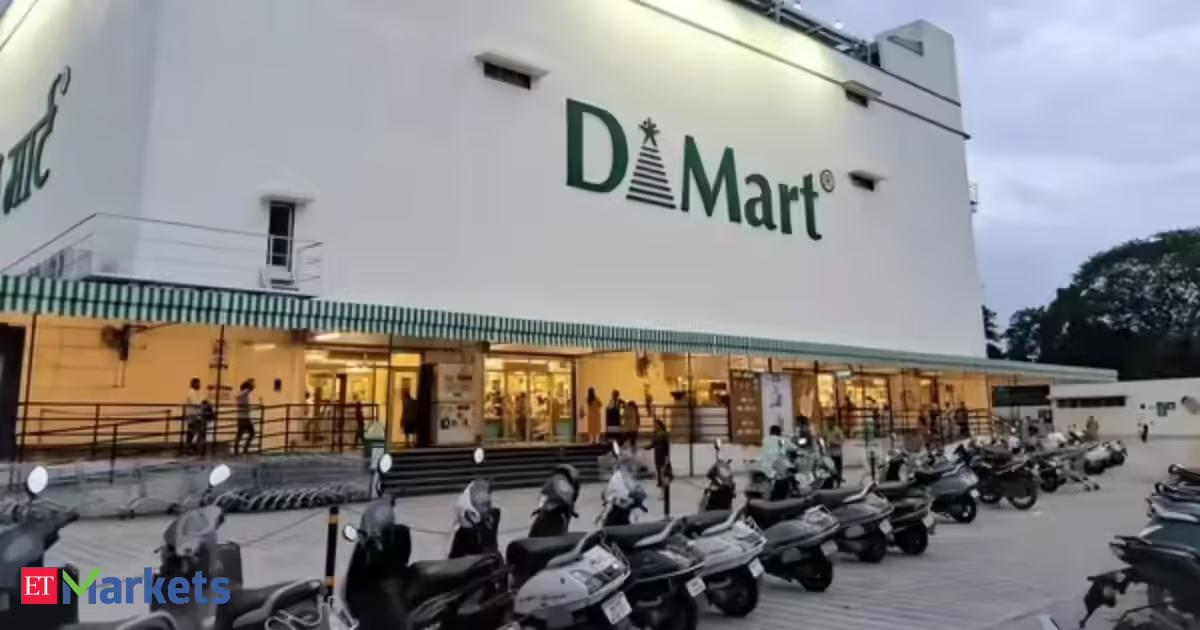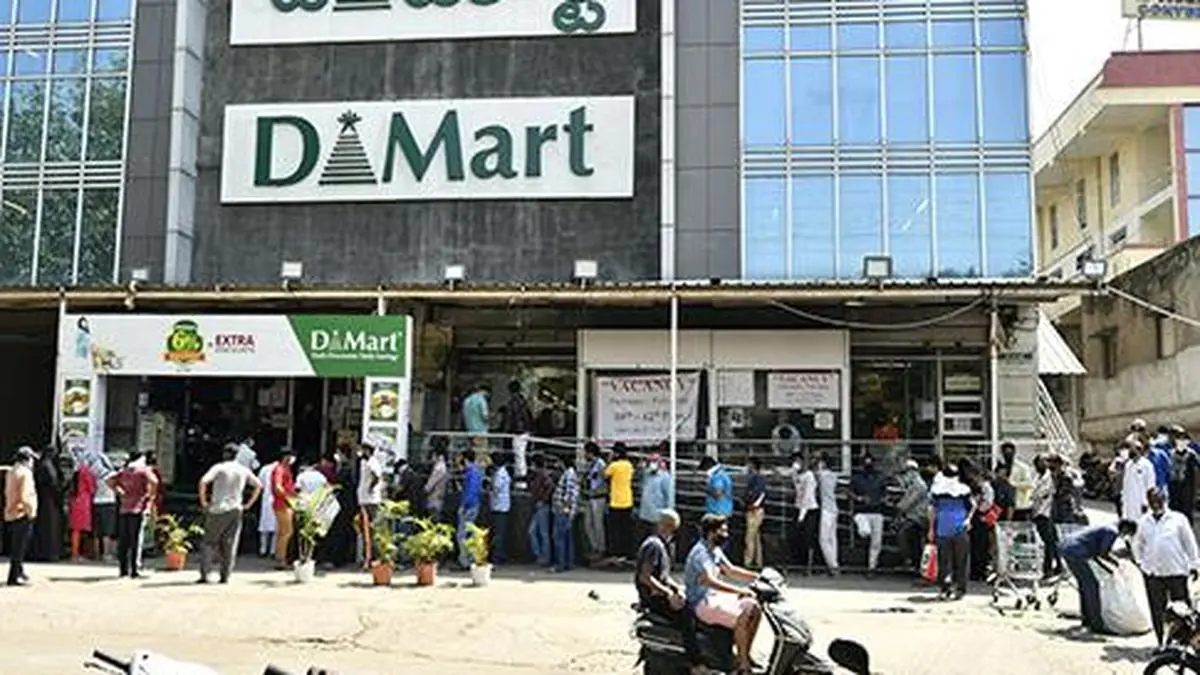
Avenue Supermarts, operator of India’s 503-store DMart supermarket chain, is looking beyond the country’s largest metropolitan markets after same-store (like-for-like) sales growth slowed to 5.5 per cent from 7.1 per cent a year earlier.Older stores in large metros, which generate significantly higher revenue per square foot, recorded flat growth during the June quarter, while non-metro stores continued to grow well, Managing Director and Chief Executive Officer Anshul Asawa said.The retailer added three stores during the quarter, taking its network to 503 outlets., as per inputs shared by the company in their investor presenation.For nearly two decades, DMart has built one of India’s most successful organised retail businesses through a dense network of large-format supermarkets, a cluster-based expansion strategy and its everyday low-cost, everyday low-price model. The latest quarter suggests the next phase of growth could increasingly come from beyond India’s largest cities.Cluster strategyThe companys cluster-based expansion strategy continues, with DMart deepening its presence across Maharashtra, Gujarat, Telangana and Karnataka while selectively expanding into newer states such as Odisha, Goa, Haryana and Uttarakhand.The strategy allows common warehousing, procurement and distribution infrastructure, helping preserve operating efficiencies as the network expands.Focus over footprintsThe same discipline is visible in the online business. DMart Ready discontinued operations in seven cities identified as marginal contributors, reducing its footprint to 11 cities from 24 a year earlier.“We continue to deepen our focus in large metro cities while improving our model. During the quarter, we have discontinued our operations in seven cities which were marginal contributors,” said Vikram Dasu, Whole-time Director and Chief Executive Officer of Avenue E-Commerce. The investor presentation describes the strategy as “DMart Ready – Focusing only in Large Towns.”The quick-commerce questionThe changes come as organised grocery retailers face mounting competition from quick-commerce platforms such as Blinkit, Zepto and Swiggy Instamart.While Avenue Supermarts has not linked its strategy directly to quick commerce, several brokerages believe changing shopping behaviour is beginning to weigh on growth at mature large-format stores.Goldman Sachs retained its Underweight rating, arguing that quick-commerce platforms are structurally reshaping grocery shopping in mature urban markets by capturing top-up and convenience purchases, reducing incremental growth at existing supermarkets.Morgan Stanley, however, maintained its Overweight rating, saying DMart’s long-term advantage lies in its superior store economics and disciplined execution, with investors watching margins and expansion into deeper non-metro clusters.Traffic holds and productivity softensThe operating metrics present a more nuanced picture. Customer transactions, measured by bill cuts, rose 13.4 per cent to 11 crore from 9.7 crore a year earlier, indicating shoppers continue to visit DMart stores.Yet annualised revenue per square foot declined 2.4 per cent to ₹8,571 from ₹8,779, while same-store sales growth moderated to 5.5 per cent from 7.1 per cent.Together, the numbers suggest customer traffic remains resilient, but mature stores are generating lower incremental productivity than a year ago—a trend several analysts attribute to evolving shopping behaviour rather than a decline in store visits.The revenue mix also continued to improve. Foods remained the largest category, although its share eased to 54.9 per cent from 55.6 per cent a year earlier, while General Merchandise & Apparel increased its contribution to 25.5 per cent from 24.7 per cent, pointing to a gradual improvement in revenue quality.The ₹1,000 crore questionSeparately, the board approved raising up to ₹1,000 crore through non-convertible debentures (NCDs) on a private placement basis without disclosing the intended use of the proceeds.Read alongside the operational disclosures, the fund raise suggests DMart is entering a phase where capital allocation, productivity and execution may matter as much as the pace of expansioMore Like ThisPublished on July 11, 2026
DMart looks beyond Metros, after same-store sales slow to 5.5%
With same-store (like-for-like) sales growth slowing to 5.5% from 7.1% and older metro stores posting flat growth, Avenue Supermarts is sharpening its focus on non-metro markets
591 words~3 min read