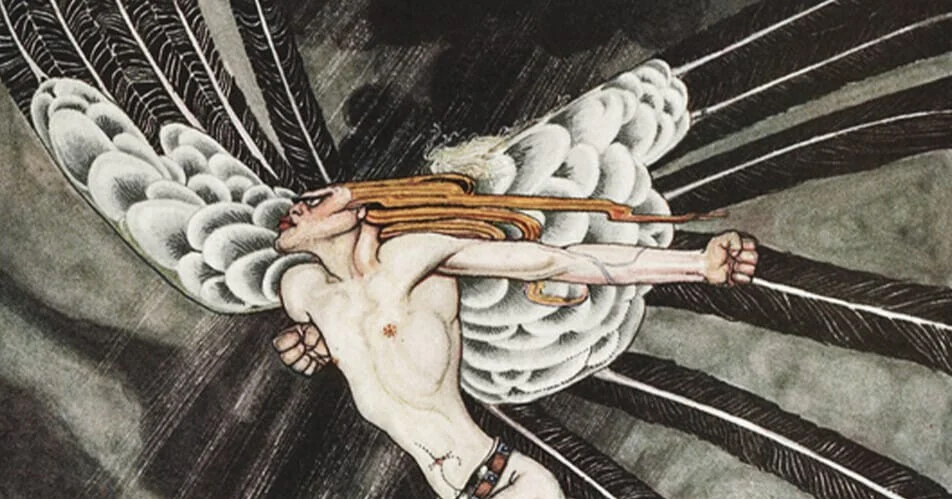
Slightly Magical Irish Poetry and the Long 1990s Author: Lucy McDiarmidISBN-13: 978-1399550147Publisher: Edinburgh University PressGuideline Price: £90This brilliant book came about in an unusual way. Lucy McDiarmid occupied a professorial chair at Montclair State University (near New York city) that came with a generous budget. Each year she invited Irish poets to speak to her students. Over the decades McDiarmid presided over question-and-answer sessions with lots of poets. Sixty-four are discussed in this book. She approached the material in the spirit of Swedish biologist and physician Carl Linnaeus. He classified the natural world into three kingdoms. McDiarmid’s attention is on the supernatural. She selects for discussion poems in which an “ontological question” is raised about events. That is her determinative criterion. The genera and species are unusual: tongues, hair, wells, wise cats and even a talking pig. The analyses of individual poems are epitomes of clarity. The “slightly magical” element is traced through the Irish Revival to the ancient cycles of Irish mythology, the aisling tradition and practises of folk Catholicism around thorn trees and wells. The poets considered do not swear they’ve seen Cathleen Ní Houlihan emerging from a magic mist. They do, however, doze off looking out of the train window and have “railroad reveries” from which they awake in an altered state.A key poem for this book is The Clearing by Derek Mahon. In the poem a site is constructed such as one might find in a fairy story about witches, dwarves or elves. But then nothing appears beyond the ordinary. Still, the poem concludes, keep watch, “this is where the angel will alight”. The poem riffs on Martin Heidegger’s notion that Being shows itself to humans in a light or a clearing. Slightly Magical does not speculate extensively about historical causes of the “it is and it isn’t true” attitude toward the supernatural. Nuala Ní Dhomhnaill (a key figure in this book) is quoted observing in conversation that the 1980s were a bad decade for women with the Eighth Amendment, the failure of the divorce referendum, etc. The 1990s brought some relief and freed the imagination. A further explanation may be implied: that, even before exposés of clerical sexual abuse in the late 1990s, trust in religious authorities had begun to collapse. Irish churches were emptying. The loss of faith left an emptiness, a clearing in which something might appear. The poets were watching.Adrian Frazier’s latest work is John Montague: A Poet’s Life (Lilliput, 2024)
Slightly Magical Irish Poetry and the Long 1990s: Thorn trees, wells and ‘railroad revelries’
Lucy McDiarmid discusses the work of 64 poets with a focus on mythology, folk Catholicism and the supernatural
409 words~2 min read