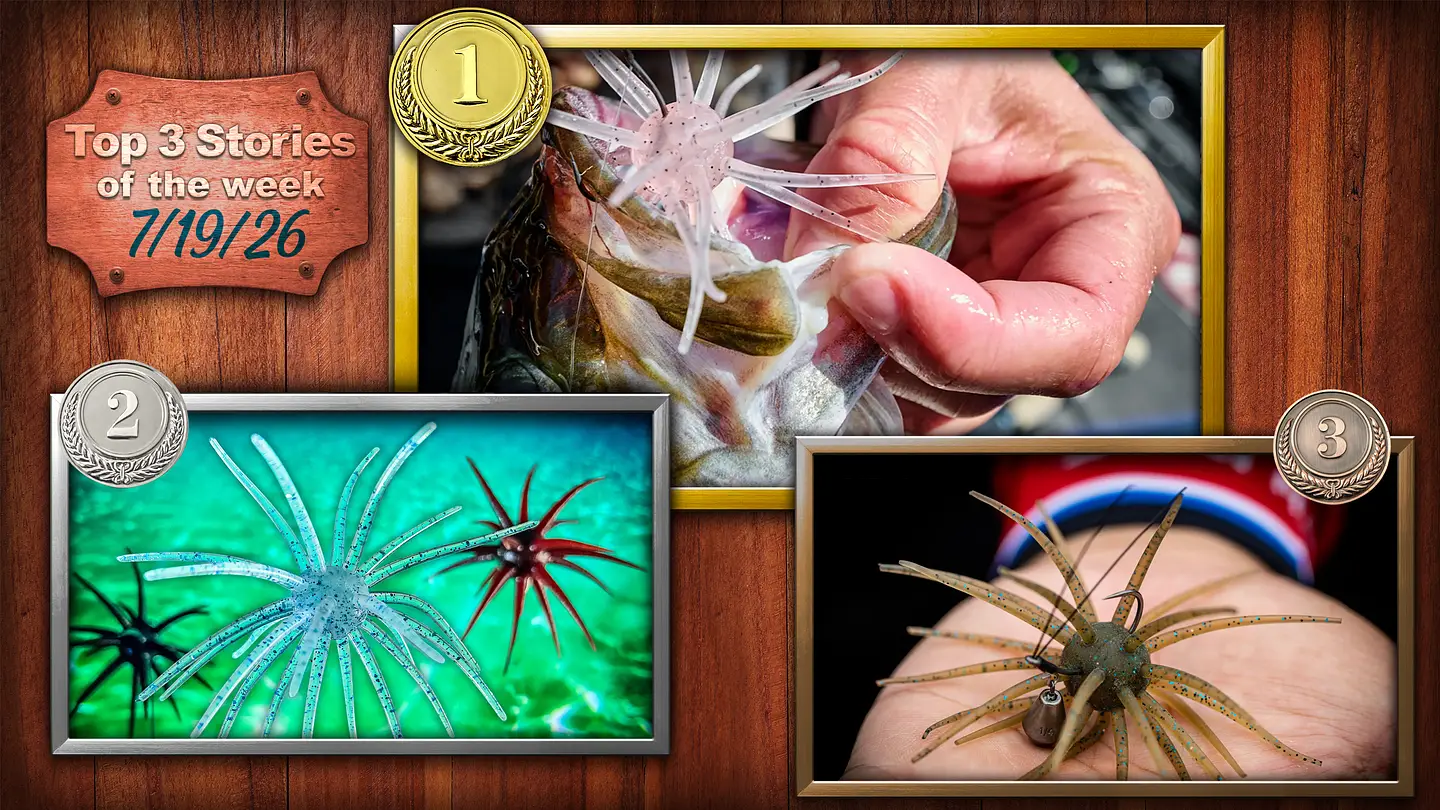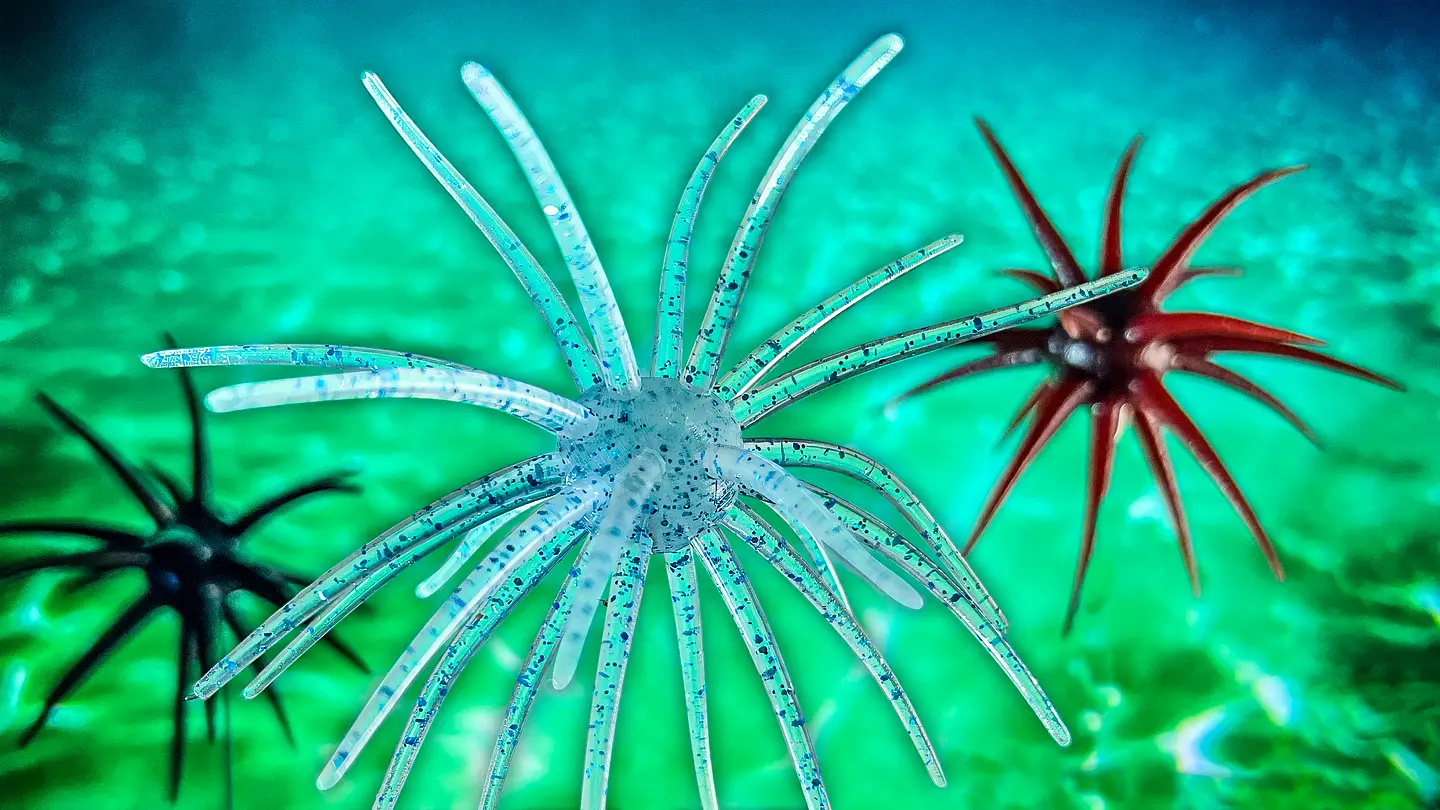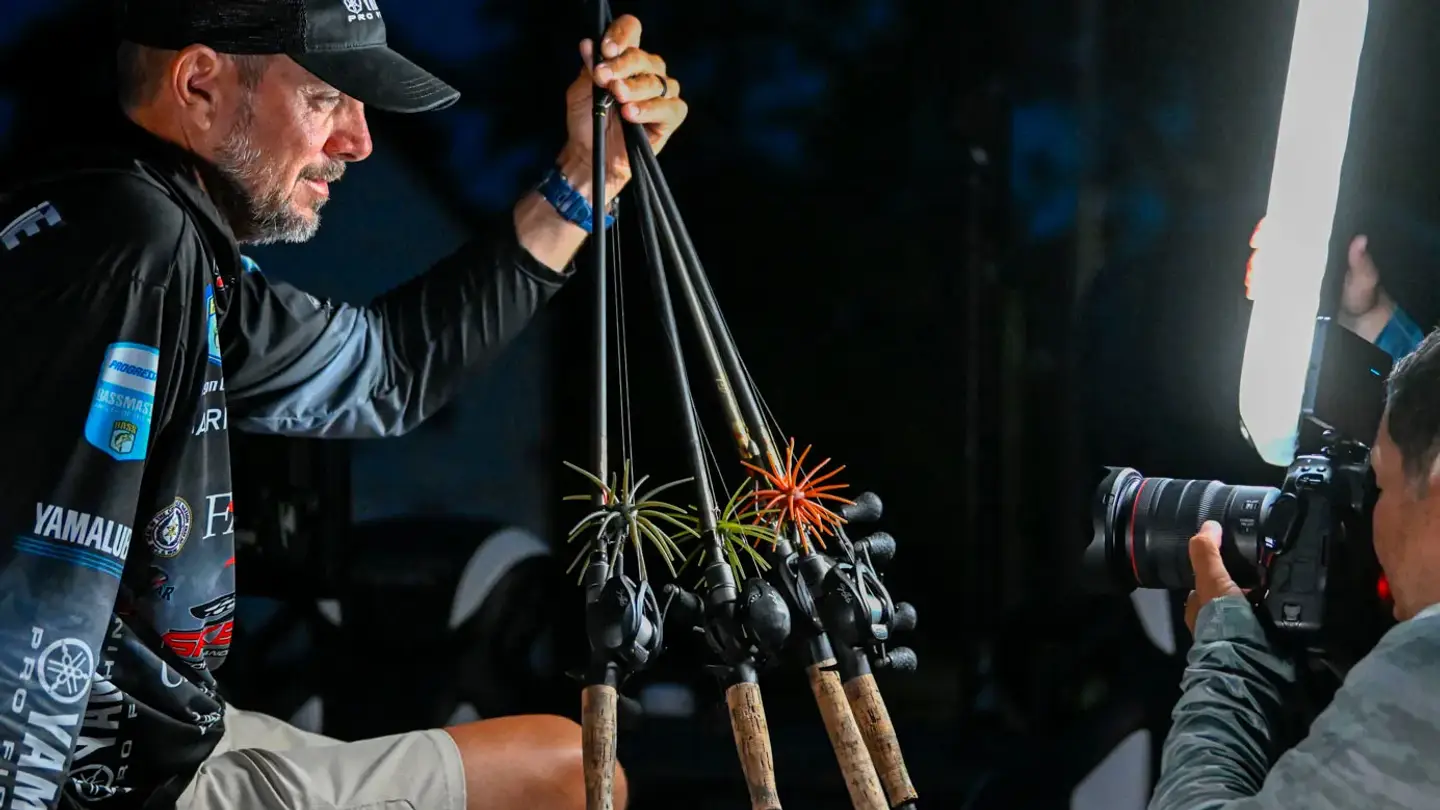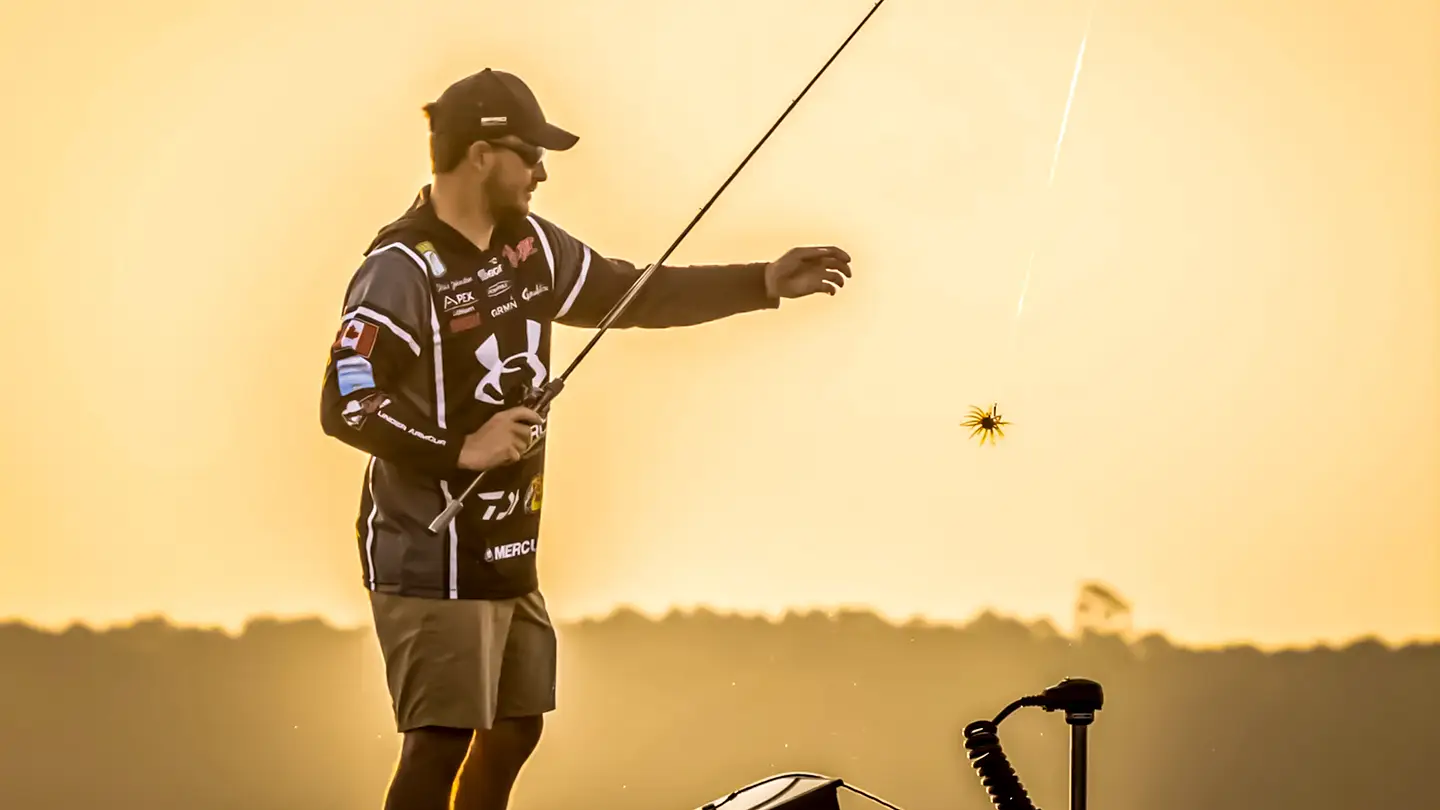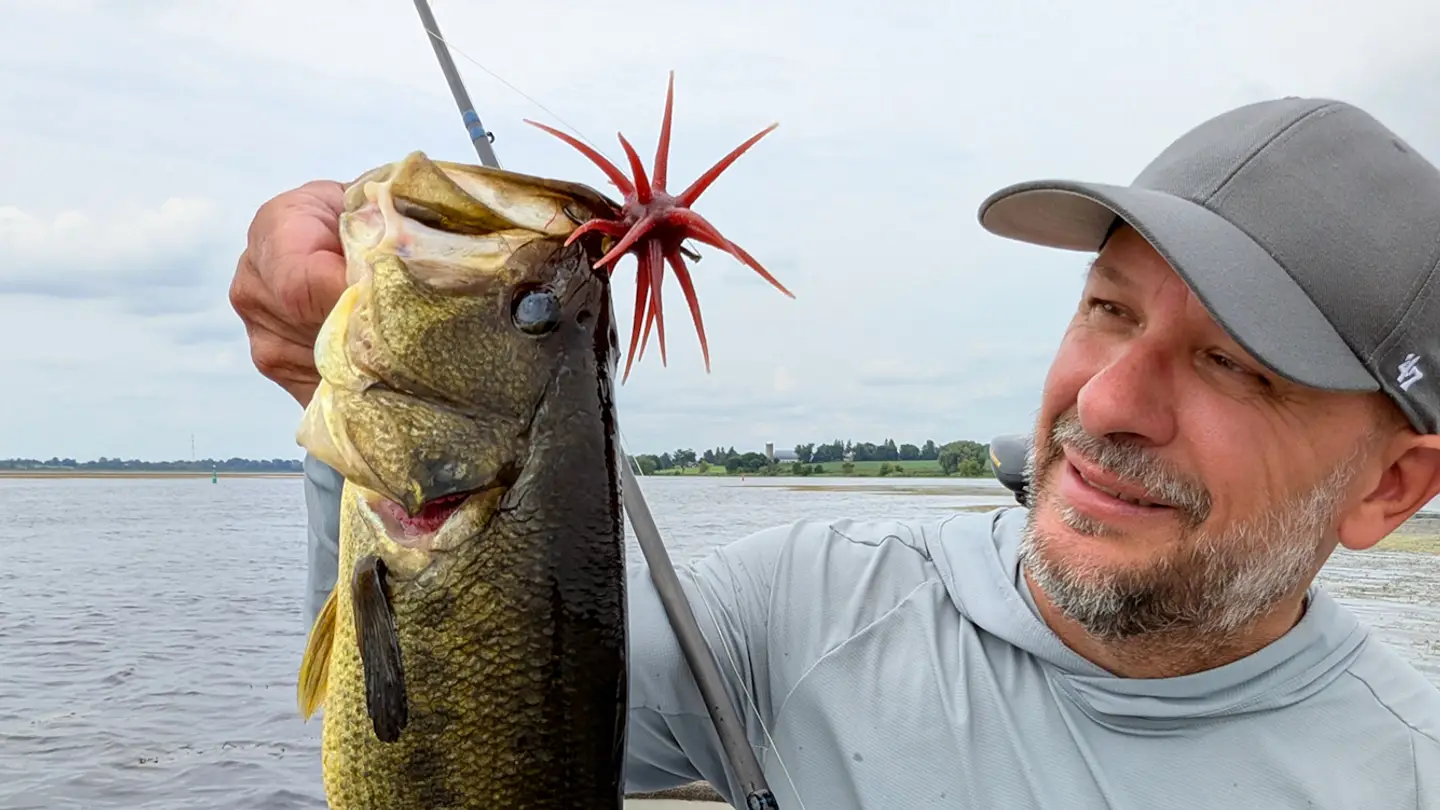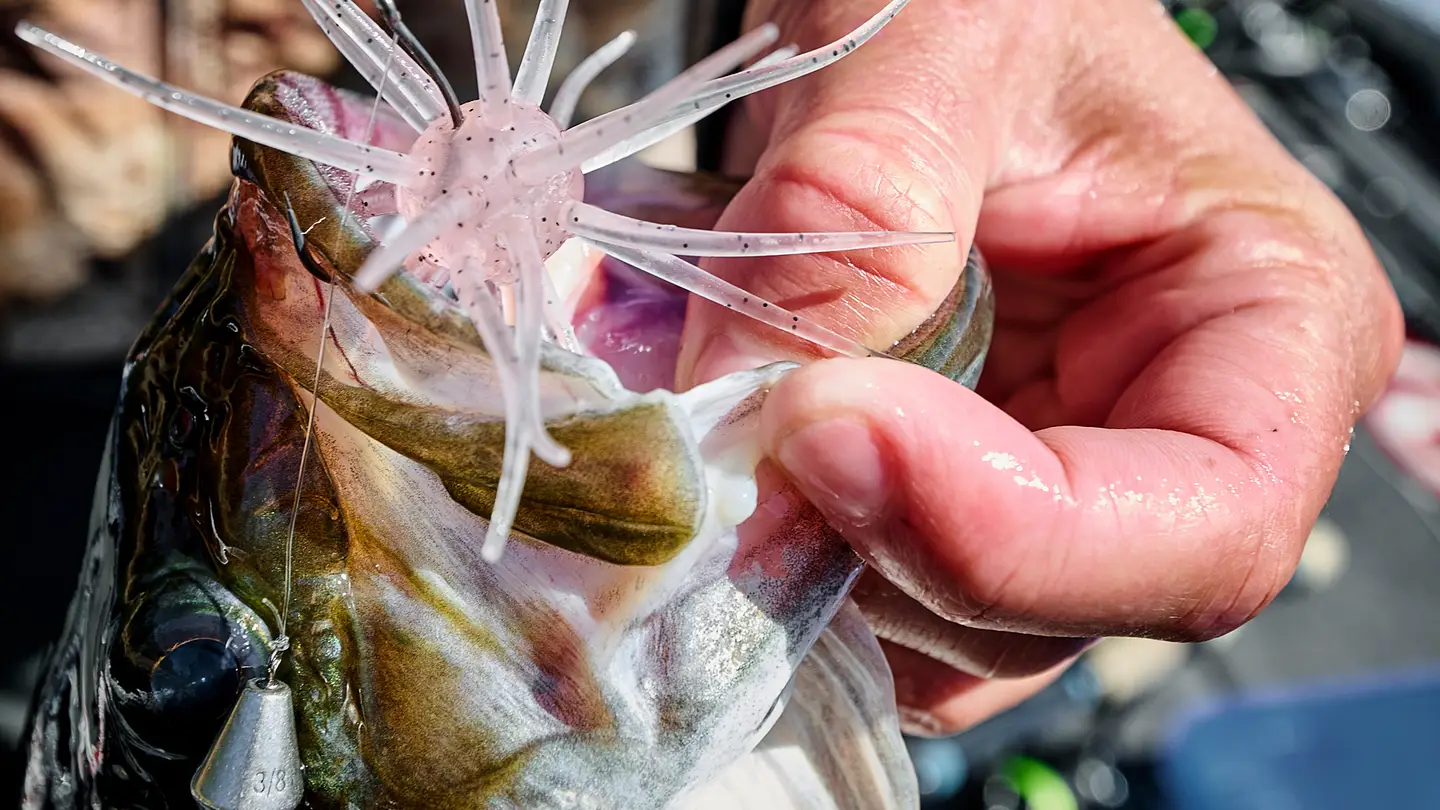
On average, every 10 years or so, a new and different lure or technique makes it into the bass fishing scene, and it becomes a major trend because of its success at catching fish. When a Lure Comes Out of Left FieldI'm not talking about adjustments or small changes to lures that already exist. I'm referring to lures that are different than anything seen before, and because of this, anglers are skeptical, even incredulous, until the lure proves itself by the number of fish caught.I've always fished for bass with both a fly rod and conventional tackle. Bass fishing was my first teacher in fishing, and as a kid I was a fanatic. My First “What Is That?” LureThe first “breakthrough” bait I remember was the Gitzit, or tube bait. There was nothing like it on the market when it came out. As a young angler, the Gitzit didn’t make sense to me. It looked more like a bad rendition of an elongated baby octopus. But man, it caught fish, and it still does today. The Slug-Go Was NextThe next lure that shook up the bass fishing scene was the Slug-Go. It was different than anything out there and caught fish. I remember the hot color was pink. I ordered some from the Bass Pro Shops catalog over the phone. Delivery took 2 weeks. The Senko and ChatterBaitSince then, Senkos and ChatterBaits have come along and done the same thing. They weren't slight improvements on old ideas. They were completely new concepts that looked different, fished different, and they worked.Different colors and sizes of the Hideup Coike. When you see how they move in the water, you will understand why they catch fish. | Photo by Jordan AlbertsonNow Comes the CoikeThey call them urchin or fuzzy baits. It doesn't look like anything specific in nature, but it does look like something that would come from nature. I’ve heard them described as looking like a bait ball, a Koosh ball, or a group of minnows feeding. The urchin style baits can mimic minnows mass feeding like you see above in the Instagram video.The Japanese tackle company HIDEUP is credited with originating the urchin-style bass bait. Its version is called the Coike, and the strange, rubber-strand-covered lure helped define the category.When the Laughter StopsMost American bass anglers have the same first reaction when they see one: laughter and skepticism. But since pro bass guys have started winning major tournaments with them, the laughter has died down and is being replaced by curiosity.What Does All This Have to Do With Fly Fishing?Fly anglers have been fishing their own version of fuzzy baits for years. We just didn’t call them that.There are plenty of popular streamers and nymph patterns that resemble smaller versions of the Coike. They are made with rubber legs, feathers, fur, and other materials that stick out from the body and move in the water. They don’t look like one specific thing in nature, but they do look like something from nature. A Coike-style urchin bait beside a woolly bugger and a Pat's rubber leg. Examples of how conventional bass lures and fly patterns can share the same idea: movement from every direction. | Photo by Ken BaldwinSeeing Something Old in a New WayThe success of the Coike bait in bass tournaments has had me rethink how I fish two popular flies on a fly rod when targeting bass. I've also changed how I tie these flies to give them a more "Coike" like action. Fly Fishing’s AnswerThe two flies that most resemble, or perform like a Coike bait, are the Woolly Bugger and the Pat's Rubber Legs. Here's how I change them up. Woolly BuggerThe Woolly Bugger is the original "fuzzy" bait. To make it more Coike-like, I tie it up as a Schlappen Woolly Bugger. It's tied the same way as the original Bugger, but uses Schlappen hackle instead. This will give you longer fibers and a fuller profile. The extended hackles will move and pulse in the slightest current, giving off a breathing effect. It is not a perfect match, but it does more of what a fuzzy bait does: it suggests life through movement rather than a precise imitation.How to Fish ItWhen I’m fishing for smallmouth bass in rocky lakes, I use a 5 or 7 IPS sinking line. My favorite is the Scientific Angler Sonar 3D. I can fish this line down to 15 feet. I make a long cast and let it sink to the bottom. I’ll hop the Schlappen Woolly Bugger a few times to let the fish know it’s there, then I let it sit. I let the subtle underwater currents bring it to life. I keep the line somewhat tight and my fingers on the line. I’m waiting to feel any tap or tug. After 30 seconds to a minute, I'll hop it again. Another way I fish it is by slowly crawling it along the bottom. The presentation is slow, but with the way smallies like to school up, the bites can come fast. Pat’s Rubber LegsIncrease the number of rubber legs by a lot. Tie them in so they crowd each other and stand up in all directions. Add a bead head to help it reach the bottom and do its job. Like the Schlappen Bugger, the fly will have movement in the slightest of currents. Swim it BackIt’s worth taking notice of how the bass guys fish a Coike bait. There are a lot of YouTube videos showing you different retrieve methods. A popular retrieve that has won a few tournaments is to swim it and then let it fall. I use this method in fly fishing. Bass love to hit baits on the fall. You Do YouI’m sure fly-fishing traditionalists will shake their heads at all of this. That’s okay. Fish the way that makes you happy. This is bass fishing; it has always been a little rough around the edges. I like that about it.There is a Chinese proverb that goes, “Water which is too pure has no fish; man who is too discerning has no friends.”I like that too.~ KB Follow me on Instagram @KenBaldwin7. I share the stories behind my articles, photography from my fly-fishing adventures, gear I’m testing, wildlife encounters, and the outdoor places that inspire them."Slow down...listen to the hoppers...be patient with yer wife...eat sardines with hot sauce... catch “Gagger” trout!!!" – Flip PallotAdd us as a preferred source on GoogleFollow
Coike Bass Lure: How the 2026 Urchin Bait Trend Can Work for Fly Fishing
Coike urchin baits are crushing bass tournaments. Fly anglers already knew the secret: movement > imitation. Tying tips for Woolly Buggers & Pat’s Rubber Legs.
1,078 words~5 min read