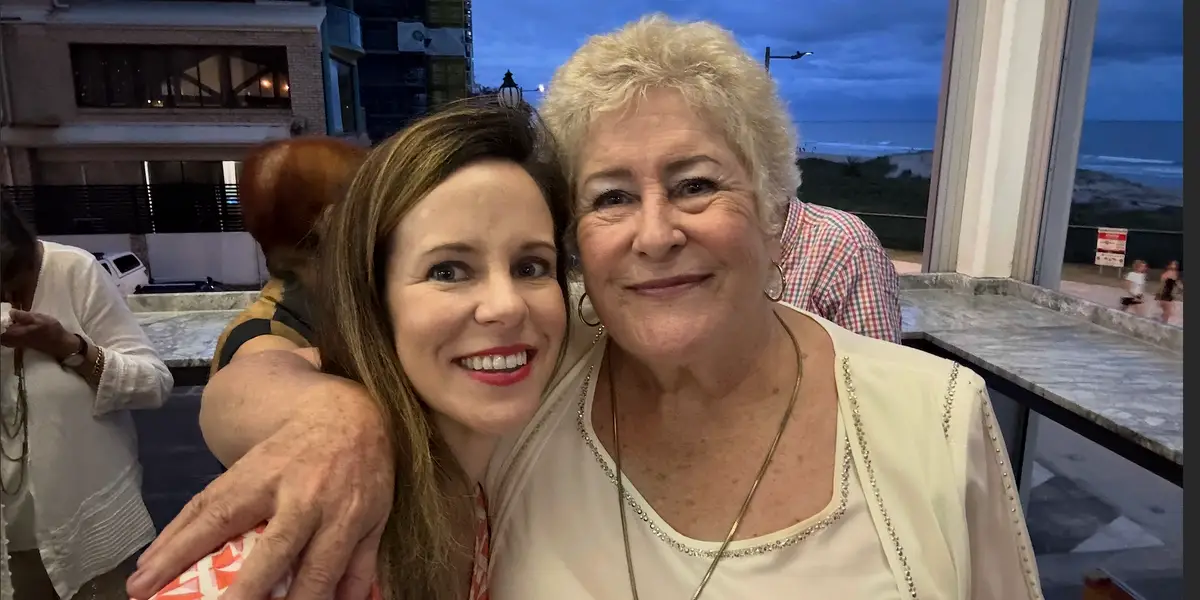
The author's mom surprised her with a cake when her book cover was revealed. She says that being able to stop by their house for a quick meal or a TV show has become essential during a year filled with a lot of work and little free time.
Courtesy of Samantha Paige Rosen
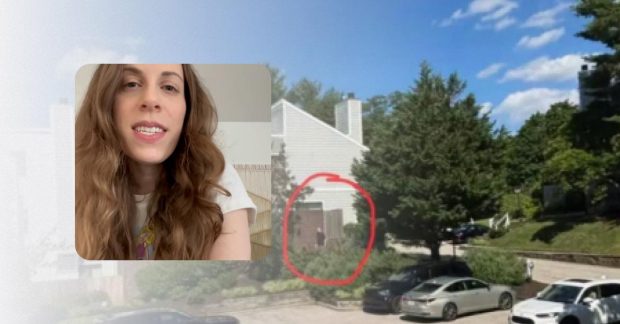
When I first moved in with my parents in my late 20s, I did not expect the arrangement to carry me into my mid-30s. I stayed because, although it was different from what anyone in my social circle was doing, I was surprised by how much we all enjoyed it. In this house of three adults who cared deeply about one another's well-being, my life was better than it had been in a while.The best part, for me, was the interdependence — coming off of two years living by myself, even being able to say, "Could you make me a sandwich, too?" or "No problem, I'll get your headache meds from upstairs!" felt refreshing. I also appreciated the opportunity for unscheduled quality time and the sense that I was never completely alone.I felt like I'd uncovered a secret, and I wondered what other iterations of housing and community I'd been missing out on. I decided to edit an anthology on the subject, which became Living, Together: Reimagining Community in the Age of Disconnection. When my parents wanted to retire and downsize after six years of, well, living together, and I had to look for my own place again, I kept everything I learned from the book's stories in mind.Moving out of my parents' house, I imagined I'd settle in a more walkable neighborhood than the one they chose. When a townhouse opened up across the parking lot from theirs, I was reluctant to look at it. Surely I couldn't go from living with my parents in my 30s to living mere steps away. But the more I thought about it, the more I liked the prospect of continuing the casual hangs, resource sharing, and emotional support that have enriched our lives.It's been almost a year since we became neighbors, and I think it was a great move.