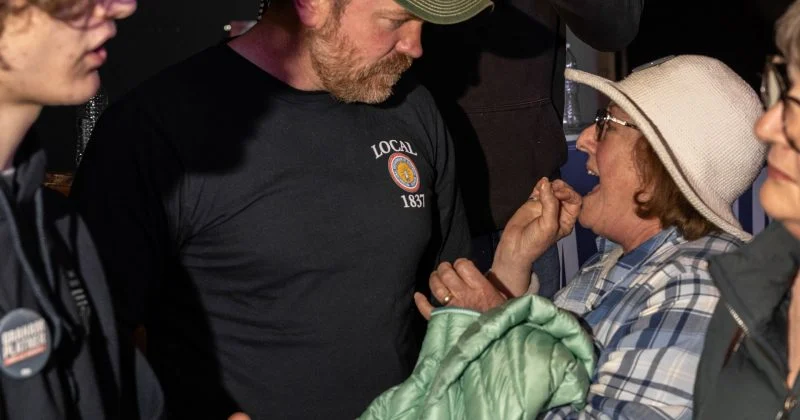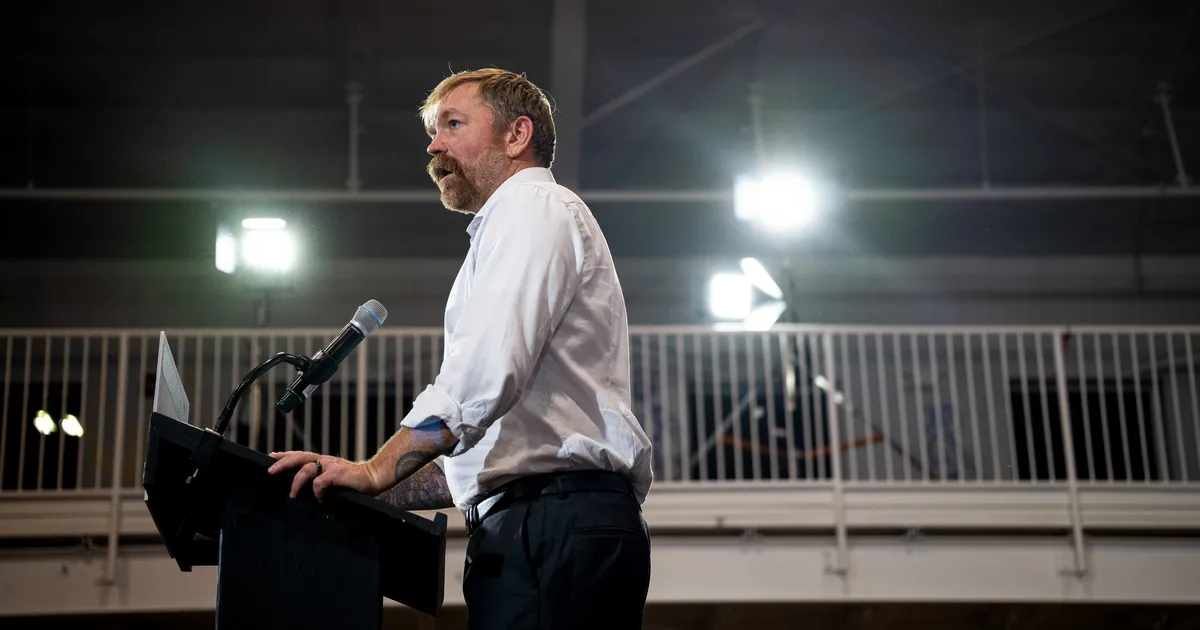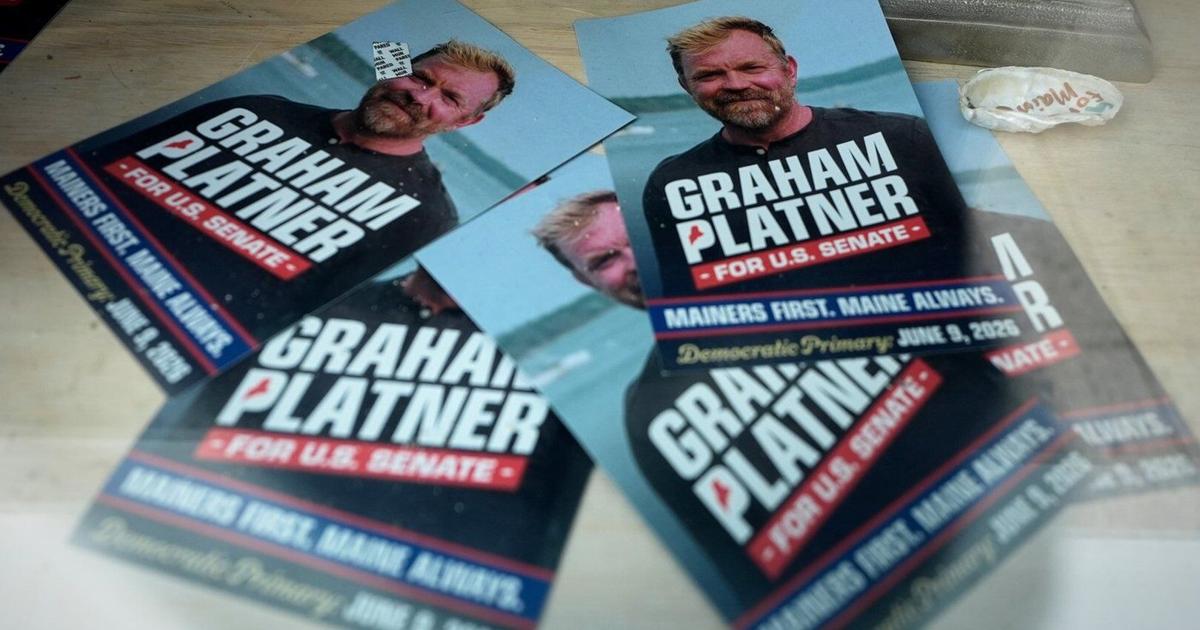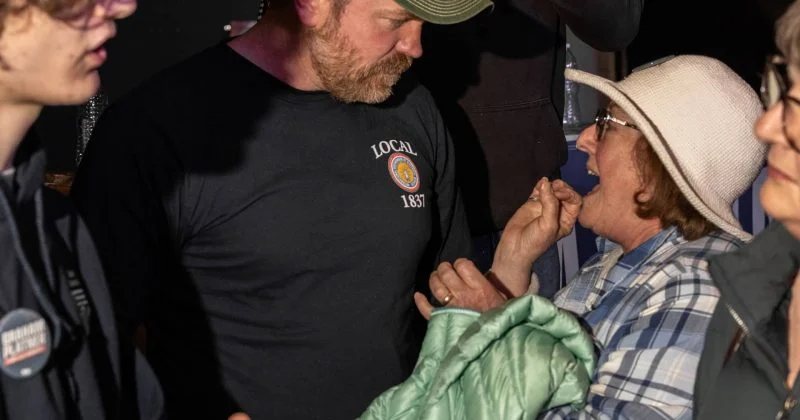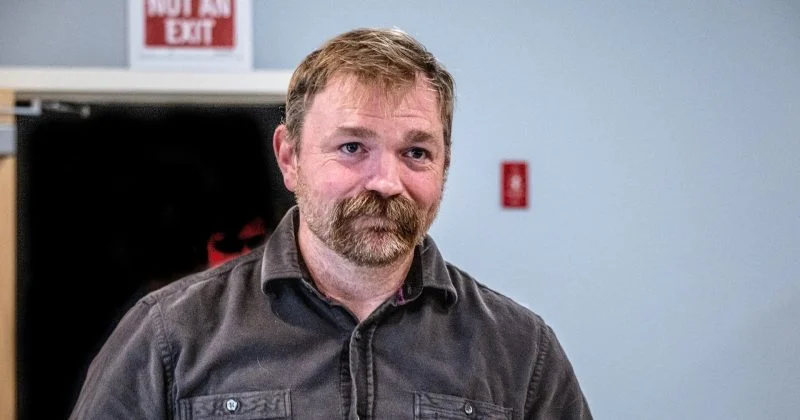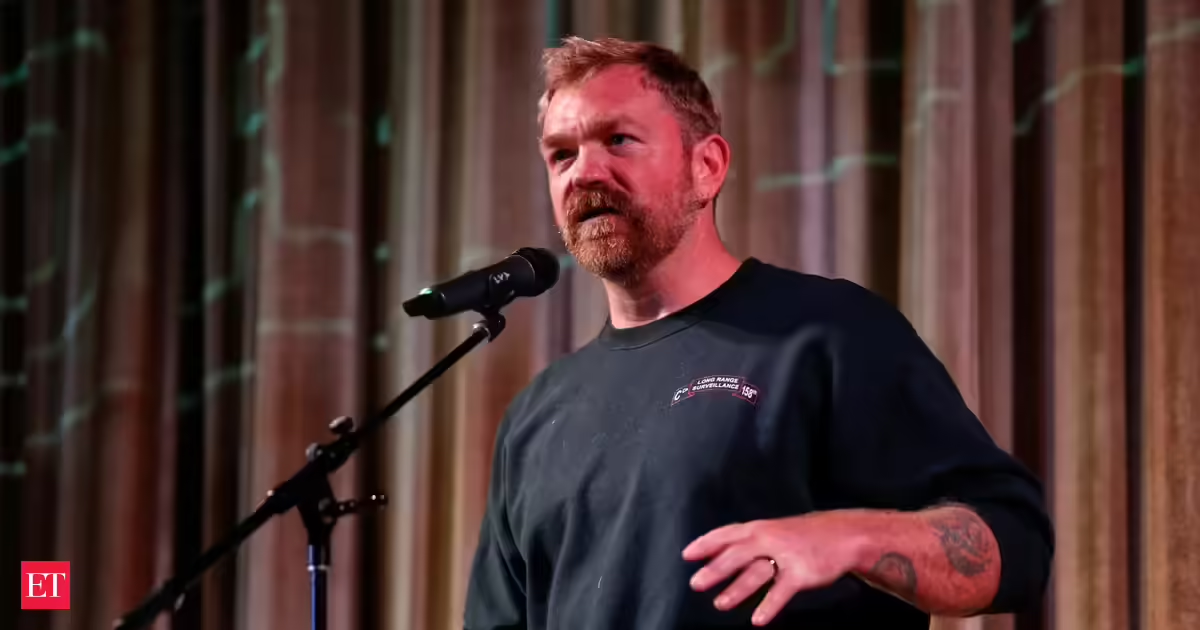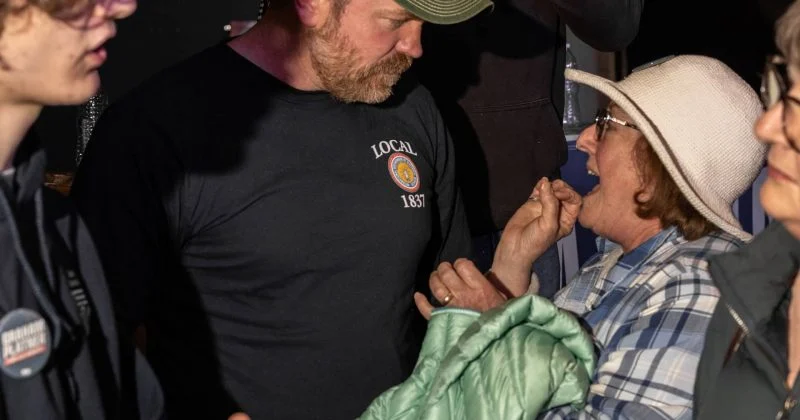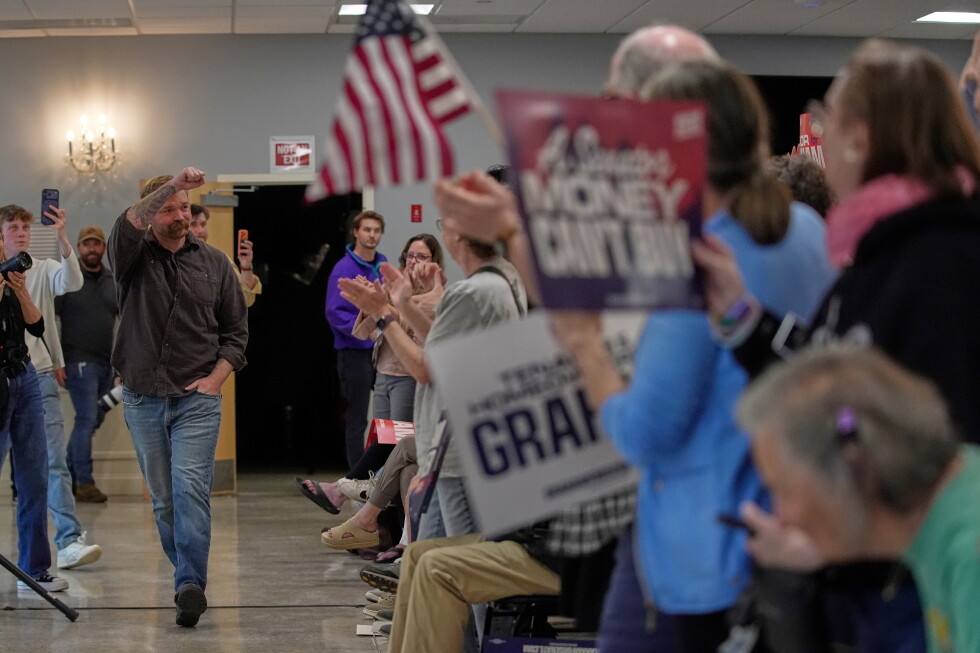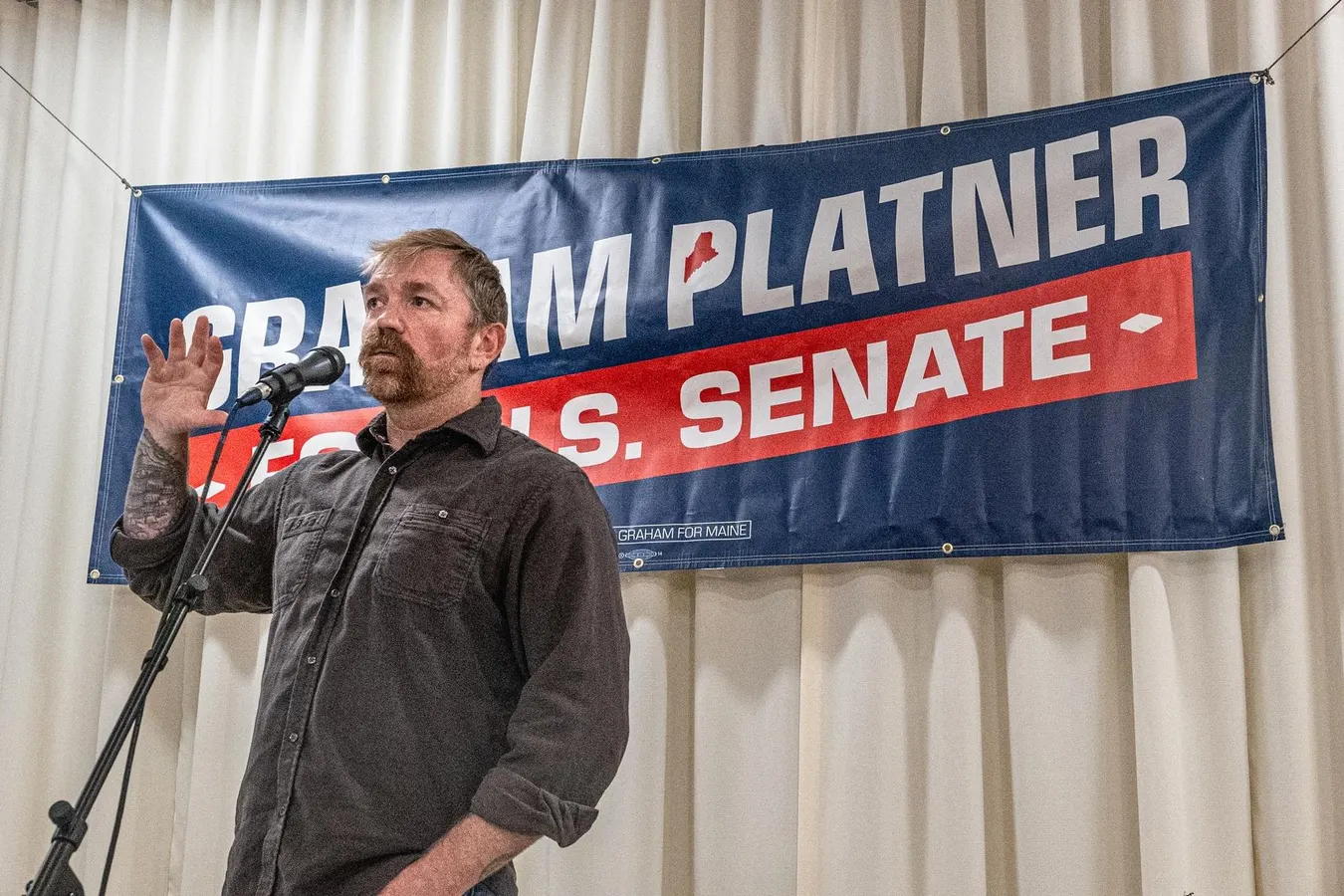
Democratic nominee Graham Platner formally dropped out of the Maine Senate race yesterday in the face of new allegations that he has denied. The reasons behind Platner’s decision to end the campaign is a timely reminder for corporate boards of directors about the importance of thoroughly vetting candidates for senior company positions. (Photo by Laura Brett/Getty Images)Getty ImagesDemocratic nominee Graham Platner formally dropped out of the Maine Senate race yesterday in the face of new allegations that he has denied. The reasons behind Platner’s decision to end the campaign is a timely reminder for corporate boards of directors about the importance of thoroughly vetting candidates for senior company positions. Speaking on the Politics War Room with James Carville and Al Hunt podcast, Carville, a veteran Democratic strategist, criticized Maine Democrats for making the mistake of ignoring classic rules like running opposition research on one’s own candidate to check for flaws.While political campaigns and corporate boardrooms operate in different environments, they have a similar challenge: identifying potential liabilities before they become public controversies. In both cases, leaders who fail to conduct thorough due diligence can find themselves reacting to problems that might have been discovered and addressed earlier.How vetting candidates can have consequences In the corporate world, the failure to thoroughly vet contenders to lead organizations can have serious consequences. The selection of a CEO ‘is one of the board’s most consequential governance responsibilities,” Shawn Cole, president and co-founder of Cowen Partners Executive Search, told me in an email message.The consequences of poor diligence can be seen in news coverage “about CEO tenures, strategic misalignment, operational disruption, and the destruction of shareholder value. With companies facing shorter decision timelines and a shrinking pool of proven executive talent, the urgency to get the hire right has never been greater,” Cole told me.MORE FOR YOUA failed CEO hire can create problems that go far beyond the executive suite. Leadership disruptions can distract management, rattle employees, concern investors, and create reputational challenges for organizations. In May 2025, Kohl’s removed CEO Ashley Buchanan “after an investigation found he had pushed for deals with a vendor with whom he had a personal relationship, after little more than 100 days in the CEO job,” Reuters reported. (Photo by Bruce Bennett/Getty Images)Getty ImagesOne case in particular illustrates what can happen when questions arise about the information that’s provided to board members and other stakeholders concerning new corporate leaders. In May 2025, Kohl’s Corporation “fired CEO Ashley Buchanan for cause after an investigation found he had violated the company’s conflict-of-interest policies,” according to CBS News.Buchanan “had pushed for deals with a vendor with whom he had a personal relationship, after little more than 100 days in the CEO job,” Reuters wrote. Buchanan was not immediately available for comment when contacted on LinkedIn, according to the wire service.This example underscores the importance of boards conducting ongoing due diligence regarding executive candidates, potential conflicts of interests, and the accuracy of material disclosures before and after senior leaders are hired. Corporate vetting—more than a hiring exercise The lesson for boards is straightforward: due diligence should be viewed as risk management and crisis prevention functions, not simply as a hiring exercise. Just as companies conduct extensive reviews before making major acquisitions or investments, they should apply similar scrutiny to the executives who would be entrusted with leading the organization and representing its brand.“Boards should approach CEO and senior leadership appointments with the same level of scrutiny they would apply to a significant corporate transaction. References remain important, but do not provide the full picture,” Alan Kennedy, managing director of the London office of Nardello & Co, an investigation and intelligence firm, told me via email.The growth of social media and online records has made executive due diligence both more important and more complicated. Information that once might have remained obscure can quickly become a reputational issue. That’s why, to be safe, the more possibilities that are examined, the better. “We even look at a candidate’s family to see if they have made comments on social media or have affiliations that could prove problematic,” Kennedy pointed out.Even after a CEO is hired, the board’s oversight responsibilities should continue. Establishing clear expectations, conducting regular performance reviews, and monitoring the implications of emerging risks can help boards identify issues before they escalate into larger problems.A rigorous due diligence process can help boards make better hiring decisions, identity potential risks earlier, and improve the likelihood that a new CEO will succeed over the long term.The controversies involving Platner and the experience of companies such as Kohl’s demonstrate that selecting new executives is a governance issue, not simply an administrative exercise. Boards that invest the time and resources that are necessary to thoroughly evaluate executive candidates could be better positioned to avoid preventable self-inflicted crisis situations.When Maine Democrats decide who will replace Platner on the November ballot, how they pick a new candidate—and how the candidate is vetted—could provide more lessons for boards of directors.
Corporate Vetting Lessons From Graham Platner’s Failed Senate Bid
Graham Platner’s withdrawal from the Maine Senate race amid new allegations is a timely reminder about the need to thoroughly evaluate corporate and political candidates.
827 words~4 min read