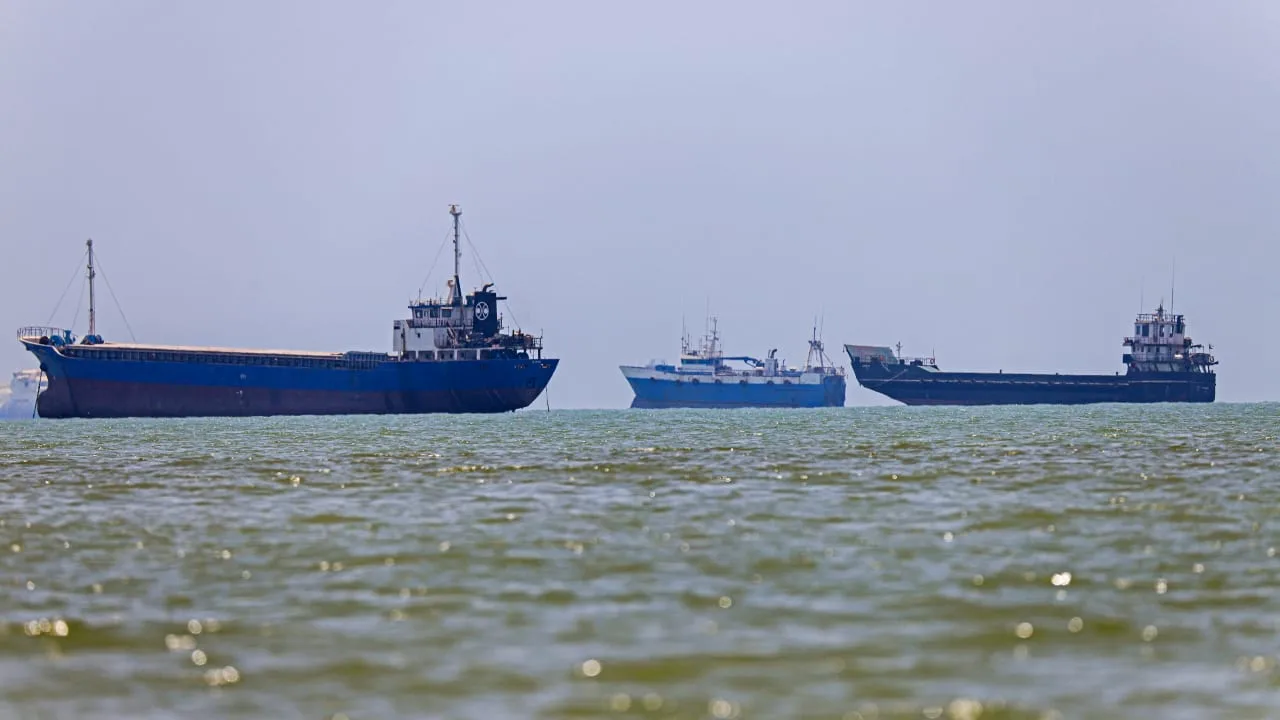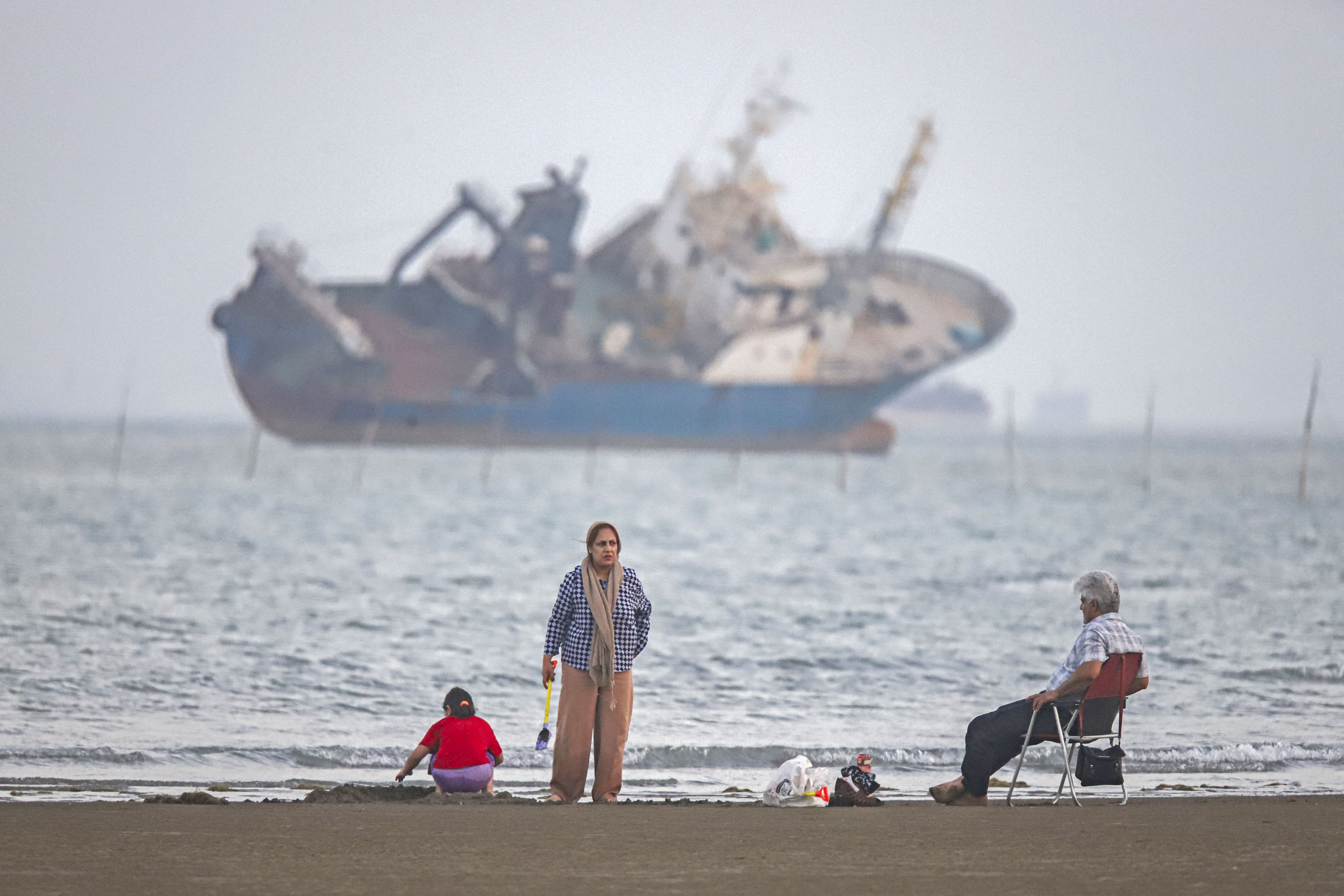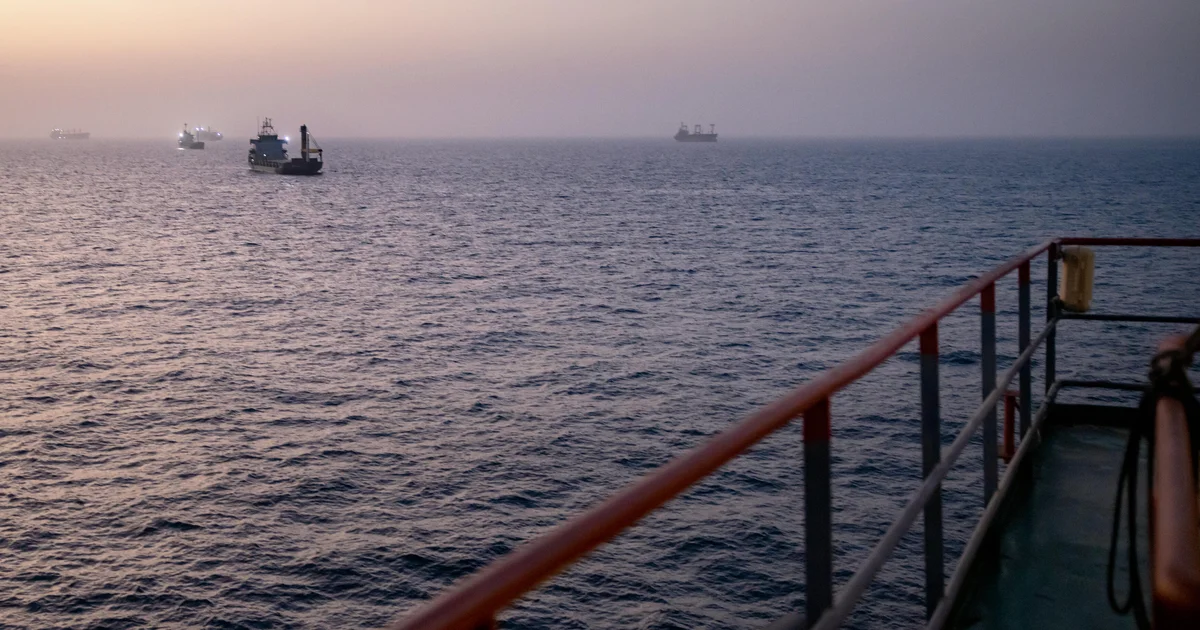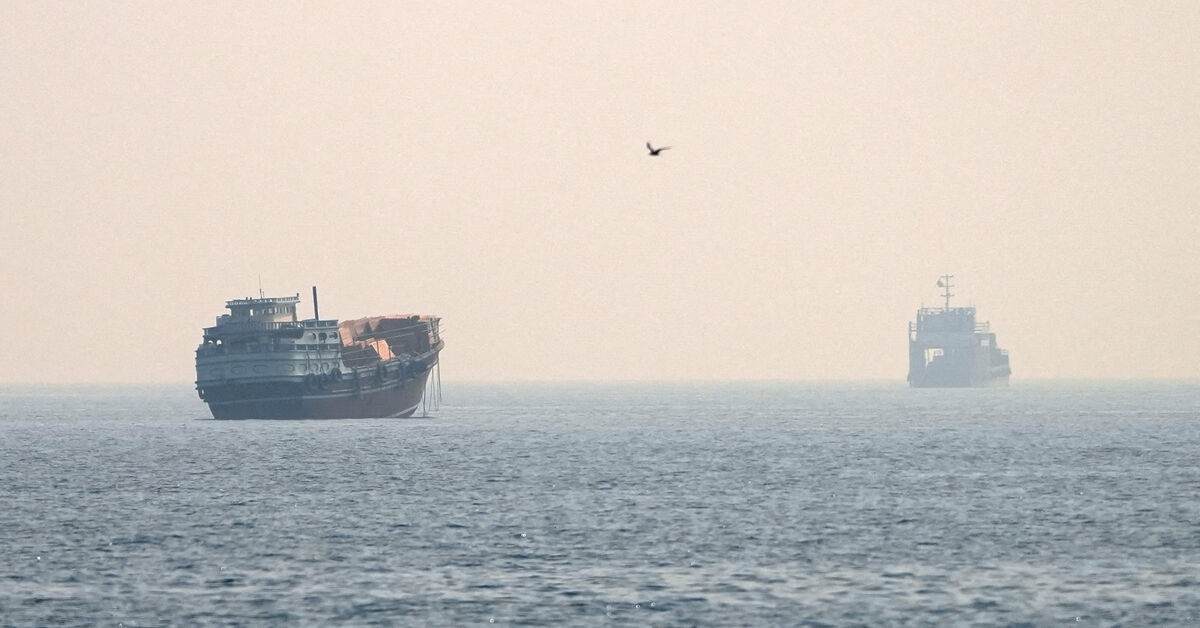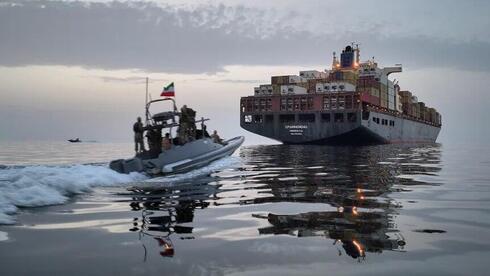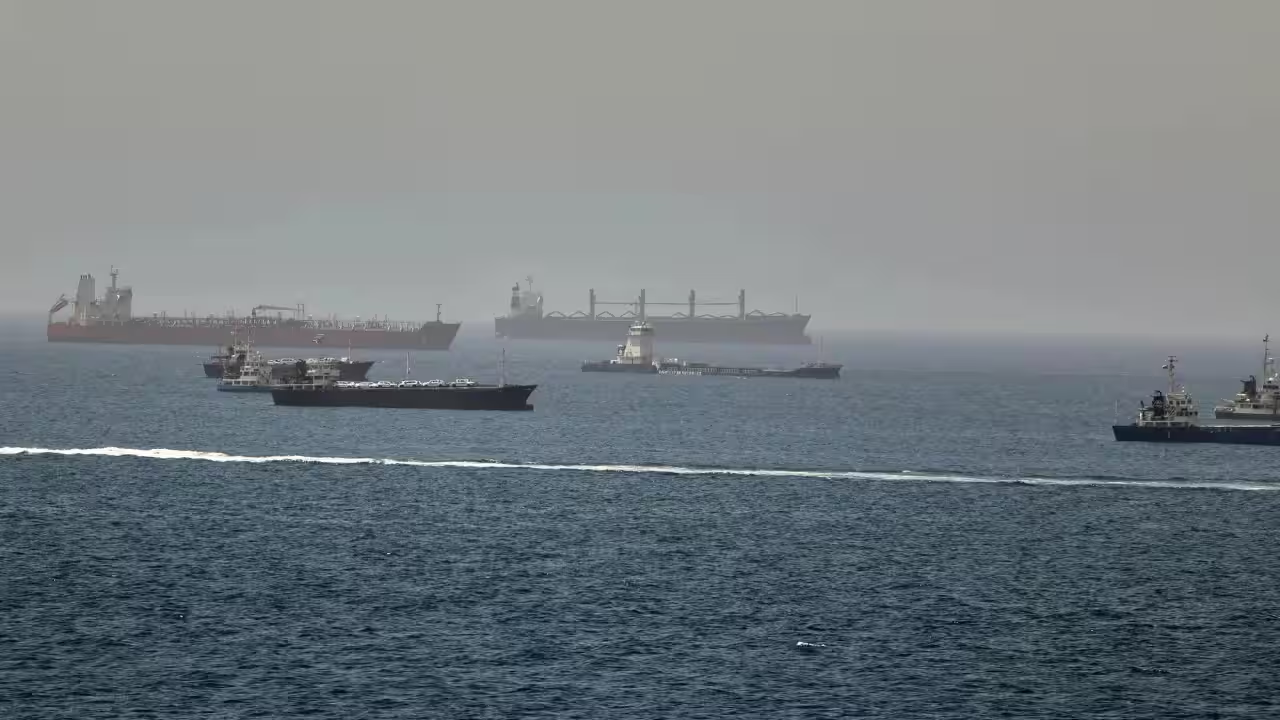
Iranian officials told the US that the attacks on commercial shipping had been initiated by an "errant" entity within Iran's system that wanted to undermine the diplomatic processIran has told the United States that attacks on commercial ships in the Strait of Hormuz were the work of an "errant" group of hardliners attempting to sabotage ongoing negotiations, while reaffirming its commitment to continue diplomatic talks, according to senior US officials. The message was conveyed ahead of fresh negotiations between the two sides in Oman on Saturday, as Washington assesses Tehran's explanation for the incidents.According to a report by CBS News, Iranian representatives privately admitted to the US officials that the attacks had been a mistake and sought to reassure the Trump administration that Tehran remained committed to the negotiating process."They came back to the table and said, 'We screwed up. We made a mistake. Let's keep talking,'" one US official said.US President Donald Trump has directed his negotiating team, led by US vice president JD Vance, special envoy Steve Witkoff, US secretary of state Marco Rubio and senior adviser Jared Kushner, to continue talks with Iran while making clear that the US would respond with military and economic measures if Tehran engaged in further hostile acts.The White House, however, expects Iran to publicly acknowledge that the attacks violated the ceasefire, which the Trump administration considers a key step towards restoring trust.US officials said they expect Iran's position after Saturday's talks to be that the Strait of Hormuz will remain open and function as it did before the conflict. One official warned that failure to provide such assurances would carry consequences."If that is not their position, it's not going to be a great day for them," the official said.Another official said, "We're definitely in a wait-and-see moment."Iranian officials told the US that the attacks on commercial shipping had been initiated by an "errant" entity within Iran's system that wanted to undermine the diplomatic process. However, the Trump administration believes the disruption stemmed from a different calculation.According to one US official, Washington had believed that the southern shipping lane along the Omani coast would remain open under the memorandum between the two countries. Iran, however, was allegedly caught off guard by how quickly maritime traffic resumed and by the volume of oil and gas shipments using that route, prompting it to reverse course.Officials said Trump was giving negotiators room to secure an agreement, but added that the administration was not prepared to allow the process to drag on indefinitely.The future of negotiations will also affect discussions on Iran's nuclear programme. US officials said Washington would prefer to excavate what Trump has called the "nuclear dust", referring to the remnants of Iran's nuclear programme, but warned that if Iran failed to act like a "normal country", other options remained available, including leaving it buried.One official said that unless Iran could honour what the US viewed as the simplest part of the understanding, keeping the Strait of Hormuz open to global trade, there would be little prospect of reaching agreement on the more difficult issue of Tehran's nuclear programme.The officials declined to comment on reports that Israeli intelligence had uncovered alleged plots against Trump, but said the president does not make decisions based on fear or threats.
'We screwed up': Iran officials admit hardliners fired on ships to derail talks
Iran has told the United States that attacks on commercial ships in the Strait of Hormuz were the work of an "errant" group of hardliners attempting to sabotage ongoing negotiations, while reaffirming its commitment to continue diplomatic talks, according to senior US officials. The message was conveyed ahead of fresh negotiations between the two sides in Oman on Saturday, as Washington assesses Tehran's explanation for the incidents.
543 words~2 min read