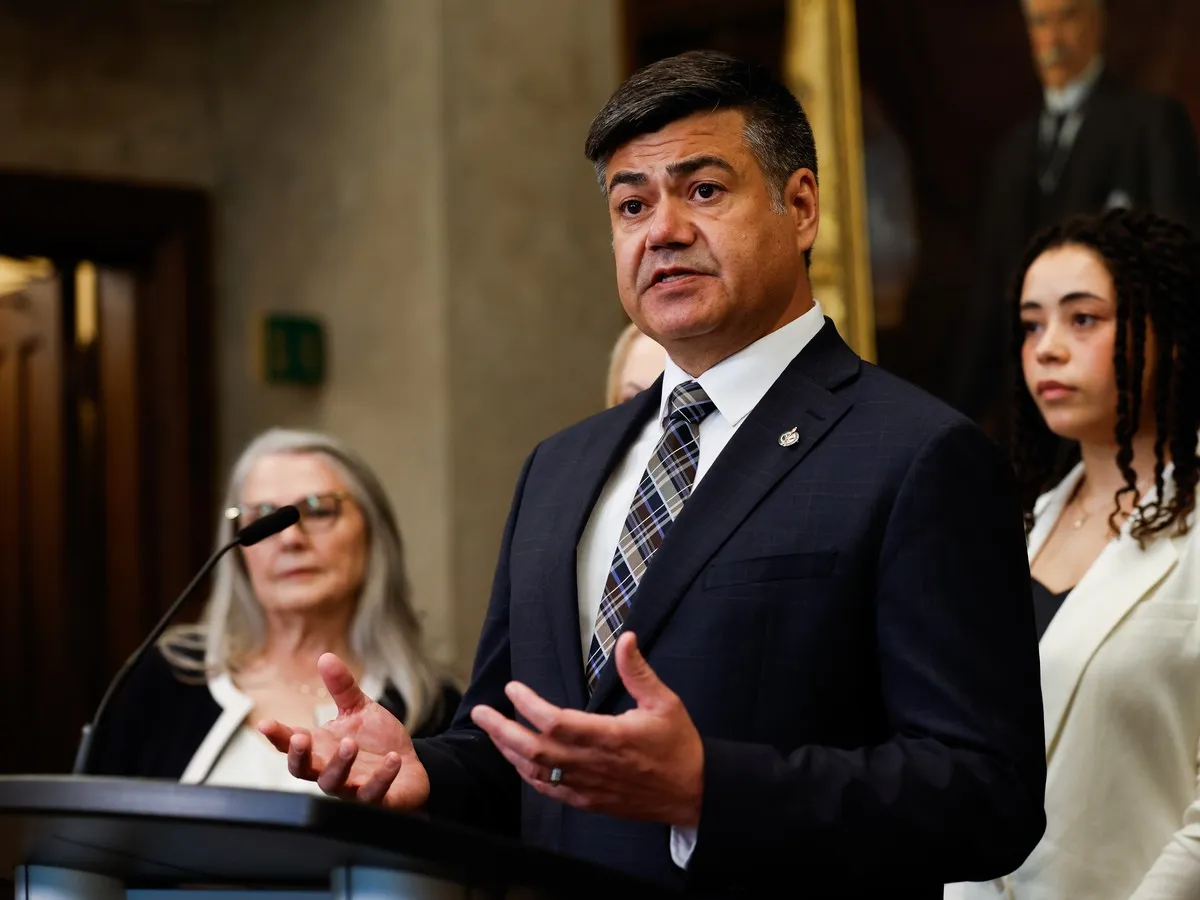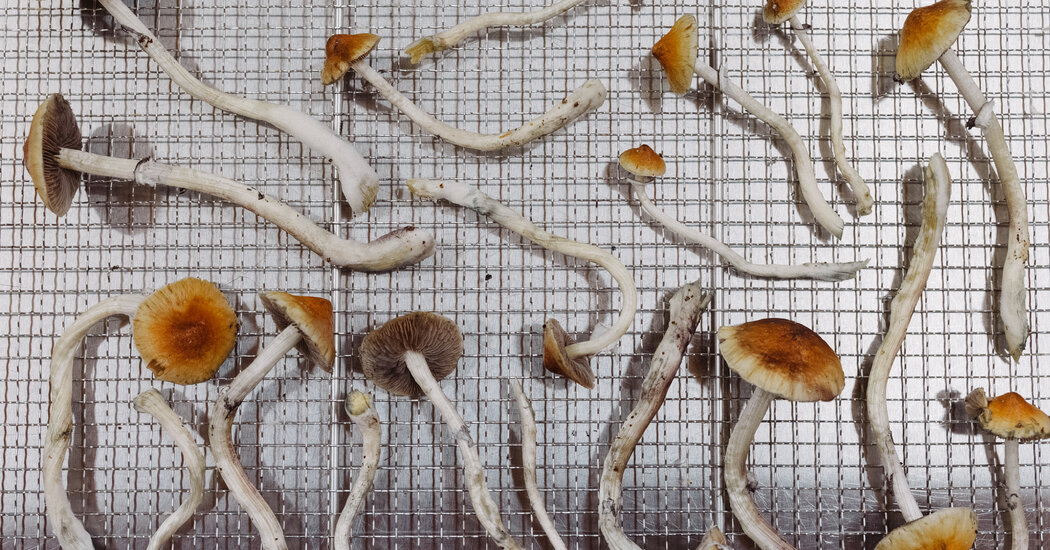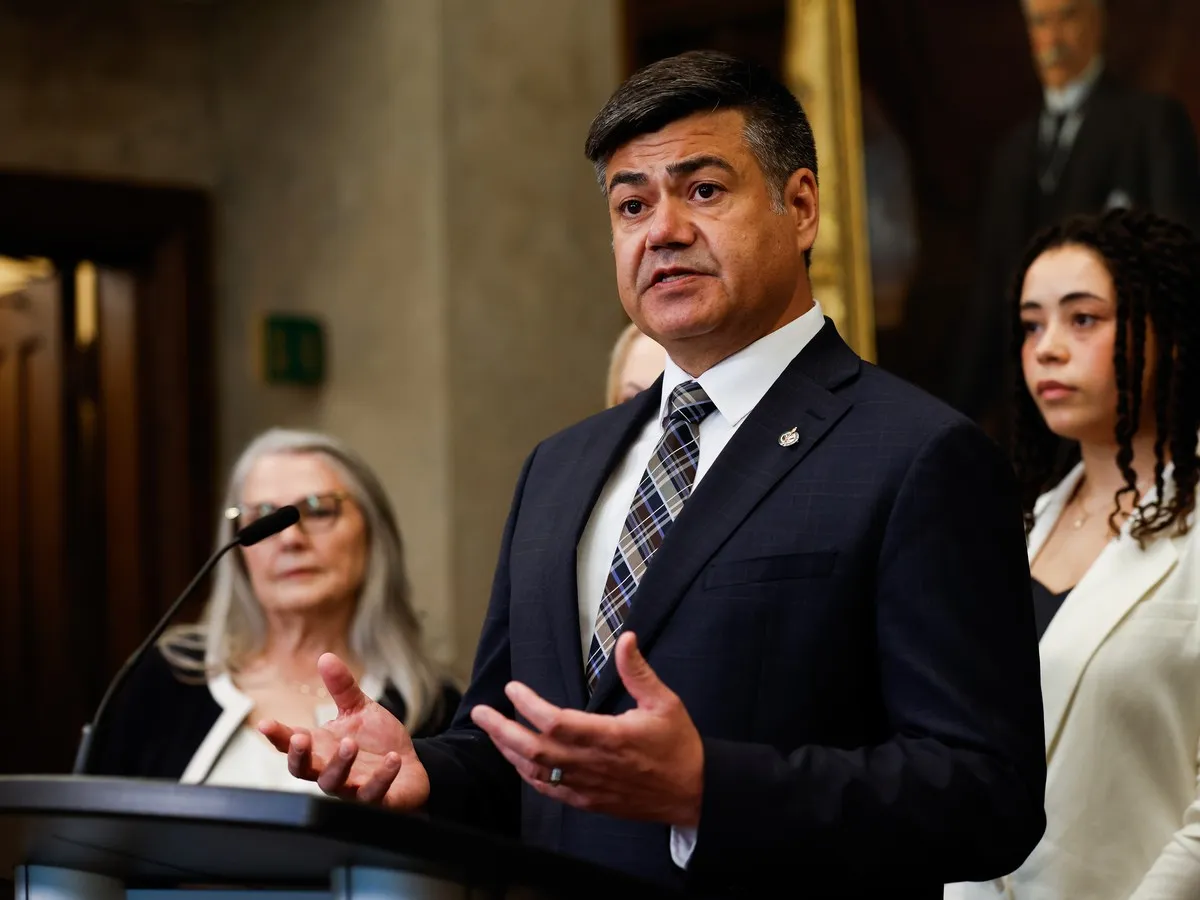
Skip to Content Subscribe Our Offers My Account Manage My Subscriptions FAQ Newsletters Canada Canadian True Crime Canadian Politics Health World Israel & Middle East Financial Post NP Comment Longreads Puzzmo Diversions Comics NP News Quiz New York Times Crossword Horoscopes Life Eating & Drinking Style Sponsored Play for Ontario Travel Travel Canada Travel USA Travel International Cruises Travel Essentials Culture Books Celebrity Movies Music Theatre Television Business Essentials Advice Lives Told Tails Told Shopping Buy Canadian Home Living Outdoor Living Kitchen & Dining Tech Style & Beauty Personal Care Entertainment & Hobbies Gift Guide Travel Guide Amazon Prime Day Deals Savings National Post Store More Sports Hockey Baseball Basketball Football Soccer Golf Tennis Driving Vehicle Research Reviews News Gear Guide Obituaries Place an Obituary Place an In Memoriam Classifieds Place an Ad Celebrations Working Business Ads Archives Healthing Epaper Manage Print Subscription Profile Settings My Subscriptions Saved Articles My Offers Newsletters Customer Service FAQ Newsletters Canada World Financial Post NP Comment Longreads Puzzmo Diversions Life Shopping Epaper Manage Print Subscription HomeNP CommentBen Woodfinden: A Tory MP wants easier access to magic mushrooms. Hear him outIt is worth letting doctors prescribe psilocybin for end-of-life depressionLast updated 17 minutes ago You can save this article by registering for free here. Or sign-in if you have an account.Conservative MP Corey Tochor speaks during a press conference introducing new legislation to legalize prescribing psychedelics like psilocybin at the foyer of the House of Commons at the West Block on Parliament Hill in Ottawa on Tuesday, June 16, 2026. Photo by HYUNGCHEOL PARK /PostmediaA few days before Parliament rose for its summer recess, Saskatchewan MP Corey Tochor tabled a private member’s bill (C-286) that would loosen federal law to let doctors prescribe drugs containing psilocybin for depression, particularly end-of-life depression, and fast-track the regulatory approval of those drugs. You may not have heard of psilocybin, but you have probably heard of magic mushrooms, the fungi it comes from. And you might be wondering why on earth a Conservative MP, from a party that has taken tough stances on drugs in recent years, is tabling a bill to loosen access to a controlled substance. What, you might ask, is this MP smoking (or taking)? But get your laughs out now. Private member’s bills rarely become law, and most never make it through the legislative process at all, but this one is a serious piece of work, and when the House returns on September 21 it deserves a proper look from members of every party. Enjoy the latest local, national and international news.Exclusive articles by Conrad Black, Barbara Kay and others. Plus, special edition NP Platformed and First Reading newsletters and virtual events.Unlimited online access to National Post.National Post ePaper, an electronic replica of the print edition to view on any device, share and comment on.Daily puzzles including the New York Times Crossword.Support local journalism.Enjoy the latest local, national and international news.Exclusive articles by Conrad Black, Barbara Kay and others. Plus, special edition NP Platformed and First Reading newsletters and virtual events.Unlimited online access to National Post.National Post ePaper, an electronic replica of the print edition to view on any device, share and comment on.Daily puzzles including the New York Times Crossword.Support local journalism.Create an account or sign in to continue with your reading experience.Access articles from across Canada with one account.Share your thoughts and join the conversation in the comments.Enjoy additional articles per month.Get email updates from your favourite authors.Create an account or sign in to continue with your reading experience.Access articles from across Canada with one accountShare your thoughts and join the conversation in the commentsEnjoy additional articles per monthGet email updates from your favourite authorsSign In or Create an AccountorBefore getting into the substance (pun intended), it is worth being clear about what the bill is not. C-286 is a narrow medical measure. It does not legalize psychedelics for the wider population or for recreational use. It amends two statutes, the Controlled Drugs and Substances Act and the Food and Drugs Act, moving psilocybin and its cousin psilocin out of the most restricted tier and into the framework that already lets doctors prescribe controlled drugs, while directing Health Canada to fast-track related drug submissions. This newsletter from NP Comment tackles the topics you care about. (Subscriber-exclusive edition on Fridays)By signing up you consent to receive the above newsletter from Postmedia Network Inc.We encountered an issue signing you up. Please try againIt is named for Thomas Hartle, who is not around to lobby for it. Hartle was a father in Saskatoon, diagnosed with stage 4 colon cancer in 2016, and in 2020 was the first Canadian granted a legal exemption to take psilocybin, which he used against the dread of knowing how his story ended. It helped him where the antidepressants had not. Then the exemption lapsed, and the renewals dragged (one request sat 511 days before Health Canada said no), and a dying man spent strength he could not spare flying to the Caribbean for a treatment that made his last months bearable. He died in 2024, at 56. “The state will help you end your life but won’t grant you legal access to a plant that is non-toxic and non-addictive,” Tochor said. He is right. Parliament found the time, not long ago, to widen the door to assisted death; unsticking a mushroom that kills no one has apparently been harder. The state made dying on request reasonably quick and made this a years-long fight, and Hartle ran out of years. Psilocybin was not invented in labs by humans looking to turn human dependency into profit. It is natural substance with a long history across civilizations. It grows in dozens of wild mushroom species, and people have been eating those mushrooms to alter their minds for thousands of years. The Aztecs called them teonanácatl, “flesh of the gods,” and used them in rites that Spanish missionaries tried to wipe from the record. None of that proves the drug works. But it makes the panic over a mushroom look a little ridiculous. Psilocybin produces no physical dependence, and the body builds tolerance so quickly that a second day’s dose barely registers, which is the enemy of any habit. You cannot get hooked on it. As one Johns Hopkins researcher dryly put it, nobody is jonesing for their next fix. Overdosing is nearly as hard: there is no established lethal dose in humans, with estimates running to perhaps a thousand times an ordinary one. The hazards are almost entirely psychological. A dose can bring on panic or a frightening sense that the self is coming apart, the “bad trip” of popular reputation, and someone going through that alone, with no one to steady them, can end up in real danger. That is why the bill keeps psilocybin in a clinic, under a doctor, rather than turning it loose. So how does it work? Once swallowed, psilocybin converts to psilocin, which latches onto a serotonin receptor that sits thickly across the cortex and, in effect, turns down a brain circuit called the default-mode network. Think of that network as the brain’s self-absorbed narrator, the running inner monologue that, in depression, gets stuck on one bleak loop and will not switch off. Quiet the narrator and the experience can be strange and overwhelming. People describe the edges of the self softening, emotions arriving with unusual force, old griefs surfacing to be looked at squarely, a sense of connection to other people and the world that the illness had shut down. Inside the skull, regions that normally keep to themselves start comparing notes, and a single dose appears to set off a burst of rewiring that outlasts the drug, the kind no daily pill produces and, if we are honest, the kind nobody has fully explained. One afternoon, and the prescription is finished. For a substance the state treats as dangerous, the evidence that it helps is surprisingly strong, and growing. Depression has the strongest case behind it, along with the end-of-life distress that was Hartle’s own. Controlled trials in JAMA Psychiatry and the New England Journal of Medicine report fast, sometimes lasting relief, even in patients who had failed everything else. Early work on addiction, the street-drug epidemic Tochor keeps invoking, is encouraging. PTSD is shakier. Veterans like Josh Veinotte, who appeared alongside Tochor, say it helped with trauma nothing else had touched, though the formal evidence is less conclusive and stays preliminary. For Alzheimer’s the science is younger still, one small Hopkins study of depression in early dementia. And the doubts are fair. It is hard to blind a trial when patients can feel the drug working, the field has a habit of getting ahead of its evidence, and a promising result is a long way from a pharmacy shelf. All the more reason to put it under scrutiny. So when the House comes back, send this bill to committee so it can be studied, experts can testify on various sides, and our legislators can have a serious look at the pros and cons of the bill. This is exactly what committees are for. The instinct to laugh this off, or to leave it buried in the drug schedule, is incuriosity dressed up as conservative caution, and it has kept better ideas than this one waiting far too long. Tochor, to his credit, did not wait. The rest of the House should follow. National Post Join the Conversation This website uses cookies to personalize your content (including ads), and allows us to analyze our traffic. Read more about cookies here. By continuing to use our site, you agree to our Terms of Use and Privacy Policy.
Ben Woodfinden: A Tory MP wants easier access to magic mushrooms. Hear him out
It is worth letting doctors prescribe psilocybin for end-of-life depression
1,610 words~7 min read