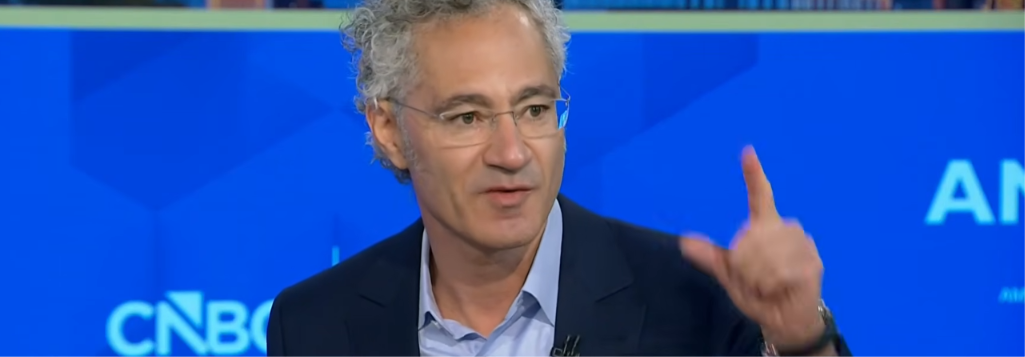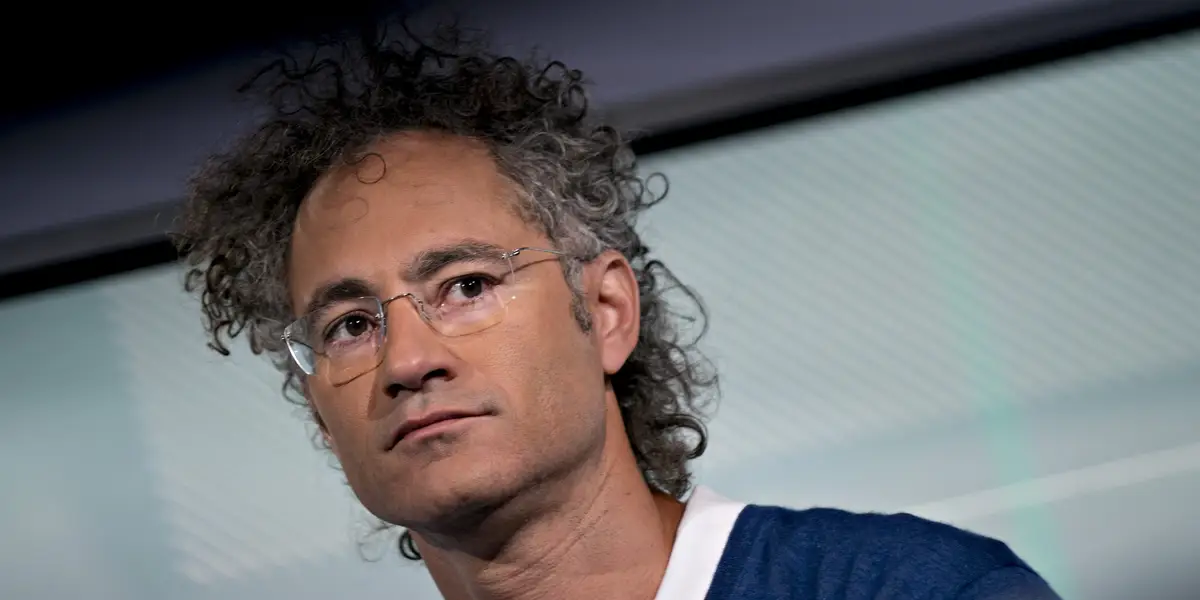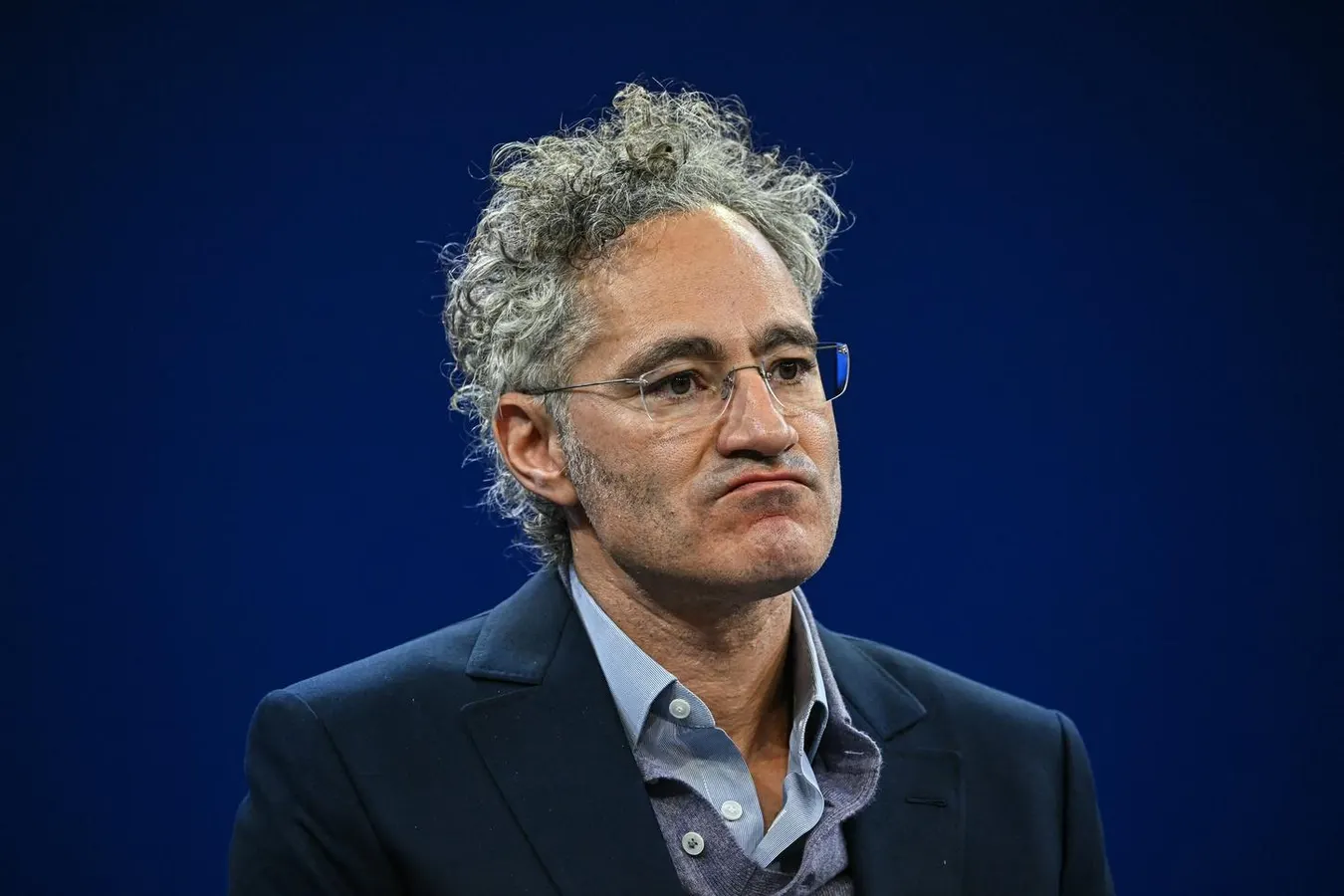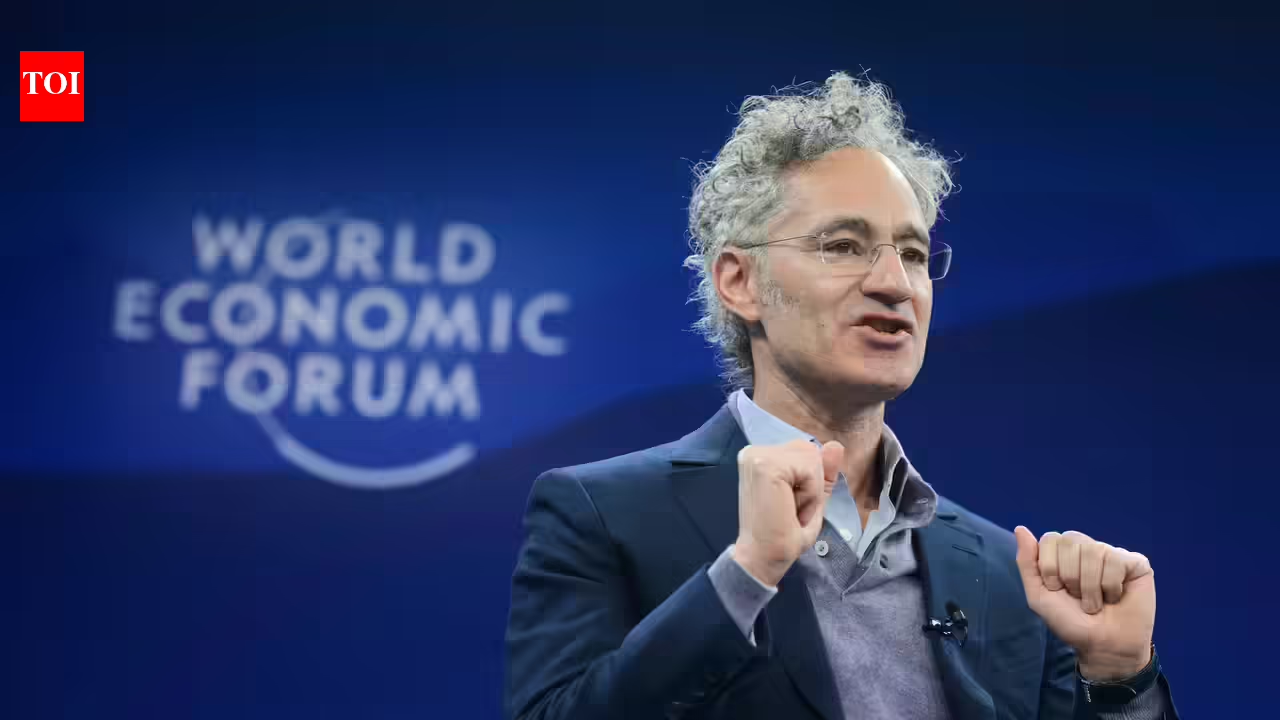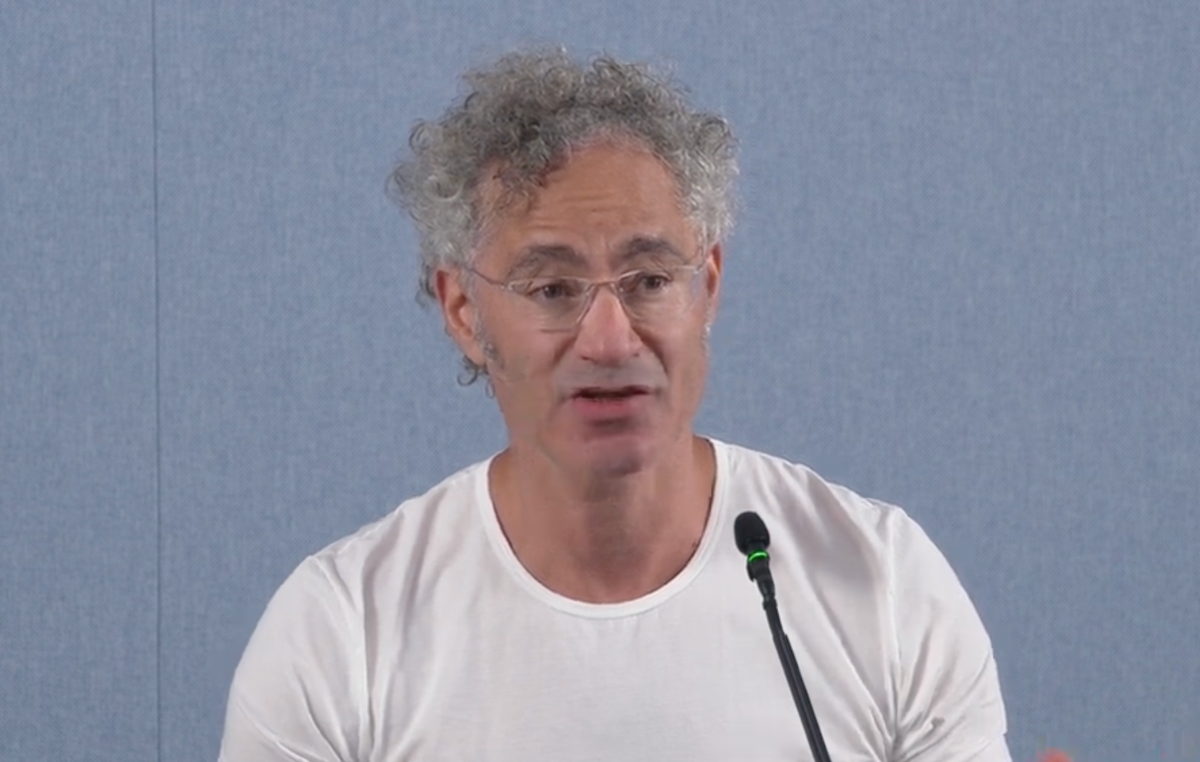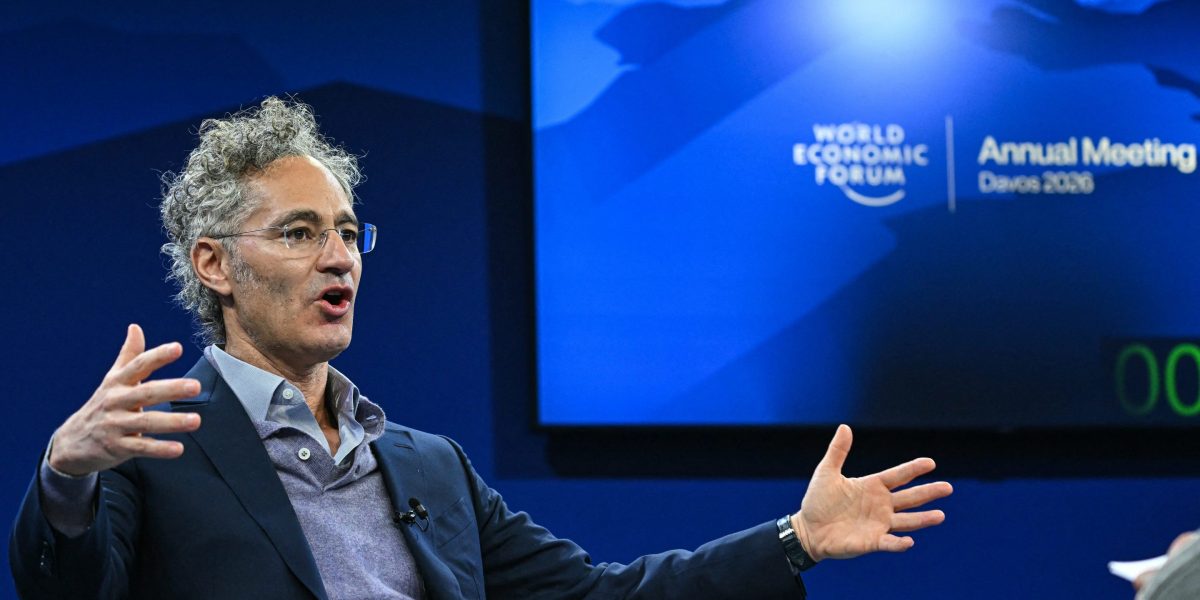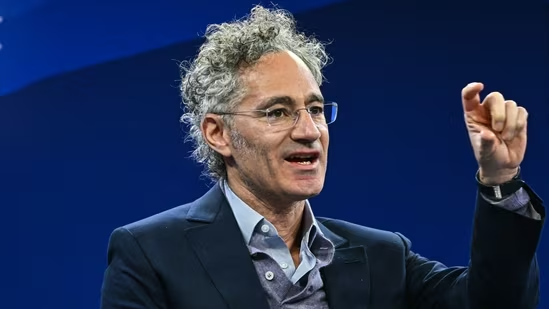
Palantir’s CEO taps into Corporate America’s angst about the growing power of AI upstarts. Alex Karp—describing himself as a “madman”—has brought the simmering tension between fast-rising AI giants and established tech players to a boil.Palantir Technologies CEO Alex KarpIn both nuanced and dramatic fashion, the Palantir Technologies chief executive is drawing attention to concerns over the power and insight AI labs derive from their business customers’ data and decision-making—the magic sauce behind what makes a company successful.This past week, Palantir released a dense white paper—entitled: “Institutional Sovereignty in the Age of AI”—that laid out 15 steps companies and governments could take to protect themselves from the likes of OpenAI and Anthropic.That put polish on Karp’s more emotional TV appearance the week before, when he declared that “something has gone completely wrong” in the relationship between AI labs and their customers. Speaking at a frenetic pace, the tech company boss rattled on about AI labs hyping their capabilities, overcharging for tokens, or units of AI use, all while insisting that he wasn’t throwing shade at rivals while doing just that.Karp, who counts some of the largest U.S. companies as well as the government as clients, added, “at every single enterprise I deal with, these people are livid, they’re like, ‘I am paying for tokens that create no value.’ ”Karp’s I’m-mad-as-hell-and-I’m-not-going-to-take-it-anymore moment is perhaps the best illustration yet of the battle brewing between the tech establishment and the AI upstarts. That tension is playing out in politics as both parties weigh what role the government should play in overseeing AI, in geopolitics as the U.S. and China fight for tactical edges, and society writ large as the prospect of technological disruption threatens jobs and ways of life.Karp’s lengthy CNBC appearance (nearly 20 minutes, during which anchor Becky Quick interrupted to say: “You sound pretty angry,”) ignited debate throughout the tech industry. Former White House AI czar David Sacks, a longtime critic of Anthropic, amplified Karp’s argument.A data center in Ashburn, Va.“Anthropic has launched Claude Science, Claude Security, Claude Legal, and of course Claude Code—each expanding into categories previously served by companies building on top of their models,” Sacks posted on social media. “The pattern is consistent: Watch where value is being created, then move in directly. Dominate the model layer, then use that position to capture the most lucrative verticals.”The big question now being spoken out loud is where do traditional businesses fit in an AI world? Who captures the value created by AI: the companies deploying it or the labs developing the actual AI?Neither OpenAI nor Anthropic have directly responded to Karp’s criticisms. Both have policies that say enterprise customer data aren’t used for training their models. One AI lab insider sniffed: “We would be fools reacting to Karpian theatrics; he does well talking his own book.”Within tech circles, it is, admittedly, complicated. So many frenemies. So many deals among rivals. Last month, for example, the Trump administration put a hold on Anthropic’s ability to export its new powerful models after Amazon.com Chief Executive Andy Jassy quietly raised concerns. Amazon is an investor in Anthropic and has benefited from the AI lab using its special chips.Karp, too, has an angle. (He acknowledged as much.) Palantir has a product that essentially rides atop the so-called foundation model, bridging the gap between the AI and a customer. It’s a good business for the company.Still, Karp isn’t alone in voicing concerns in recent weeks about the imbalance between businesses and AI labs. Soaring costs have led some companies to re-evaluate how the technology is being used.Amazon.com CEO Andy JassyMicrosoft CEO Satya Nadella wrote an essay on that topic and has been making the rounds talking about his concerns that companies be able to retain the learnings that come from using AI models. “If you’re just a consumer of a foundation model, then I’m not sure how you can retain enterprise value, let alone create,” Nadella said this month during an appearance at Stanford University.Nobody accused Nadella of having a meltdown like they did with Karp.Microsoft has been a big backer of OpenAI but is struggling to remain on the forefront of the fast-moving technology, which threatens to unseat software makers. On Thursday, for example, Microsoft and IBM shares were initially rocked by a media report that coffee company Starbucks is using AI to replace software it buys from those tech companies.By the time it takes to drink a cup of coffee, it seems the winners and losers of the new AI era can change. It is yet another sign that no one knows how the technology, which some rank up there with the advent of electricity, will remake things. What is clear is that the big tech players of today aren’t necessarily guaranteed to be the winners of tomorrow.But they aren’t giving up, as evident by Karp’s campaign.This past week wound down with Meta Platforms announcing a new version of its own AI model that included a paid tier.Meta CEO Mark Zuckerberg, in an interview with Bloomberg News, made it clear he sees an opening to compete on price. “The pricing from some of the other labs is very extreme and has very high margins,” he was quoted as saying. “We think that there’s a real ability to be able to offer frontier or very high-level intelligence at a much more affordable cost.”Then there are the expected IPOs of Anthropic and OpenAI, which will likely rank the AI labs among the most valuable companies in the world. Their central role in AI is increasingly worrisome to many across the political spectrum.Karp’s attacks add to the list of those speaking out.So, was Karp angry?“No,” he said. “This is the voice of American business that is being channeled through me.”Write to Tim Higgins at tim.higgins@wsj.com
Alex Karp is saying what every angry CEO is thinking about AI
Palantir’s CEO taps into Corporate America’s angst about the growing power of AI upstarts. | Technology News
959 words~4 min read