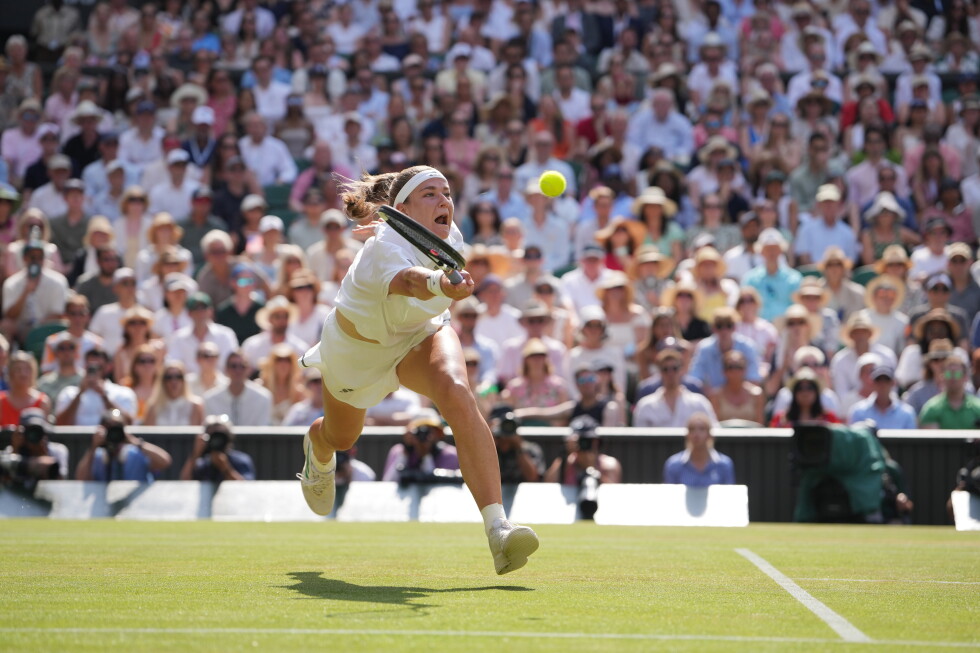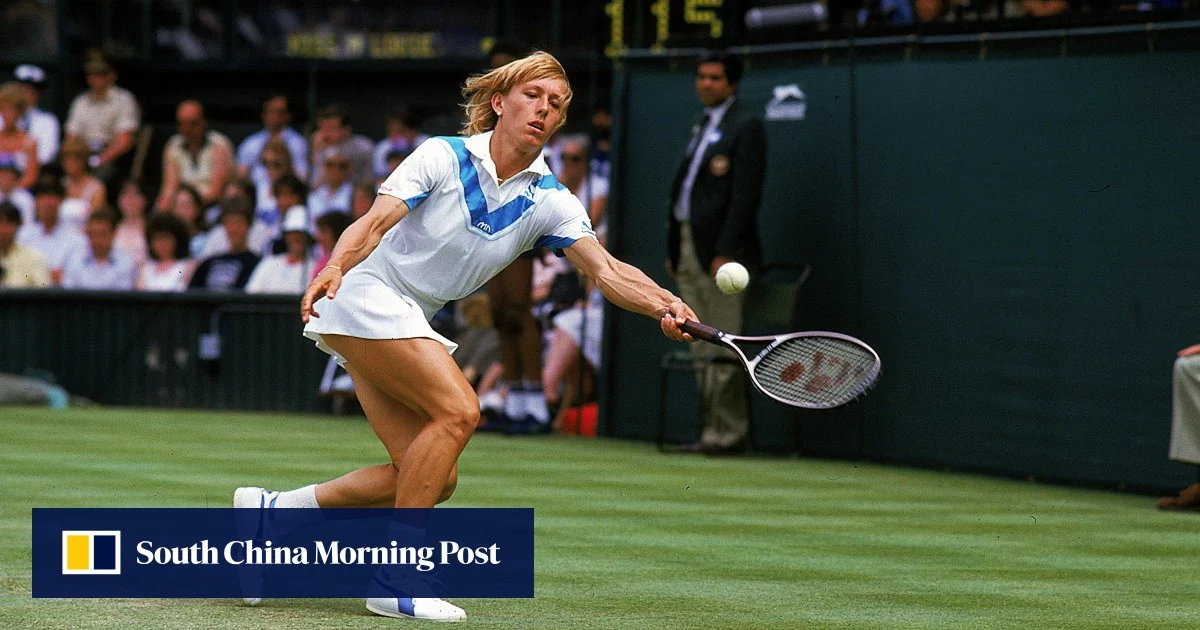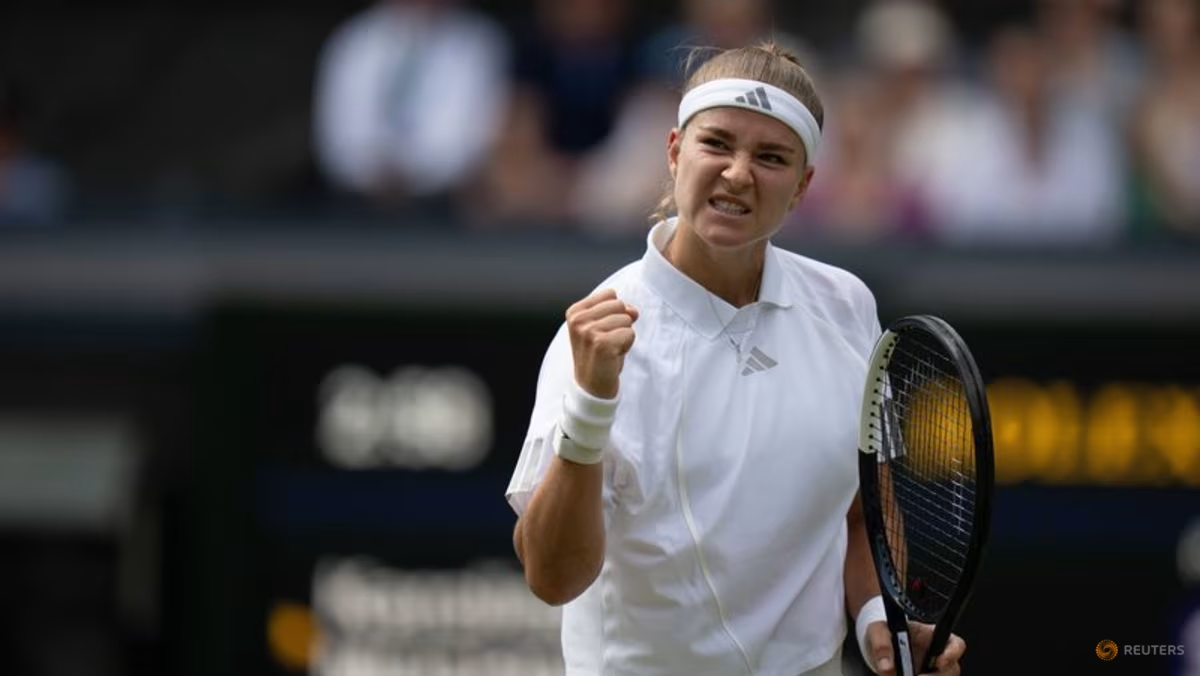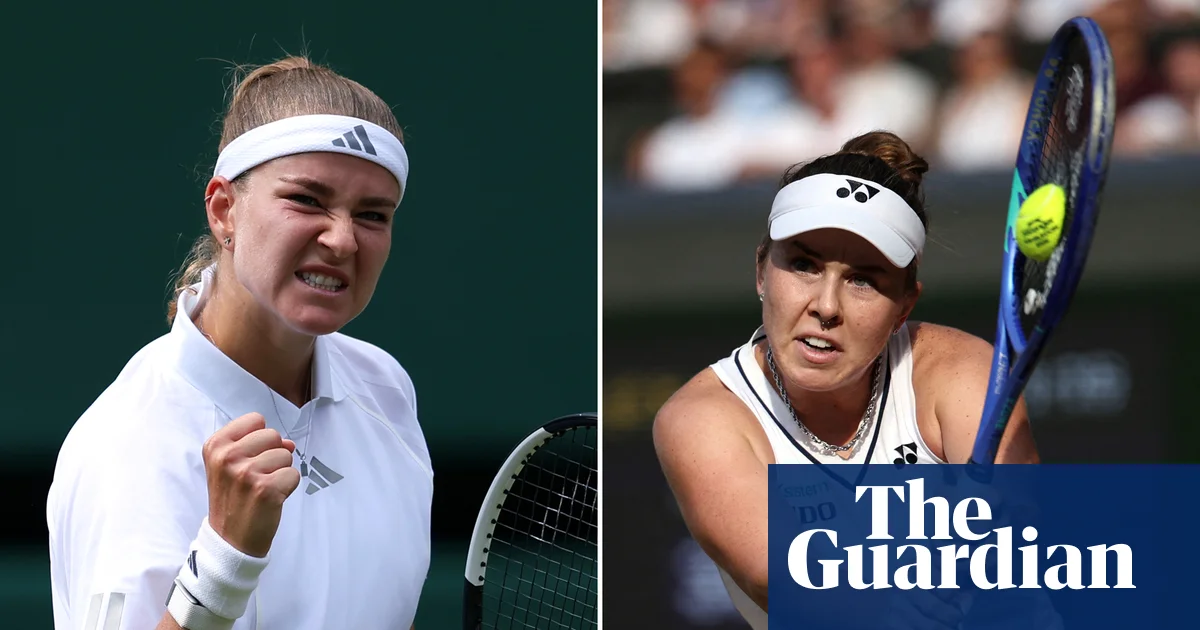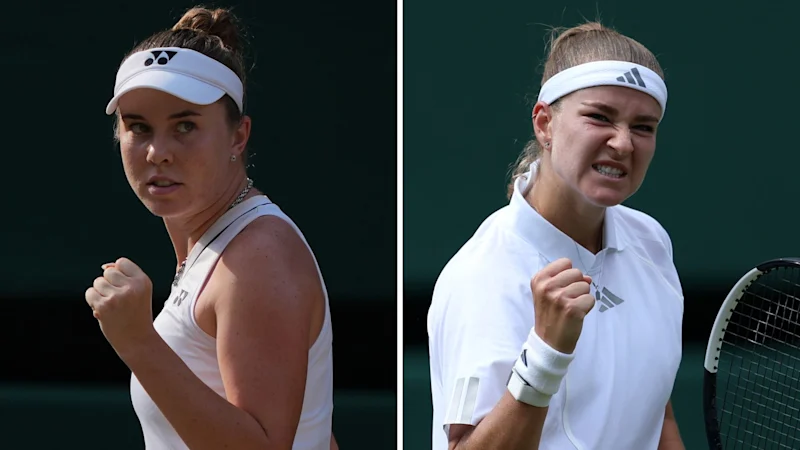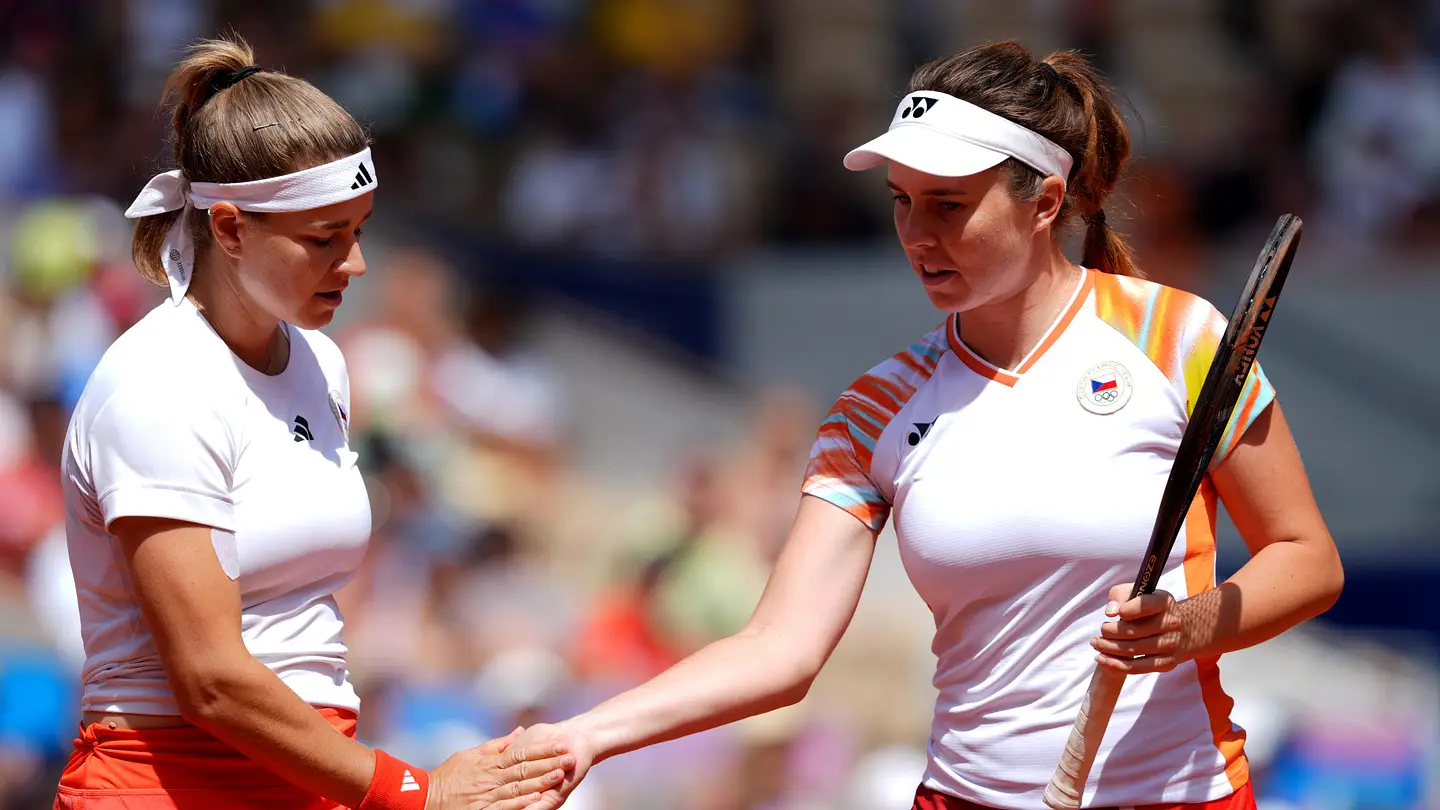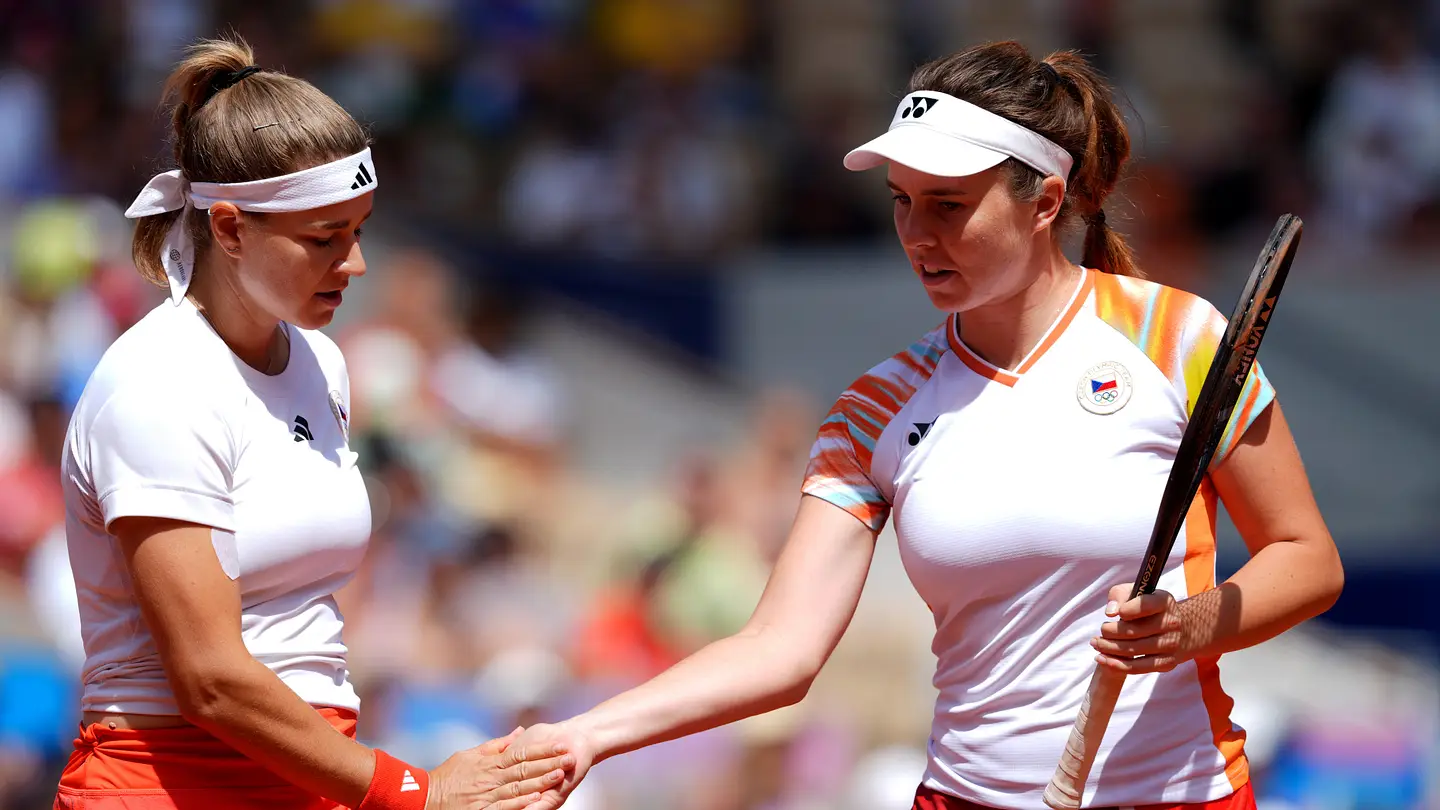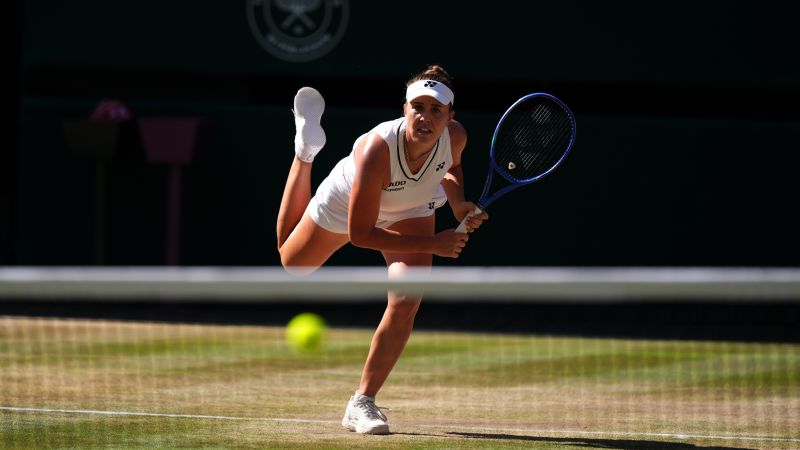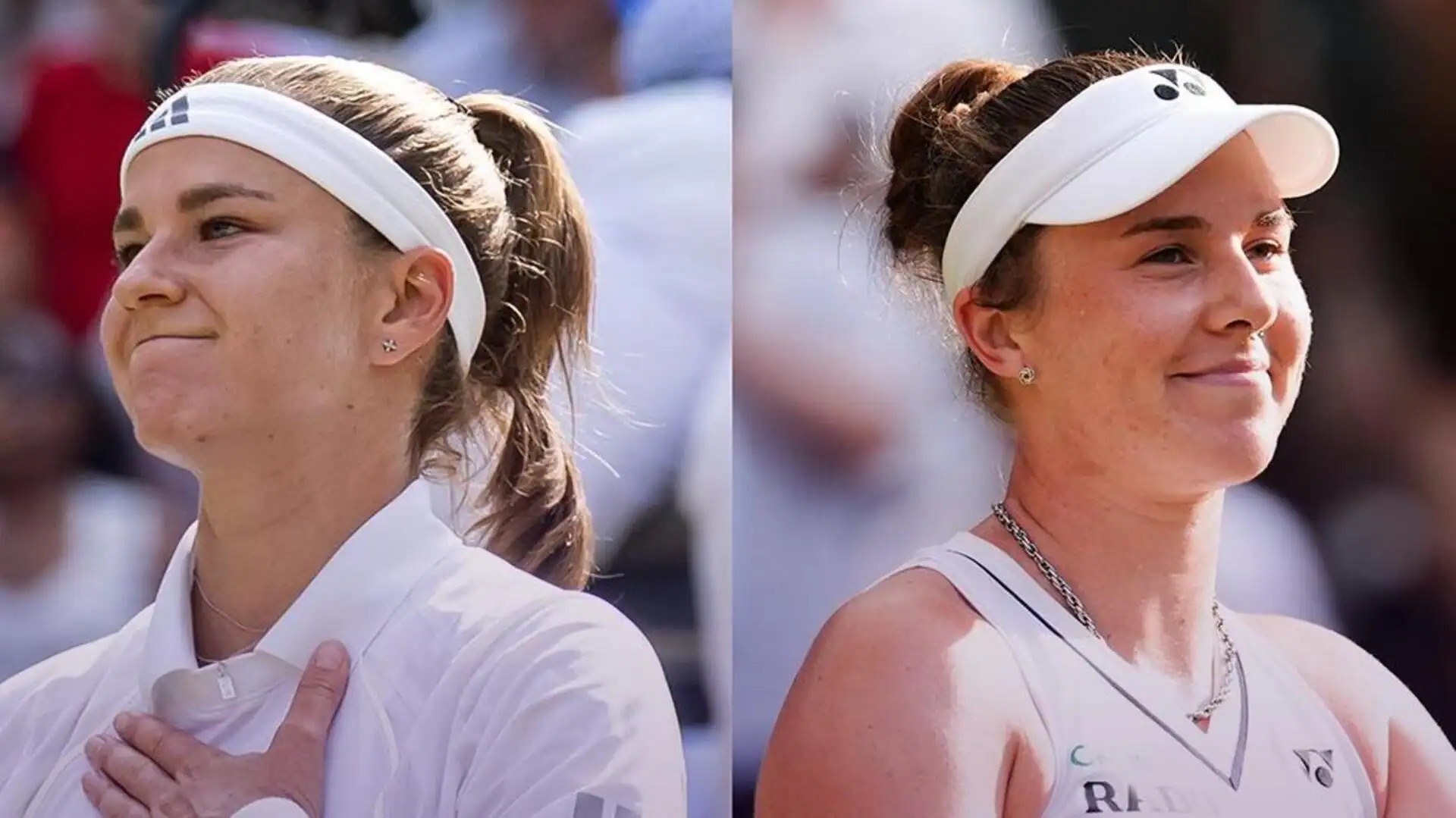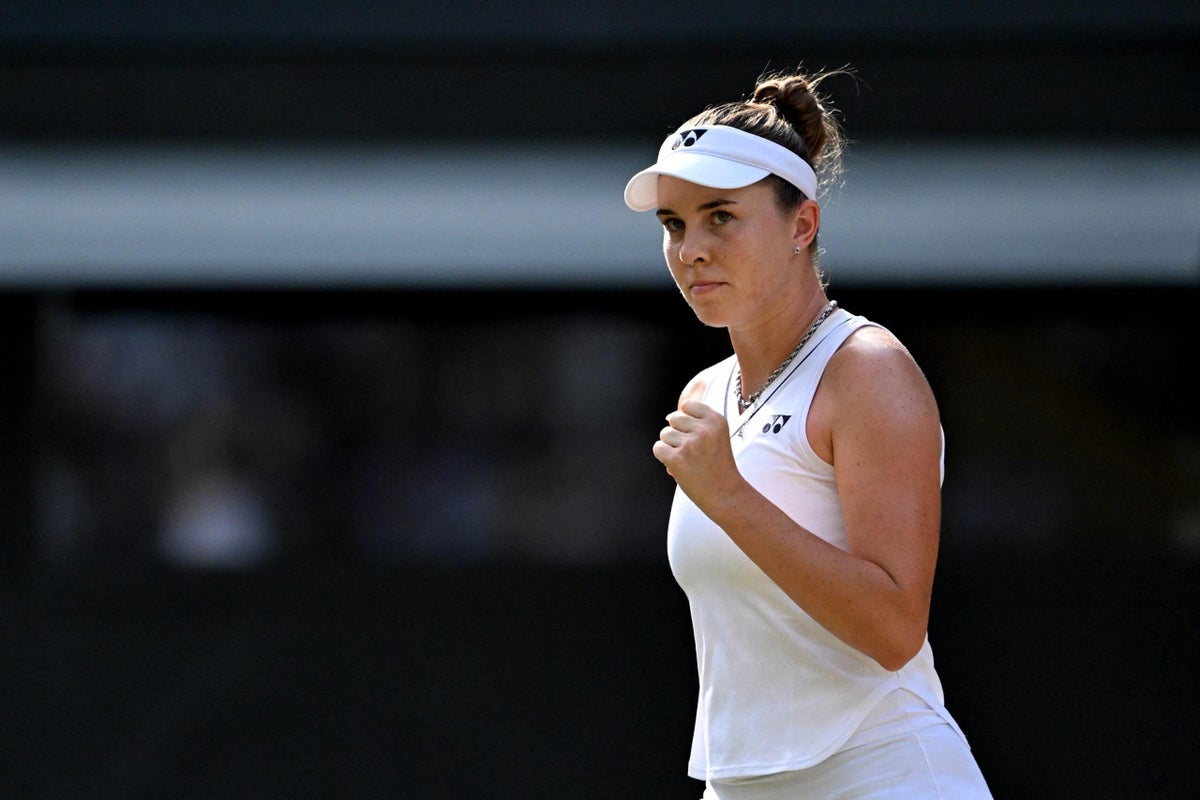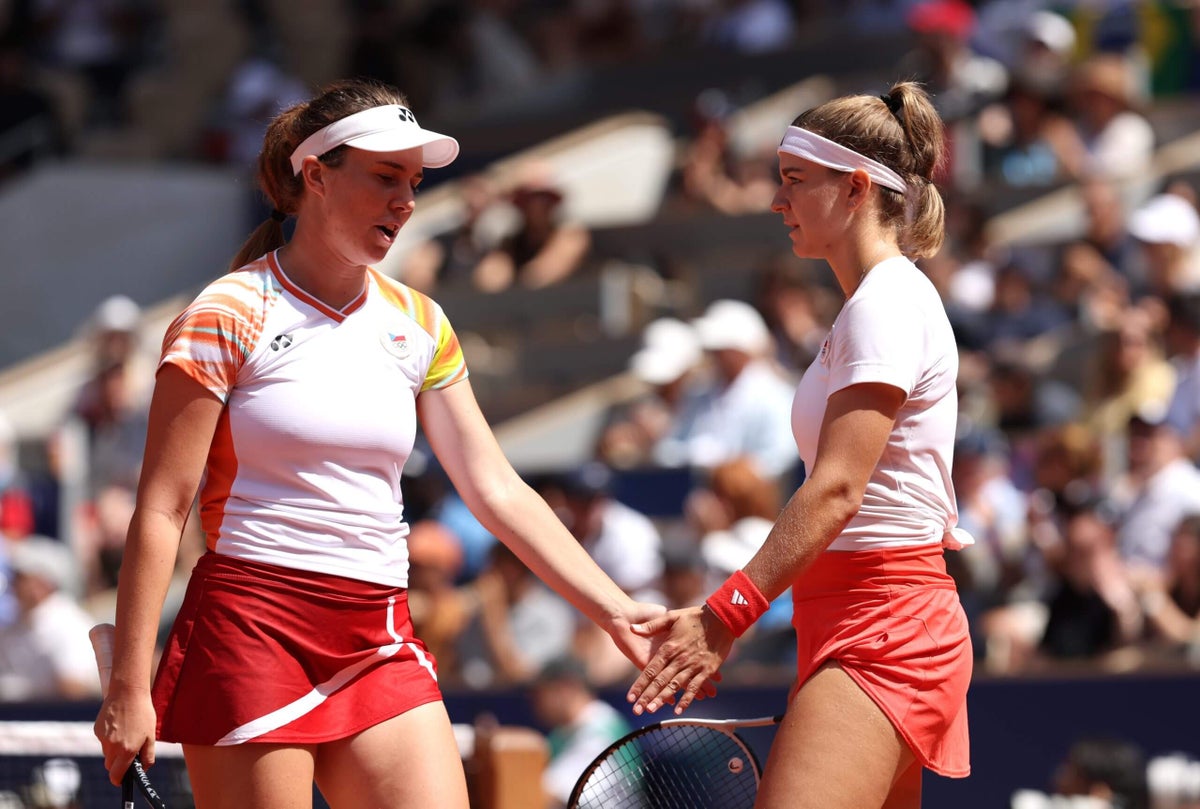
THE ALL ENGLAND CLUB, London — The Czech Republic will have yet another Wimbledon women’s champion on Saturday, with Linda Nosková defeating Marta Kostyuk 6-4, 6-4 on Thursday to set up a final against compatriot Karolína Muchová.The winner will follow in the footsteps of Jana Novotná, Petra Kvitová, Markéta Vondroušová and Barbora Krejčíková as Czech winners here in the last 30 years. And before them was Martina Navratilova, the nine-time champion, who was born and raised in what was then Czechoslovakia before defecting to the United States in 1975.Hana Mandlíková, another Czech, was a two-time finalist in the 1980s. It’ll be the first time since Madison Keys and Sloane Stephens at the 2017 U.S. Open that two women from the same country will contest a Grand Slam final. And Nosková and Muchová are more than just compatriots — they are former team-mates who almost won a medal together in the women’s doubles event at the Paris Olympics two years ago.Nosková, who at 21 is eight years younger than Saturday’s final opponent, has a game that, like Muchová’s, appears perfect for grass — albeit in a very different way. Where Muchová is all about slice, variety and a daring net game, Nosková has a simpler style, built around her devastating serve. It has been particularly potent at Wimbledon these last couple of weeks, and could well take her all the way to the title in a couple of days. Against Kostyuk on Thursday, she won 74 percent of her first-serve points and didn’t face a break point until midway through the second set.Which isn’t to say she’s one-dimensional. Like Muchová, Nosková is also an accomplished volleyer, winning 15 of 18 points at the net against Kostyuk.Attempting to draw a link between the seemingly never-ending supply of great Czech players at Wimbledon, Nosková said in a post-match news conference that “it’s a tradition at this point, we are all kind of brought up in the same way in Czechia, in our game styles, in our tennis, but in some ways we are very different.“We are very creative, I would say, so grass allows us to kind of use any side of tennis, if it’s serve and volley back in the old days, if it’s slices and volleys in this new era. I would say that we have all these sides that we can use, that grass allows us, and it’s showing.”How does the Czech Republic dominate women's tennis?Matthew FuttermanThe almost unbroken chain of Czech winners here means that the next generation always has someone to look up to. Nosková and Muchová were both sporting polymaths who played lots of sports growing up and weren’t tennis obsessives, but for the former it was seeing Kvitová win Wimbledon in 2011 and 2014 that, according to her on-court interview, made her “realize that tennis exists.”Muchová meanwhile said in a news conference after edging a thriller against Coco Gauff in the day’s first semifinal that “when I was younger, looking up to the girls who were maybe five years older than I was, you can just see them doing so well. So it gave me the belief that I can as well do it. That’s how it worked for me.”Muchová was that kind of player to Nosková, inspiring her by reaching the 2023 French Open final. Nosková remembers watching the match and rooting for her compatriot, who she then teamed up with the following year at the Paris Olympics. They reached the semifinals but lost the bronze medal match to Spain’s Cristina Bucșa and Sara Sorribes Tormo.The pair have remained friends since and on Thursday, having never been on Centre Court before, Nosková practiced with Muchová. In a couple of days time they will face off against one another in the biggest match in the sport.Both are surprise finalists in some ways, but in others they both make complete sense. Muchová has long been seen as a grass-court natural but a wrist injury and then complications after it contributed heavily to first-round exits in the last couple of years. Now injury-free, Muchová has been able to show why this may well be her best surface, beating multiple major champions Krejčíková, Naomi Osaka and Gauff in consecutive matches, and showcasing the variety and skill at the net that have the purists purring and many former players singling her out as their favourite player to watch.A pair of volleys in the deciding tiebreak against Gauff — one that she had to dive for and one off her toes from a few feet behind the service line — were the perfect illustration of Muchová’s spectacular athleticism and coordination. Her talent has never been in question, but injuries and a propensity to tighten up in the biggest matches have held her back.“I think she’s someone that deserves more success (because) of how talented she is,” Gauff’ said in a news conference Thursday of a player who has one Slam final to her name but no titles.That success has started to come this year. After hiring the veteran Dutch coach Sven Groeneveld for the 2026 season, Muchová won only the second event of her career and first since 2019 in February at the Qatar Open. It was also by far her biggest title, a WTA 1000 event the rung below the Grand Slams. It’s acted as a springboard to her success here, and she’s said since that it has made her hungry for more success.Nosková meanwhile looked like she might be getting to grips with grass a year ago when she reached the fourth round, only for her to lose there to the eventual finalist Amanda Anisimova. It continued a trend of her tending not being able to produce her best tennis at the Grand Slams, which was the only real question mark against her, given the fact she’s only 21 and has already cracked the top 10. In the live rankings, the two finalists are at career-high rankings of No. 8 (Nosková) and No. 6.Compared to Muchová, there is a simplicity, albeit a beautiful one, to Nosková’s game, which was underlined by her first-set performance against Kostyuk on Thursday —
Karolína Muchová and Linda Nosková’s all-Czech Wimbledon final is a grass-court dream
This year's women's final features two players steeped in, but not overwhelmed by, Czech tennis tradition.
1,555 words~7 min read