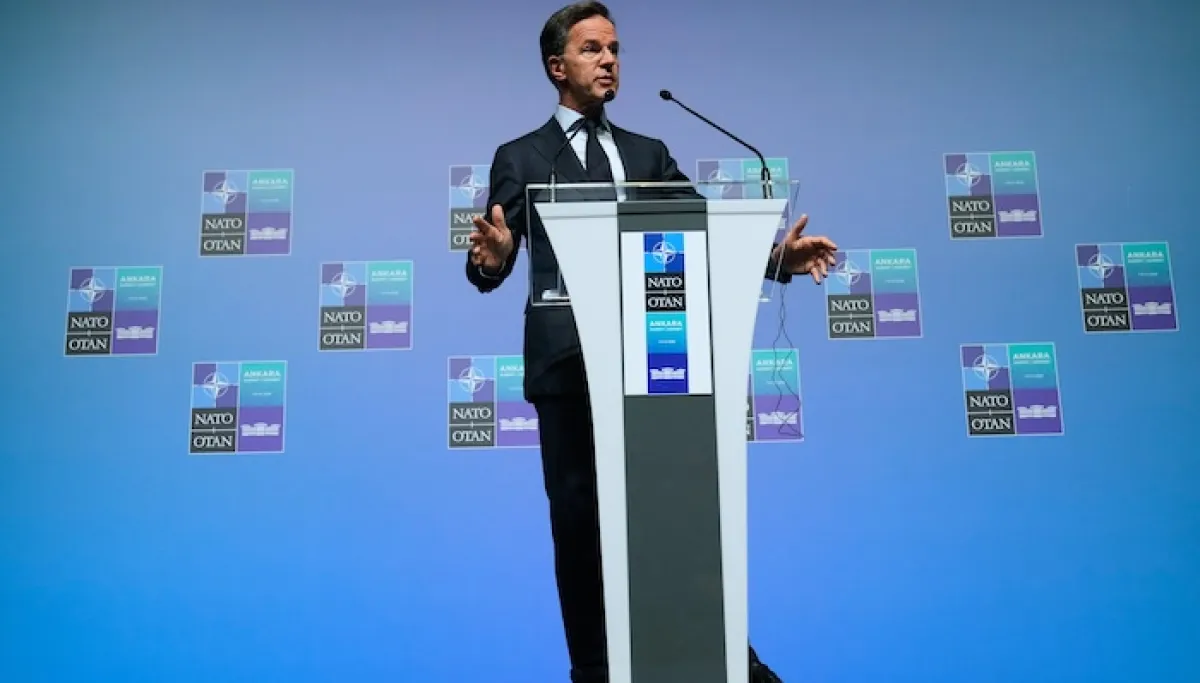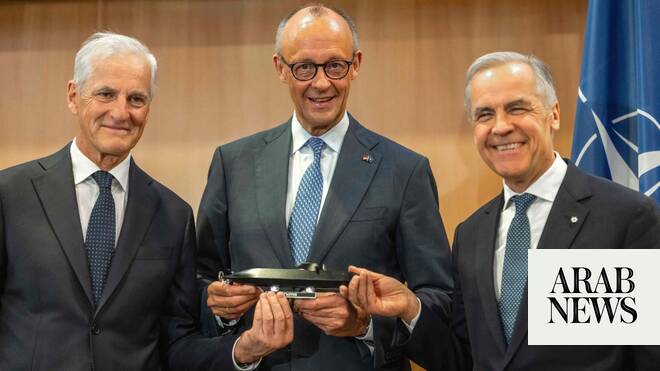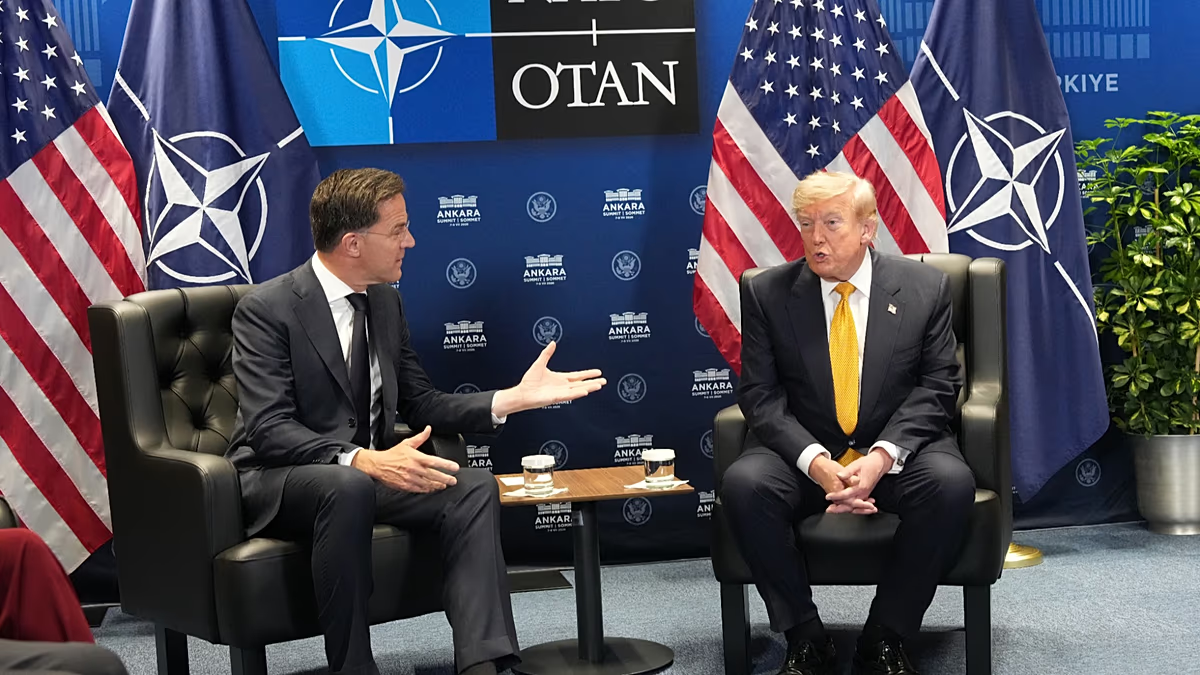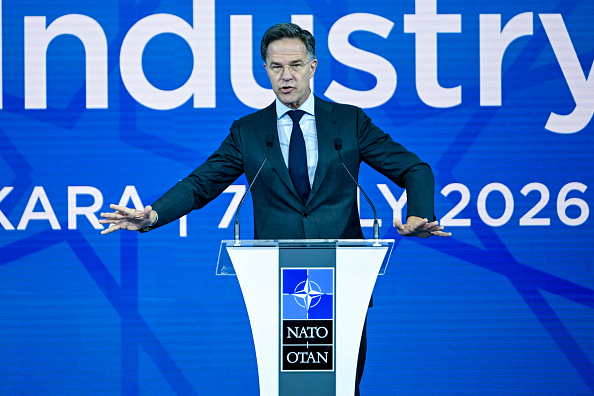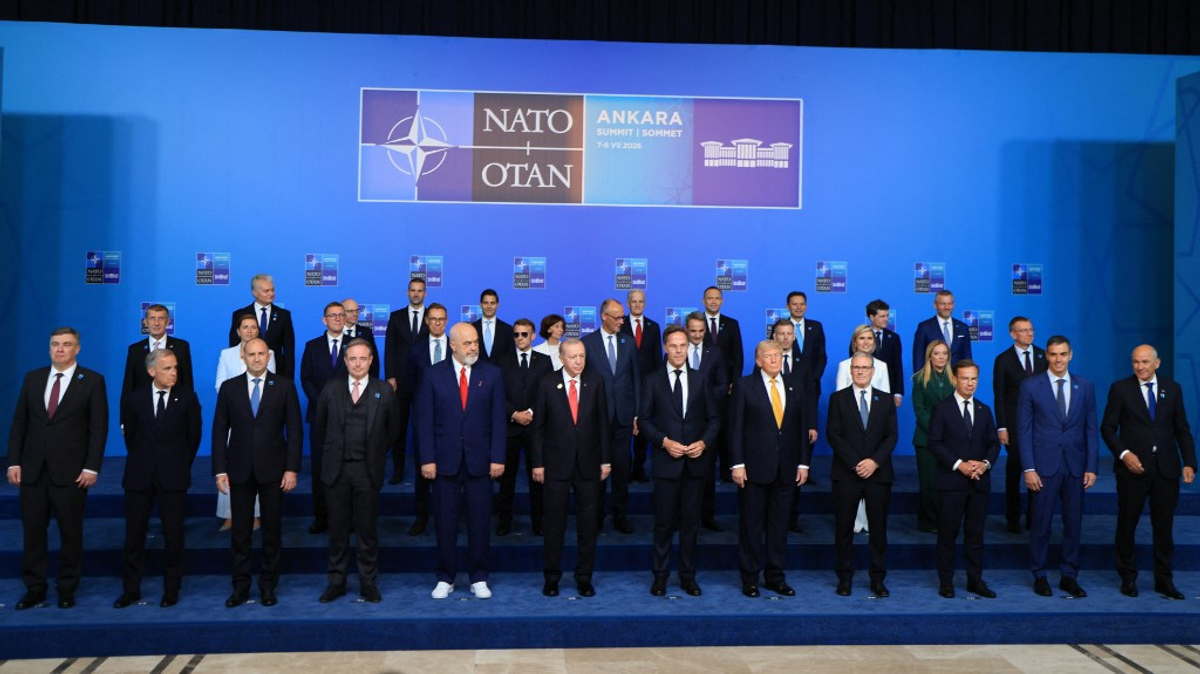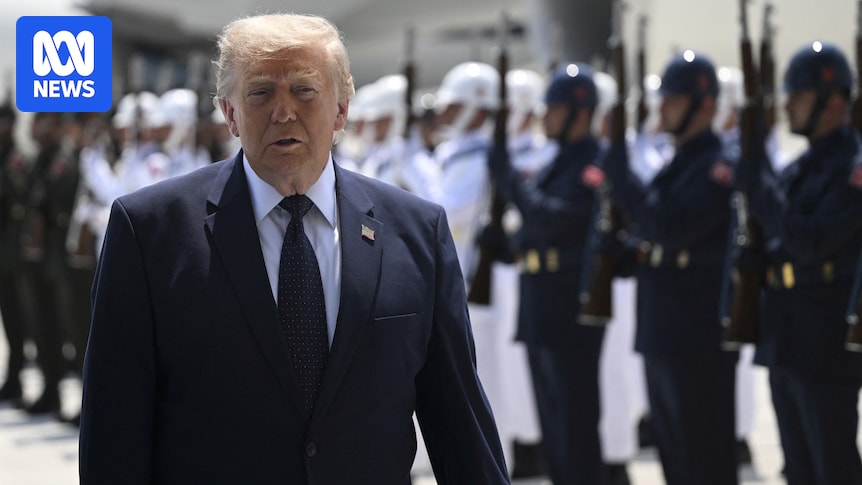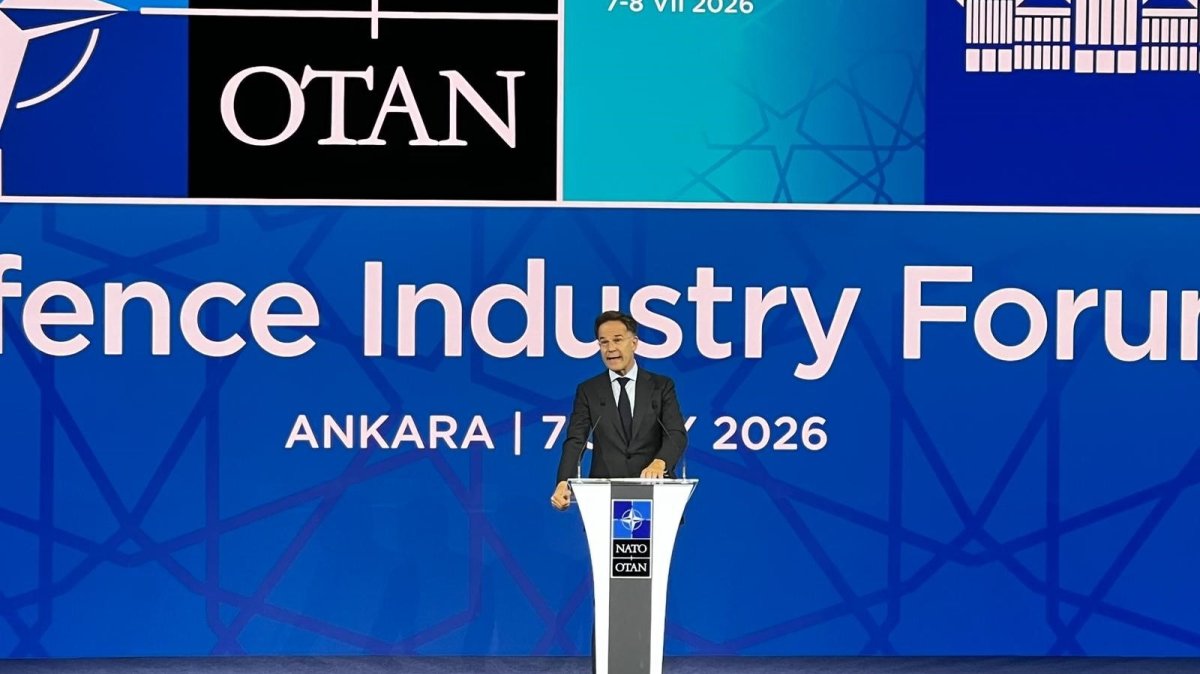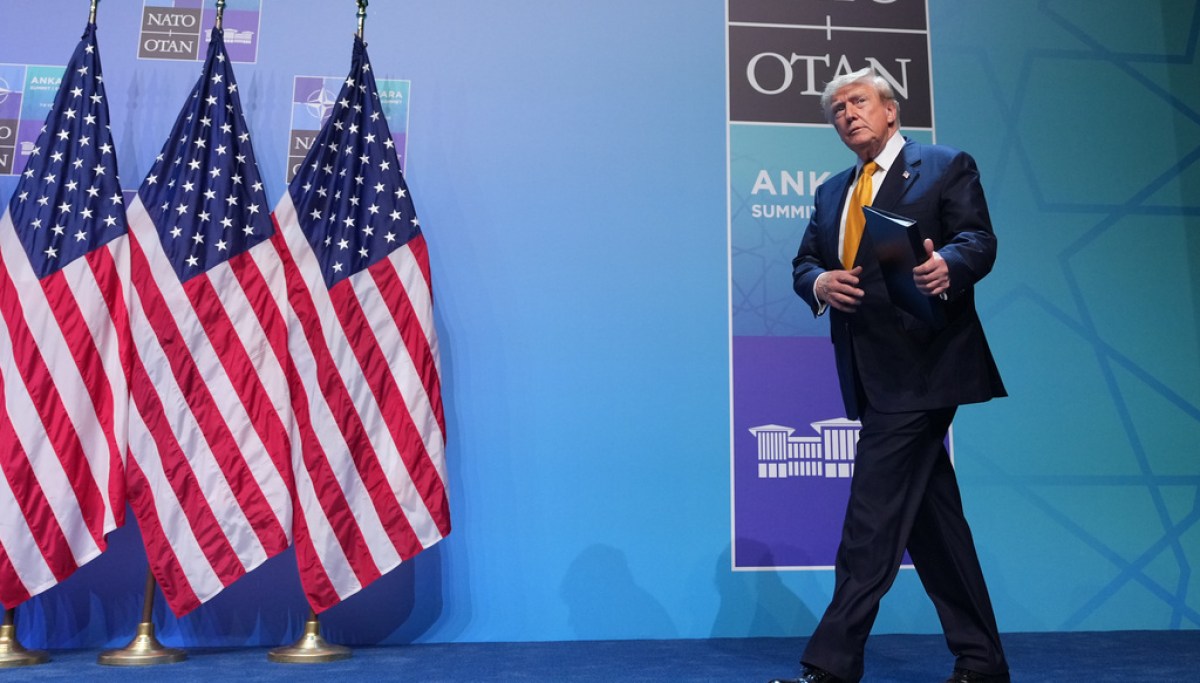
The United States and Europe made several defense contracting announcements this week at the NATO Summit in Ankara, Turkey, totaling approximately $3 billion that will improve the military capabilities of countries on both sides of the Atlantic.While many of the deals will take years to fully complete, the push is a part of the broader “NATO 3.0” revitalization in which European countries will do more to share the defense burden instead of heavily relying on the U.S., which itself has acknowledged a need to increase its capacity.“President Trump doesn’t travel overseas without bringing deliverables home to our country – and this year’s NATO Summit was no exception, as American defense companies benefited from over $3 billion in major deals and joint ventures with our allies,” White House spokeswoman Anna Kelly told the Washington Examiner in a statement.
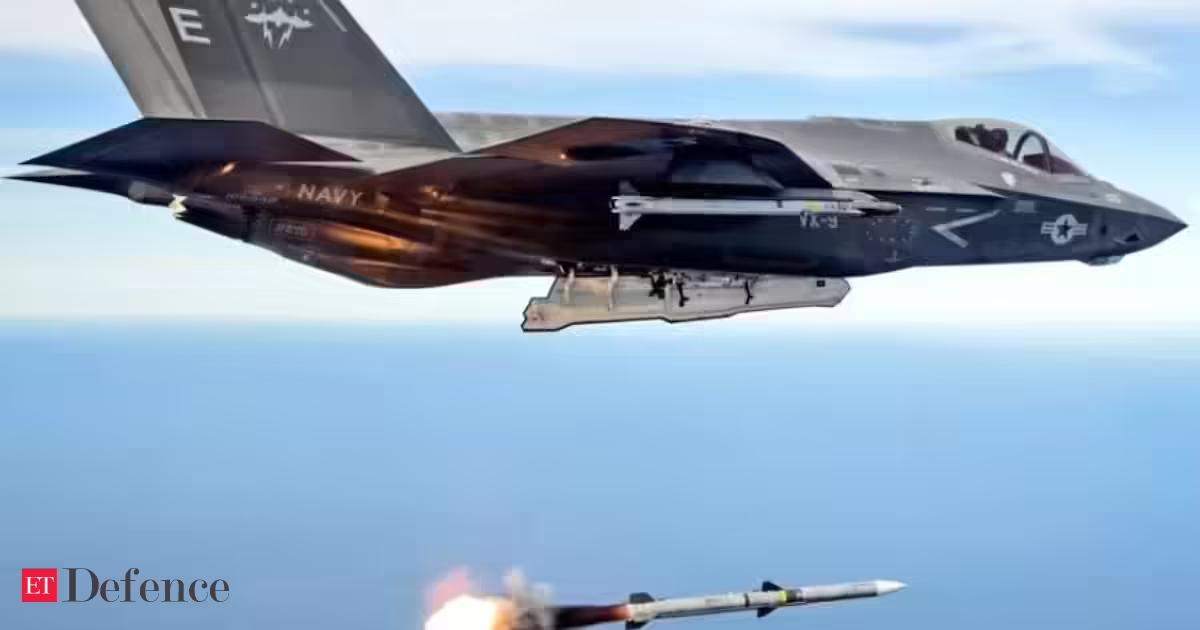
Among the many announced deals, Lockheed Martin agreed to establish a Patriot Advanced Capability-3 Missile Sustainment Facility in Europe for the missiles used by the Patriot air defense system and announced a joint venture with Rheinmetall to produce the Army Tactical Missile System on the continent as well.“The historic NATO commitments secured by President Donald J. Trump will strengthen global security and power American industry,” Jim Taiclet, the chairman, CEO, and president of Lockheed Martin, said in a statement. “Lockheed Martin will support this effort by expanding missile sustainment capacity in Europe through the establishment of a new PAC-3 Missile Maintenance Facility, by partnering with Rheinmetall to establish European production of ATACMS and through other initiatives. These investments deepen transatlantic industrial cooperation, strengthen our partnerships and reinforce credible deterrence for the Alliance.”The Pentagon and RTX, formerly known as Raytheon, are going to launch a feasibility study on expanding production of the Advanced Medium-Range Air-to-Air Missile in Europe, while Northrop Grumman will sign Letters of Interest with 10 countries to purchase their MQ-4C Triton high-altitude, long-endurance drones meant for intelligence, surveillance, and reconnaissance.“Northrop Grumman is proud to support NATO partners with proven technology like Triton,” Northrop Grumman CEO Kathy Warden said in a statement. “Bringing Triton into the mix is a gamechanger for maritime ISR, delivering tangible intelligence that meaningfully improves allied defenses. This advancement for NATO supports the administration’s focus on allied self-reliance while also strengthening the American industrial base.”The list of commitments goes on.Germany and the Netherlands agreed to buy RTX’s Stinger missile, and a condition of their bulk procurement is that they will look to establish European production with the goal of doubling the Stinger production volume by 2030. Anduril agreed to provide Poland with Barracuda-500 missiles and will look to start a production line there, while Being and Rheinmetall-Italy will explore a partnership to increase the production of their small-diameter bomb for Europe.These efforts for joint production are important because both the U.S. and Europe are trying to expand the capacity of the broader Western defense industrial base and, in doing so, will ultimately advance the president’s goal of a more self-sufficient Europe. It will also create jobs on both continents in the meantime.In 2025 alone, prior to the summit, European defense spending supported nearly 200,000 American jobs, of which roughly 120,000 were from U.S. defense contractor sales and 83,000 were from European defense firms with U.S. operations.“The President has prioritized strengthening our defense industrial base unlike any of his predecessors, and these historic investments will support jobs here at home while helping our allies benefit from peace through strength,” Kelly said.THE NATO COUNTRIES THAT ARE AND AREN’T MEETING THEIR DEFENSE COMMITMENTSTrump has frequently criticized his European counterparts for his long-standing perception that they were not doing enough for their own security, instead relying on the U.S. The frequent refrain from the president prompted the alliance to increase its defense spending minimum requirement from 2% of GDP to 5%, though countries have until 2035 to reach that marker.He also expressed frustration publicly with multiple European countries that refused to allow the U.S. to use their military bases and airspace for operations during the war in Iran. Simultaneously, the Pentagon is also conducting a force posture review with the intent of reducing its footprint in Europe, though many decisions have yet to be made about the specific changes. The department has already returned U.S. troop levels in Europe to pre-2022 levels, which is when Russia invaded Ukraine.