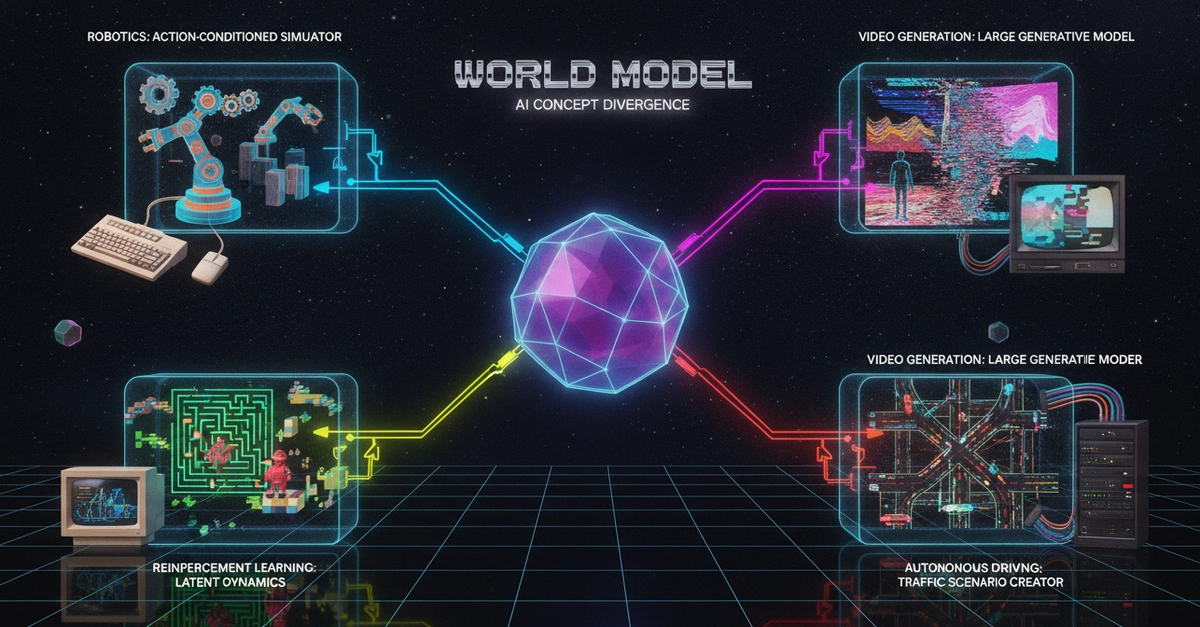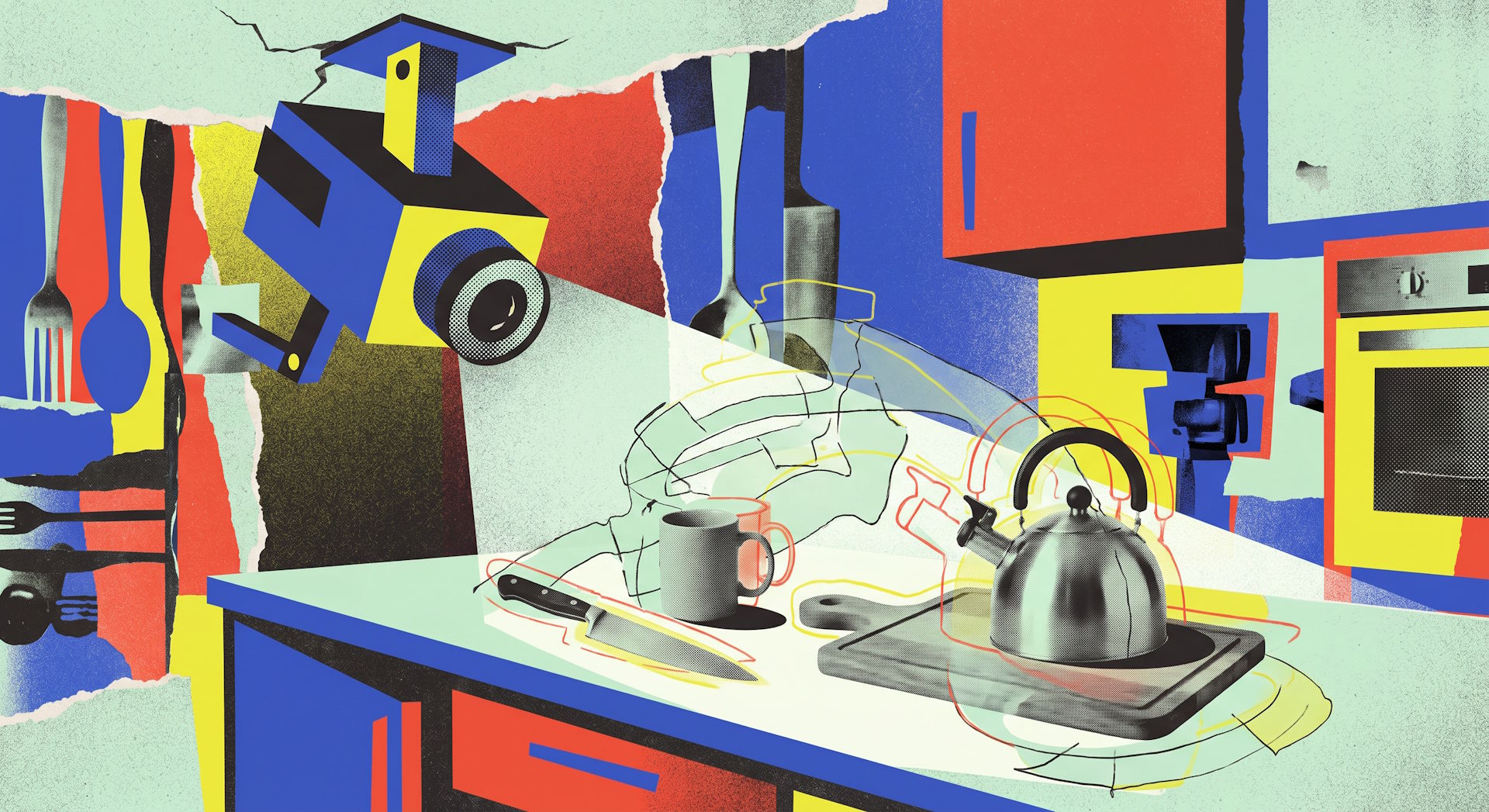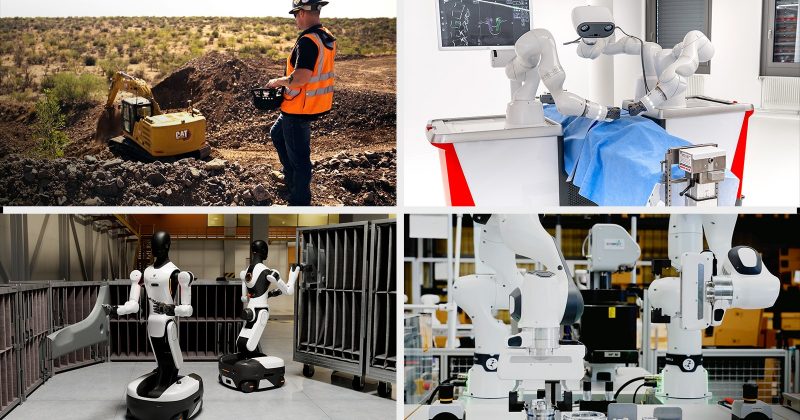
According to the technical report, intelligence shouldn't be defined by specialized prediction models like language models, video generators, or robot controllers. What's needed, the team argues, are models that build a general grasp of how the world changes and can use that as a base for many different tasks.
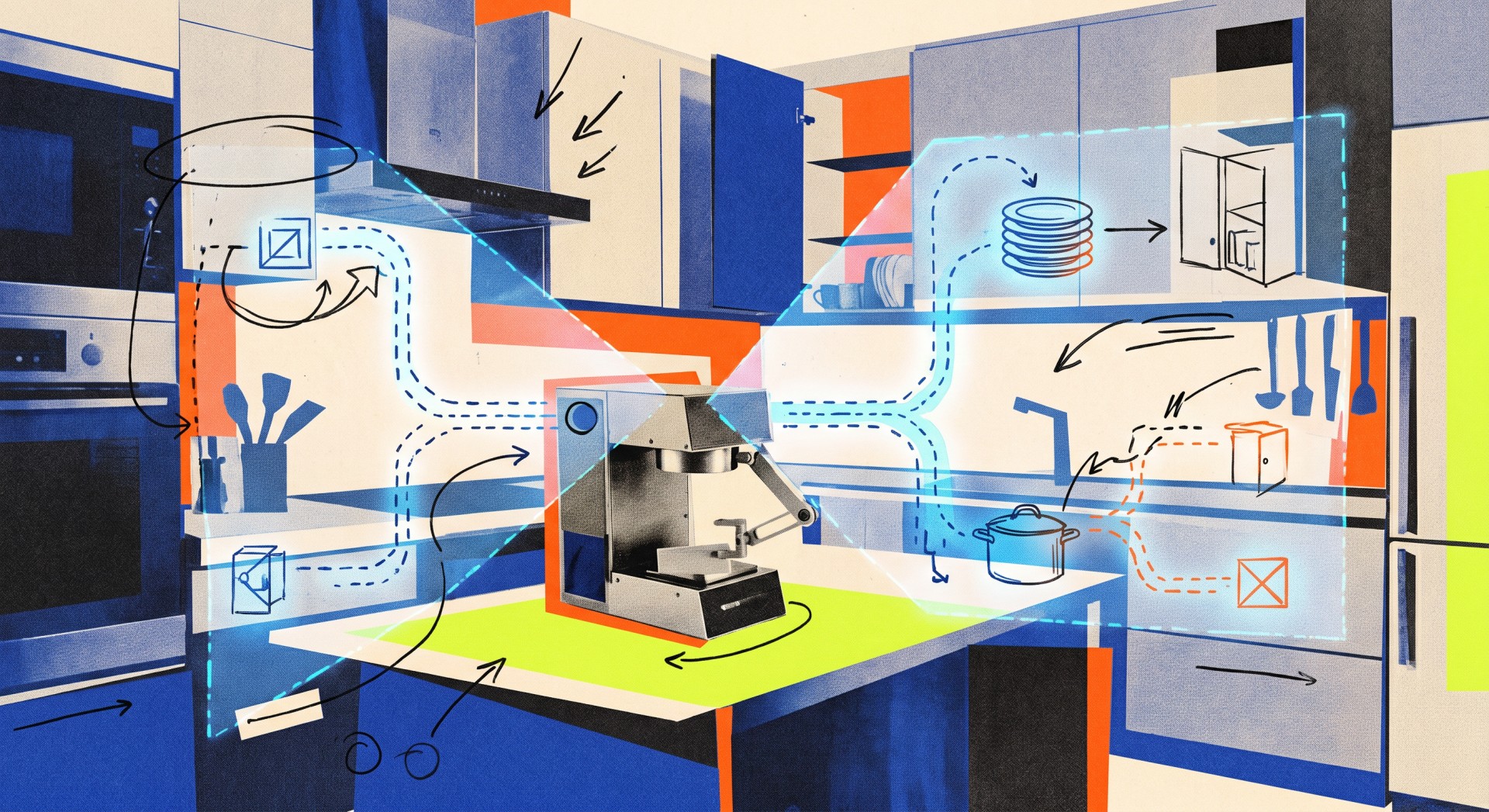
Orca builds an internal picture of the world from image and language signals. Separate, swappable add-on modules then turn that picture into text, images, or robot movements. | Image: BAAI
Two training methods that work together
Orca combines two learning modes. "Unconscious learning" uses raw videos without any captions. The model sees an image and predicts what the next one will look like, not at the pixel level, but in an abstract space, picking up motion patterns, occlusions, and typical scene dynamics along the way.
Orca learns in two ways. From unlabeled videos, it watches how scenes change on their own. From described actions, it learns what a given action causes. Both paths feed into the same internal world state. | Image: BAAI