Every engineering leader I've spoken with over the last two years seemed to be making a similar quiet bet. The hope was that by putting effective AI tooling in front of a capable team, the grind would lift. Boilerplate would write itself, test scaffolding would appear, and that two-hour detour into an unfamiliar API would vanish. In my experience, those predictions largely held true. The grind did lift.
Then, we did something with the time we regained, and looking back, it seems most of us did it without really thinking. We asked for more.
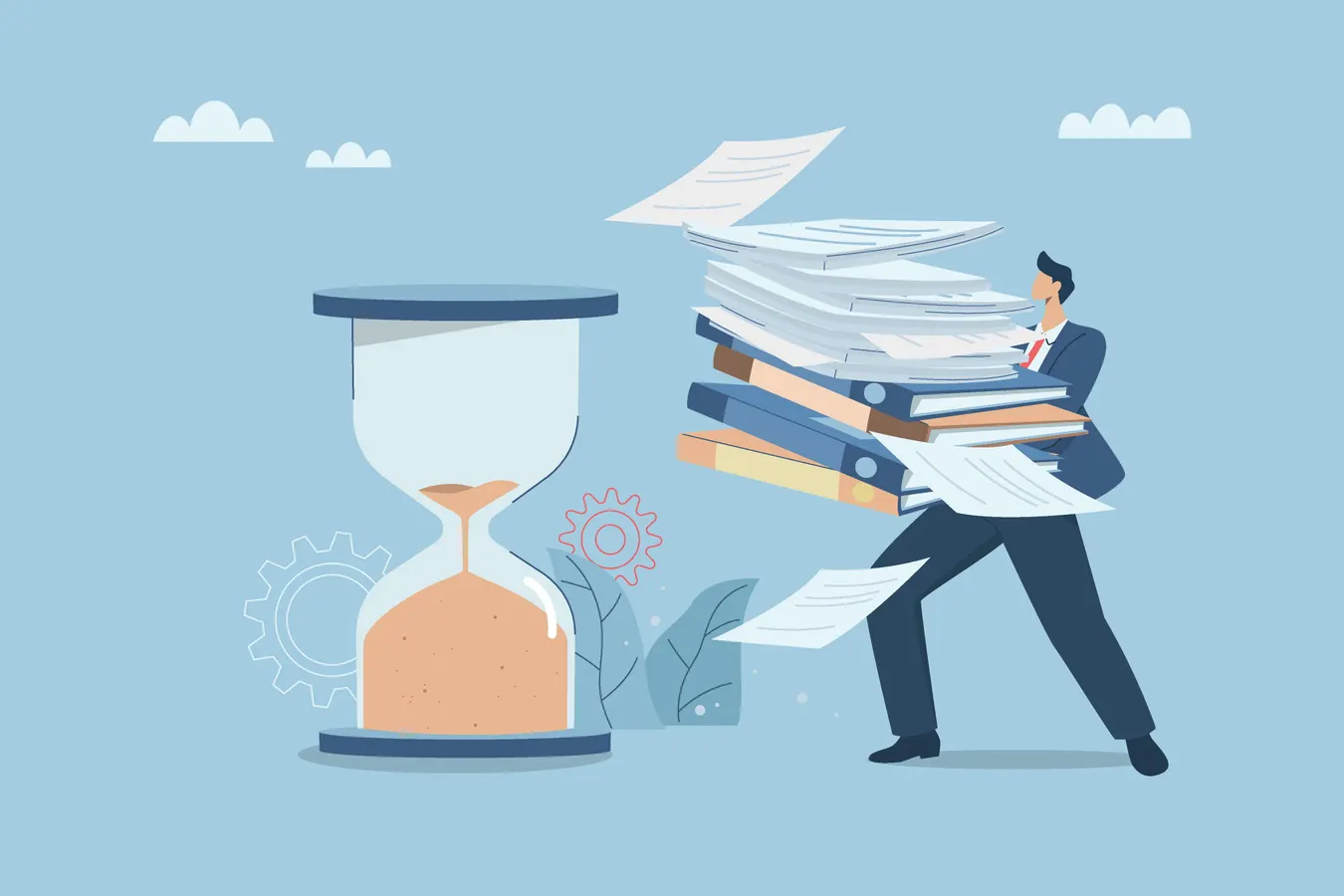
It wasn't malicious. I didn't see anyone stand up and announce that the team was now expected to carry a heavier load. It seemed to happen by omission. A sprint that previously held six tickets quietly started holding eight, simply because eight now fit. The demo that would have taken a week landed in three days, so a three-day cadence became the new expectation. The speed became our baseline. And once that speed was the baseline, it stopped feeling like a gift and started to feel like a floor we were constantly bracing against.
That, as I've come to see it, is the trap. It wasn't that AI created burnout; it was that the way we reinvested its dividend may have accelerated it.