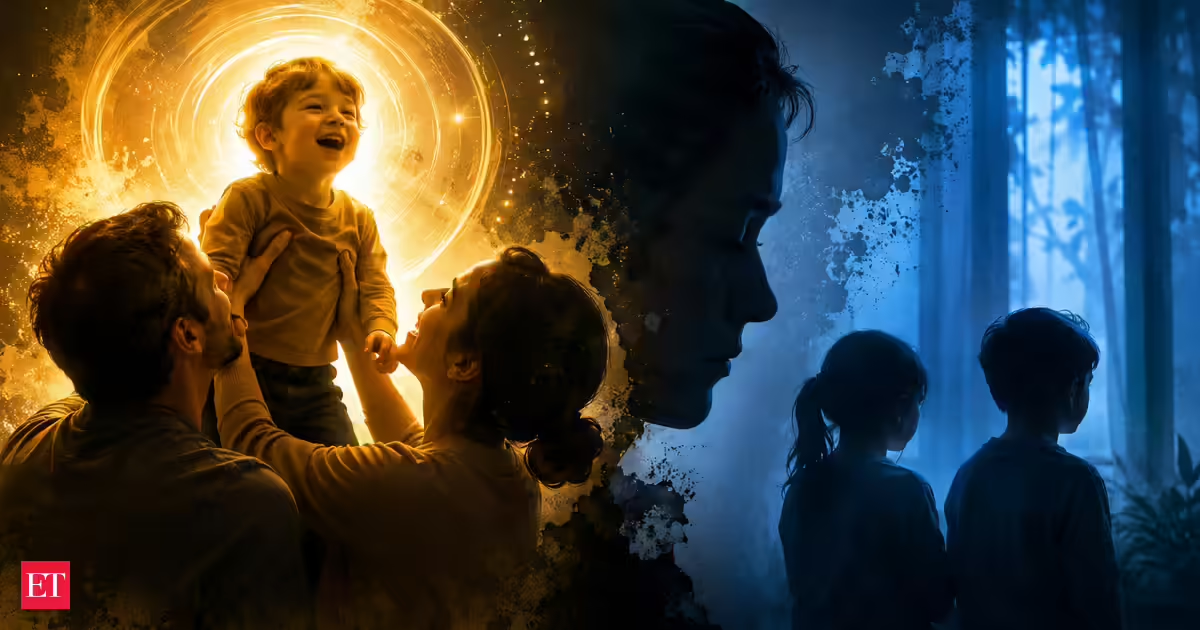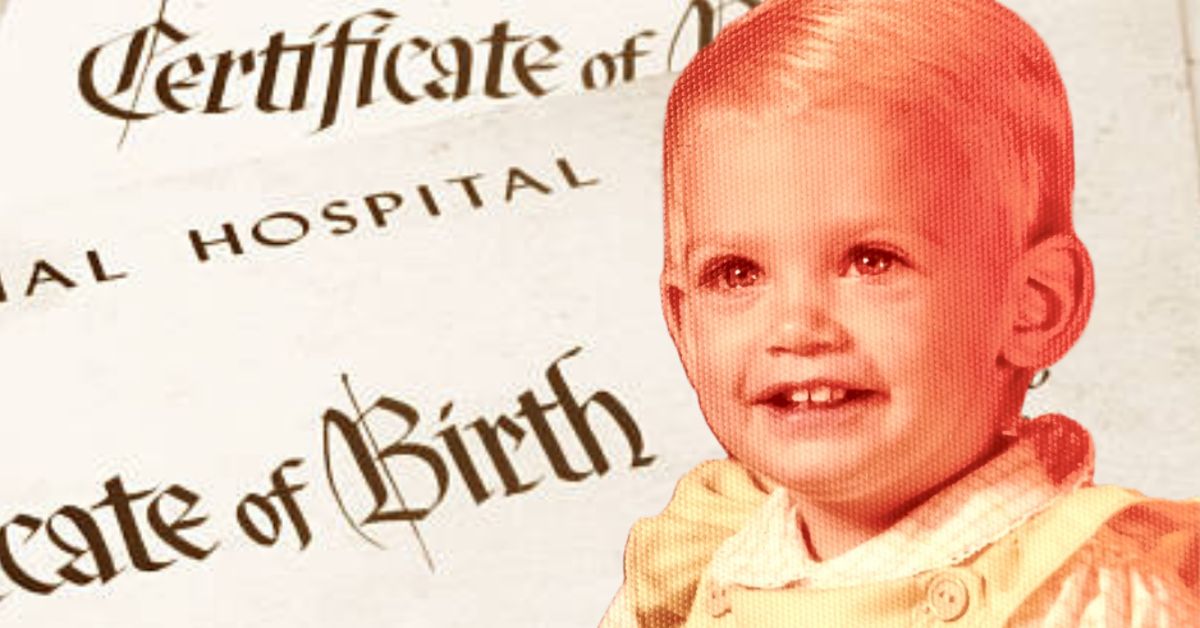
Fear has a way of exposing truths that comfort usually conceals. A child who wakes in the middle of the night after a nightmare does not think about bloodlines, surnames or family trees. In that suspended moment between terror and relief, there is only one question that matters: who is coming? The answer to that question is rarely found in biology alone. It is found in memory, in habit, in the reassuring sound of footsteps moving through a dark hallway, in the quiet certainty that someone will always come. Long before children understand the circumstances of their birth, they understand the meaning of presence, and perhaps that simple fact invites us to reconsider one of the oldest assumptions civilization has ever made.
For much of human history, we have treated blood as the supreme language of belonging. We have crowned kings according to bloodlines, distributed inheritance through blood, preserved family names because of blood and searched the faces of newborn children for the familiar echoes of generations that came before them. Blood became more than biology; it became legitimacy, identity and destiny. Entire legal systems were built upon it, cultures celebrated it and families protected it with extraordinary devotion. It seemed perfectly reasonable to conclude that the people who gave us life were naturally the people who gave us a family.