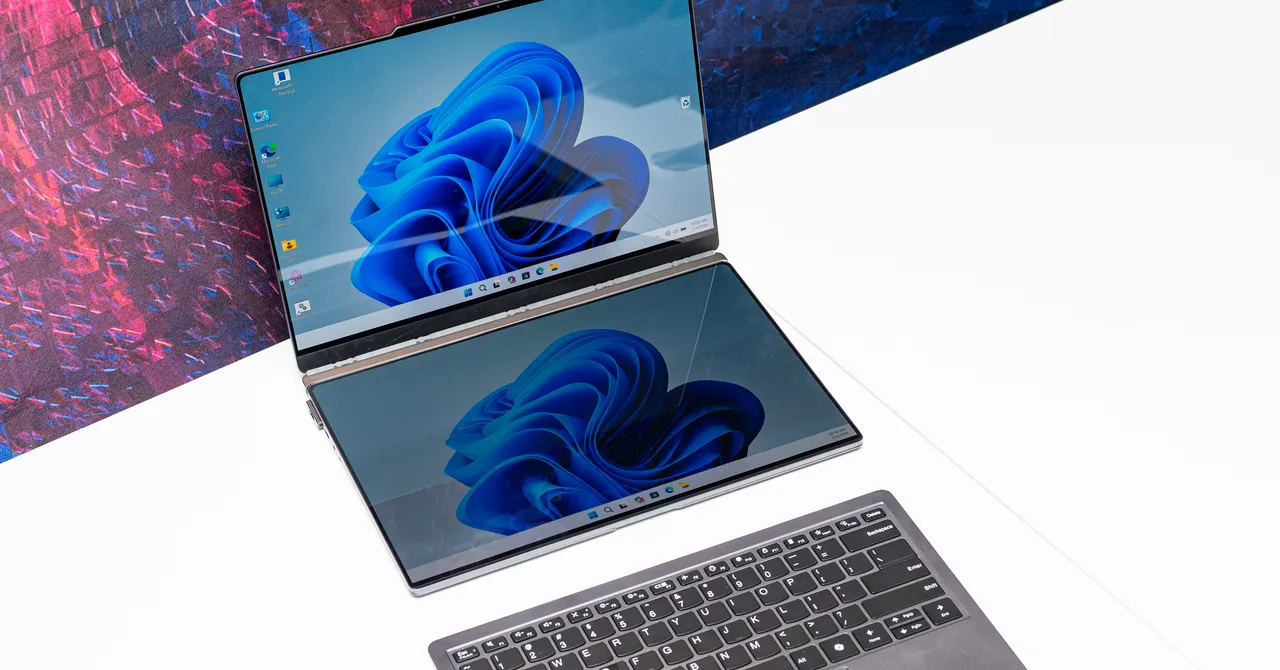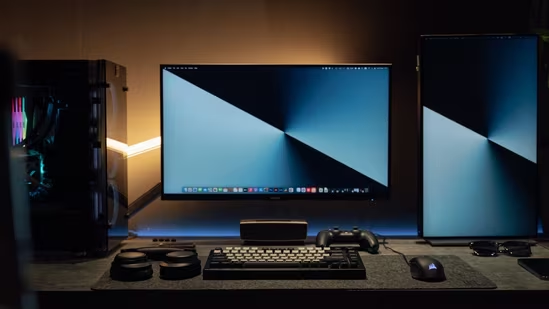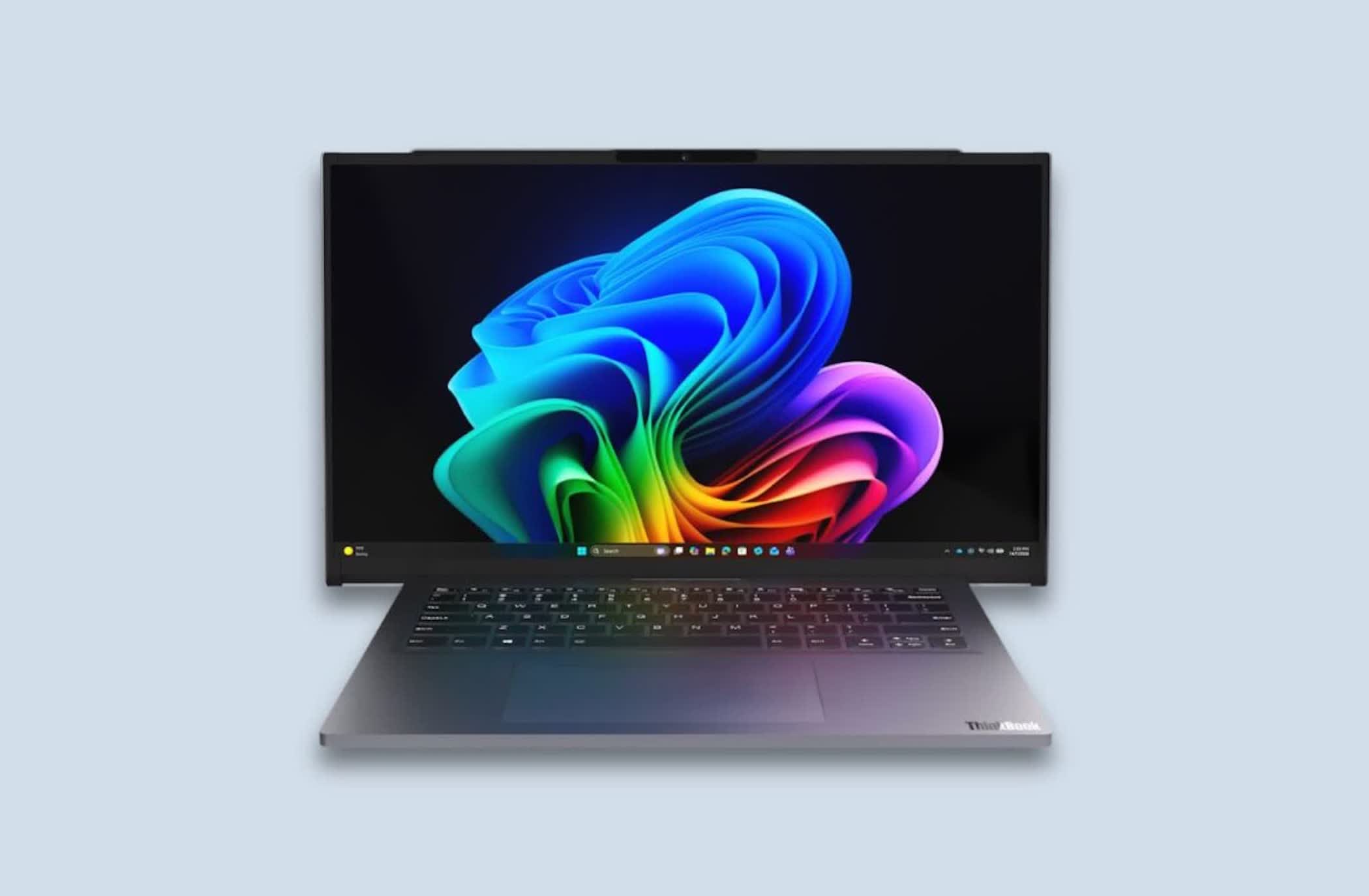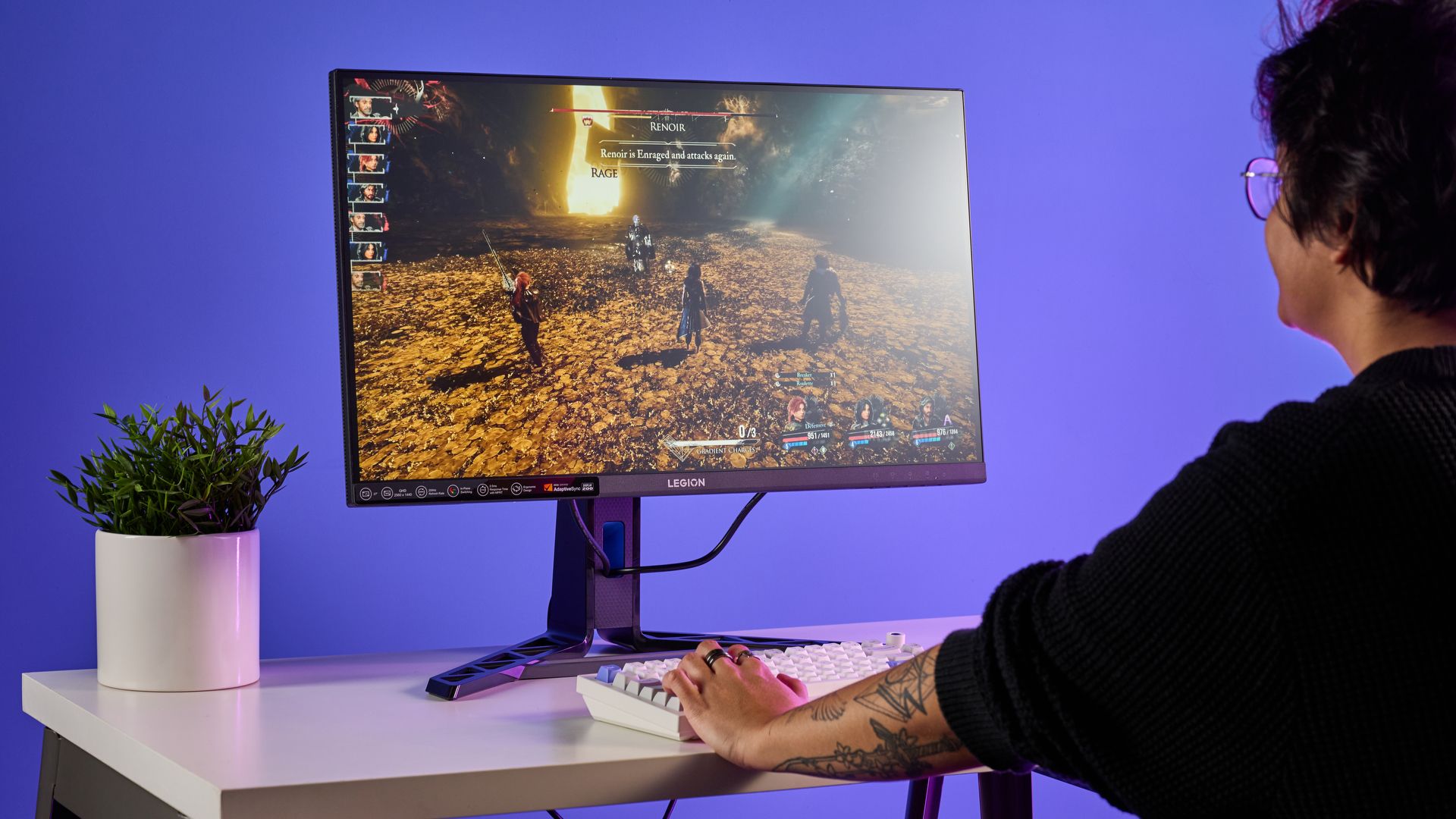
The humble computer monitor — they come in all shapes and sizes and with all kinds of display tech, but the way you use them hasn’t really changed since the early 1950s. You plug it in and a pretty picture shows up … That’s about it!But Lenovo’s Vice President and GM of Visuals business, George Toh, has ambitious dreams for how this peripheral will not only develop over time, but actually change the future of how we go about doing things at our desk.I got the chance to speak to Toh following a bunch of concept device unveilings over the past few months, to see where he thinks things will go, and being real, I don’t think my desk is ready for the glow-up it’s going to get over the next few years.Appearances will be deceiving
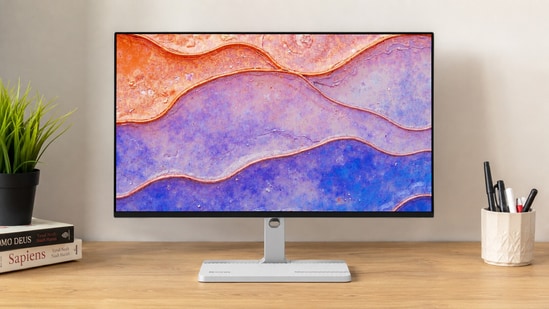
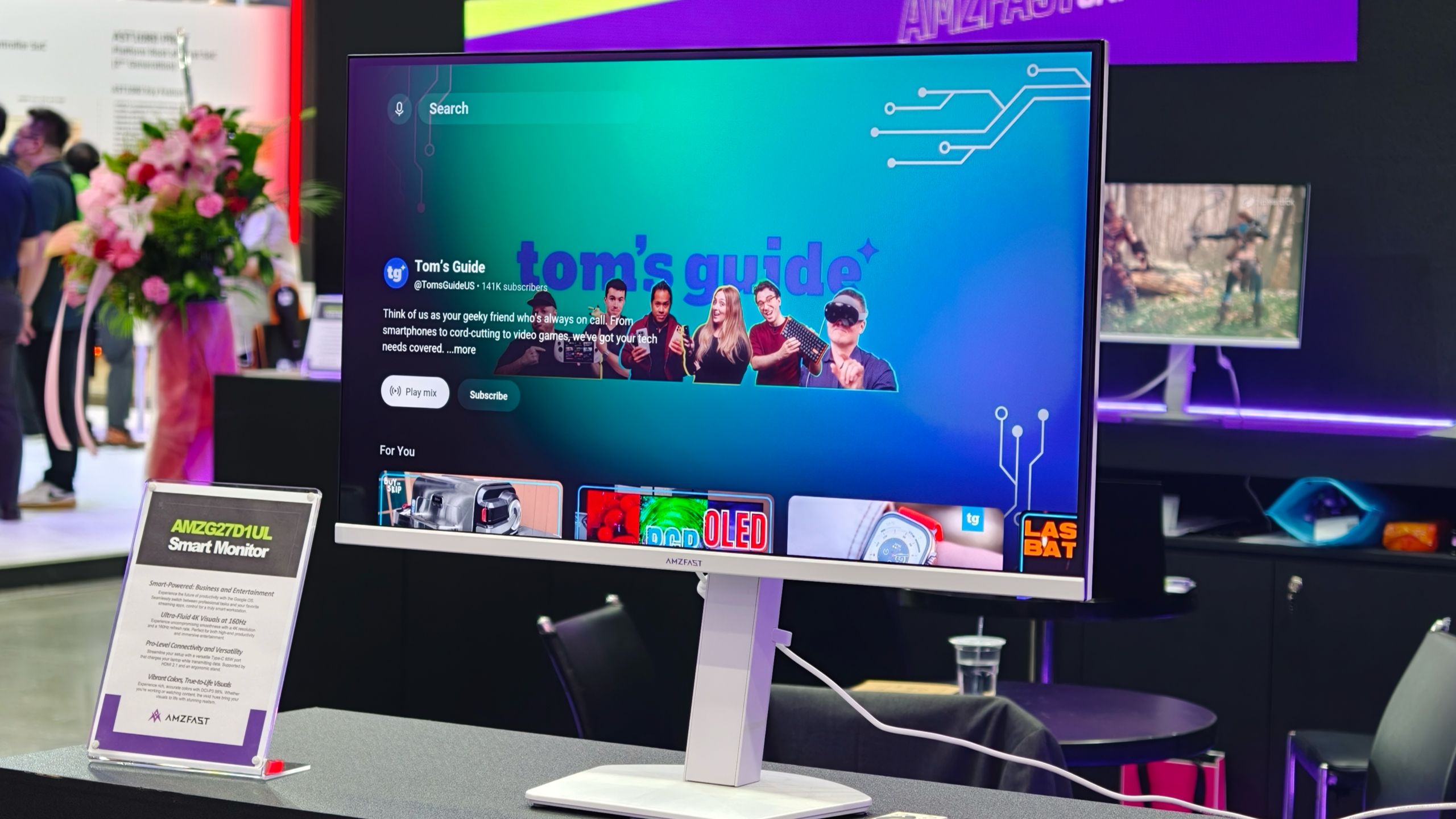
(Image credit: Tom's Guide)One of the first things Toh mentioned is that if we were to get into a time machine and travel forward, “the physics of a display won’t change.” It will be that same familiar rectangle on your desk. “I anticipate it to be a lot thinner, but still physically large — I expect it to look a lot more attractive than what it is today,” Toh added.You can see this pursuit of thinness in a lot of monitors today, which comes up against the simple physics of the heat generated and the dimensions of the panel inside the case. Given the iterative pace of monitor tech, it really doesn’t surprise me that the sleekness will get even sleeker. On top of that, the price of these materials to build panels is coming down too — one of those rare moments in computing where something gets more cost effective.“Even OLED panel costs are coming down,” Toh proclaimed. “We spend time working with panel and scaler manufacturers to figure out how to get higher refresh rates in a more cost effective way. For example, the cost is very minimal from 144 Hz to 160 Hz.”But the real differences will come with what they can do, rather than what they look like.Get instant access to breaking news, the hottest reviews, great deals and helpful tips.The seamless hub of everything