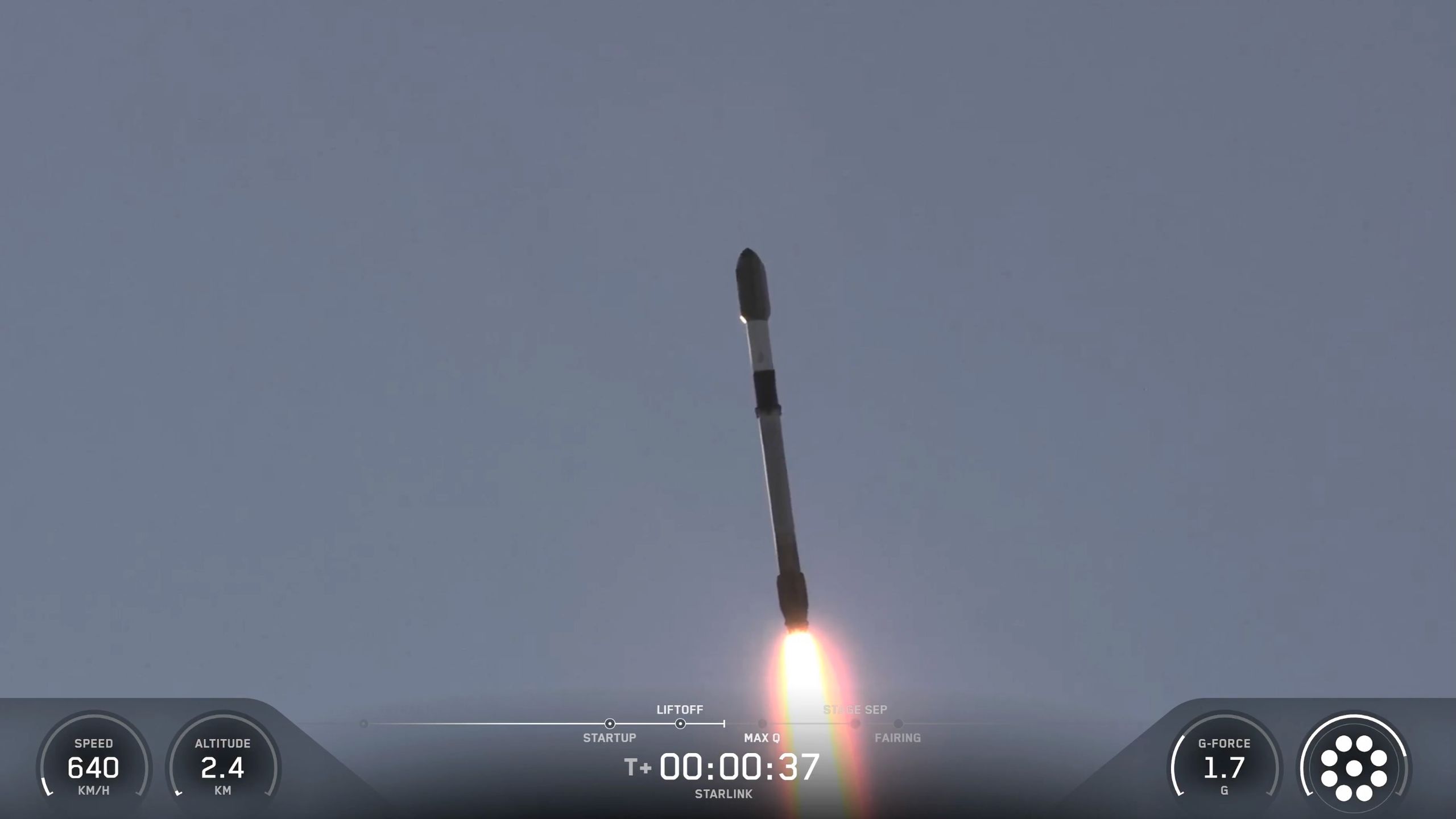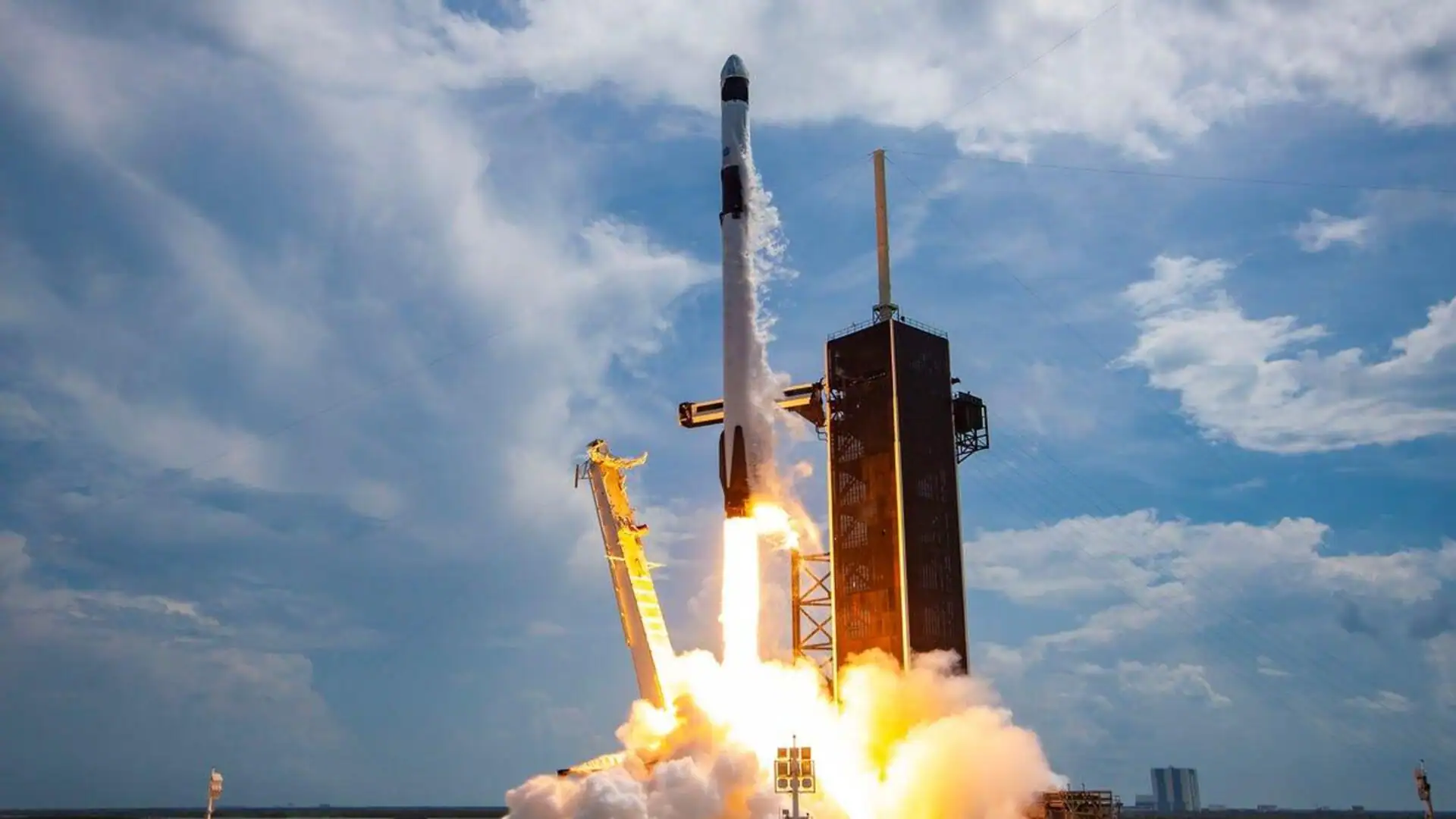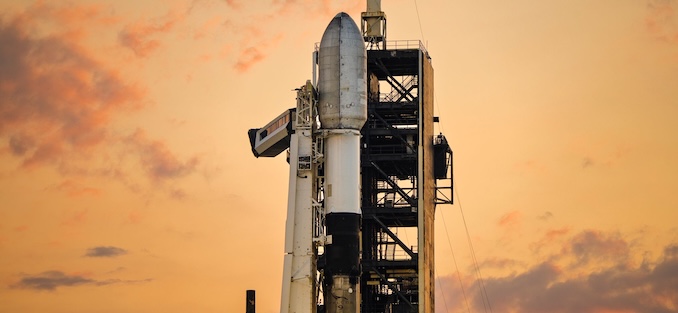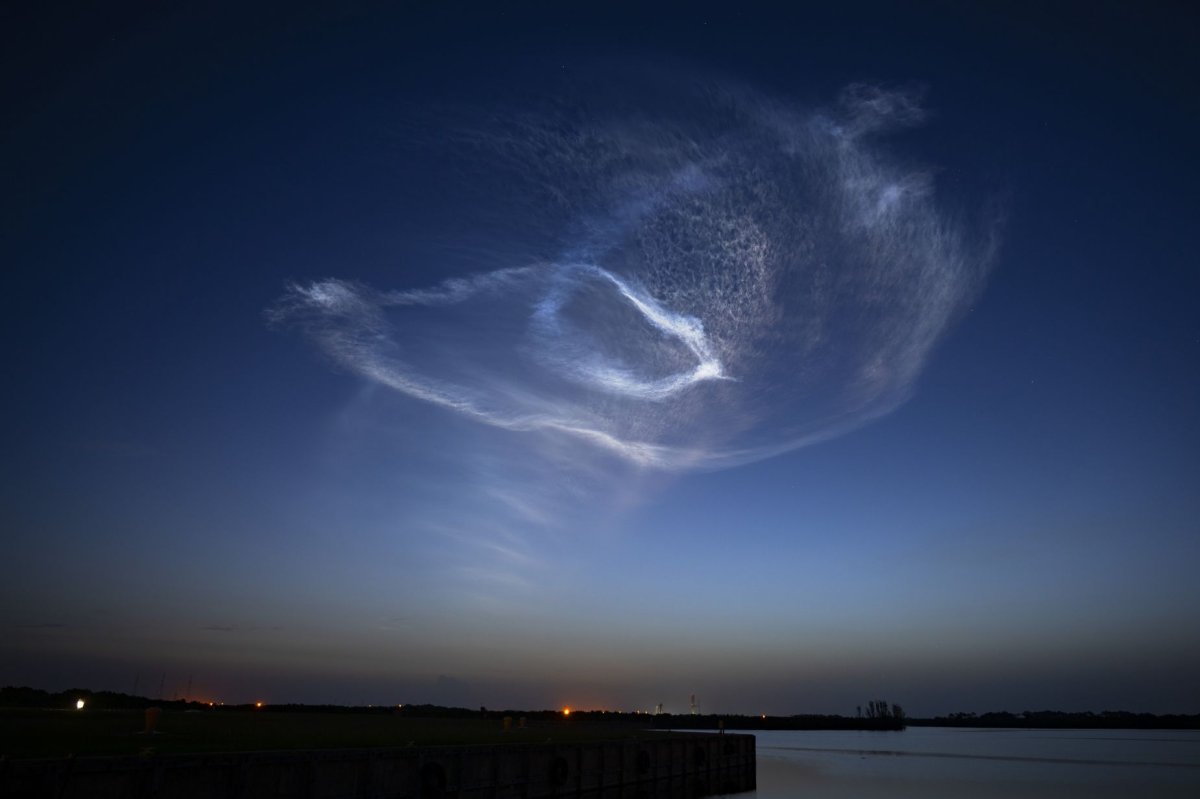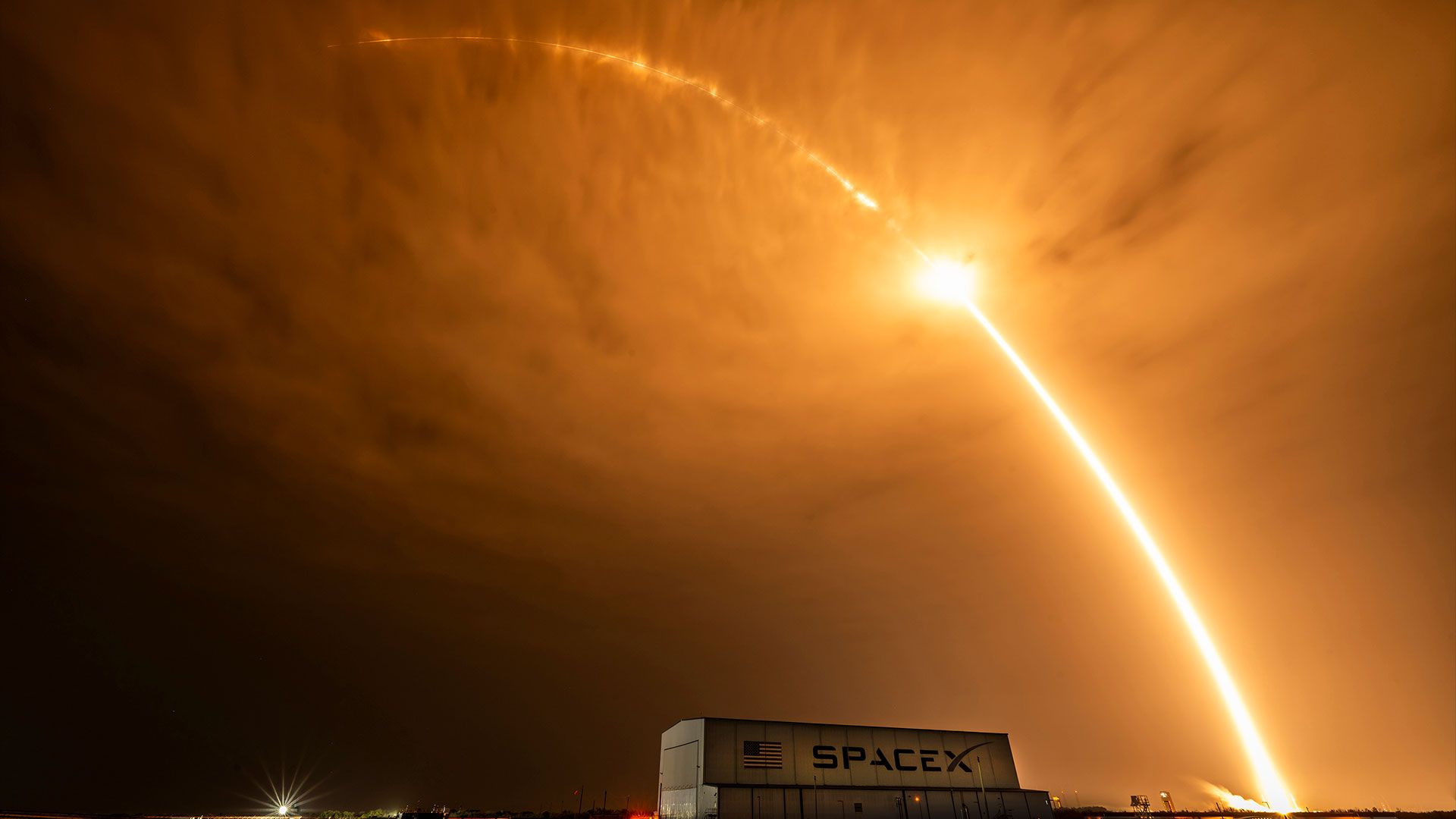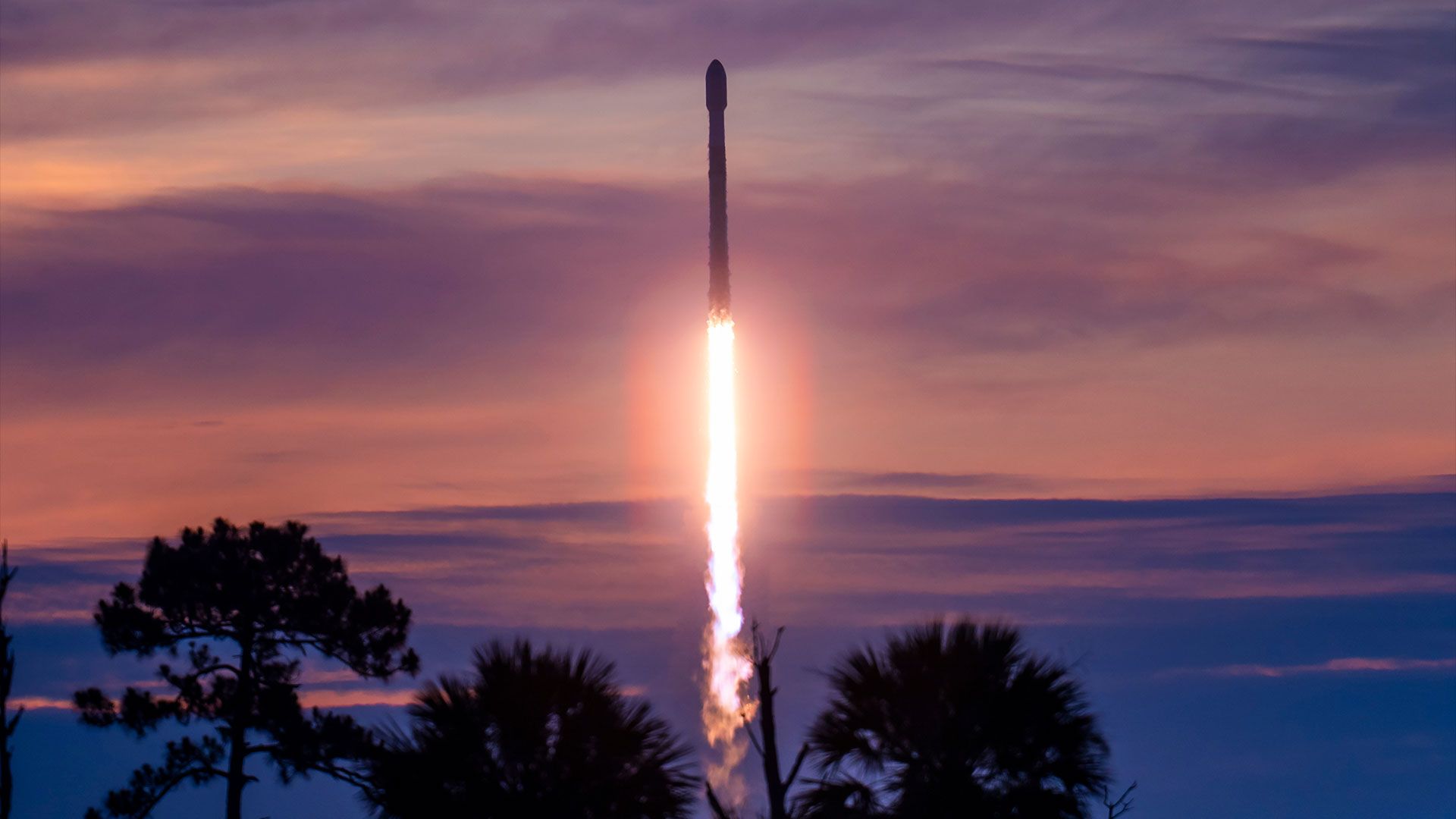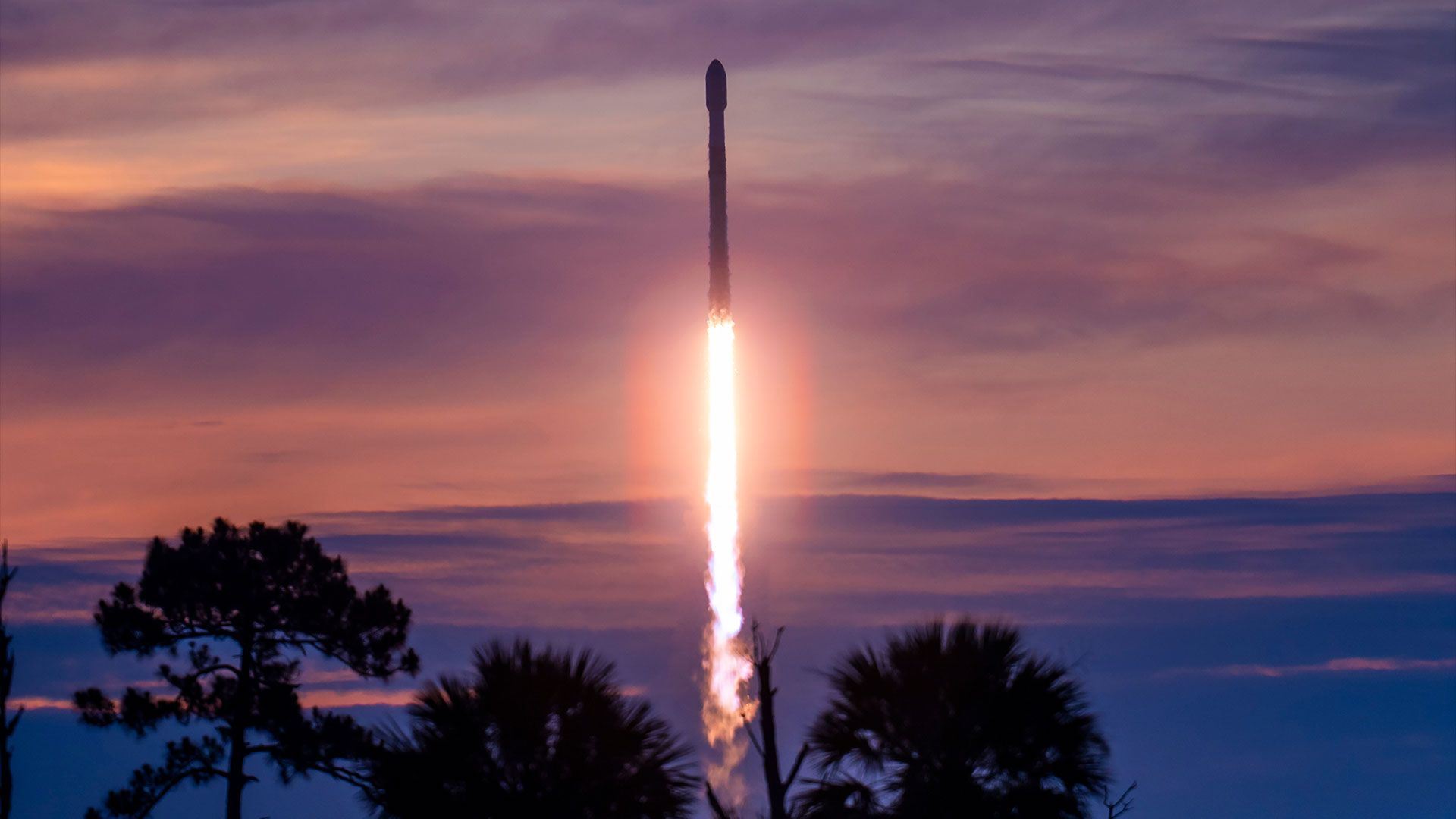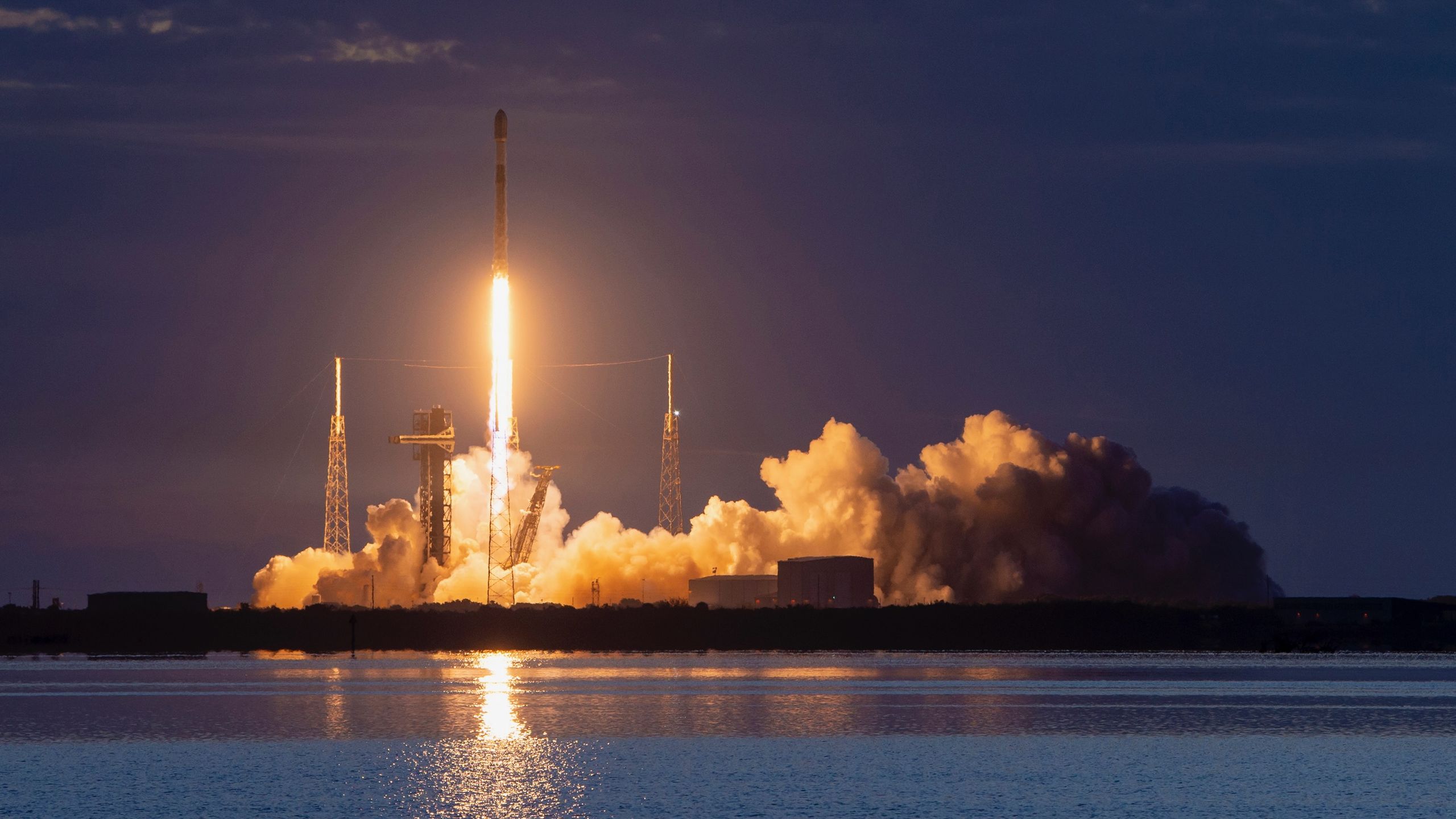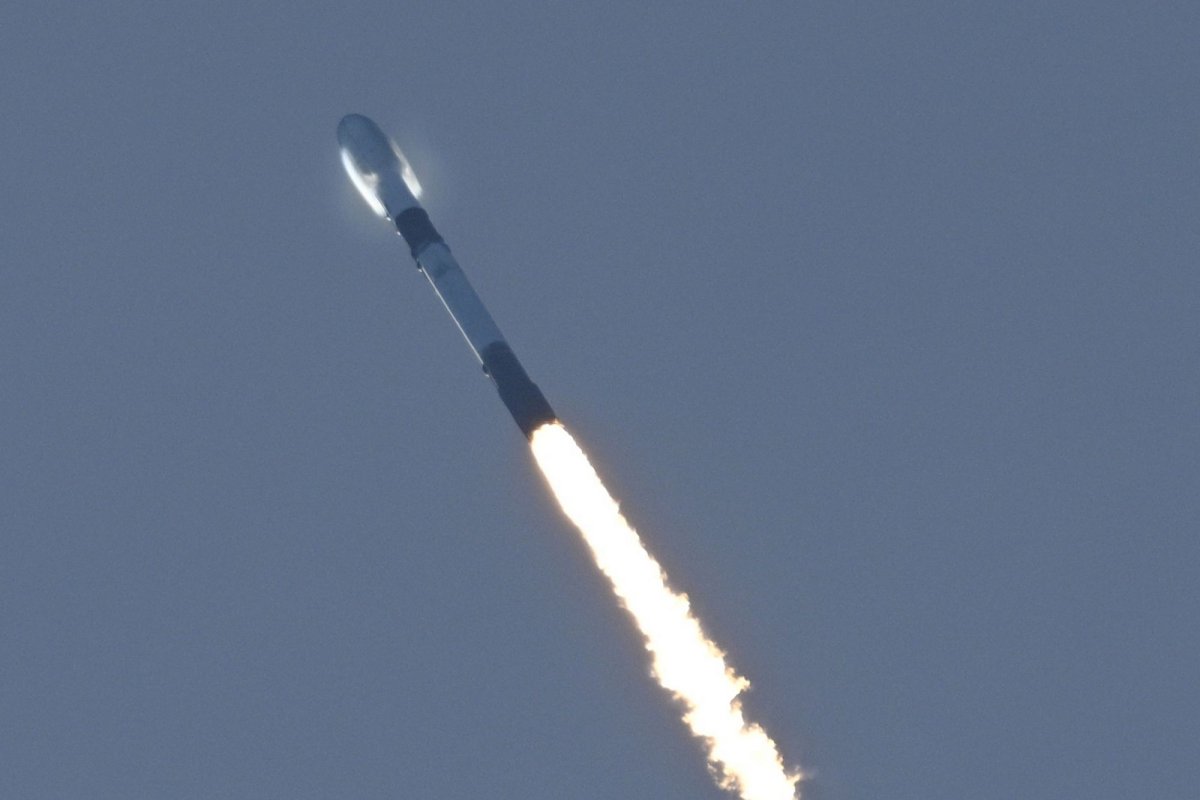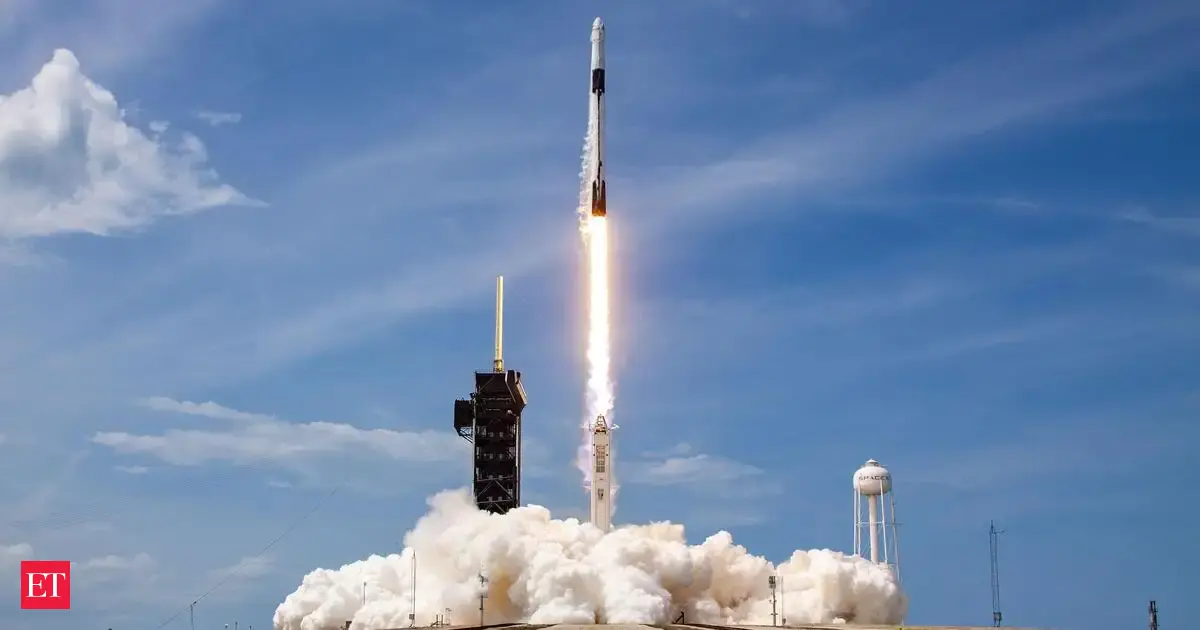
A SpaceX Falcon 9 rocket launched 29 Starlink broadband satellites into low Earth orbit (LEO) from Vandenberg Space Force Base in California on Thursday night, bringing one of the company's reusable boosters within one flight of the Falcon 9 reusability record. The mission lifted off at 11:01 p.m. EDT on July 10 (8:01 p.m. local time; 0301 GMT on July 11). It marked the 35th flight of Falcon 9 first-stage booster B1071, just one short of the company record of 36 flights set by booster B1067 a few days earlier on another Starlink mission. The first-stage booster successfully returned to Earth as planned, landing on SpaceX's droneship "Of Course I Still Love You" in the Pacific Ocean about 8.5 minutes after liftoff. The rocket's upper stage continued carrying the 29 Starlink satellites, which were scheduled to be deployed into low Earth orbit about 62 minutes after launch. Starlink constellation continues to grow According to satellite tracker Jonathan McDowell, the Starlink constellation currently consists of more than 10,700 active satellites in low Earth orbit. SpaceX has also applied for approval to operate up to 100,000 Starlink satellites in low Earth orbit. The mission was the 81st Falcon 9 launch of 2026, with around 80% of the company's launches this year dedicated to deploying Starlink satellites. Falcon 9's reusable design Falcon 9 is designed as a reusable launch system in line with SpaceX founder Elon Musk's goal of reducing the cost of spaceflight. The rocket's first stage routinely lands either on land or on a droneship after launch, allowing it to be refurbished and reused. It is widely regarded as the most valuable part of the rocket. Falcon 9 is used to deploy the Starlink broadband satellite network and also carries out security missions for the National Reconnaissance Office. According to Reuters, SpaceX launches Falcon 9 around 150 times a year, averaging roughly three missions a week, with boosters capable of being reused dozens of times.Falcon 9 capabilities and specifications Falcon 9 is a two-stage rocket. The first stage is powered by nine Merlin engines and uses aluminum-lithium alloy tanks containing liquid oxygen and RP-1 rocket-grade kerosene propellant, according to SpaceX. The second stage is powered by a single Merlin engine and is connected to the first stage through a carbon-fibre aluminum-core composite interstage. The rocket stands 229.6 feet (70 metres) tall and has a diameter of 12 feet (3.7 metres). It has a mass of 1,194,000 pounds (541,300 kilograms). Falcon 9 can carry payloads of up to 28,991 pounds (13,150 kilograms) to low Earth orbit and 10,692 pounds (4,850 kilograms) to geosynchronous transfer orbit. The first stage burns for 162 seconds, producing 1.53 million pounds (6,806 kilonewtons) of thrust at sea level and 1.6695 million pounds (7,426 kilonewtons) in vacuum. The second stage burns for 397 seconds and generates 210,000 pounds (934 kilonewtons) of thrust.
SpaceX's Falcon 9 nears reusability record with 35th flight: How the reusable rocket works
A SpaceX Falcon 9 rocket successfully launched 29 Starlink satellites into orbit. This mission marked the 35th flight for booster B1071, nearing a reusability record. The booster returned to Earth, landing on a droneship in the Pacific Ocean. The Starlink constellation now exceeds 10,700 active satellites in low Earth orbit. SpaceX continues to deploy these satellites, dedicating most of its launches this year.
474 words~2 min read