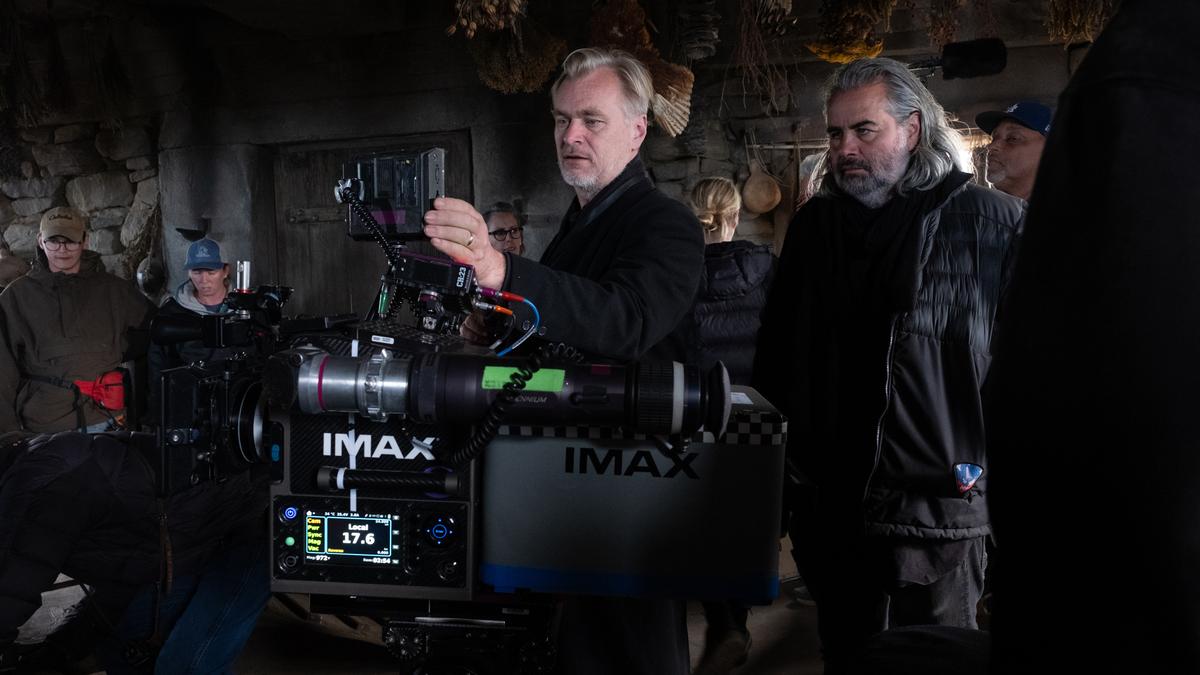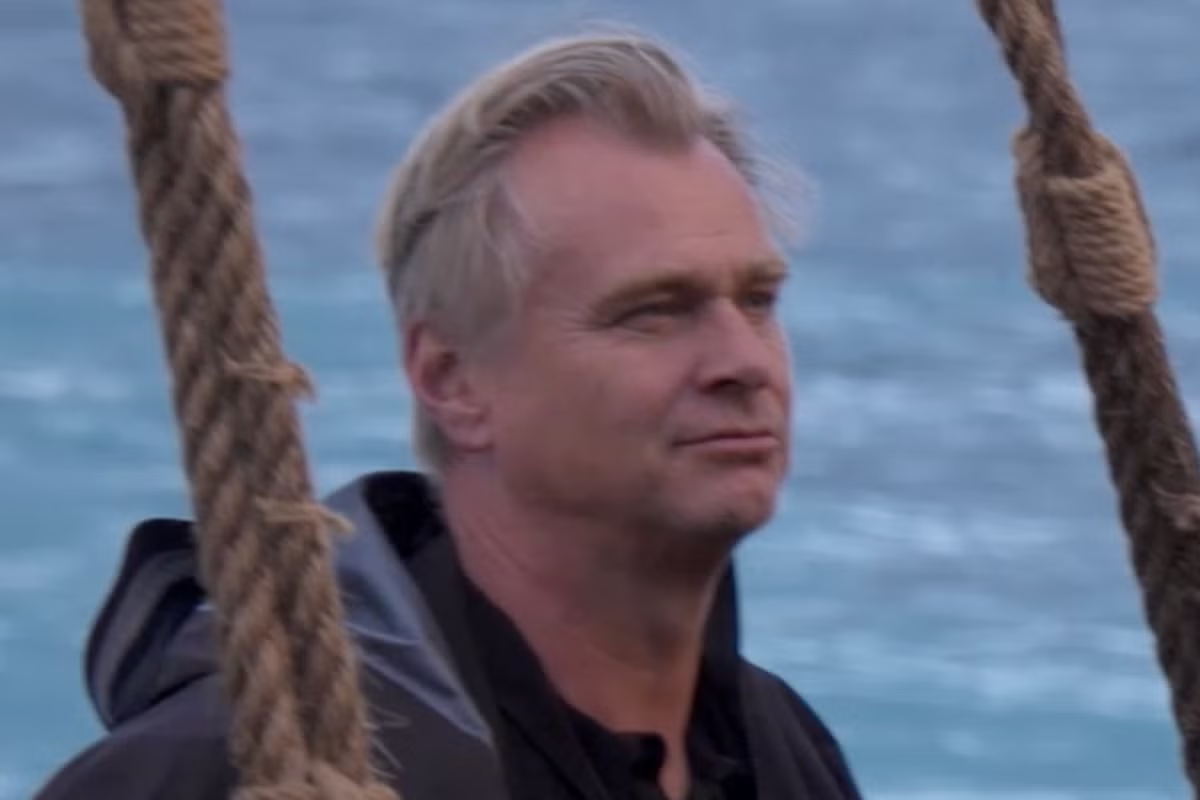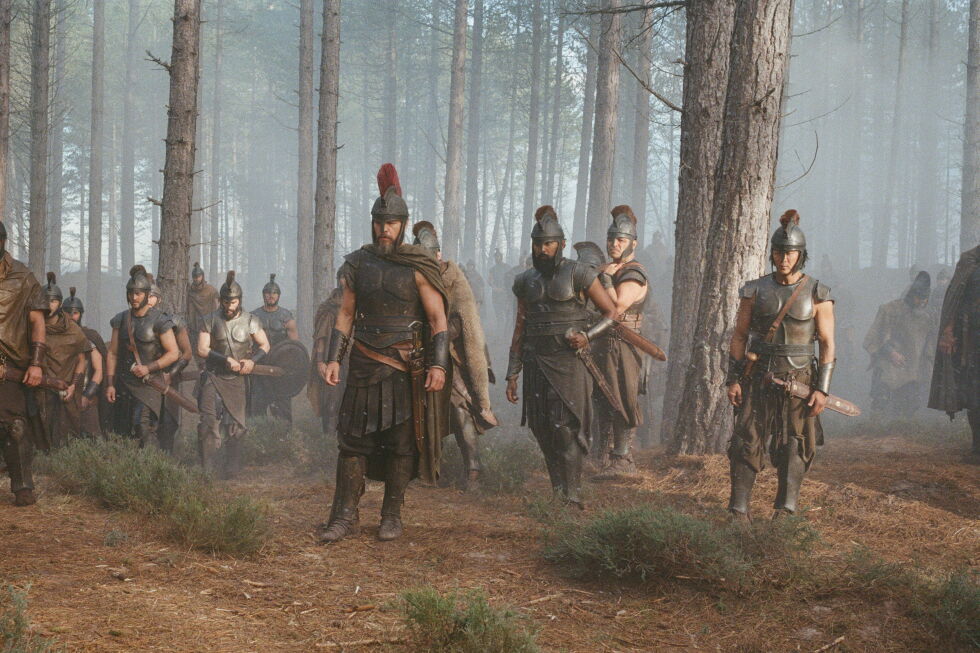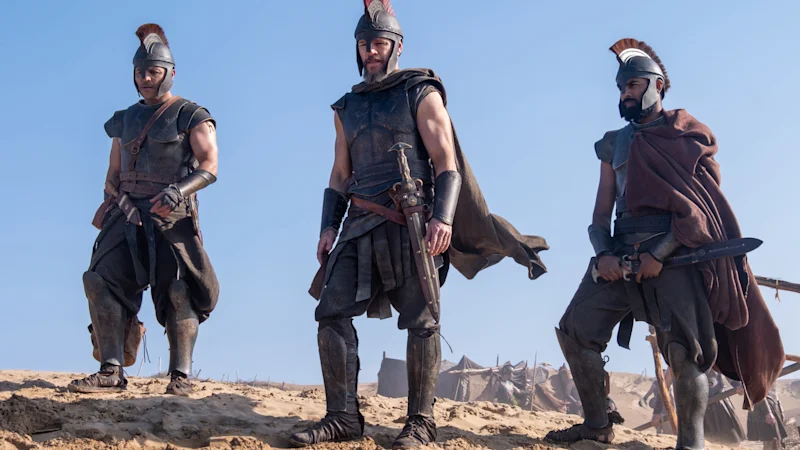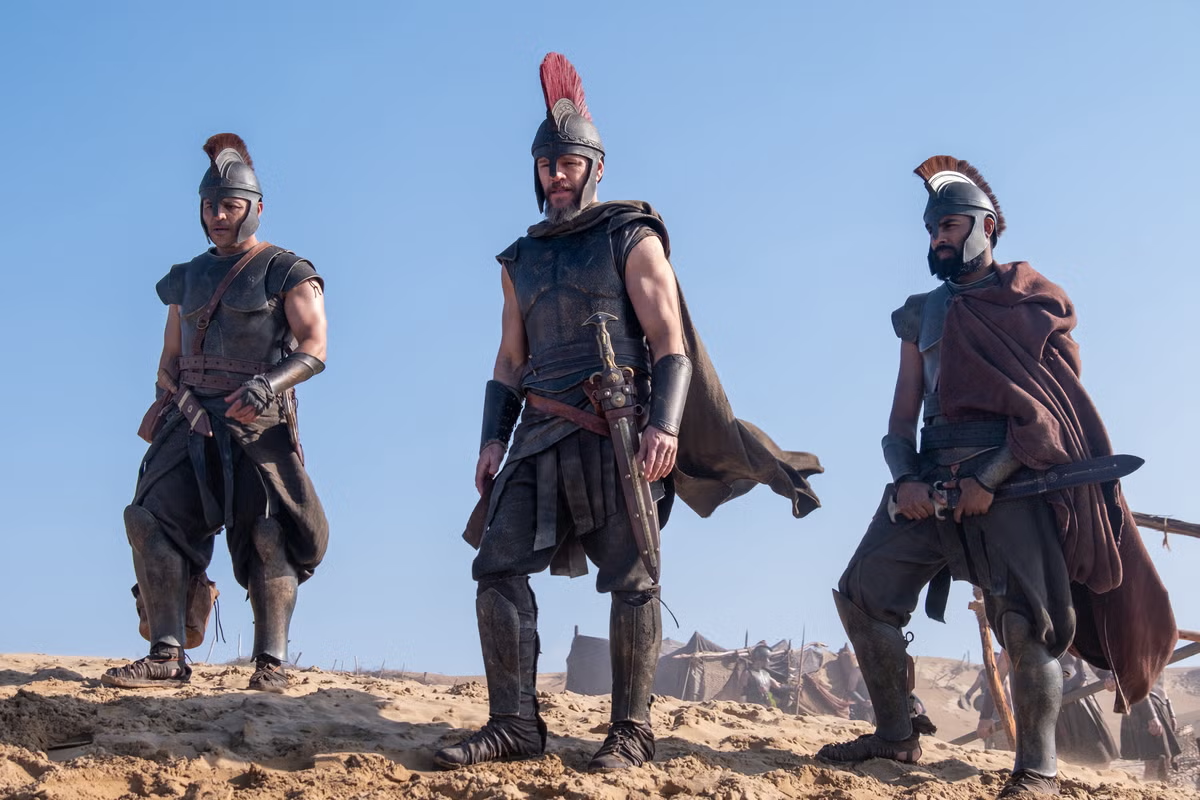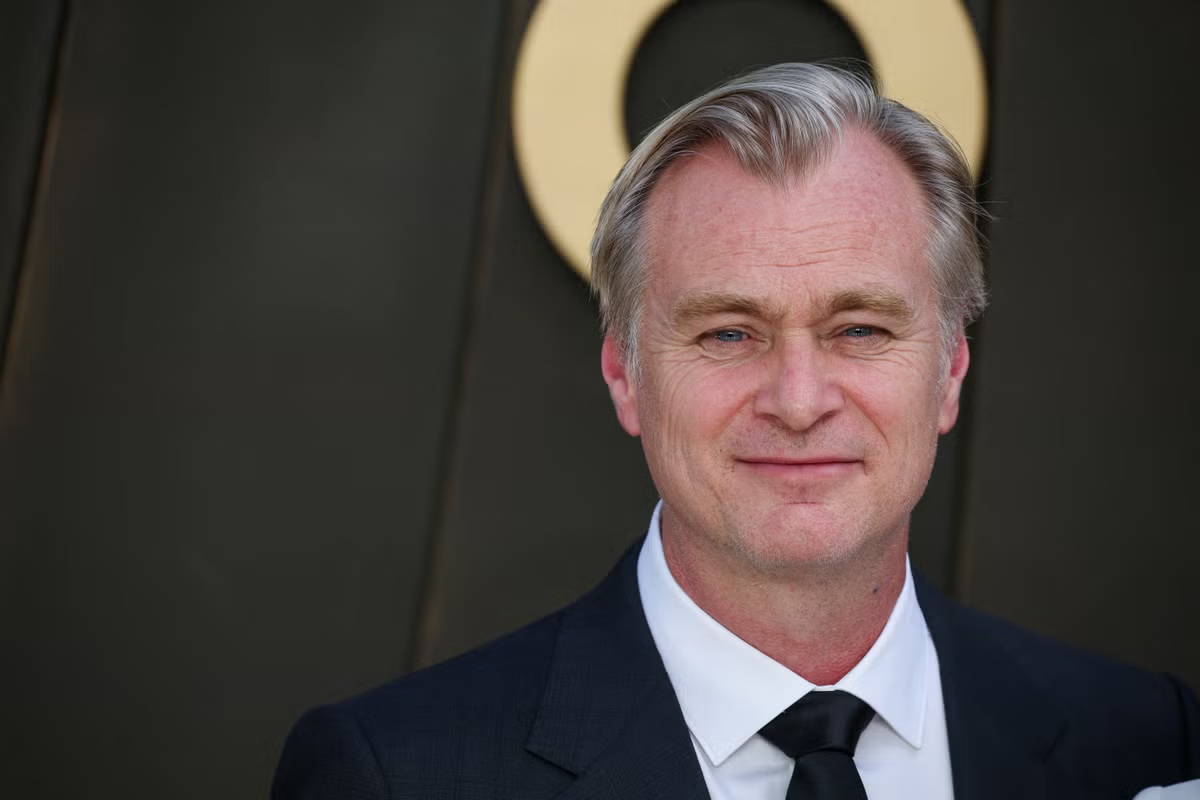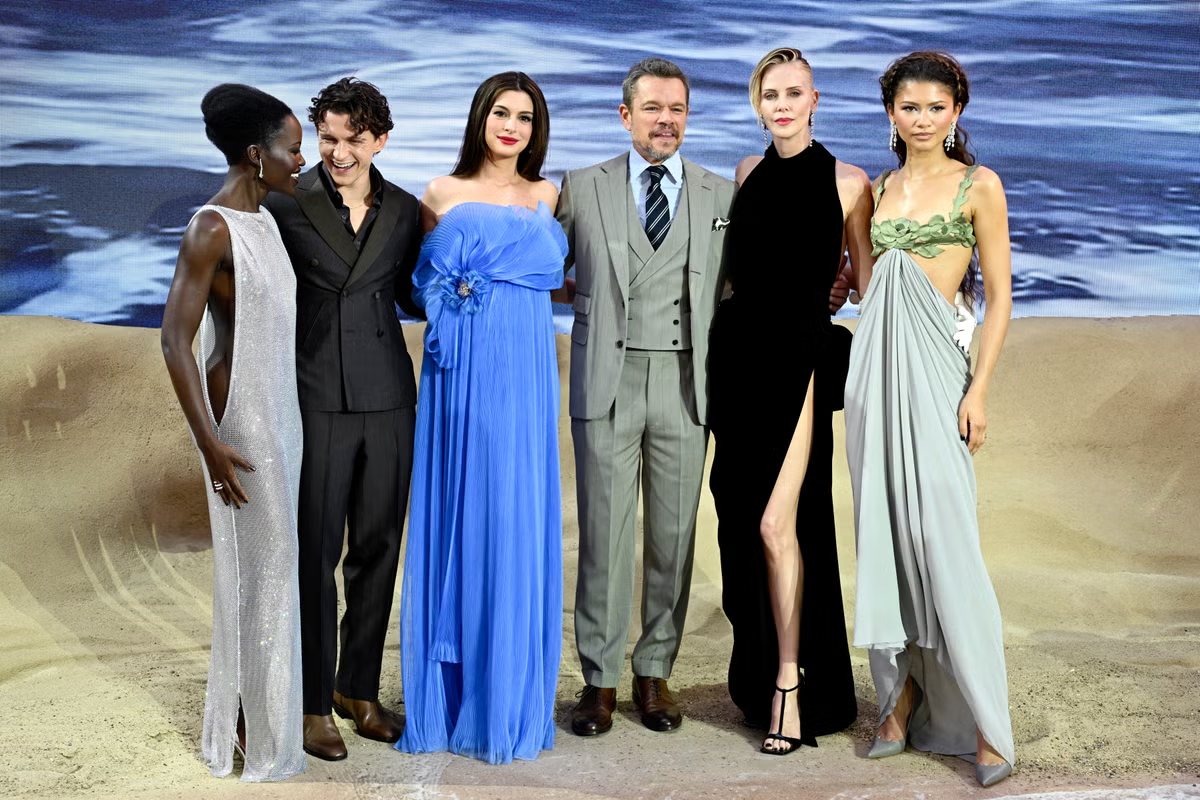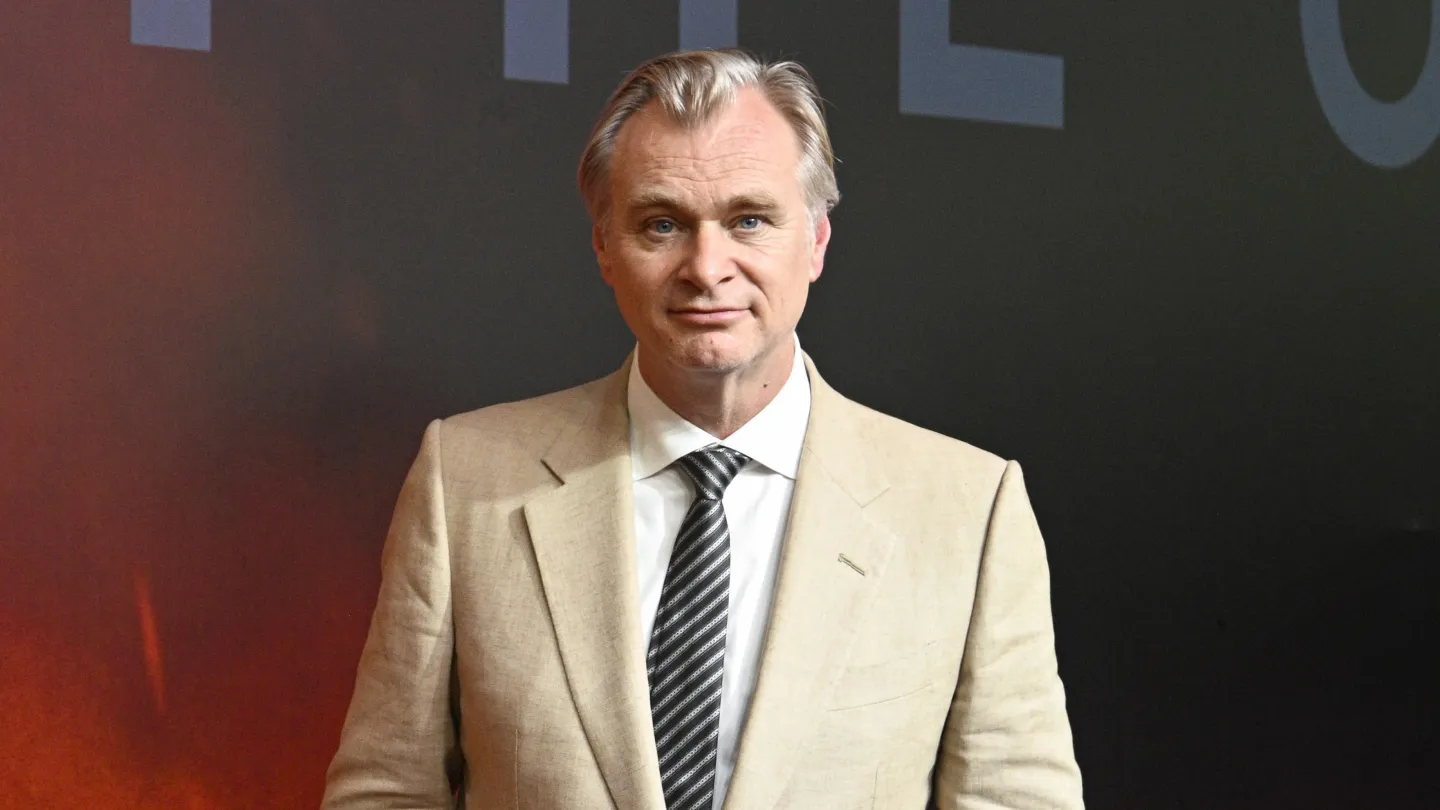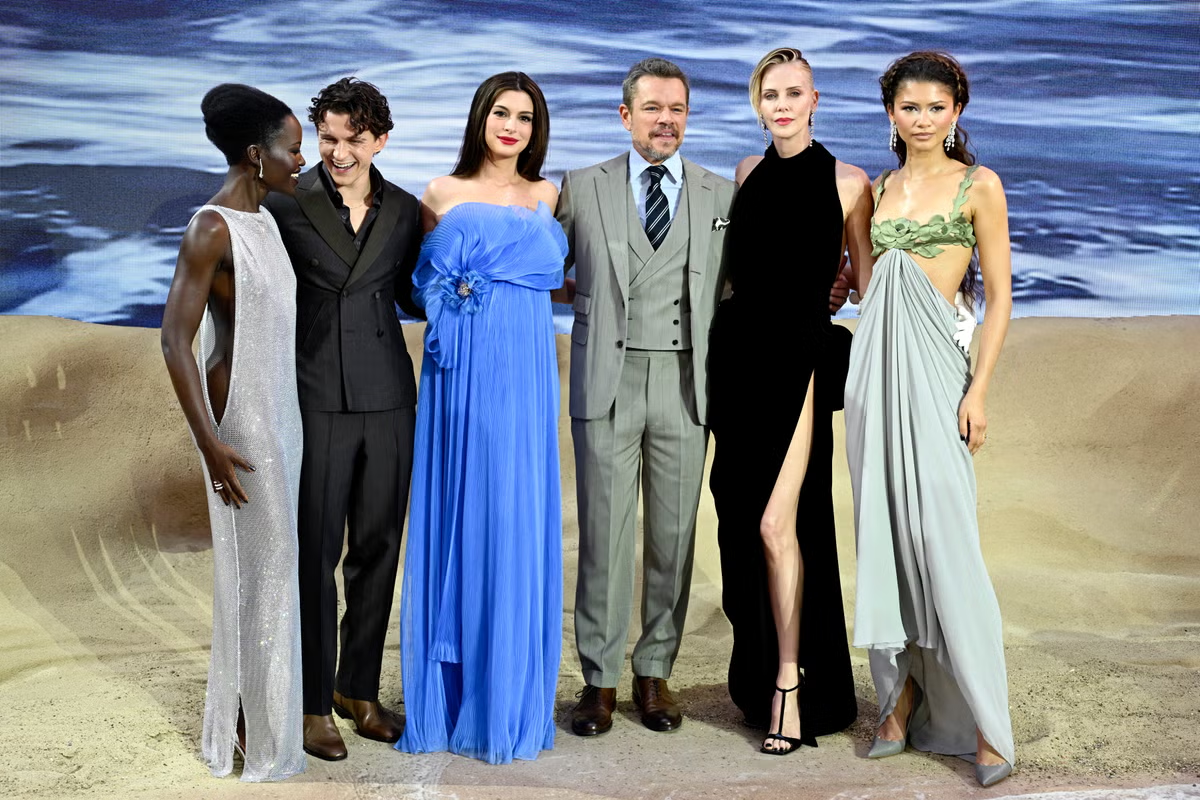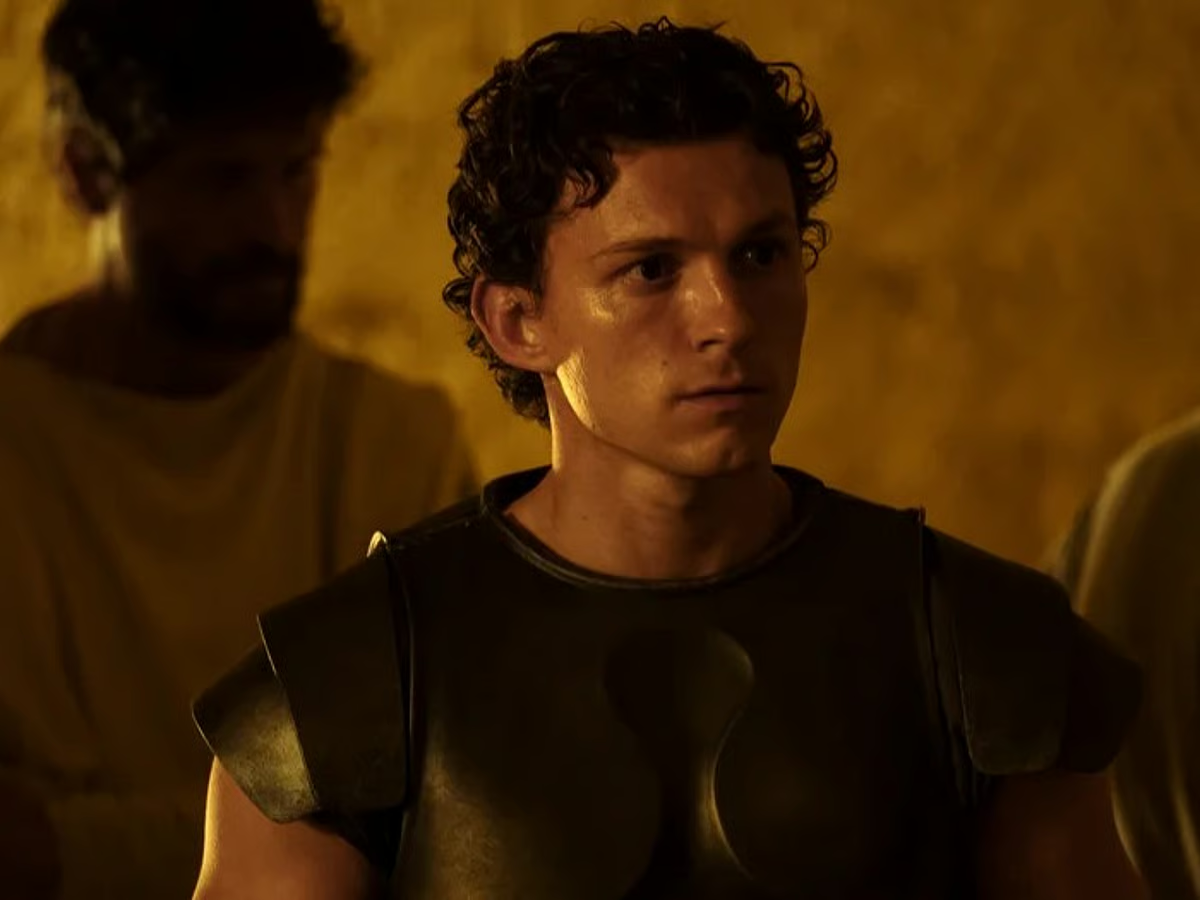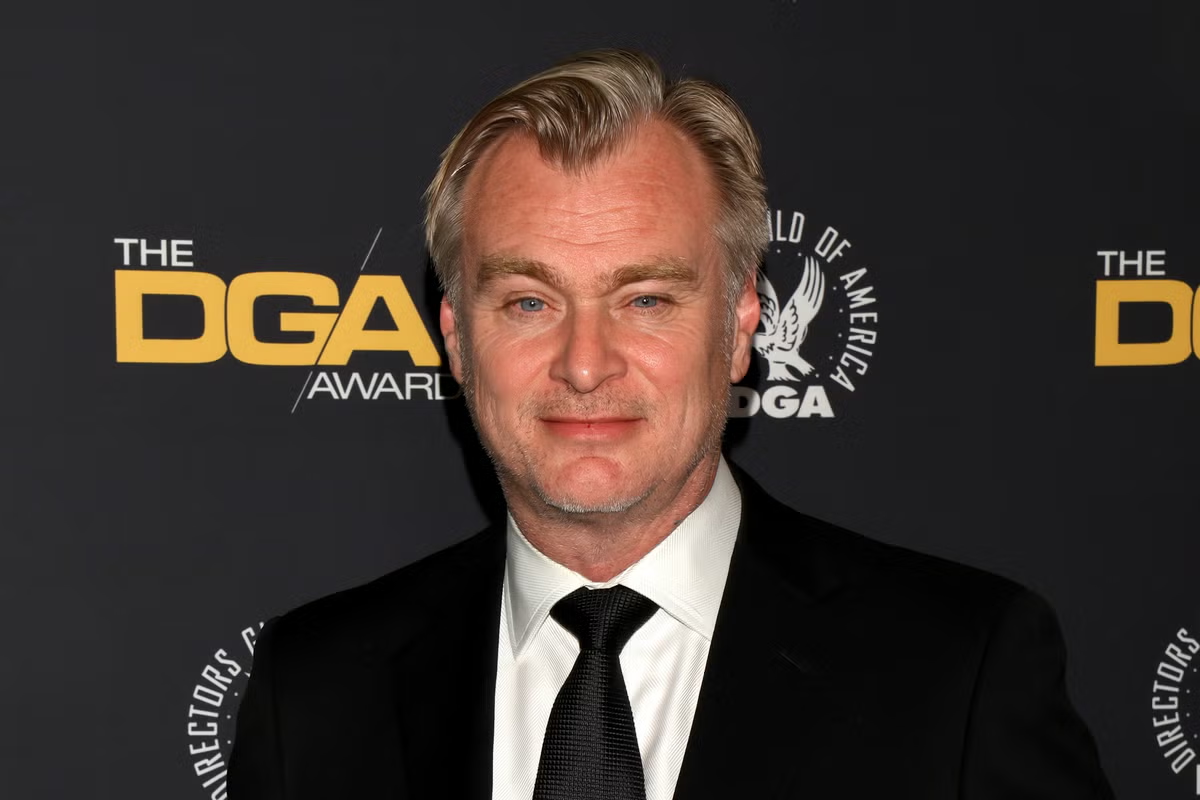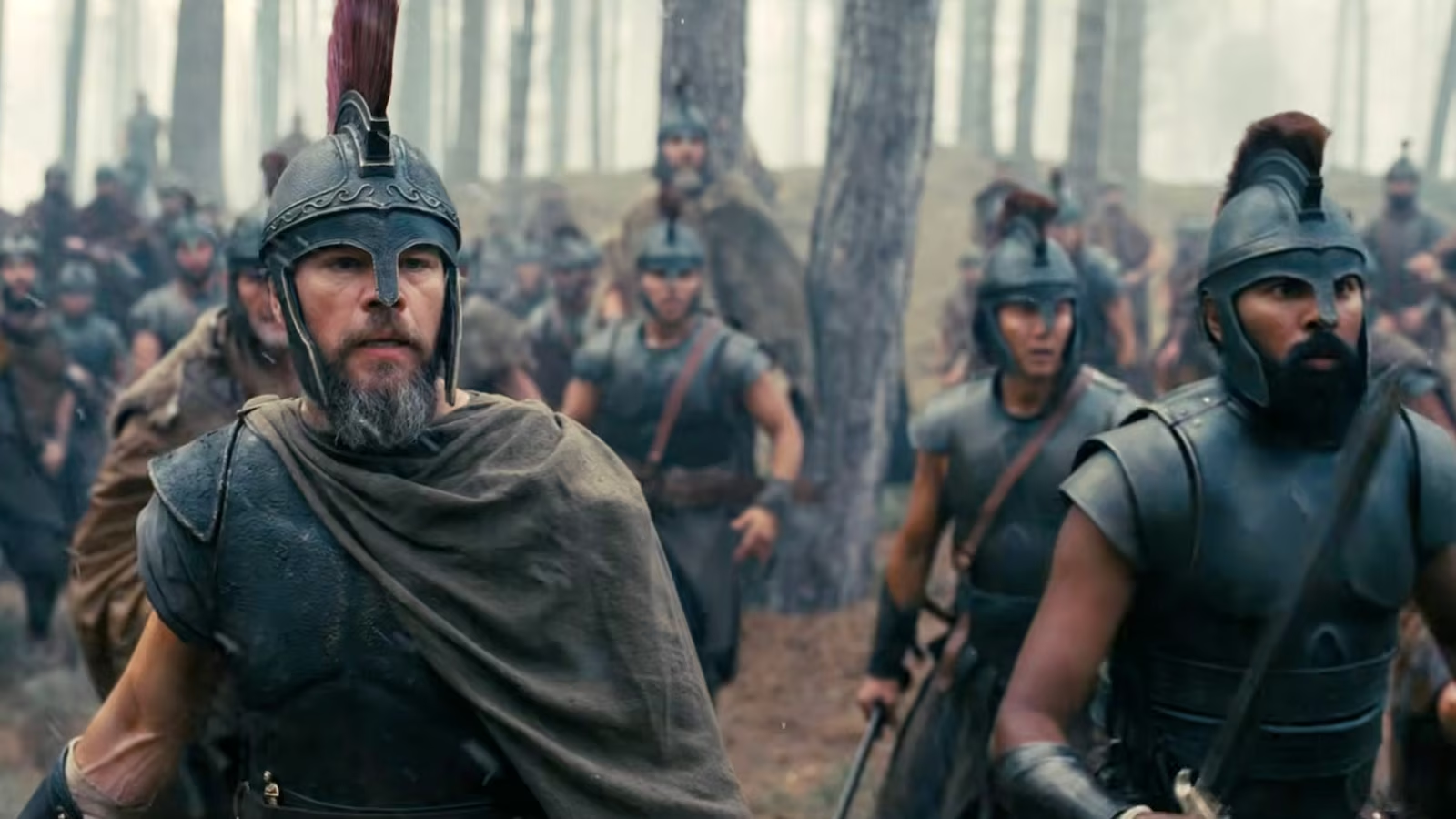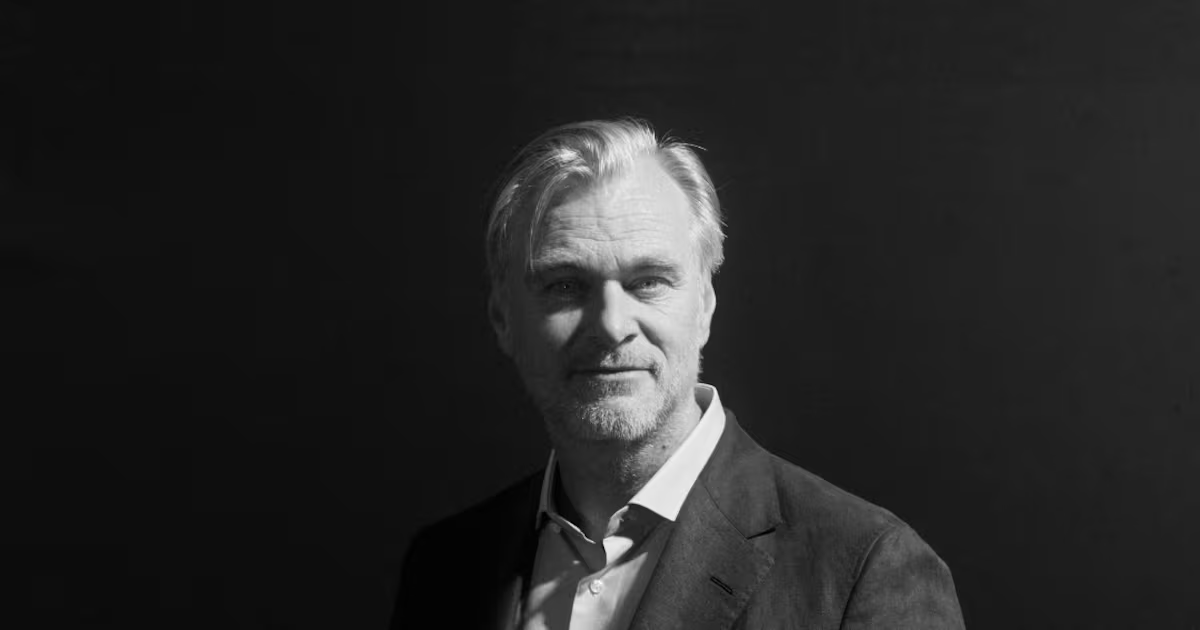
What must it be like to sit at the eye of the hugest promotional hurricane? The Trojan Wars can scarcely have involved more people than are currently flocking about one of the poshest hotels in London. One floor is entirely taken up with tech and logistics and interview rooms. A storey above that, Christopher Nolan, director of The Odyssey, the year’s buzziest film, is sitting quietly in his own urbane bubble. The adaptation of Homer’s eternal epic cost about $250 million, or €220 million. It is packed with stars. All films feel small when set beside it. With three days to go before the premiere, he must feel the pressure.“Yes, I mean, you make a film like this for a theatrical audience,” Nolan says in his unhurried, logical manner. “So there’s no hiding from that. The truth is any film I make is not finished until the audience tells me what it is. “So this moment, right before, is exciting. It’s exciting to talk to people who’ve just seen it – to bring it out in the world. But it’s also terrifying. And, no, it never gets any easier.”Sports writers say pressure is a privilege. It stops the player getting blase.“Oh, there is definitely no danger of getting blase with a movie like The Odyssey,” he says.No doubt about that. Matt Damon stars as Odysseus, warrior king of Ithaca, in the famous tale of his journey home years after victory over the Trojans. Tom Holland is Telemachus. Anne Hathaway is Penelope. Robert Pattinson is Antinous. Zendaya is Athena. We could fill half this article with the names of top-flight cast alone.It’s not just the scale of the film that puts pressure on Nolan. His own reputation attracts furious anticipation. Raised in the British capital to a father of Irish descent, he first gained attention in 1998, after graduation from University College London, with a fine no-budget thriller titled Following. The lean, brain-twisting Memento arrived two years later. But his persona was properly formed with huge, throbbing epics such as The Dark Knight, Inception, Interstellar and, winner of seven Academy Awards in 2024, the ear-shattering biopic Oppenheimer.Eyes were on him before Oppenheimer. Even more were on him when that film won the best-picture Oscar and, for Cillian Murphy, best actor on its way to just under $1 billion at the box office. Some directors buckle when asked to follow up such a critical and popular smash. Was he uneasy about that high profile?“No, it was brilliant,” he says, calmly. “It’s fabulous, because it gives you an opportunity. Yeah, it’s pressure, but everything’s pressure in the film business. You’re dealing with this massive commercial thing. You need hundreds of millions of dollars to make a film on this scale.“What you got with the unexpected and really welcome success of Oppenheimer, particularly financially, is the opportunity to do something I wouldn’t be able to do otherwise.”Some might be surprised to hear that. Nolan is among the very few directors whose name is known to the semi-attached film fan. We therefore half-assume he can do whatever the heck he likes with however much money he requires. But I suppose there are rungs on the financial ladder.“Yes, there are rungs on that ladder,” he says with a smile. “Absolutely. Just because of the area I’m working in. I love Hollywood blockbusters. I love large-scale Hollywood storytelling. That is a very expensive, industrial process. So you’re looking to commit considerable resources. And we will be sweating the release of this film. That is the way it goes.”Matt Damon and Zendaya in The Odyssey - written, produced and directed by Christopher Nolan. Photograph: Melinda Sue Gordon/Universal Mia Goth is Melantho and Anne Hathaway is Penelope in The Odyssey. Photograph: Melinda Sue Gordon/Universal The obvious questions are, why the Odyssey, and why now? True, there aren’t many straight-up film adaptations of it. But the characters and episodes have been filtered through culture for millenniums. The epic poem, dated to the eighth century BC, is, of course, the basis for James Joyce’s novel Ulysses.“Yeah, funnily enough, I have been trying to read Ulysses for 33 years,” Nolan says. “My son was reading it in college as we embarked on the shoot, and he said to me: ‘If you’re not going to finish it when making film of The Odyssey, when are you ever going to finish it?’ “So every weekend I would read a chapter, and I finished it in post-production. Finally, after all that time, I have completed it.”Nolan studied literature at university. So I imagine he was more than up to the task of Joyce’s most celebrated novel. What did he make of it?“The bones have been picked clean by the culture, actually,” he says. “So the last couple of chapters actually felt less radical and less innovative, in a way. Not the final monologue, though. The middle of it just feels bafflingly impenetrable, like something you could revisit many, many times. But it’s a monumental work.”The Odyssey: Christopher Nolan with Matt Damon and Himesh Patel. Photograph: Melinda Sue Gordon/Universal Pictures You might expect golden-era Hollywood to have produced endless sword-and-sandals takes on The Odyssey. But that’s not the case. Steely Dan translated it into Home at Last on their album Aja (“Well, the danger on the rocks is surely past. Still I remain tied to the mast”). Cream sang Tales of Brave Ulysses. Margaret Atwood retold the tale from a feminine perspective in The Penelopiad. The Coen brothers used The Odyssey as a template for O Brother, Where Art Thou? Ralph Fiennes recently starred in a decent take on the story’s denouement called The Return. But faithful film versions of the full text have been rare.“The Odyssey has underpinned so many things in our culture,” Nolan says. “Even in my own work, in things like Interstellar and the Dark Knight trilogy, you’ll find things coming from Homer. But there hasn’t really been a movie done, certainly not in modern cinematic terms.“I think the reason for that is, in the heyday of swords-and-sandals Hollywood, which is really the 1950s and 1960s – or the previous iteration, in the 1920s and 1930s – they were lacking the technical tools to create the fantasy elements.”The Odyssey: Matt Damon as Odysseus in Christopher Nolan's film. Photograph: Melinda Sue Gordon/Universal That’s a fair point. Nolan correctly pays tribute to the mid-century special-effects whizz Ray Harryhausen, whose stop-motion monsters in films such as Jason and the Argonauts remain miracles of the human imagination. But there was not the facility to create the looming semi-naturalistic Cyclops that Nolan gives us in the new film. The changing of the crew of Odysseus’s ship into swine during the Circe episode is delightfully upsetting.“There is a way to approach the fantasy elements and bring them into a tonal relationship with the rest of the story,” Nolan says.It’s interesting to hear how much he cares about historical accuracy. There has, following the release of trailers, already been pedantic huffing and puffing about supposed anachronisms in this version of 1200 BC (or thereabouts). Is the armour correct? Is the vernacular dialogue appropriate? And on and on.[ So the Odyssey trailer has upset you. Shut up and stop whingingOpens in new window ]But, even if we knew how these ancient Mediterranean figures dressed and spoke, we would still be dealing with a work of heightened fantasy. Nolan, who radiates academic diligence, has doubtless done a great deal of research. At some point one must, however, throw up one’s hands and acknowledge that we’re in an unknowably distant world of gods and magic.Christopher Nolan's The Odyssey looks incredible on the big screen. Photograph: Melinda Sue Gordon/Universal Director Christopher Nolan with Matt Damon and Zendaya. Photograph: Melinda Sue Gordon/Universal “Well, fairly early on, actually, you put your hands up,” he says. “You have to go to the sources. What have they dug out of the ground? What do we know? “The archaeological record of Mycenaean times is very fragmentary. A lot of what people think of as historical knowledge of that era is informed and intelligent speculation, but it is speculation.“When you create a movie you have to create an entire and consistent world. We have to find a boat that we’re going to go out on and go out into a real storm. So you’re engaged in your own version of this speculation, your own commitment to the world-building.”Neither Homer’s epic poem nor Nolan’s enormous film is history.“It’s a very old story. And the story itself is part of our history,” he says.Like Camelot?“Exactly like Camelot. It is only in the last 100 years that archaeologists have looked for Troy as a real historical place. And I think that fad will pass.”That reference to finding a boat they can actually sail gets at a key element of the Nolan mythology. The director is a fascinating amalgam of tech boffin and muddy-fingered Leveller. His entertainments involve enormous feats of film-making know-how, but he avoids computer-generated imagery where possible and revels in practical special effects (such as those developed by Harryhausen). He does not carry a smartphone and he never uses email.Christopher Nolan with cinematographer Hoyte van Hoytema. Photograph: Melinda Sue Gordon/Universal The Odyssey has sparked demand at the box office. Photograph: Melinda Sue Gordon/Universal A defender of physical film over the digital alternative, he ensured The Odyssey became the first feature to be shot entirely on Imax’s bulky 70mm film cameras. Nolan is, moreover, a firm believer in theatrical exhibition and an opponent of shortening the window between release in cinemas and arrival on streaming.Good for him. To see The Odyssey at the British Film Institute’s Imax cinema in London – the biggest screen in Britain – was an unqualified pleasure. But are he and Emma Thomas, his wife and producer, fighting a losing battle?“No, I feel like I’m fighting a winning battle!” he says with the fervour of an evangelist. “When we were finishing Interstellar, film almost disappeared. It was weeks away from stopping manufacture.“Emma and I had to call all the film-makers we knew who cared about film or wanted to still shoot film. That was the first time I ever spoke to Quentin Tarantino. I called Paul Thomas Anderson. “I called all those film-makers. And we were able to get a reprieve for film. As we stand here, Kodak’s film division is thriving. They have young film-makers using it all the time. The sales are massively up. It’s a much different picture than it was 10 years ago.”He is not wrong. It is not just the makers of large-scale sagas who are returning to film. Olivia Wilde shot The Invite, her recent zippy chamber piece, on a Panaflex Millennium XL2 35mm camera. Meanwhile, we have, over the past few months, seen a surge in box-office receipts. Maybe people do want to see films in cinemas.[ Olivia Wilde: ‘My family is all in Ireland right now. We still have the same house’Opens in new window ]“In the aftermath of Covid there was endless reporting about how audiences’ habits have changed,” Nolan says. “It was all: ‘Theatrical is dead. Everything’s about television and streaming.’ Well, that narrative is completely flipped.“In my capacity as president of the Directors Guild of America I have seen that the theatrical landscape is booming and theatrical windows are now getting bigger again. And they’re being respected, because studios are seeing the value of it. Television is in a terrible place. Fifty per cent of our television directors are unemployed.”Christopher Nolan: 'The Odyssey has underpinned so many things in our culture.' Photograph: Melinda Sue Gordon/Universal Pictures One can hardly imagine a better advertisement for the theatrical experience than The Odyssey. Advance sales have been enormous. The BFI Imax flogged 28,000 tickets on the day booking opened, breaking the venue’s records with a haul of £750,000, or about €875,000. In the United States it took more than an hour to get on the ticketing site for the AMC cinema chain, such was the demand.Audiences will get the biff and bang they crave. They will also get a moral story. Nolan’s own script makes much of Zeus’s law, the notion that one should treat guests as one would wish to be treated oneself. It feels like a good time to make that point.“This is absolutely stunningly relevant to today,” he says. “We’ve got cell phones and credit cards and this stuff. But, at the end of the day, society 100 per cent depends on that idea that we respect others in the way we want to be respected.”Makes sense.“Without that, everything falls apart.”The Odyssey is in cinemas from Friday, July 17th
Christopher Nolan interview: ‘It’s exciting to bring The Odyssey out. It’s also terrifying’
Christopher Nolan on big-budget pressure, finally conquering Ulysses and why The Odyssey, his highly anticipated adaptation of Homer’s epic, deserves to be seen on the big screen
2,103 words~10 min read