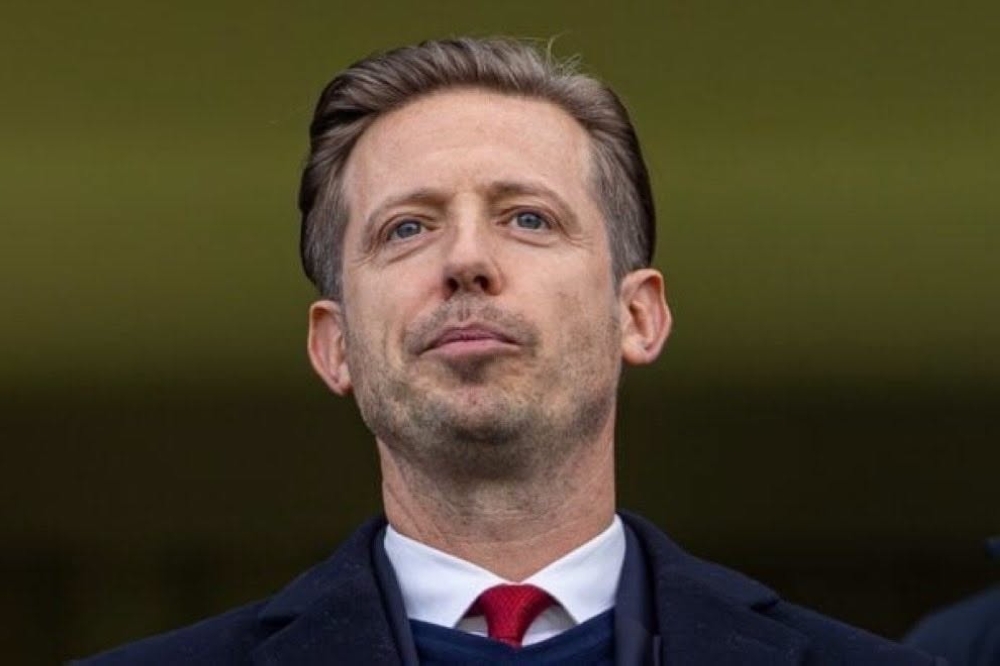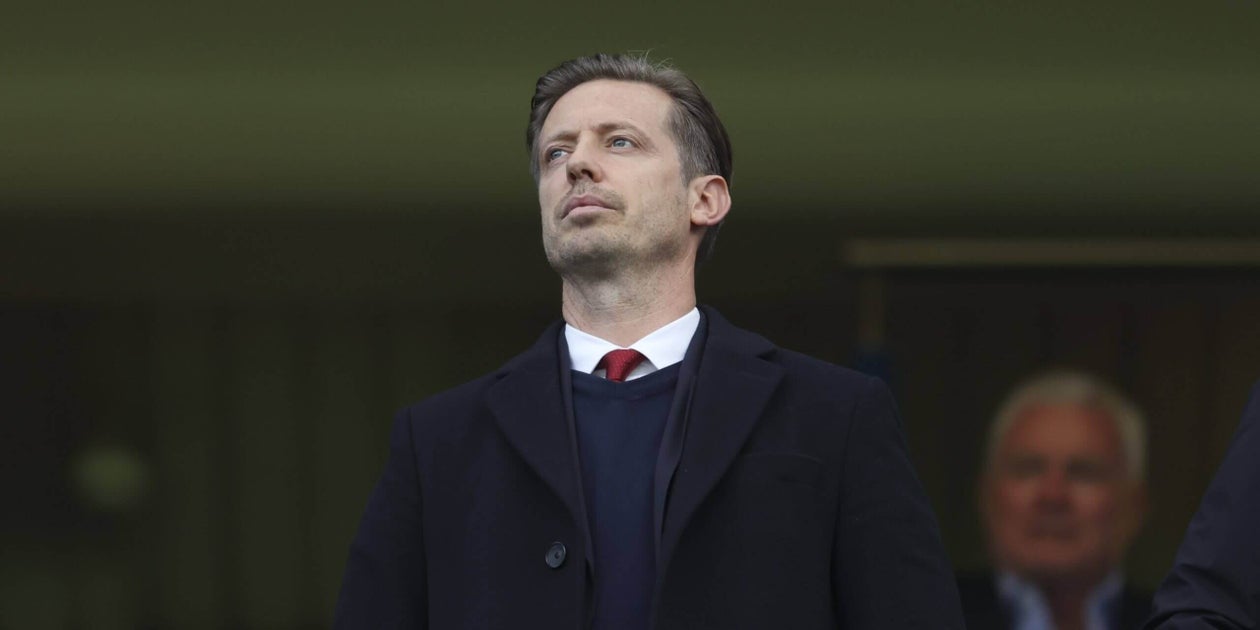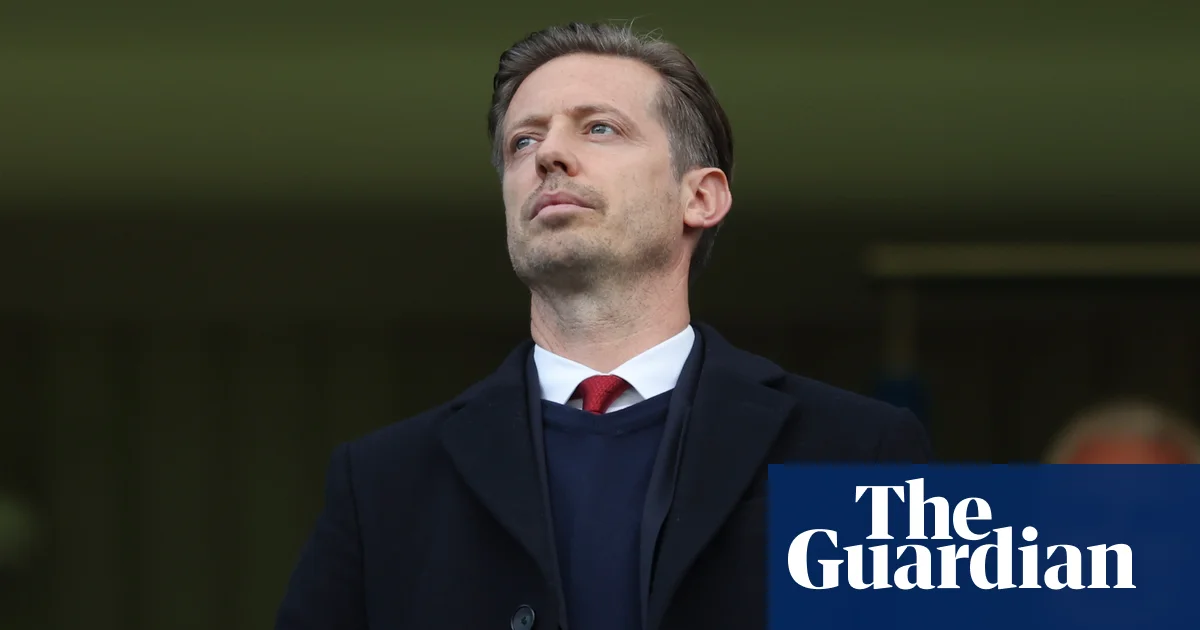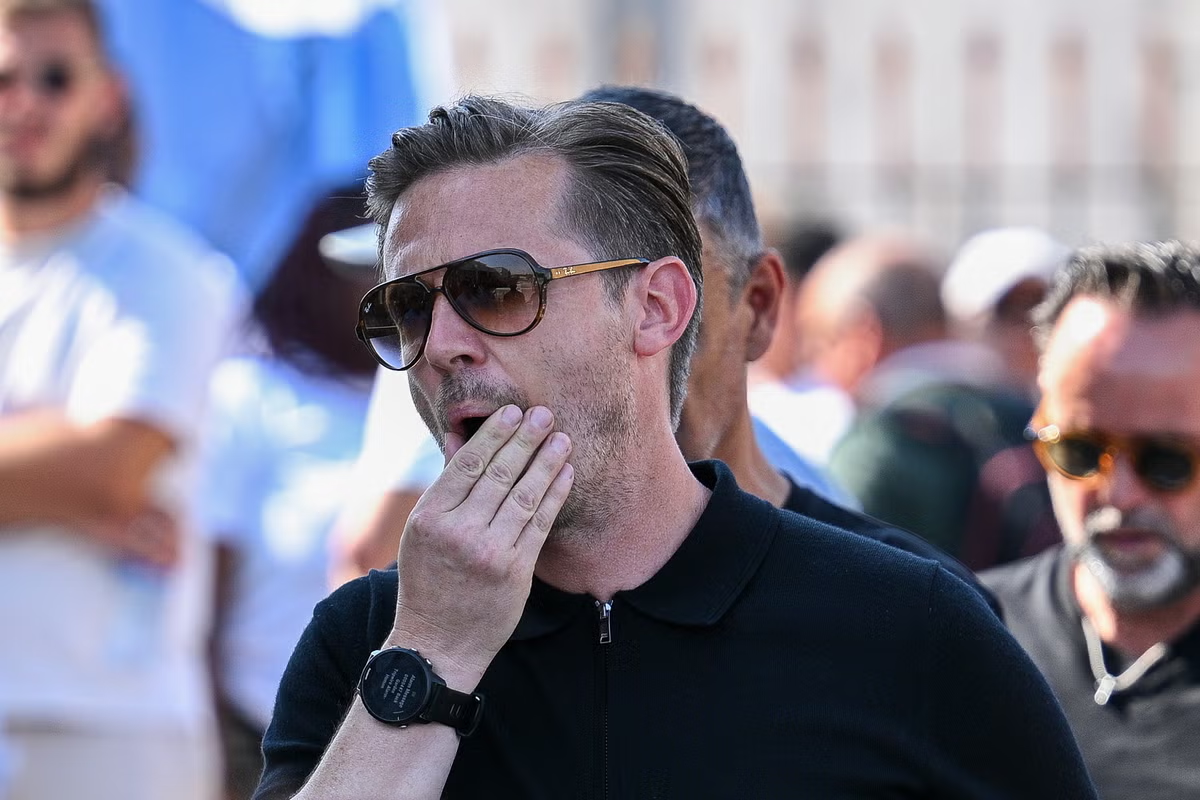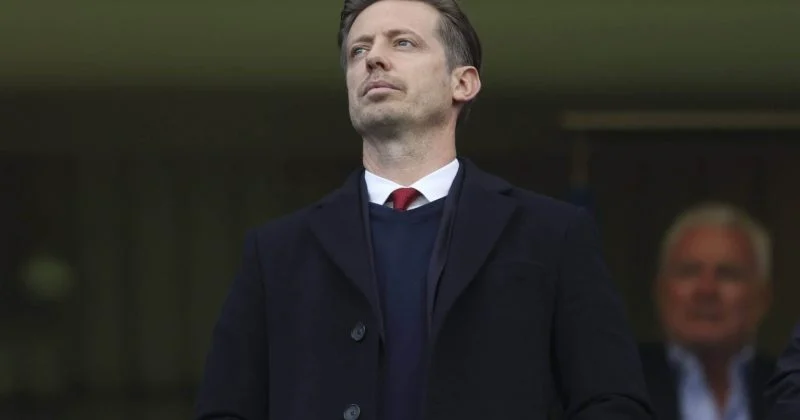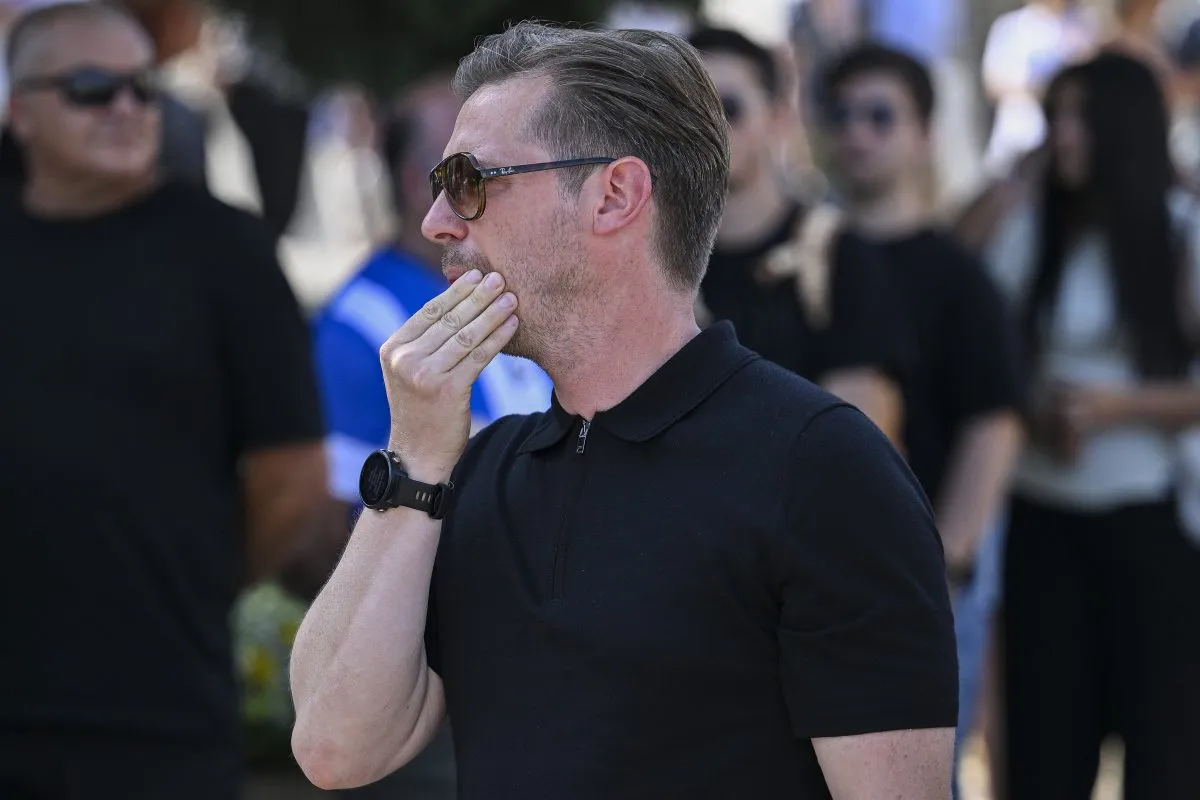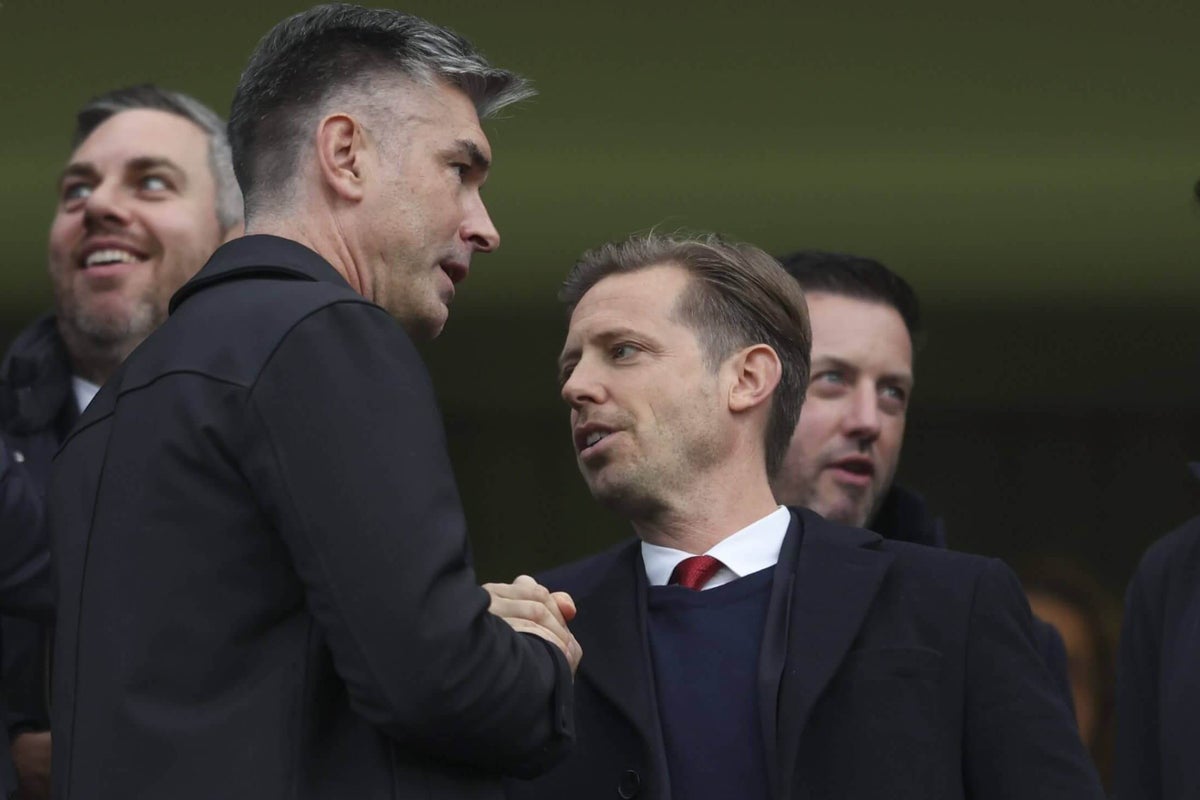
When Fenway Sports Group president Mike Gordon started to plan for Liverpool’s future without Jurgen Klopp in early 2024, his first call was to Michael Edwards.Initially, Gordon’s attempts to get Edwards back on board were in vain. Enjoying more family time with wife Emily and their children, and the slower pace of life working as a consultant for Ludonautics, the sports advisory analytics business launched by his former Liverpool colleague Ian Graham, Edwards had no interest in returning to his old job as the club’s sporting director.However, Gordon refused to admit defeat and following discussions in Boston, he belatedly got his man by offering him a role with a much wider remit as FSG’s first CEO of football.Edwards, who had left the club in 2022 after more than a decade of service, was given responsibility for overseeing Liverpool’s budget and strategy. He was also tasked with identifying, buying and subsequently running another European club, with FSG vowing to embark on a multi-club model.Gordon described him as “one of the most formidable executive talents in world football” when the appointment was announced in March 2024.With Edwards bringing in Richard Hughes and the new sporting director recruiting head coach Arne Slot, who initially surpassed all expectations in delivering the Premier League title in his first season, the transition post-Klopp seemed remarkably seamless. A new structure had been established and the club was flourishing.How quickly the edifice has crumbled. Six weeks after Slot was sacked following a dismal season which resulted in a fifth-placed league finish, Edwards has gone and Hughes is set to follow suit later this year.The Athletic reported earlier this month that Hughes is expected to join Saudi Pro League outfit Al Hilal following the completion of this summer’s transfer window. The Scotsman came as a double act with Edwards, and it’s little surprise that they will be leaving in quick succession. Their connection stretches back more than 20 years to their days together as player and analyst respectively at Portsmouth.For FSG, it’s upheaval on a scale that was unimaginable in the aftermath of Liverpool’s record-equalling 20th top-flight title triumph 14 months ago.A new era is about to dawn at Anfield under the new head coach Andoni Iraola, but at executive level there’s instability and uncertainty. Gordon, who had been keen to take a step back two years ago, is set to resume oversight of FSG’s football operations rather than recruit a direct replacement for Edwards.However, Gordon will need to headhunt a new sporting director. There’s a lot to address as contract talks with Dominik Szoboszlai have yet to result in a breakthrough. Captain Virgil van Dijk, Alisson, Joe Gomez, Curtis Jones, Harvey Elliott and Kostas Tsimikas have all entered the final year of their deals.FSG technical director Julian Ward, FSG director of football development Pedro Marques and assistant sporting director David Woodfine remain in senior roles. All three were brought in following Edwards’ return. As things stand, no further exits are anticipated.Ward and Marques were both going to be heavily involved in the running of a second club, but their responsibilities also involve player development pathways and the planned £20million redevelopment of the academy.Having had one sporting director in Edwards between 2016 and 2022, Liverpool will be looking for their fourth in as many years, with Ward’s one-season stint in 2022-23 followed by the interim appointment of Jorg Schmadtke before Hughes took over.Edwards with Jurgen Klopp and Mike Gordon, FSG president, in 2019 (John Powell/Liverpool FC via Getty Images)Edwards’ statement following Friday’s announcement laid bare his reasons for moving on.“It has been a privilege to return to Fenway Sports Group and Liverpool at such an important moment,” he said. “I leave believing Liverpool is in a strong position, with outstanding people, a clear direction and the foundations in place for continued success.“When I returned, I was excited not only by the opportunity to help guide Liverpool through an important period of transition, but also by the chance to help shape FSG’s wider football ambitions.“While that broader project ultimately evolved differently to how we had originally envisaged, I am proud of the work our team undertook in presenting ownership with a broad range of thoughtful and well-developed options for the future.”Edwards was referring to FSG shelving plans to buy a second club. There’s no mystery surrounding his departure; it’s simply a case of not wanting to stick around given how the goal posts have shifted compared to what he initially signed up for.Back in March 2024, he said: “One of the biggest factors in my decision is the commitment to acquire and oversee an additional club, growing this area of their organisation. I believe that to remain competitive, investment and expansion of the current football portfolio is necessary.”However, despite extensive analysis being conducted on around 25 clubs with a strong focus on Spain, Portugal and France, no proposal ever got the green light from the FSG board.Why did it mean so much to Edwards? Since post-Brexit regulations came into force in 2021, English clubs haven’t been able to sign players under the age of 18 from overseas. Owning a club in a country which is still a member of the European Union can help to circumvent those rules, as young players can be based there until they reach adulthood. It’s also cost-effective given how the price of the best under-21 players across the continent has risen significantly in recent years.Plus, there are potential benefits in terms of developing Liverpool’s own homegrown youngsters through the use of the loan system, giving them greater control over both playing style and game time at a club in the same stable.Bordeaux was the first serious option explored, but FSG pulled the plug due to financial concerns. As well as the French club’s debts, one sticking point was that their stadium, built for Euro 2016, was owned by the local municipality.Part of the process involved going to meet UEFA chiefs for guidance about how to avoid breaching rules prohibiting multi-club ownership in the same European competition.Last summer, Crystal Palace were demoted from the Europa League to the Conference League because co-owner John Textor held shares in both Palace and Lyon, who had also qualified for the Europa League. Others, including Manchester United co-owner Sir Jim Ratcliffe and Nottingham Forest owner Evangelos Marinakis, had placed shares in Nice and Olympiacos respectively in blind trusts to avoid breaking those rules.FSG did not want to be in a position of having to relinquish ‘decisive influence’. It saw little value in putting all the work in and then backing off to let someone else run a second club. They wanted to be fully transparent about any involvement elsewhere.The possibility of buying a minority stake in Ligue One outfit Monaco was explored, but there were no reassurances from UEFA that they would allow both Liverpool and Monaco to compete in the same European competition.John W Henry has abandoned plans to buy a second club for FSG (Carl Recine/Getty Images)By April 2025, the focus had shifted to Spanish second-tier side Malaga as they eyed the 51 per cent stake of majority shareholder Sheikh Abdullah Al Thani. However, the pathway to acquisition was problematic because Malaga were in administration and under judicial control.A few months later, discussions took place with Getafe president Angel Torres over a takeover of the La Liga club for around £100million. But FSG once again decided not to push ahead with a deal due to the cost and the club’s limited revenue streams given Spain’s strict rules over how spending is linked to income.Then the trail went cold, leading to Edwards informing FSG last autumn of his intention to leave. They didn’t want to lose him but respected his decision. Under contract until next summer, Edwards vowed to stick around until the time was right to move on.With transfer planning complete for the current window (now it’s just a case of Hughes executing those plans) and a new coaching team installed following the arrival of Iraola from Bournemouth, that time is now.“Michael has made an extraordinary contribution to Liverpool Football Club and Fenway Sports Group throughout his time with our organisation,” Gordon said in a statement on Friday.“When Michael returned in 2024, he did so at a pivotal moment for Liverpool, embracing a broader leadership role across our football interests in the process. Throughout both periods, he has consistently demonstrated exceptional judgement, integrity and an unwavering commitment to building a strong football organisation for the long term.“His return to the organisation saw Liverpool successfully navigate a significant period of transition before securing the club’s historic 20th English league title, an achievement to which Michael made an important contribution. While we are naturally disappointed to see him leave, we will always be grateful for everything he has given.”During his first spell at Liverpool, Edwards was rightly lauded for the role he played alongside Klopp in recruiting a team which scaled some stunning heights. He was influential in the signing of legendary names such as Mohamed Salah, Sadio Mane, Roberto Firmino, Alisson and Van Dijk.The jury remains out on his second spell given how the club’s fortunes nosedived over the past 12 months. Last summer, £449million was invested in the squad, the biggest spending spree in the club’s history — but Liverpool went backwards.Alexander Isak and Florian Wirtz, the two most expensive signings in the club’s history, have yet to live up to their sky-high price tags. Only time will tell whether Iraola repays the faith shown in him after Slot was shown the door.But Liverpool have only won two league titles in the past 36 years, and they both coincided with Edwards being part of the setup. Having pushed the boat out to lure him back in 2024, it’s not a good look for FSG that he’s gone so soon.
Michael Edwards’ exit leaves Liverpool mired in uncertainty. It’s a bad look for FSG
U.S. owners worked ferociously to bring back Liverpool's former sporting director. His exit now has created huge upheaval
1,631 words~7 min read