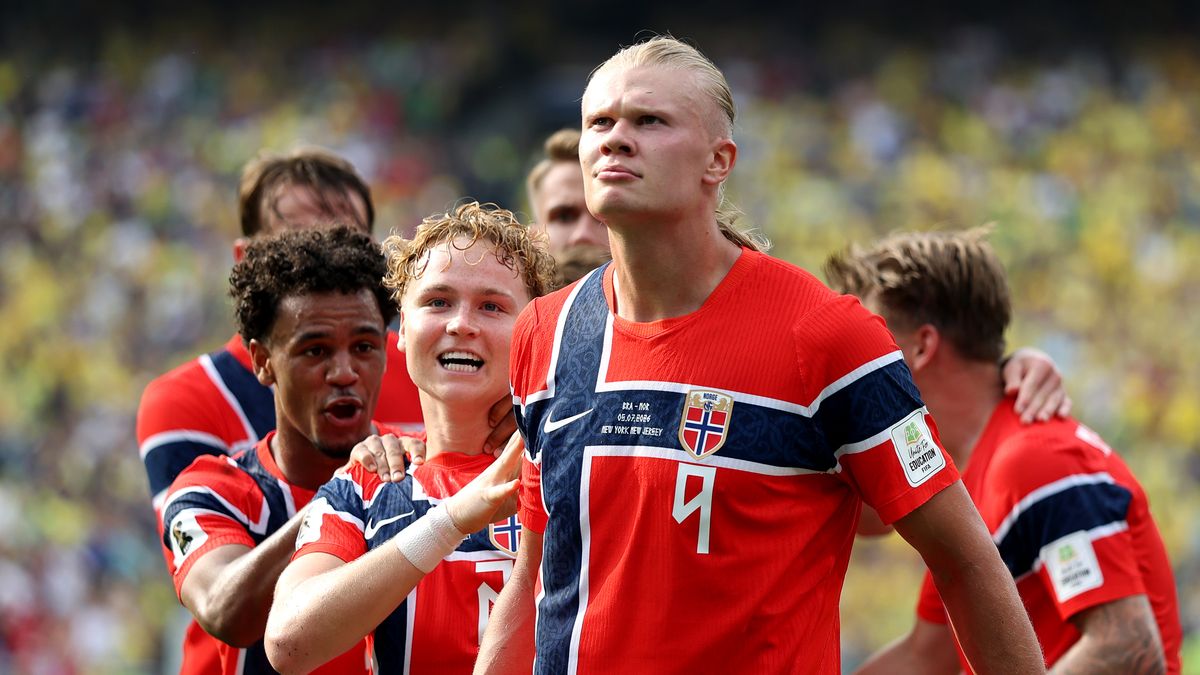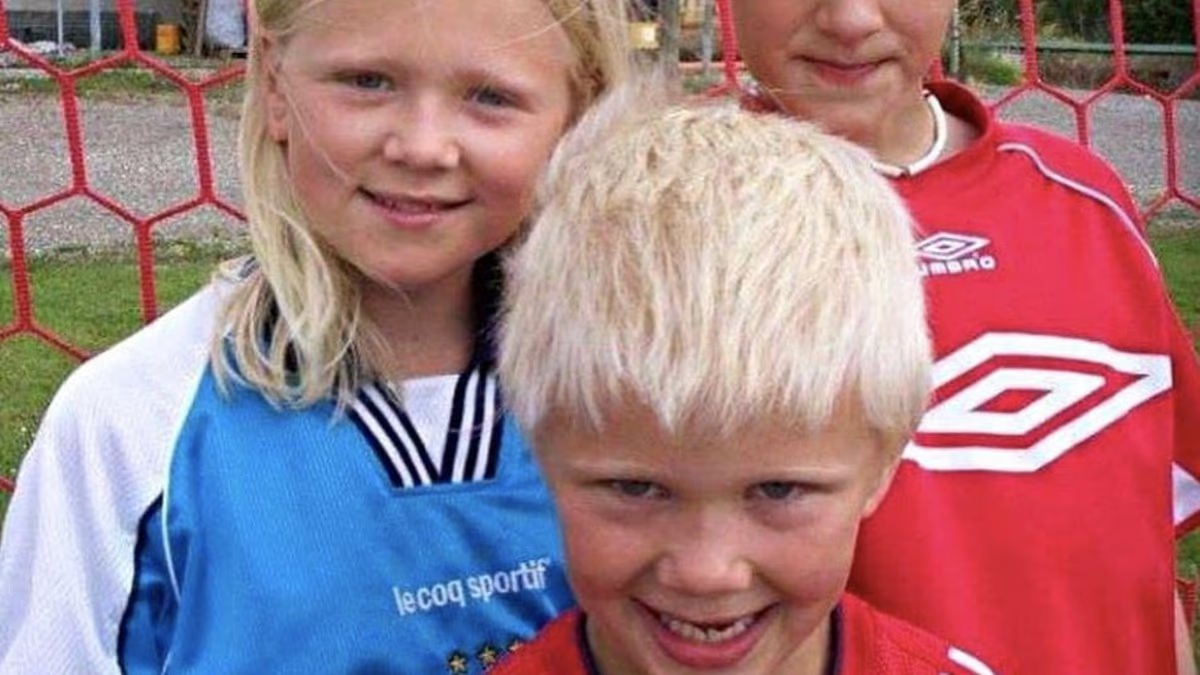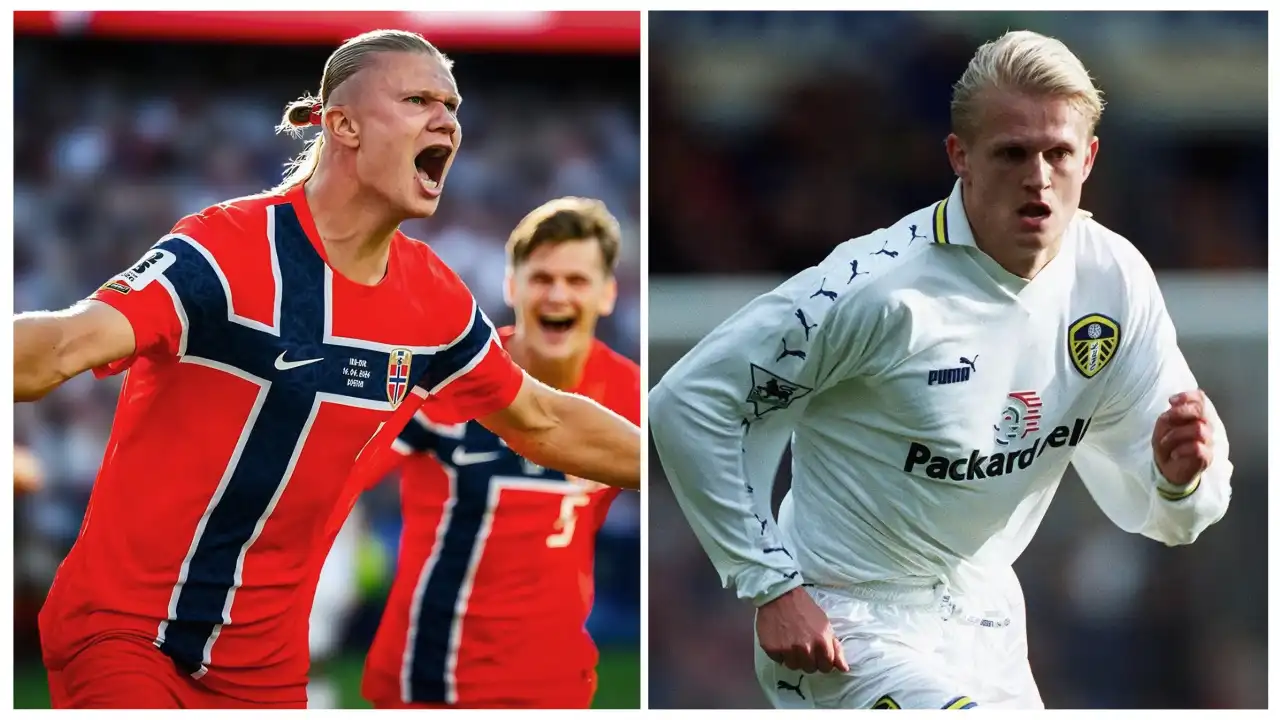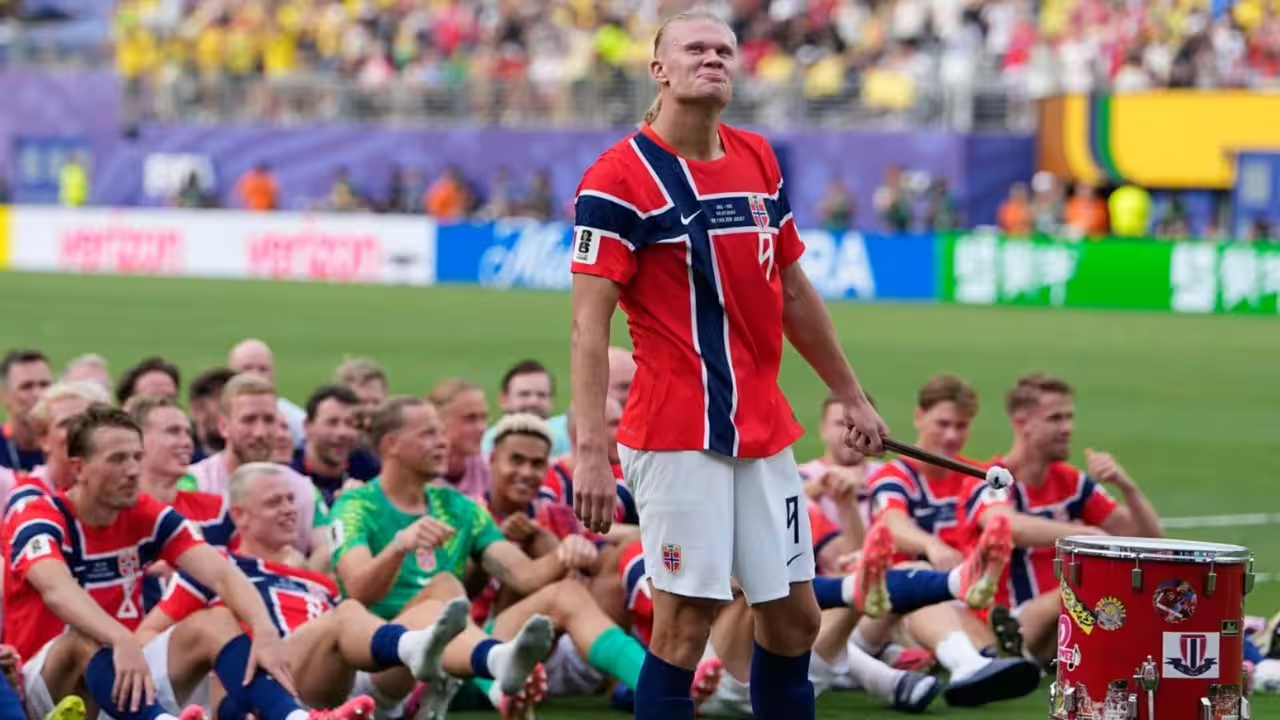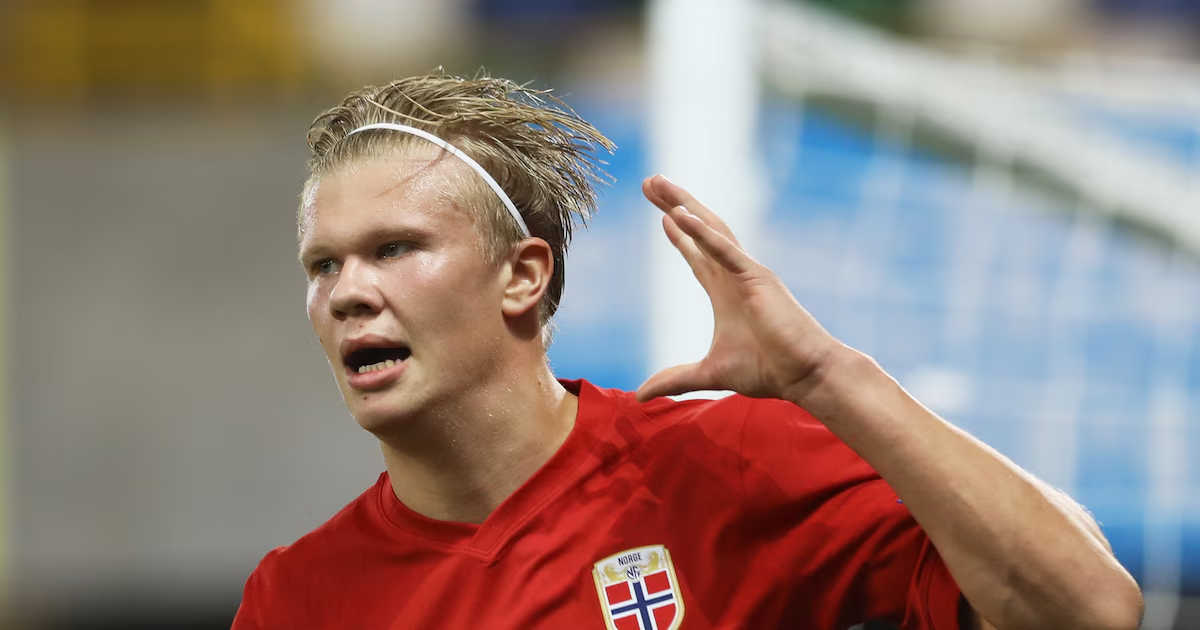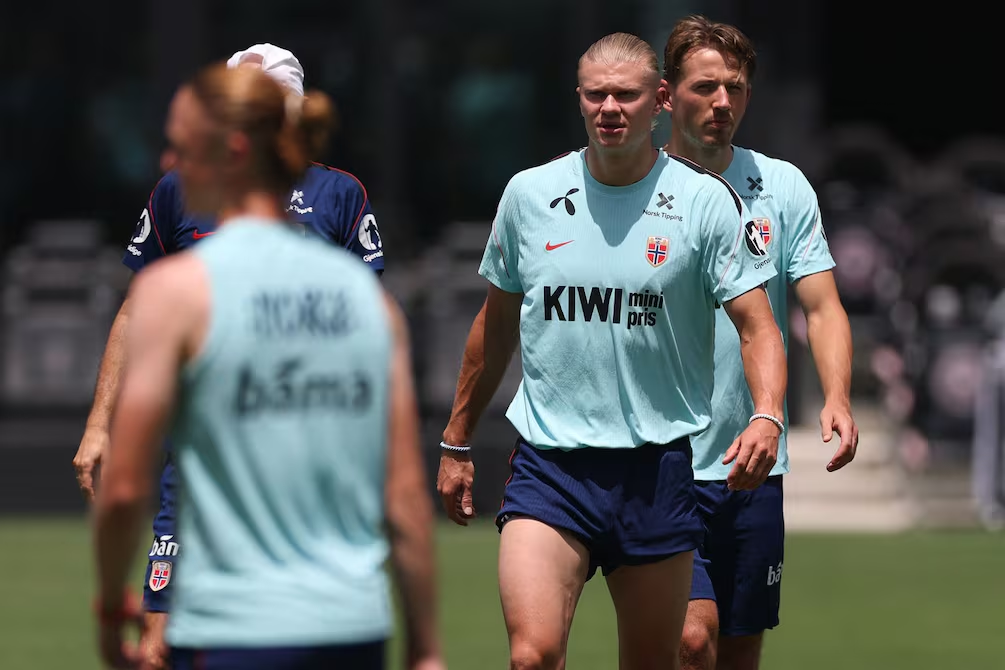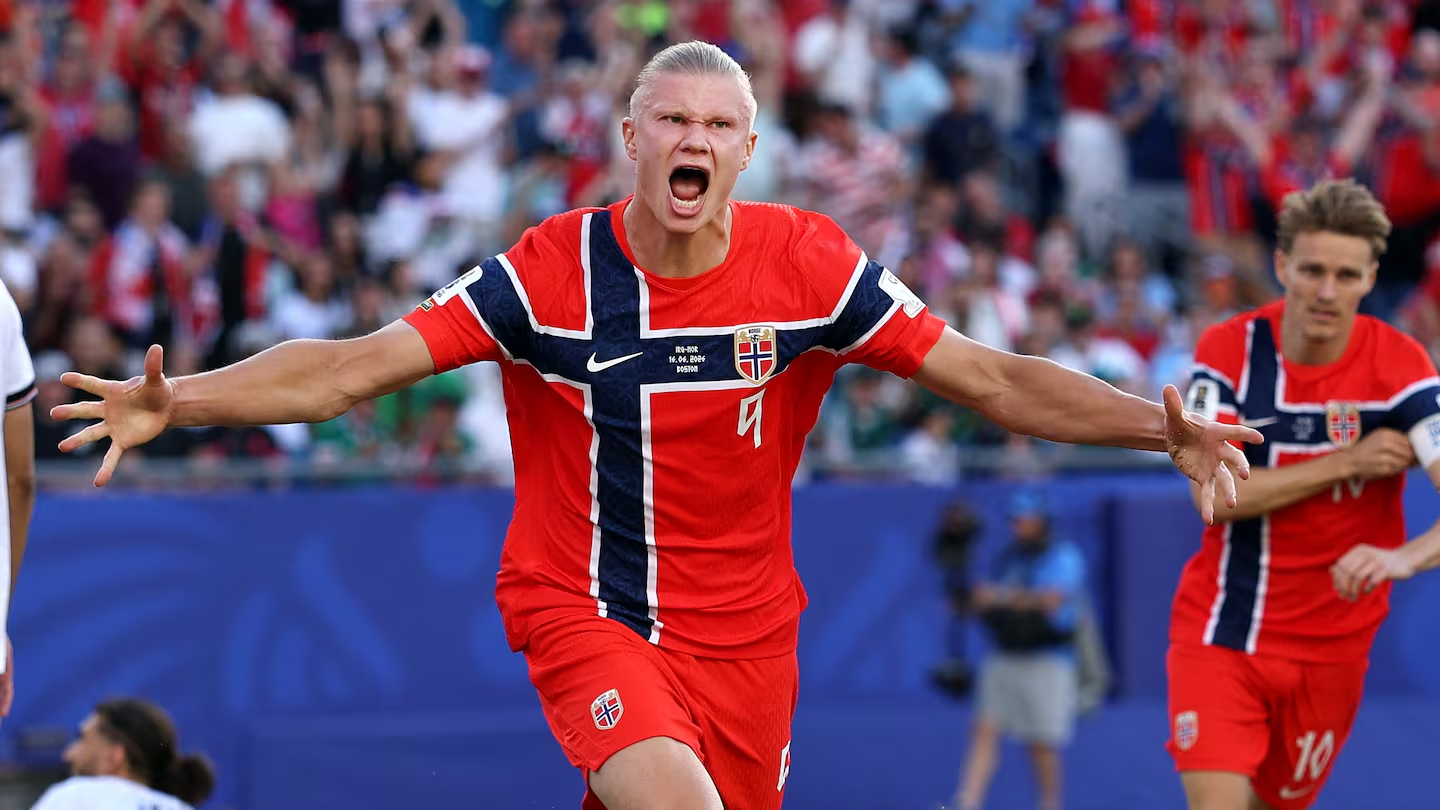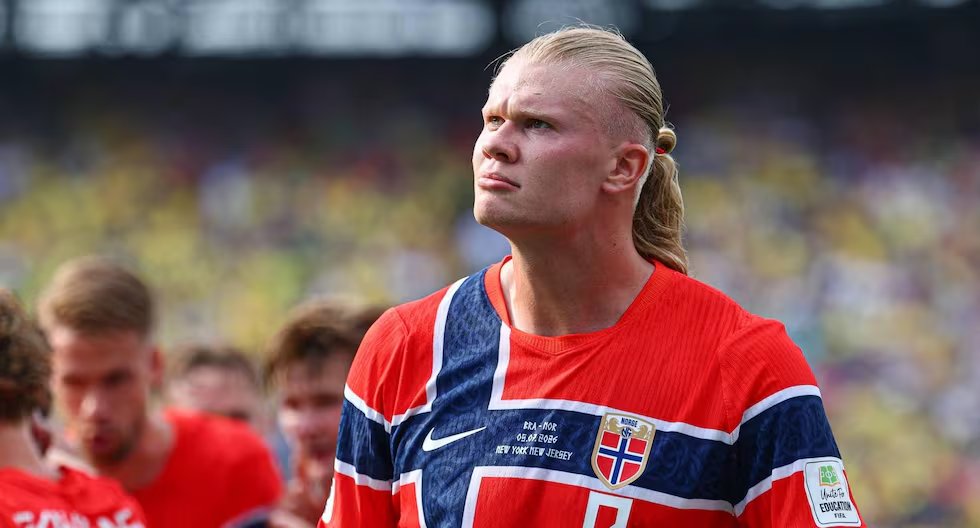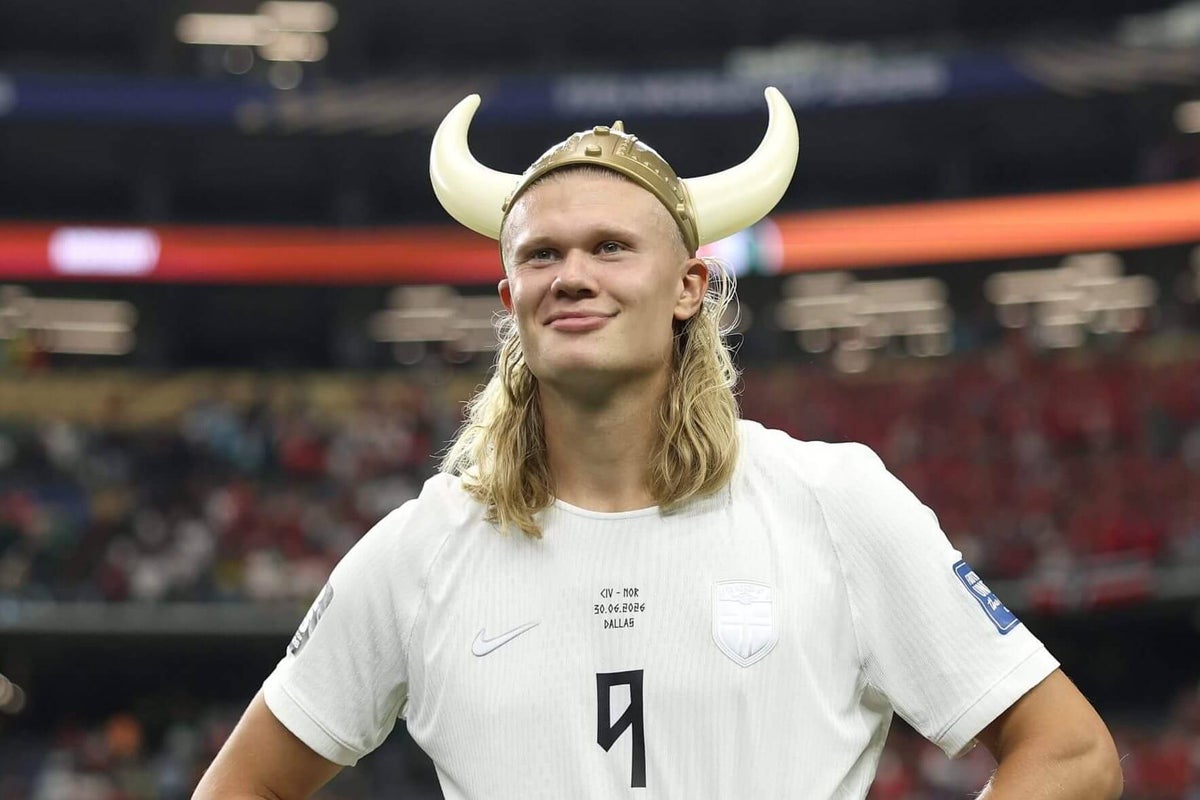
The big decision Erling Haaland would have to make was set out for him when he was a child.As Haaland spent the first three to four years of his life in England, the family would speak English during the day and Norwegian in the evenings.That’s right. Norway’s talisman, the man looking to dump England out of the World Cup quarter-finals later today, was born in Leeds, West Yorkshire. His father, Alfie, was a professional footballer too, and had recently completed a transfer from Leeds United to Manchester City when his youngest son was born on July 21, 2000.Get free access to the most comprehensive World Cup coverage in The Athletic appHaaland senior would retire in July 2003 through injury and the family eventually returned to their homeland, living in the south-western town of Bryne. It is one of Haaland’s youth coaches at local club Bryne, Alf Ingve Berntsen, who tells The Athletic about the striker’s bilingual start to life.Haaland’s father, Alfie, playing for Manchester City against Manchester United (Mark Leech/Offside via Getty Images)“When you are three or four years old and you are used to speaking English in the daytime, but Norwegian in the evenings, then you go back home to Norway, it’s all about the Norwegian language,” he says. “You are in kindergarten, and then in school. It would be different if he had come back to Norway when he was seven or eight. He would be more English.”Haaland directly answered the question of Norway vs England in 2023.Speaking to Goal.com, he said: “I lived here (in the UK) for three and a half to four years, and I lived in Norway for such a long time, so then it was natural to choose Norway.“You never know how it would be if maybe my father played longer in England or whatever. Maybe I would be English, I don’t know, but I’m Norwegian and I’m proud of it.”Can you imagine Haaland starting alongside Harry Kane in attack for England in Miami tonight?Haaland, in theory, could have played for England alongside Harry Kane and Jude Bellingham (Richard Pelham/Getty Images)But it was not to be.Haaland’s heritage is Norwegian; he grew up in Norway, made lifelong friends in Norway and developed as a footballer in Norway. You could see how much he relished banging the drum in the ‘Viking Row’ celebrations after his two goals to beat Brazil in the World Cup’s round of 16.Berntsen, who coached Haaland between the ages of eight and 15, says: “His mum and dad are Norwegian, he left England when he was three or four, his grandparents and cousins, brother and sister, all of them are Norwegian. So it was theoretically possible (for him to play for England), but not in reality.”Norway may have looked like the obvious destination for Haaland, but he would not have been the first player to have their head turned by another eligible nation.The Football Association, the governing body of the sport in England, has to be alive to opportunities like this.How to pronounce Norwegian player namesReuben Pinder and Joe CrisalliIn 2020, as Haaland was making a name for himself at German club Borussia Dortmund, Gareth Southgate, England’s head coach, was asked about the striker. He said: “Obviously at the younger age groups, that wouldn’t have been on my radar because, when he broke into first-team football, he was pretty much already in the Norwegian youth system.“We recruit early, but we wouldn’t have been into him when he was still in Yorkshire, that’s for sure. We’re always trying to monitor those cases, but he was tied up pretty early by Norway, and with players like him, they’re quite clear where they want to play as well.“He feels that allegiance to the country he’s playing for now and you’re always very respectful of that.”A former England youth coach, speaking anonymously to protect relationships, was asked by The Athletic if a serious approach was ever made.“No,” the coach, who worked with the FA around the time Haaland was emerging as a teenager for Norway, said. “We were never getting him. That wasn’t going to happen. They were who his dad had played for, and that was what his ambition was.”He added: “There was no point in even trying. It was sort of tongue-in-cheek, but never on a serious level, because we come across a lot of players at those ages who you could potentially get.”Another FA source, who worked in talent identification, acknowledged Haaland did not seriously come onto their radar until he was around 17.The more digging you do on this subject, the more obvious it is that England never really stood a chance once Haaland had returned to Norway so young. He has, though, always reflected on and embraced those English roots.Berntsen said: “He was proud of all his (father’s) former clubs: Nottingham Forest, Leeds and (Manchester) City. All three have been part of Erling’s history, and Leeds is special since he was born there.”Alf-Inge Haaland tackles Arsenal’s Dennis Bergkamp in 1998, during a game Leeds lost 3-1 (Ben Radford/Allsport)In a piece he wrote for The Athletic last month, Michael Vigrestad, one of Haaland’s junior-level team-mates and friends in Bryne, recalled how the forward would wear City or Leeds shirts when they played together at weekends.Today, as one of the highest-profile footballers in the world game and City’s star player, Haaland has grown too shrewd to pin his colours to any one mast. However, in 2017, when he was 16, he was quoted by Aftenposten, a Norwegian newspaper, as saying: “I want to be the best (footballer) possible.“The dream is to win the Premier League with Leeds. In addition, the goal is to become a better player than my dad was. I hope to get more caps than he did.”He’s become more coy about his links to the Yorkshire city since then.Former Leeds player Stuart Dallas has told how Haaland whispered, “Marching on together”, the title of the club’s long-time fan anthem, in his ear as the pair swapped shirts after an international game between Norway and his Northern Ireland side.In 2000, two Leeds supporters were murdered in the Turkish city of Istanbul on the eve of a UEFA Cup (now Europa League) semi-final first leg meeting with Galatasaray. In January this year, Haaland scored against Galatasaray for City in the Champions League. As he celebrated the goal, Haaland momentarily put a clenched fist across his chest in front of the opposition supporters. It looked every inch the salute Leeds fans hold dear around the world.In 2018, when he was with Norwegian side Molde, Leeds tried to bring Haaland back to his hometown club. He was given a tour of their Elland Road stadium and the training ground, but Red Bull Salzburg of Austria ultimately blew them out of the water with their offer.Haaland was born in England, took his first steps in England, treasures English clubs and plays for a club in England, but he has become Norway’s best chance of dumping England out of this World Cup.
World Cup star Erling Haaland was born in Leeds, how close was he to playing for England?
He was born in Leeds, spent the first years of his life there, and plays for an English club. Could it have been different for Haaland?
1,170 words~5 min read