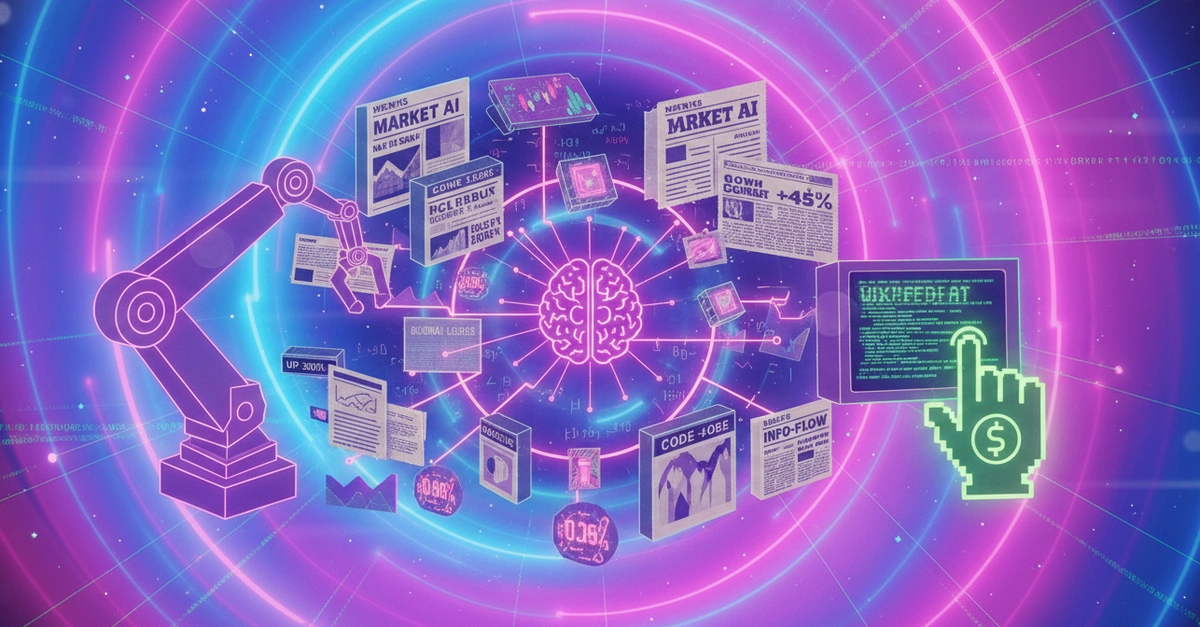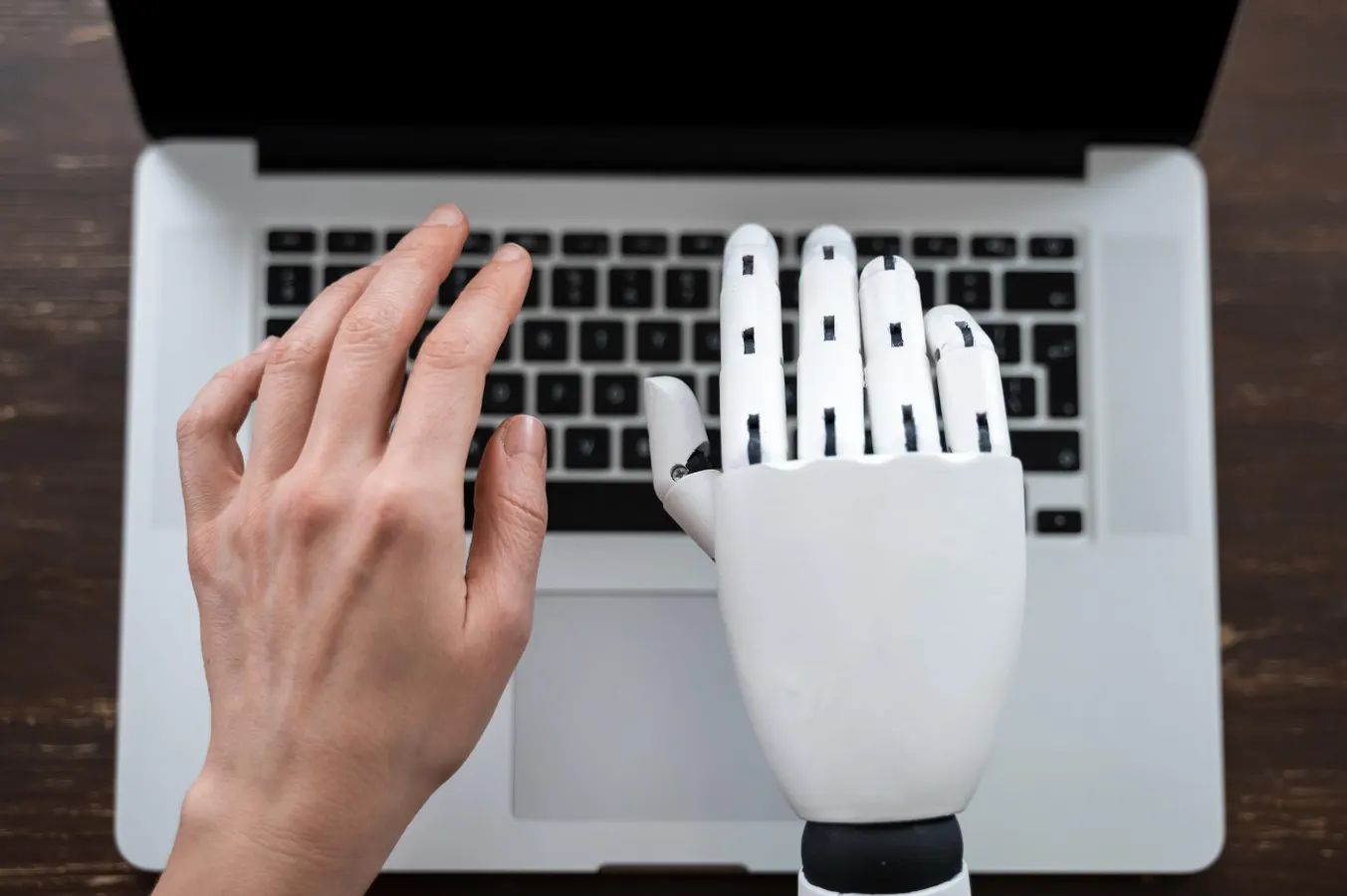
AI changes the cost structure of public work. Code, summaries, tests, listings, translations, and operational decisions are becoming easier to produce. That is good. It also means that the scarce signal may move from "who can write the artifact" to "who actually participated, what did they do, what evidence exists, and what responsibility did they accept?"
This is the design question behind WebAZ: how can a protocol make real participation verifiable for humans and future AI agents without turning contribution records into a global identity trap?
The naive answer is to bind every action to a single strong identity. That is tempting because it makes abuse and attribution easier to reason about. It is also dangerous. Vitalik's recent writing on ZK-wrapped identity makes the core problem clear: even when zero-knowledge proofs hide legal details, a one-person-one-identity system can still reduce practical pseudonymity, create coercion risks, and push people toward a single public life. AI makes the problem sharper because writing style, timing, topic selection, social graph, and workflow traces all become easier to correlate.
Contribution systems face the same trap. If the future of work is agent-assisted, then many valuable actions will happen through mediated workflows: a human asks an agent to inspect an issue, draft a patch, compare an order state, prepare a listing, or check a policy. Some of those actions should become durable records. But if every record becomes globally linkable by default, the contribution layer starts to look less like public memory and more like surveillance.