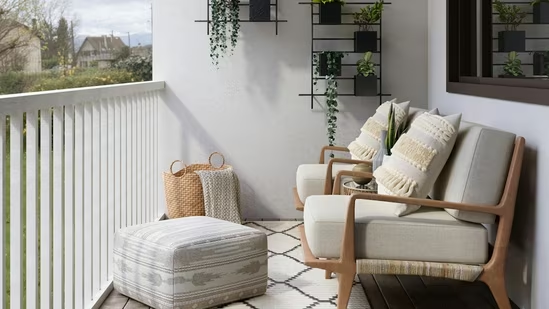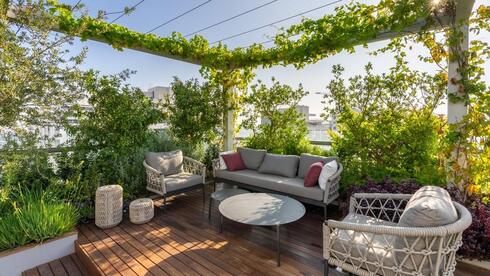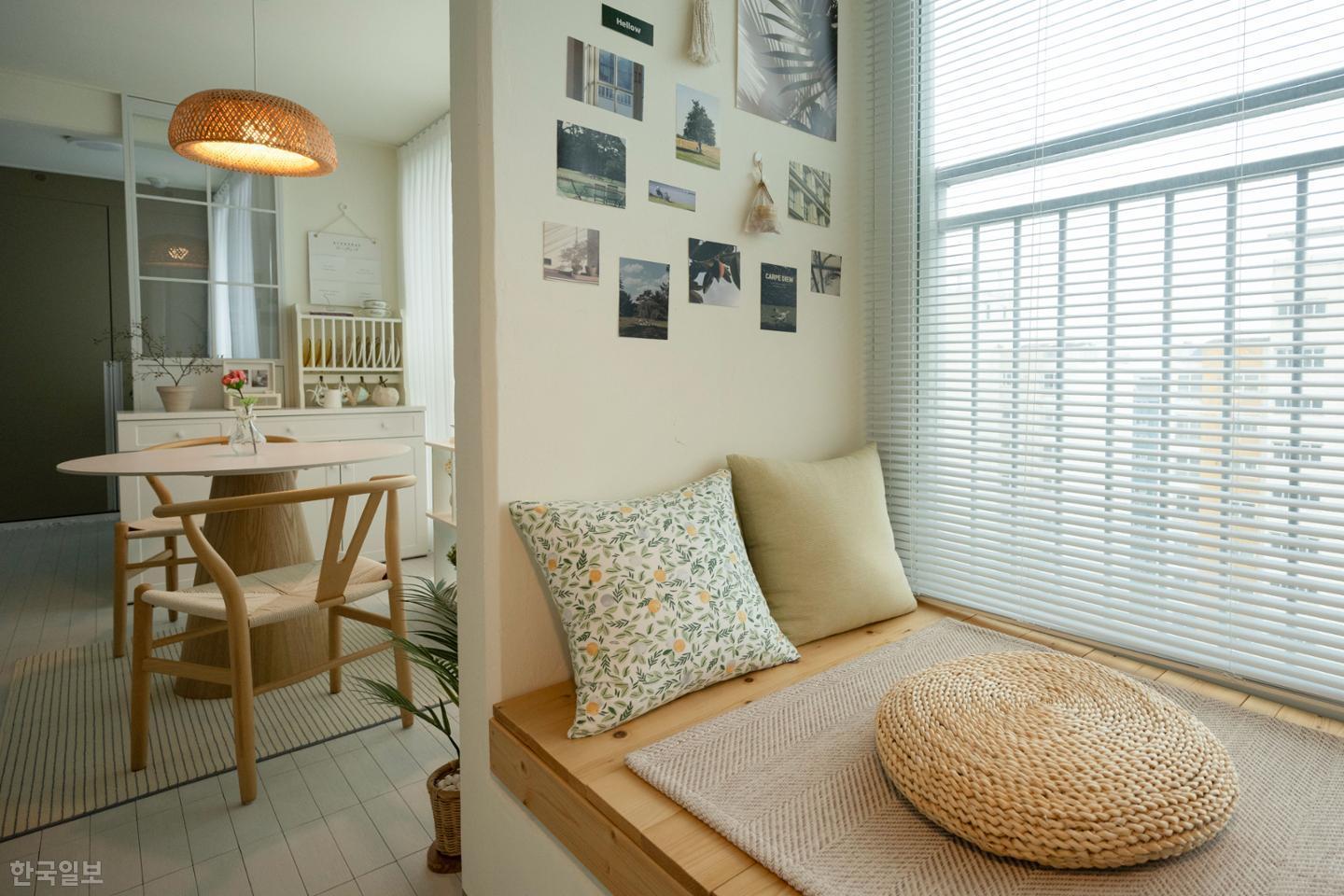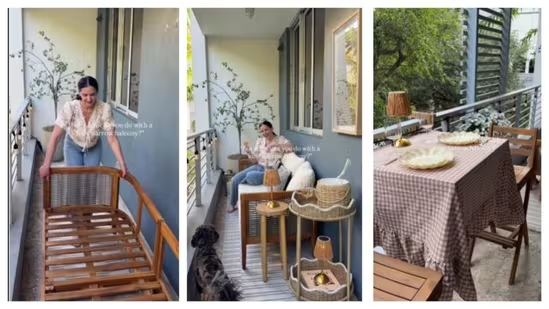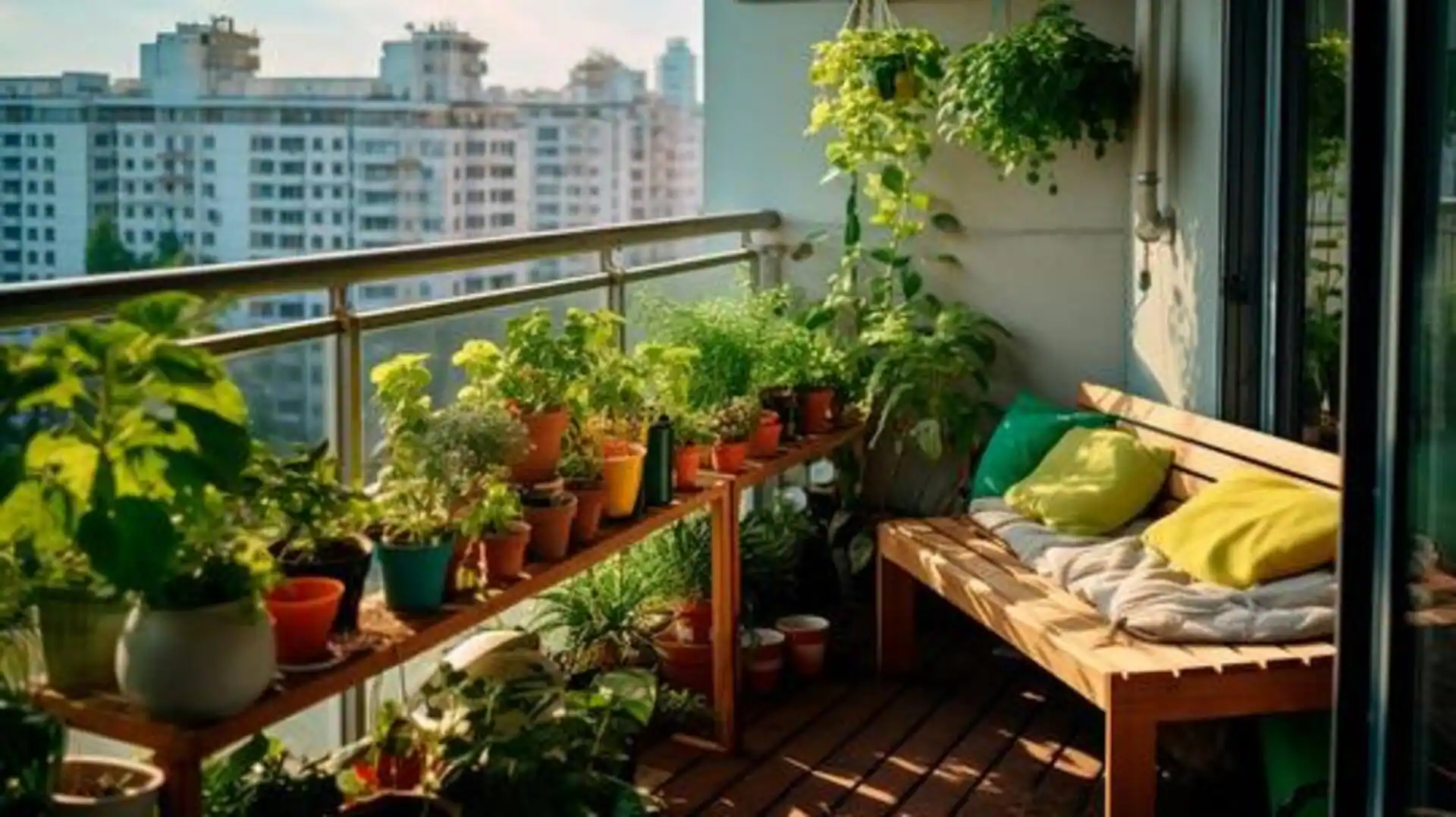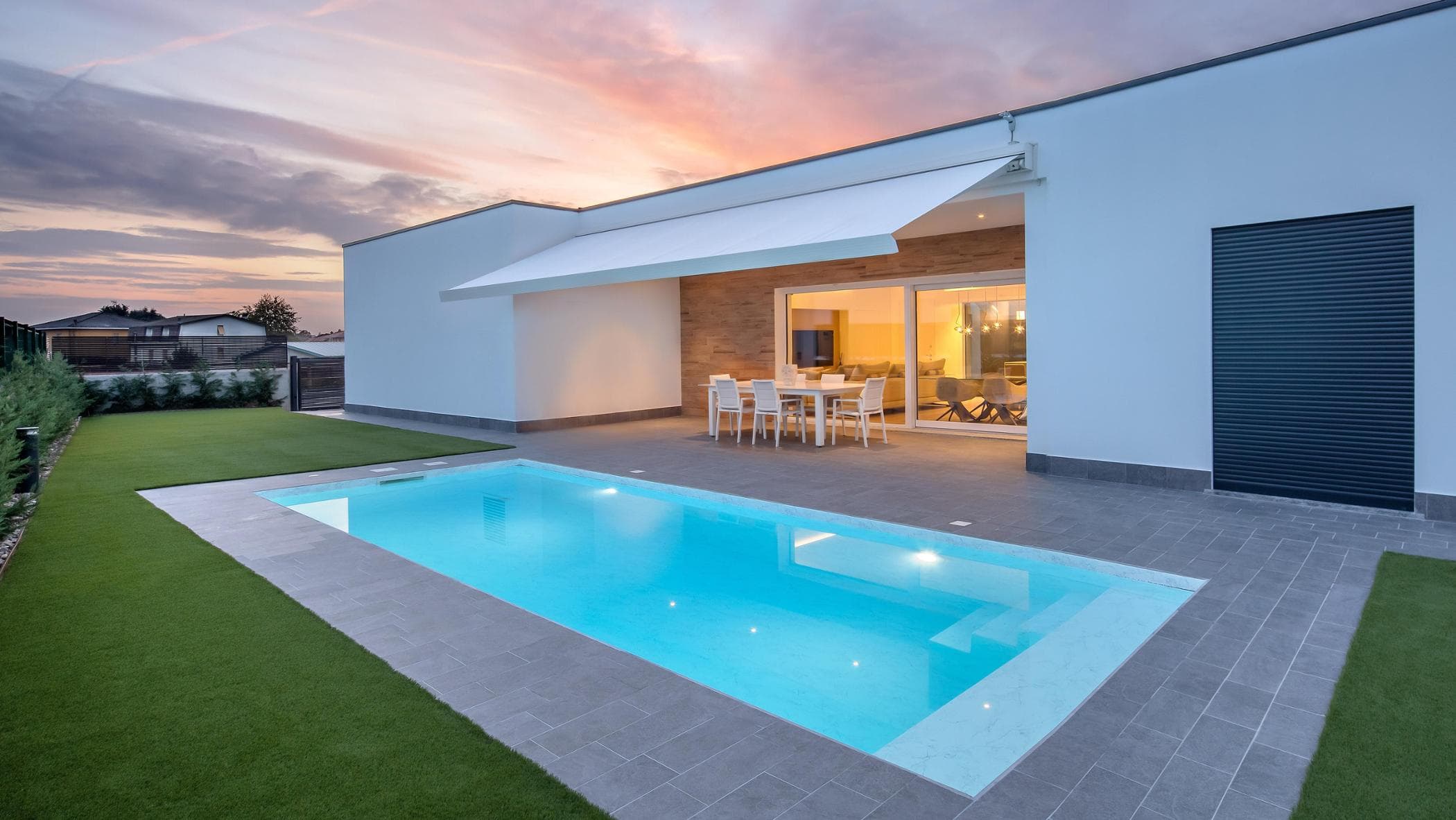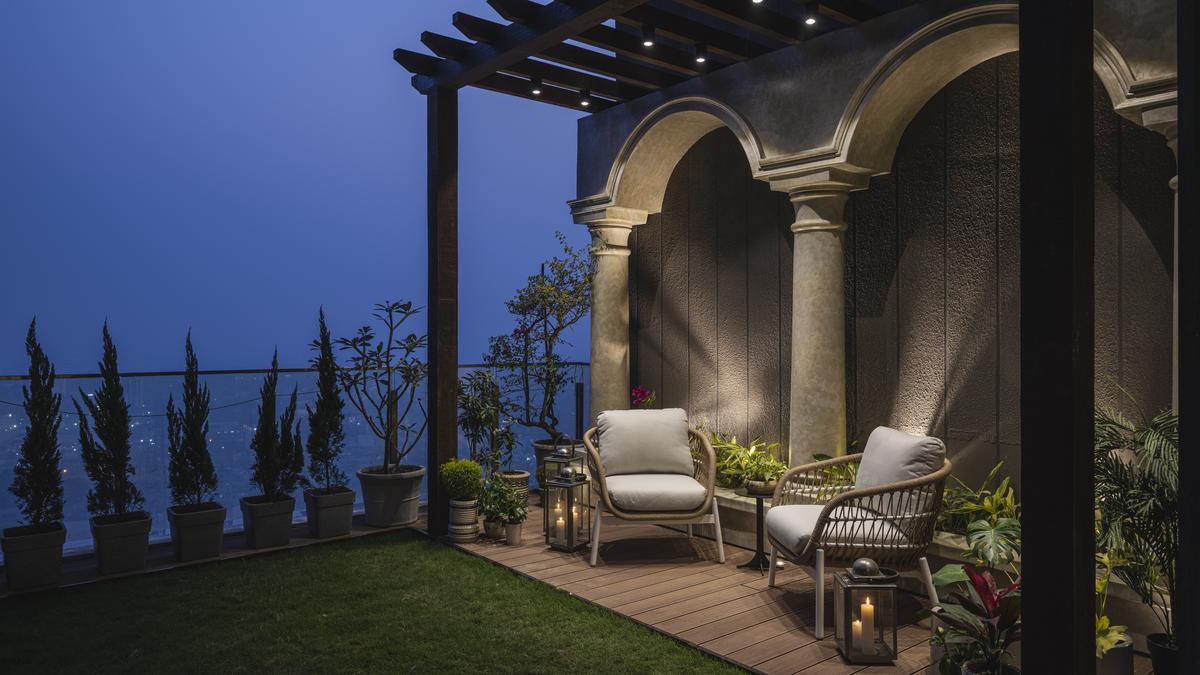
If someone mentioned the word balcony a decade ago, it would often be synonymous with the ‘extra’ space used to dry clothes, have some plants and more often store things that you would not discard in a hurry! Traditionally, balconies and patios were always treated as secondary spaces within a home; used only occasionally and designed solely to bring in light and ventilation. But today, especially after the COVID-19 pandemic, our relationship with these spaces has changed quite significantly. For many people living in high-rises or dense urban environments, the balcony has become an important connection to openness, light, air and nature.“Increasingly, people want it to support their everyday lives, whether that means having their morning coffee there, reading, working for a few hours, entertaining, or simply stepping outside for a moment,” says Anju Mukhi Mistri, principal designer, Open Atelier, a Mumbai-based design studio.Mistri adds, “Clients nowadays come to us with more clarity. This shift is influencing how we think about patio and balcony design elements in terms of functionality, planning, layout, furniture and lighting.”Climate responsiveHomeowners today are meticulously investing in creating balconies and patios that can feel like an extra room, offering light, fresh air, greenery, and flexibility while staying closely connected to the home.“Large sliding doors, folding glazing systems, and smart material choices are helping to blur the line between the inside and outside,” says Anika Mittal Dhawan, founder director of Mold Design Studio, a New Delhi-based architecture and interiors practice.These balconies carry forward the architectural and material language of the home through repeated finishes such as terracotta roof tiles, timber ceilings, earthy plastered walls, and tonal flooring patterns, creating a seamless dialogue between indoors and outdoors. Dhawan also adds that another key trend is the meaningful integration of greenery. Edible gardens, layered planting, and climate-friendly landscaping are gaining popularity as people look for healthier, more sustainable lifestyles.Weather-friendly natural materials like wood, cane and textured fabrics are in vogue. Further, wicker, teak and powder-coated metal remain popular because they are durable yet inviting.“Terracotta, checkerboard tiles, plaster finishes, and handcrafted ceramic planters add warmth, texture, and a lived-in authenticity while maintaining visual continuity with the interiors,” says Divya Khullar, co-founder and principal designer, 1405 Design Studio, a multidisciplinary design practice located in Chennai.Khullar adds, “Cane and woven chairs, compact café-style seating, wooden swings, and low lounge arrangements work fabulously for an effortless informality while retaining elegance.”Along with layered greenery, natural materials and softer lighting, smaller water elements, whether in the form of compact fountains, water bowls, or subtle water walls, are beginning to find their way again into balconies and patios. Especially in urban homes, these elements help soften noise, introduce movement, and create a more calming atmosphere without overwhelming the space.Colour, lighting and moreIn terms of colour, there is a strong preference for earthy and nature-inspired tones like olive, sand, charcoal, and clay. “I personally gravitate towards earthy colour palettes like terracotta, warm greys, muted greens and off-whites, layered with tactile textures like stone, wood, linen, and concrete finishes,” says Siddhina Sakla, architect and founder, The Arch Studio, a Pune-based design firm.
Balcony design trends: How outdoor spaces are becoming extensions of home
Explore evolving balcony design trends that transform outdoor spaces into versatile extensions of home for relaxation and connection.
1,649 words~7 min read