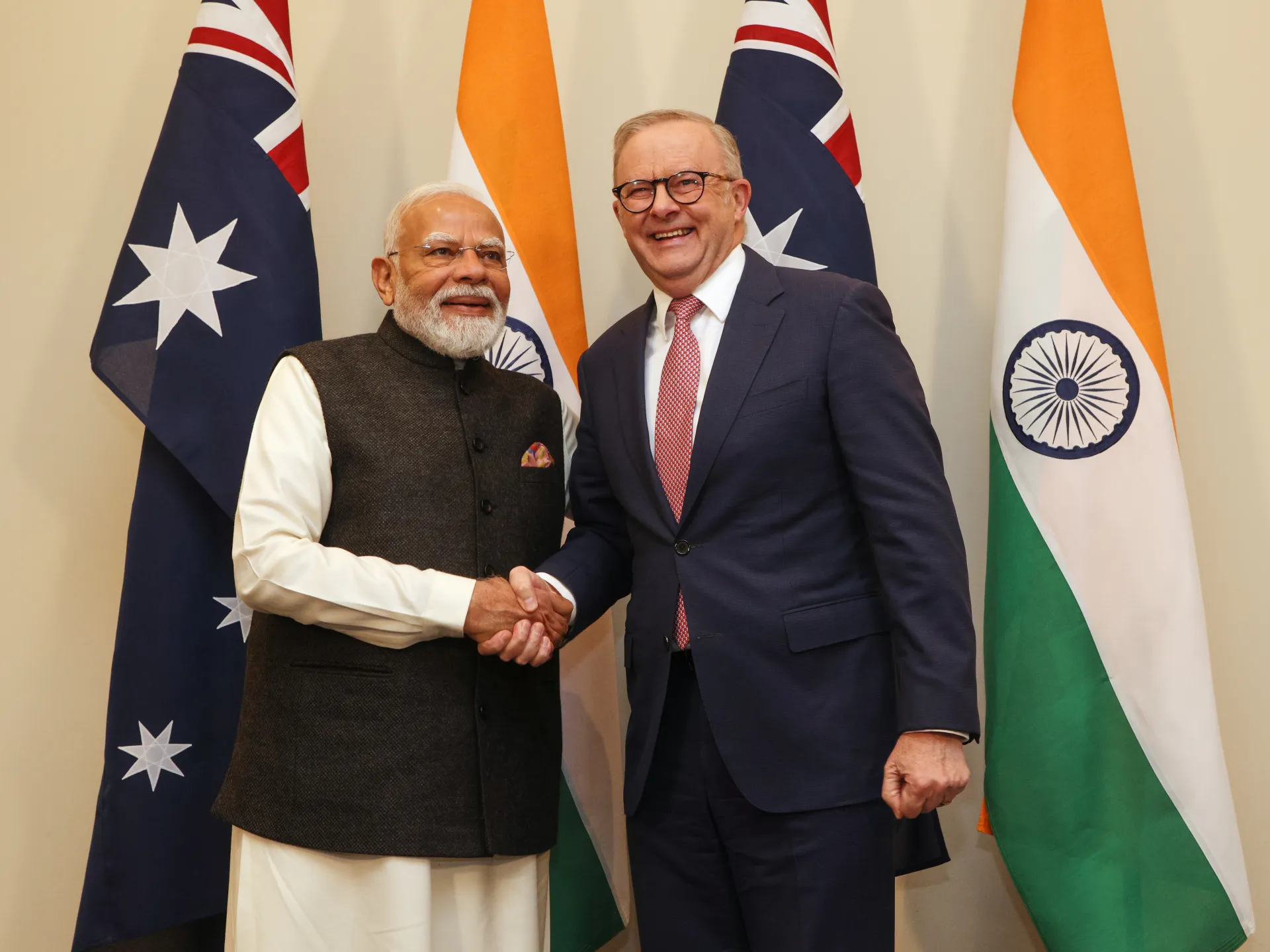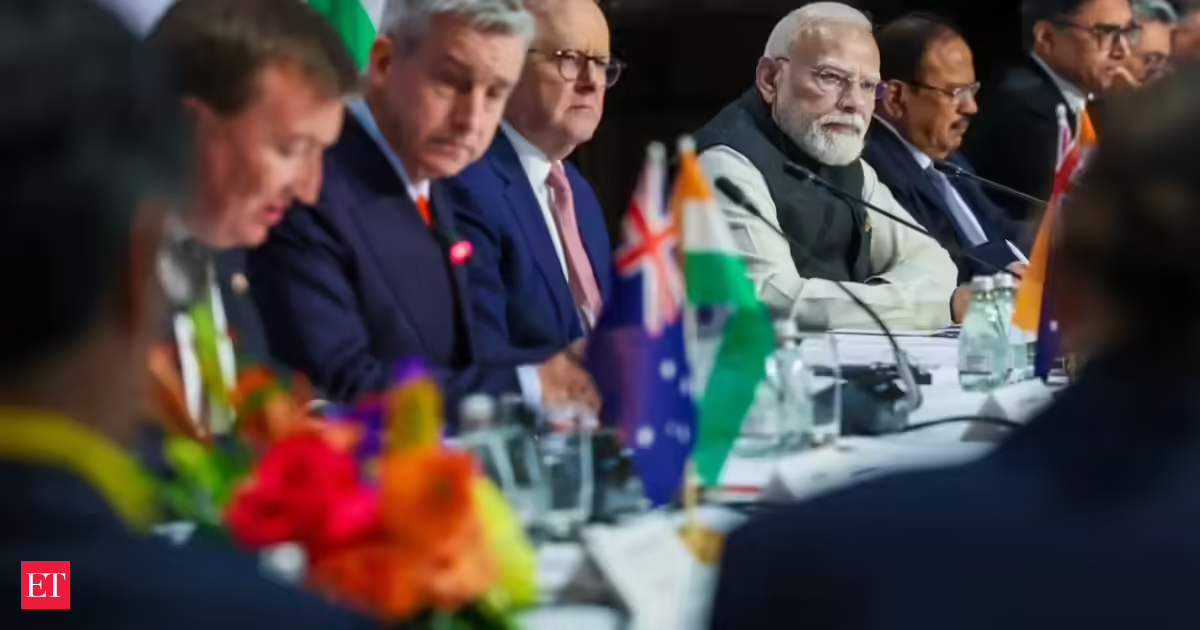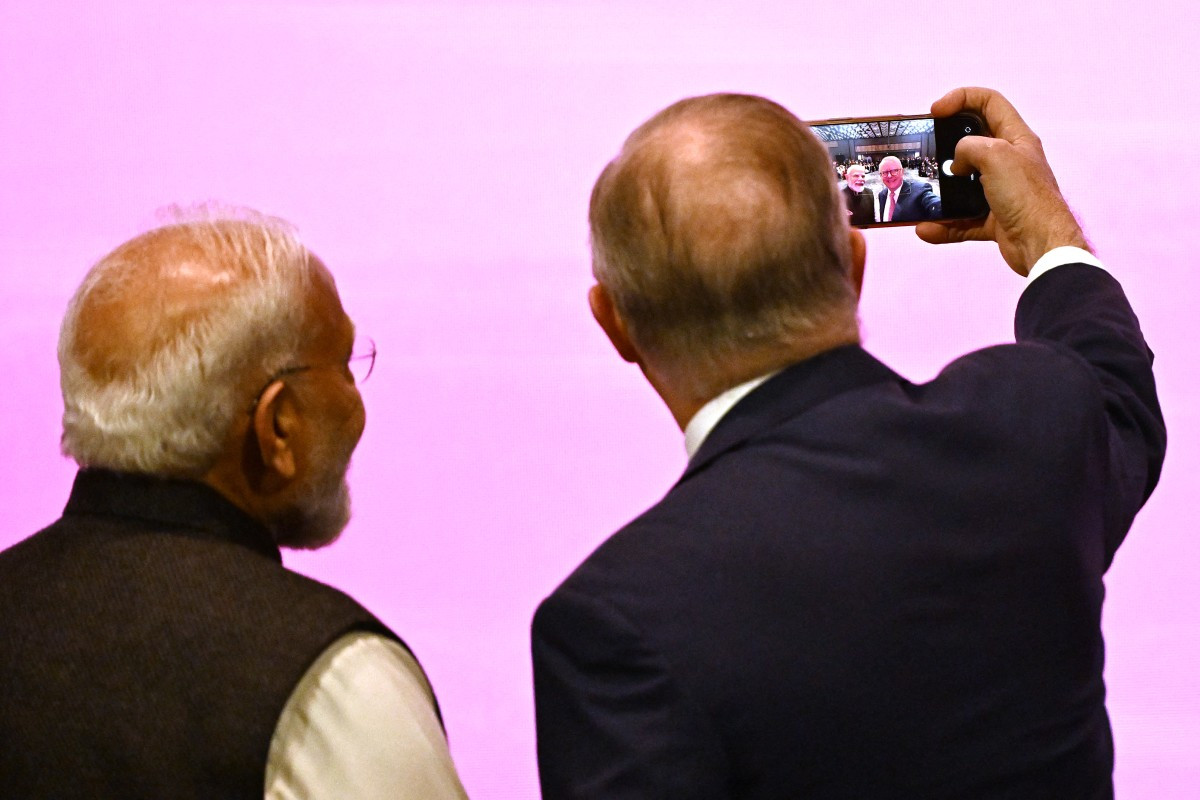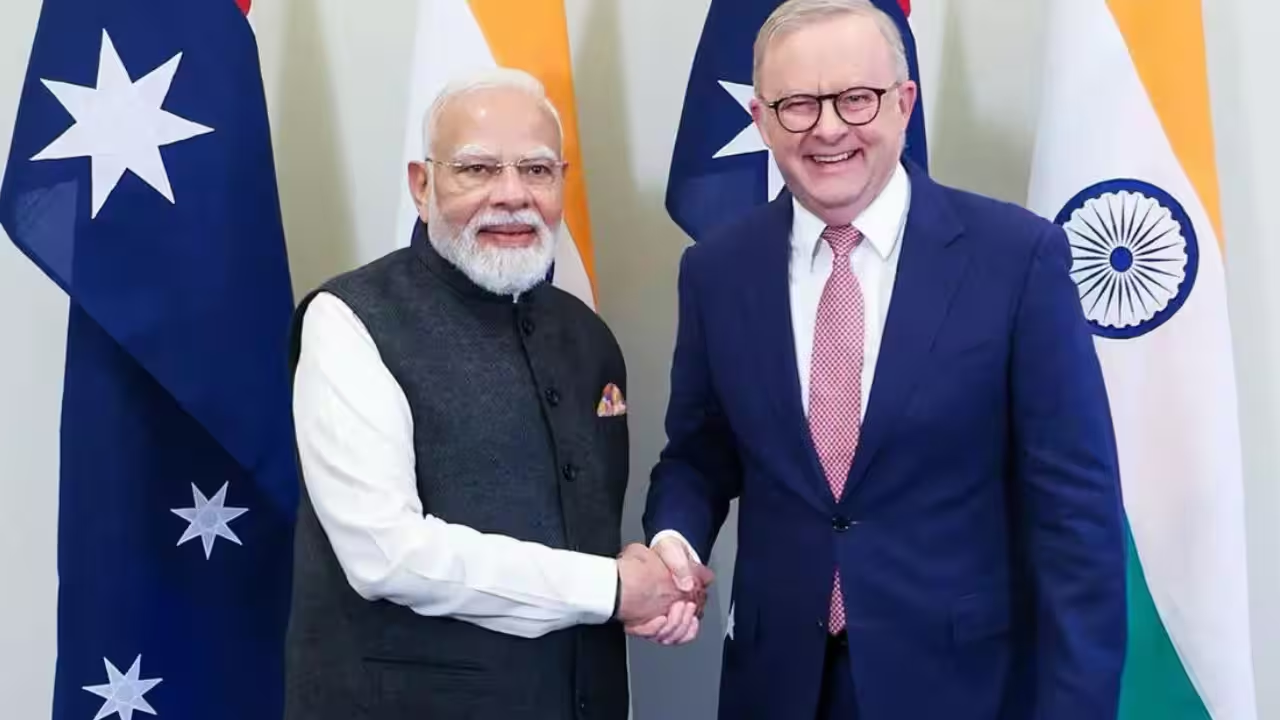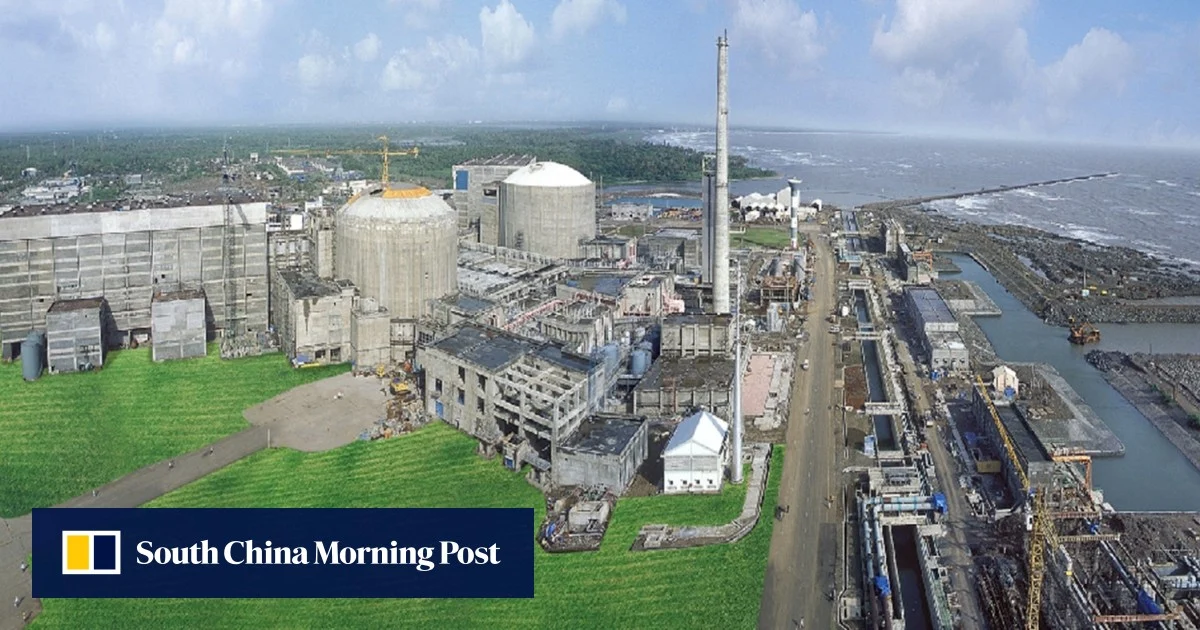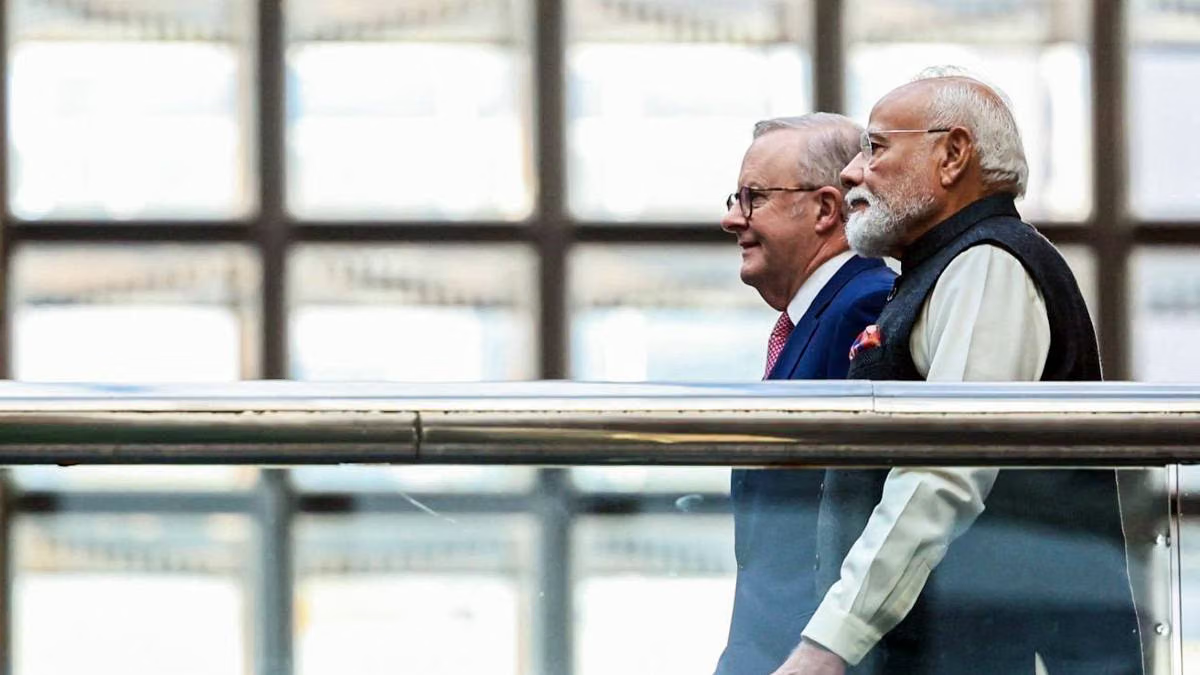
Prime Minister Narendra Modi’s latest visit to Australia has produced an outcome, among others, of considerable strategic consequence: arrangements have now been ironed out to enable Australian uranium exports to India. Australia holds the world’s largest known uranium resources and India has set an ambitious target of achieving 100 GW of nuclear power capacity by 2047. The complementarities are obvious.
Yet the importance of this agreement goes beyond simply purchasing uranium from yet another source. It should also serve as a trigger for understanding the pivotal moment in India’s civil nuclear aspirations, its painstakingly built ecosystem and the government’s seriousness to deliver.India has understood the costs of energy dependence the hard way. Sanctions on oil-exporting countries and more recently continued disruptions in the Strait of Hormuz have left little to the imagination. New Delhi realises the strategic cost of dependence on imported hydrocarbons passing through narrow maritime chokepoints. Part of India’s response has been to diversify suppliers. Another has been to extract greater value from its own coal reserves by encouraging private participation in mining and coal gasification, which converts low-calorific-value Indian coal into syngas that can partly substitute for natural gas. But alongside, India is now also doubling down on nuclear power—a genuine gamechanger.