view more
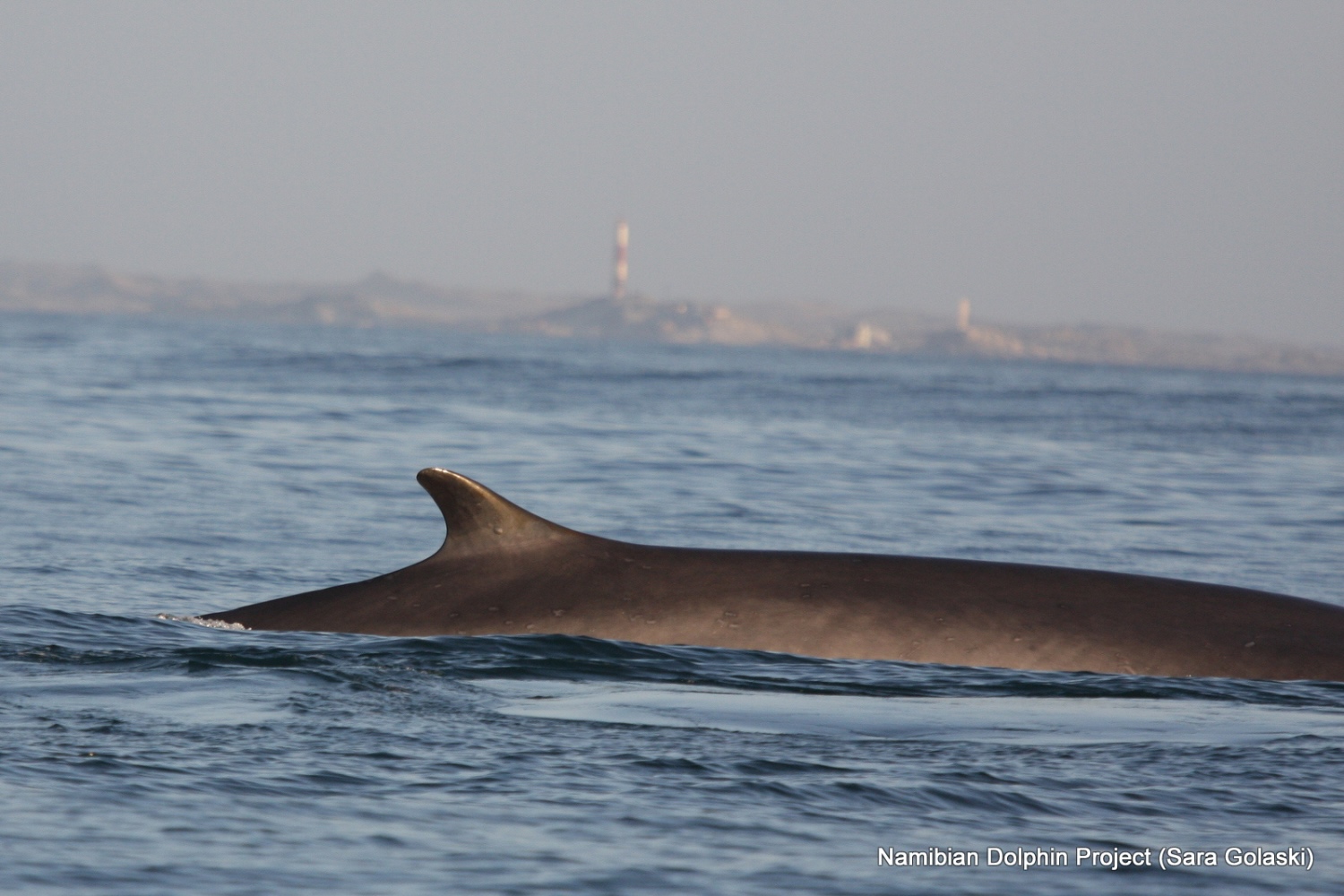
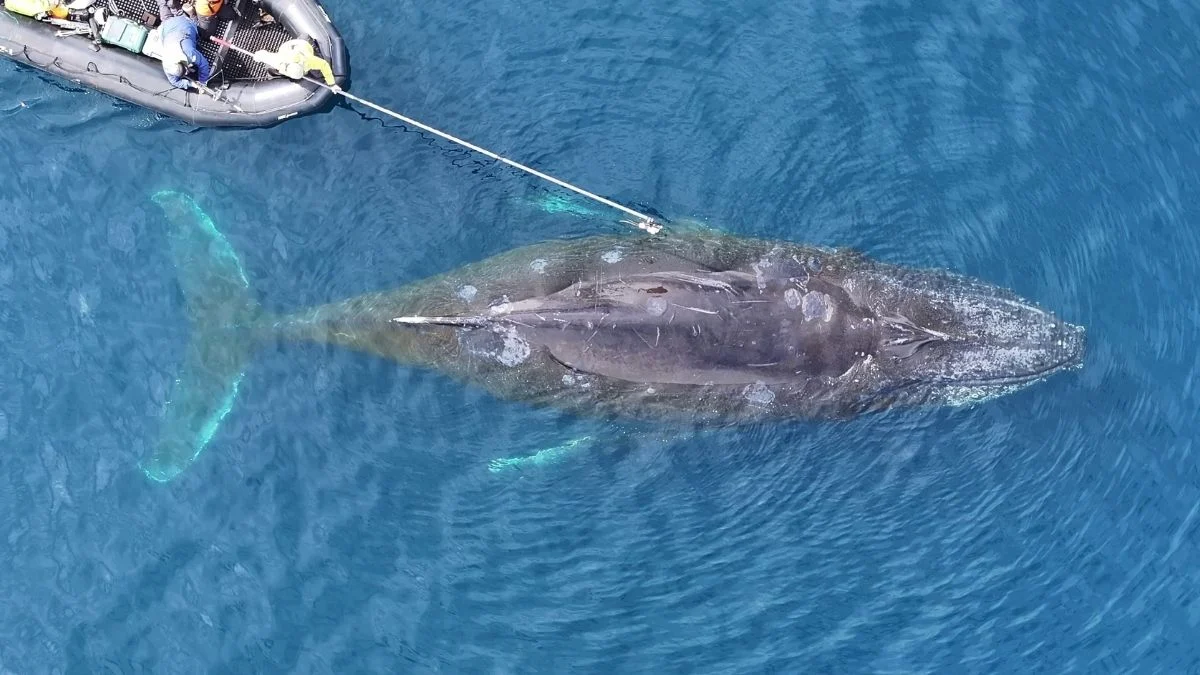
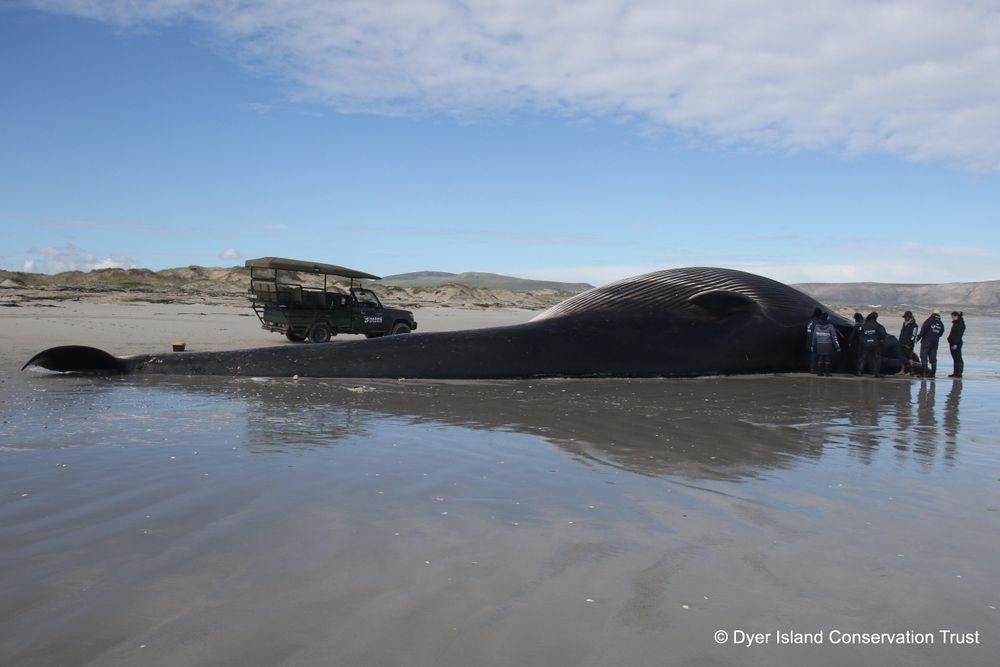
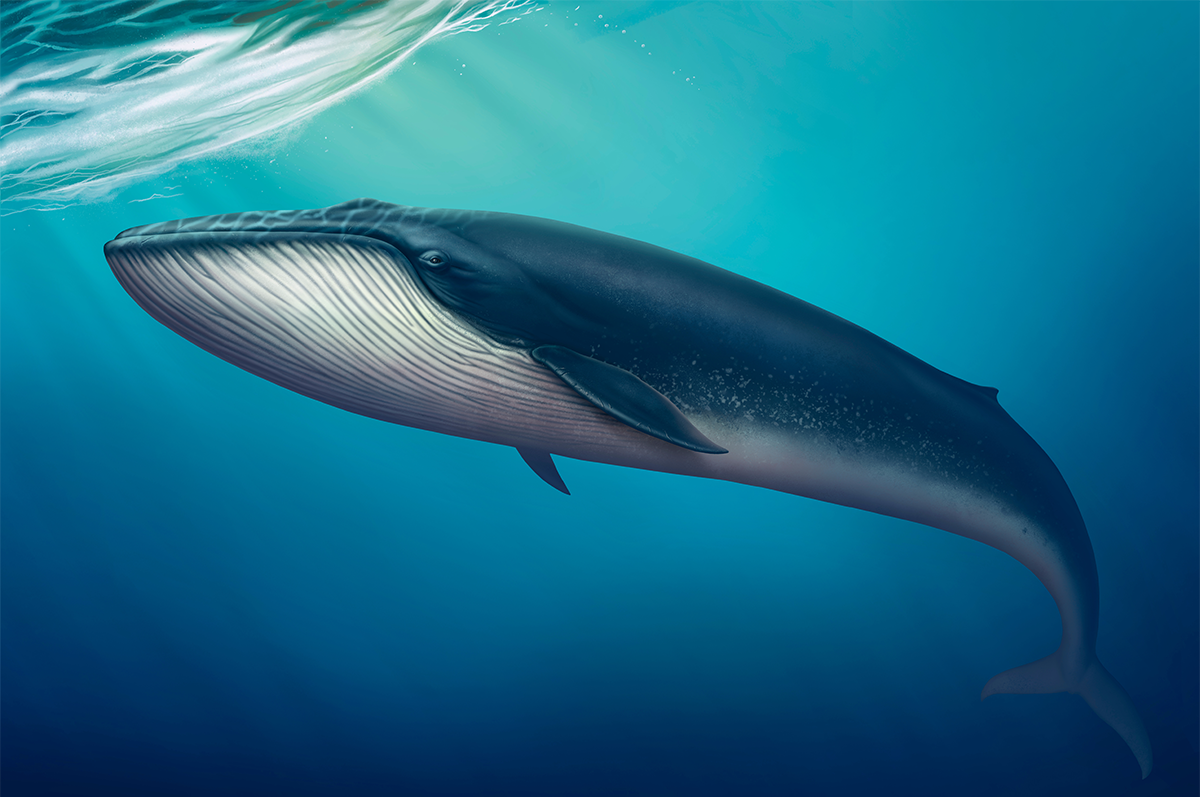
Usually there’s safety in numbers, but it doesn’t always work that way. Fin whales (Balaenoptera physalus) filter-feed on immense shoals of krill, engulfing colossal mouthfuls of water containing up to 144kg of the crustaceans. But then the mighty creatures expel the water by squeezing it out through the racks of baleen lining their mouths. Extraordinarily, hungry fin whales can expel the water in 31s, but Ingrid Ackermann from Stanford University, USA, was puzzled. She explains that 144kg of krill would form a layer 6.3cm deep when spread evenly across the 2.9m2 area of baleen, potentially clogging the gigantic strainer. So how much of an impact might this clogging have on how fast the whales can eject water?
Ackermann and her colleagues, David Cade, Jeremy Goldbogen and Mark Denny from Stanford University publish in Journal of Experimental Biology that krill could pose a serious clogging problem for filter-feeding fin whales, slowing water leaving their mouths to a 0.02m/s dribble unless they can prevent the krill from accumulating on the baleen by maintaining a 15% window clear or keeping the krill afloat in their mouths. Then the whales can expel the water in 31s to keep diving for dinner.