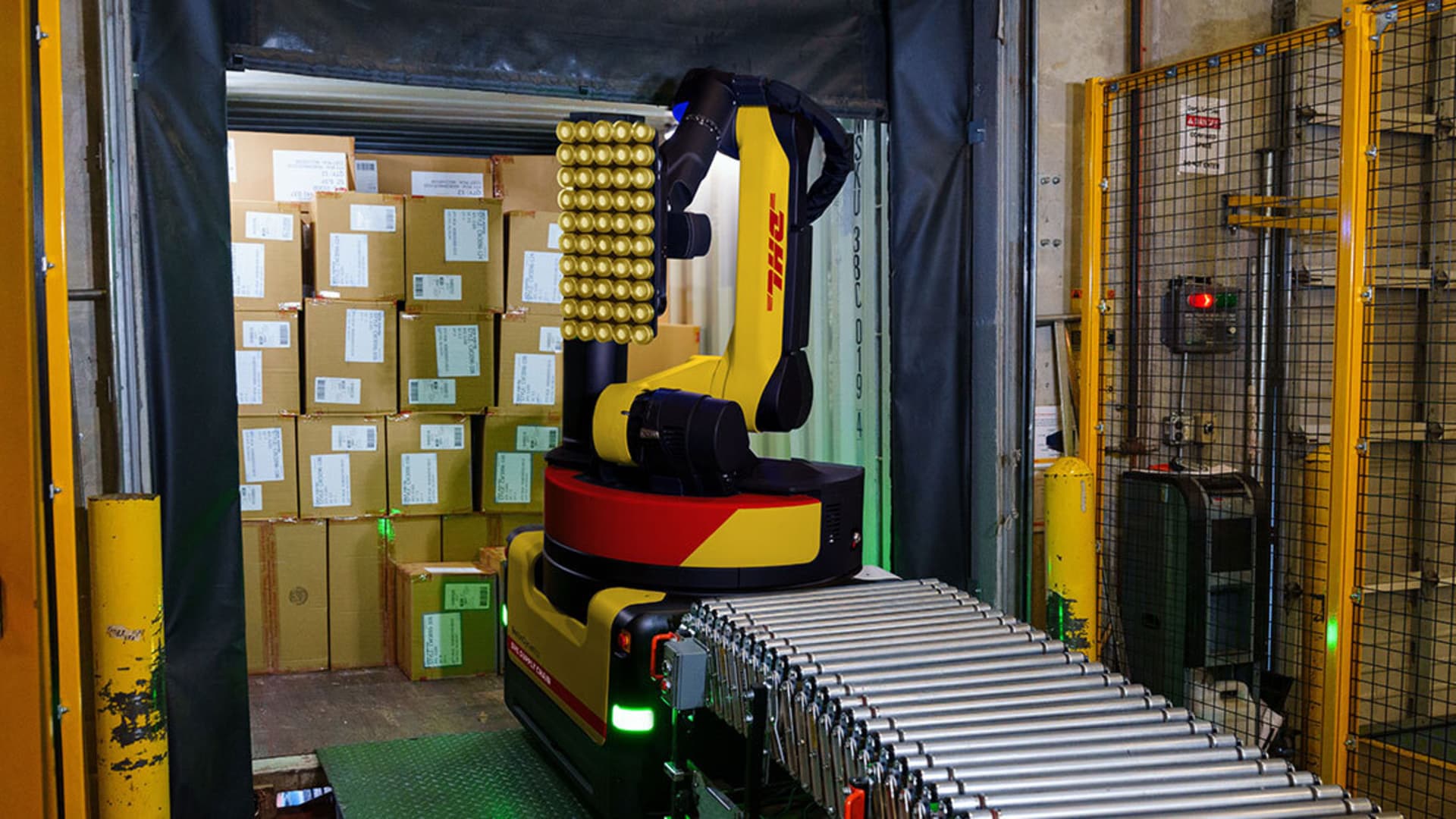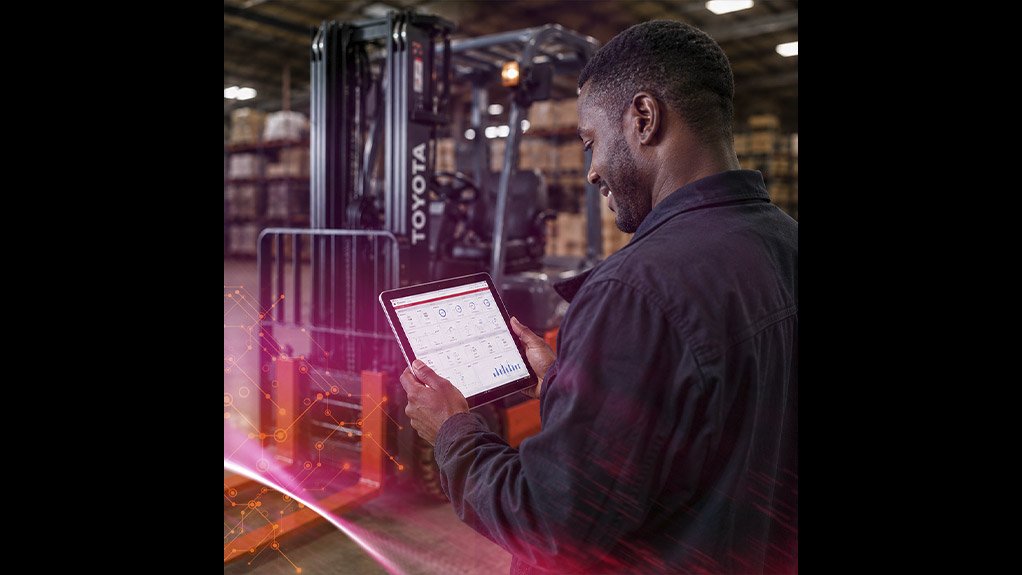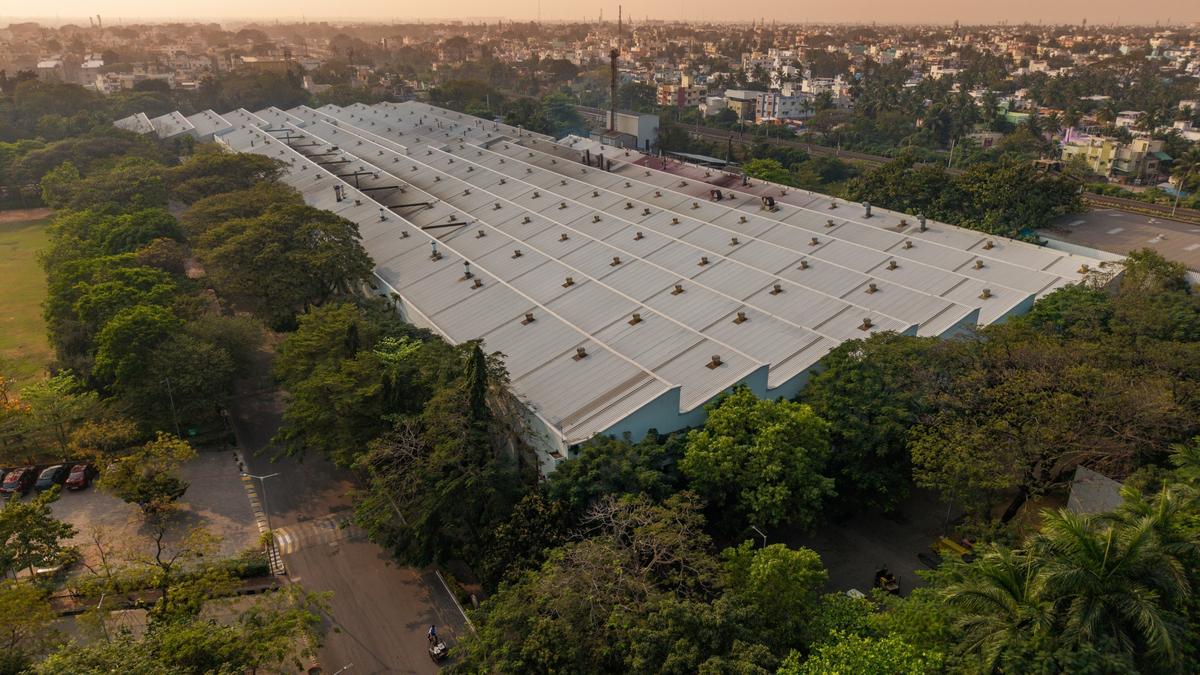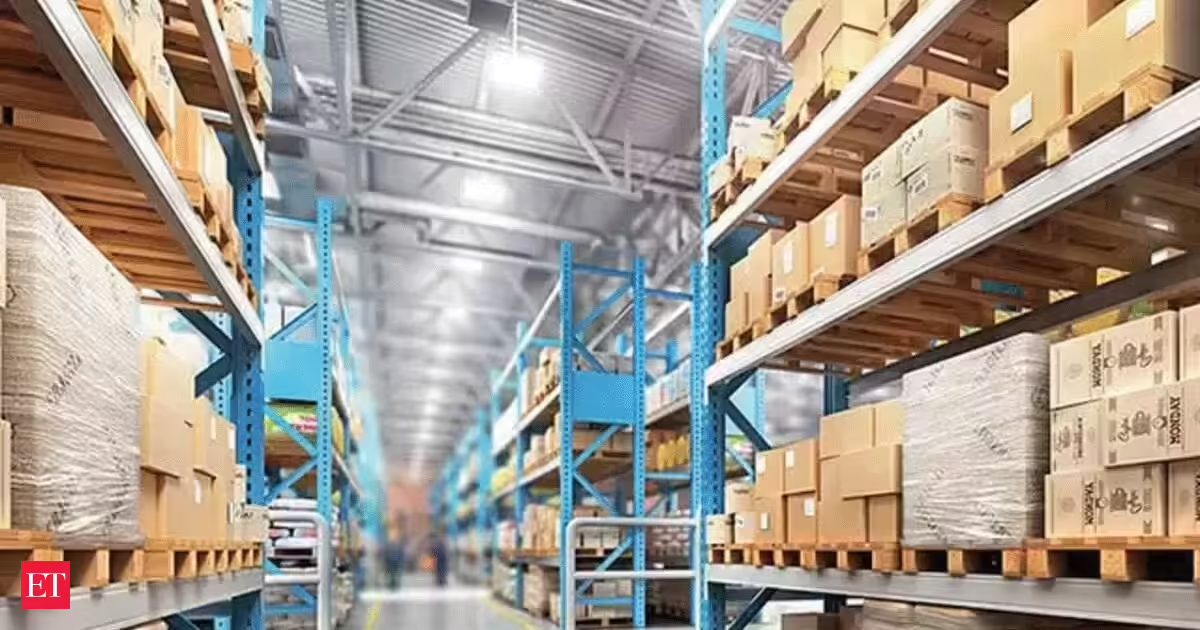
Warehouses and distribution centres are becoming more complex, with the changes in customer expectations driven by e-commerce affecting the logistics industry, supply chain and logistics facilities company Industrial Logistic Systems MD Clayton Thomas has said.
Some warehouses are being required to have about 600 000 stock keeping units (SKUs) that must be available at any time. A normal dry goods facility generally has 20 000 SKUs.
This is why random storage is common even in large multinational e-commerce companies' warehouses, while still requiring accuracy for storing, picking and tracking processes, he said during a talk on trends in warehousing at the Chartered Institute of Logistics and Transport South Africa conference, in Randburg, on July 9.
Additionally, while centralisation has been a core strategy for logistics and supply chains, there is a decentralisation trend taking place to have facilities closer to customers to enable faster fulfilment of orders.
These can take the form of micro-fulfilment centres, which are small warehouses built close to demand centres, or picking for e-commerce orders from operational retail stores or using dark stores, which are comparable to large-scale retail stores, but dedicated wholly to fulfilling e-commerce orders for fast-moving consumer goods.